
The human body is a marvel of biological engineering, a complex system that constantly works to maintain a delicate internal balance. One of the most crucial aspects of this equilibrium is our core body temperature, typically hovering around 98.6°F (37°C). This precise temperature is vital for countless biochemical reactions that keep us alive and functioning. But what organ orchestrates this intricate thermoregulation, acting as our body’s internal thermostat?
While the concept of a single “control center” might seem appealing, the reality is more nuanced. Body temperature regulation is a sophisticated process involving a network of organs and systems, all coordinated by a central command center in the brain. This article will delve into the fascinating world of thermoregulation, exploring the primary organ responsible, the mechanisms it employs, and how technology and branding play an increasingly interesting role in our understanding and management of our internal environment.

The Hypothalamus: The Body’s Master Thermostat
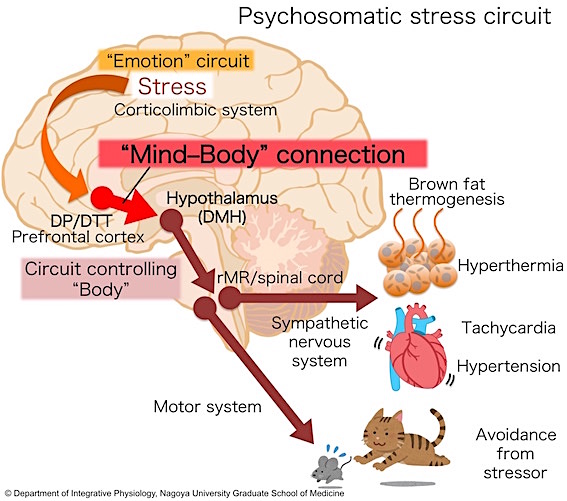
The undisputed star of the show when it comes to controlling body temperature is a small but mighty region in the brain called the hypothalamus. Located just below the thalamus, it’s a crucial component of the limbic system and plays a pivotal role in regulating a vast array of bodily functions, including hunger, thirst, sleep-wake cycles, and, of course, our internal temperature.
How the Hypothalamus Senses and Responds
The hypothalamus acts like a highly sensitive thermostat, constantly receiving information about our internal temperature from two main sources:
- Central Thermoreceptors: These specialized nerve endings are located within the hypothalamus itself and the surrounding brain tissue. They directly monitor the temperature of the blood flowing through the brain, providing an immediate reading of core body temperature.
- Peripheral Thermoreceptors: These receptors are found in the skin and mucous membranes throughout the body. They detect external temperature changes and send signals to the hypothalamus via the spinal cord. This allows the hypothalamus to anticipate potential shifts in core temperature and initiate proactive responses.
Once the hypothalamus receives this temperature data, it compares it to a set point, which is the ideal internal temperature for optimal bodily function. If there’s a deviation from this set point, the hypothalamus springs into action, sending signals through the nervous system and endocrine system to initiate responses that either generate heat or dissipate it.
The Hypothalamus’s Toolkit: A Symphony of Responses
The hypothalamus employs a remarkable array of mechanisms to maintain our body temperature within a narrow range. These responses can be broadly categorized into those that help us gain heat when we’re too cold and those that help us lose heat when we’re too hot.
When the Body is Too Cold: Generating and Conserving Heat
When the hypothalamus detects that our core temperature is dropping, it initiates a series of physiological responses to increase heat production and reduce heat loss:
- Shivering: This is perhaps the most recognizable response. The hypothalamus signals muscles to contract and relax rapidly, generating heat through increased metabolic activity. It’s an involuntary, energy-intensive process designed to quickly raise body temperature.
- Vasoconstriction: The hypothalamus signals blood vessels in the extremities (skin, fingers, toes) to narrow. This reduces blood flow to the surface of the body, minimizing heat loss to the environment and conserving heat for vital organs. This is why our fingers and toes can feel cold first when we’re exposed to chilly conditions.
- Increased Metabolism: The hypothalamus can stimulate the release of hormones like thyroxine from the thyroid gland, which can increase the body’s metabolic rate. A higher metabolic rate means more energy is being produced, and consequently, more heat is generated as a byproduct.
- Piloerection (Goosebumps): Tiny muscles attached to hair follicles contract, causing hairs to stand on end. While less effective in humans with sparse body hair, in furry mammals, this creates an insulating layer of air, trapping heat closer to the skin.
- Behavioral Changes: While not directly controlled by a single organ, the hypothalamus influences our behavior. We might consciously seek warmer environments, put on more layers of clothing, or curl up to conserve heat.
When the Body is Too Hot: Dissipating Heat
Conversely, when the hypothalamus senses that our core temperature is rising, it activates mechanisms to cool us down:
- Vasodilation: Blood vessels in the skin dilate, allowing more blood to flow closer to the surface. This facilitates heat loss to the environment through radiation and convection. This is why our skin might appear flushed when we’re overheated.
- Sweating: The hypothalamus stimulates sweat glands to produce perspiration. As sweat evaporates from the skin’s surface, it absorbs heat from the body, effectively cooling us down. This is a highly efficient cooling mechanism, especially in dry environments.
- Decreased Metabolism: The body can also reduce its metabolic rate to generate less internal heat.
- Behavioral Changes: Again, our behavior plays a role. We’ll seek shade, remove layers of clothing, drink cool fluids, and reduce physical activity.
Beyond the Hypothalamus: Supporting Systems
While the hypothalamus is the central conductor, it doesn’t operate in isolation. Several other organs and systems contribute to effective thermoregulation:

The Skin: The Body’s Largest Sensory Organ and Interface
The skin is our outermost defense and our primary interface with the external environment. As mentioned, it’s packed with peripheral thermoreceptors that constantly feed information to the hypothalamus. Furthermore, the skin itself is actively involved in temperature regulation through:
- Sweat Glands: These are directly controlled by the nervous system in response to signals from the hypothalamus, acting as our body’s natural air conditioning system.
- Blood Vessels: The skin’s rich network of blood vessels can dilate or constrict to either release or conserve heat, acting as a radiator or an insulator.
- Hair Follicles: While their role is diminished in humans, they still contribute to insulation through piloerection.
The Cardiovascular System: The Body’s Internal Plumbing
The circulatory system, powered by the heart, plays a critical role in thermoregulation by transporting heat throughout the body.
- Blood Flow: The blood acts as a heat-carrying medium. When we’re hot, increased blood flow to the skin helps dissipate heat. When we’re cold, reduced blood flow to the periphery conserves heat for the core.
- Heart Rate: The heart rate can increase to pump blood more efficiently to the skin for cooling or decrease to conserve energy and heat when cold.
The Respiratory System: A Minor but Present Role
While not a primary thermoregulatory organ, the respiratory system contributes to heat loss, especially through evaporation. When we exhale, we release warm, moist air, carrying away a small amount of heat and water from the body. This effect is more pronounced in hot, dry environments.
The Technological and Branding Lens on Body Temperature
In today’s technologically driven world, our understanding and management of body temperature have expanded far beyond purely biological mechanisms. The intersection of technology, branding, and personal health offers fascinating new avenues for monitoring, influencing, and even “optimizing” our internal thermostat.
Tech Innovations in Thermoregulation
The tech industry has embraced the challenge of thermoregulation, developing a plethora of gadgets and tools that empower individuals to better understand and manage their body temperature.
- Smart Wearables: From smartwatches to fitness trackers, these devices are increasingly incorporating sophisticated sensors that can monitor heart rate, activity levels, and even skin temperature. While not a direct measure of core body temperature, these metrics can provide valuable insights into how our bodies are responding to environmental conditions and physical exertion. Some advanced wearables are exploring more direct core temperature sensing capabilities.
- AI-Powered Health Apps: Artificial intelligence is revolutionizing how we interpret health data. AI algorithms can analyze patterns in biometric data, including temperature fluctuations, to identify potential issues, predict heat-related illnesses, or offer personalized recommendations for staying comfortable. These apps can learn individual “normal” temperature ranges and alert users to significant deviations.
- Smart Home Devices: The integration of smart thermostats and environmental sensors in our homes allows us to proactively manage our living spaces to support optimal body temperature. These systems can learn our preferences and adjust heating and cooling based on occupancy, time of day, and even external weather forecasts.
- Personal Cooling and Heating Devices: A growing market exists for personal devices designed to provide localized temperature control. These range from cooling vests and neck fans to heated blankets and personal space heaters. While not directly controlling the hypothalamus, they offer immediate relief and can indirectly influence our overall comfort and the signals sent to our brain.
- Biometric Data Analysis Tools: For those interested in deeper insights, advanced biometric data analysis tools are emerging. These allow individuals to track subtle temperature variations over time, correlate them with other physiological data, and gain a more profound understanding of their body’s thermoregulatory responses.
Branding Your Well-being: From Corporate Identity to Personal Health
The concept of “branding” extends beyond products and companies; it increasingly influences how we perceive and present our personal well-being, including how we manage our body temperature.
- Wellness Brands: The booming wellness industry has capitalized on the human desire for comfort and optimal health. Brands are meticulously crafting narratives around products and services that promise to enhance our well-being, often implicitly or explicitly linking them to temperature regulation. This can range from comfortable apparel designed for different climates to supplements marketed for their purported ability to support internal balance.
- Personal Branding and Performance: For athletes, executives, and anyone striving for peak performance, managing body temperature can be a strategic element of their personal brand. Demonstrating resilience in challenging environments, maintaining composure under pressure (which can be influenced by temperature), and projecting an image of controlled efficiency are all aspects that can be subtly linked to effective thermoregulation.
- Corporate Social Responsibility and Employee Well-being: Forward-thinking companies are recognizing the importance of creating environments that support employee well-being, including comfortable working temperatures. This can be part of their corporate identity and a way to attract and retain talent. Branding these initiatives as part of a commitment to employee health can enhance a company’s reputation.
- The “Cool” Factor: In branding, “cool” can be interpreted in multiple ways – from fashionable and trendy to calm and collected. Maintaining an optimal body temperature can contribute to this “cool” factor, allowing individuals to think clearly, perform effectively, and present themselves with confidence, regardless of external conditions.
The Future of Thermoregulation: A Symbiotic Relationship
The future of body temperature control will likely see an even deeper integration of technology and our understanding of biological processes. We can anticipate:
- More sophisticated wearable sensors that provide real-time, accurate core body temperature readings.
- Personalized AI coaches that proactively manage our environment and offer tailored advice based on our individual thermoregulatory profiles.
- Biologically inspired technologies that mimic the efficiency of natural thermoregulation.
- A growing emphasis on branding that emphasizes proactive health management and the use of technology to achieve optimal well-being.
In conclusion, while the hypothalamus is the primary organ responsible for controlling body temperature, it’s a complex interplay of systems and external influences. As technology continues to advance and our understanding of personal branding evolves, we are gaining unprecedented control and insight into this fundamental aspect of our health, allowing us to not just survive but thrive in a constantly changing world. The journey of understanding what organ controls body temp has opened doors to a future where our internal thermostat is not just a biological function but a canvas for technological innovation and personal empowerment.
aViewFromTheCave is a participant in the Amazon Services LLC Associates Program, an affiliate advertising program designed to provide a means for sites to earn advertising fees by advertising and linking to Amazon.com. Amazon, the Amazon logo, AmazonSupply, and the AmazonSupply logo are trademarks of Amazon.com, Inc. or its affiliates. As an Amazon Associate we earn affiliate commissions from qualifying purchases.