
The allure of dinosaurs, brought back to life through groundbreaking scientific endeavors, has captivated audiences for decades. The Jurassic Park franchise, a cornerstone of blockbuster cinema, invites viewers into a world where ancient creatures roam again, blurring the lines between fascination and terror. For those looking to immerse themselves in this prehistoric saga, understanding the correct viewing order is paramount to appreciating the overarching narrative, character development, and thematic evolution of the series. This guide will meticulously break down the chronological order of the Jurassic Park and Jurassic World films, ensuring an optimal and immersive viewing experience.

The Original Trilogy: Laying the Foundation for a Prehistoric Empire
The genesis of the Jurassic Park phenomenon lies in Steven Spielberg’s 1993 masterpiece. This original trilogy established the core concepts of genetic engineering, theme park creation, and the inevitable, often catastrophic, consequences of playing God. The films, released between 1993 and 2001, are essential viewing for understanding the foundational mythology and the initial awe and dread that defined the franchise.
Jurassic Park (1993): The Birth of a Nightmare
The film that started it all, Jurassic Park, directed by Steven Spielberg, introduced the world to Isla Nublar, a remote island off the coast of Costa Rica, where billionaire John Hammond’s ambitious vision of a dinosaur-filled theme park is about to become a reality. Based on Michael Crichton’s novel, the film showcases the scientific marvel of resurrecting extinct species through amber-preserved DNA. However, what begins as a tour of unparalleled wonder quickly devolves into a fight for survival when the park’s security systems fail, and the genetically engineered dinosaurs, most notably the terrifying Tyrannosaurus Rex and cunning Velociraptors, break free. The film’s groundbreaking visual effects, compelling characters like Dr. Alan Grant (Sam Neill) and Dr. Ellie Sattler (Laura Dern), and its profound exploration of scientific ethics set a new benchmark for science fiction filmmaking.
The Lost World: Jurassic Park (1997): Expanding the Island
Four years later, Steven Spielberg returned to direct The Lost World: Jurassic Park. This sequel shifts the focus to a second island, Isla Sorna, also known as “Site B,” where InGen, the company behind the original park, had previously conducted its dinosaur breeding operations. The narrative introduces a new set of characters, including Ian Malcolm (Jeff Goldblum), the pragmatic mathematician who warned of the dangers in the first film, and Sarah Harding (Julianne Moore), a paleontologist. The plot revolves around an expedition to Isla Sorna to document the dinosaur populations and protect them from a hunting expedition funded by a rival corporation. This installment explores the ethical implications of interfering with natural ecosystems and highlights the inherent dangers of human hubris. The introduction of new dinosaur species and more intense action sequences solidify the franchise’s commitment to spectacle and suspense.
Jurassic Park III (2001): A Perilous Rescue Mission
The third film in the original trilogy, Jurassic Park III, helmed by Joe Johnston, takes a different approach, focusing on a group of adventurers who are lured to Isla Sorna under false pretenses. Dr. Alan Grant is convinced by wealthy adventurer Ben Hildebrand and his ex-wife, Amanda, to accompany them on an aerial tour of the island in exchange for funding for his research. Their plane crashes, leaving them stranded and at the mercy of the island’s inhabitants, including the highly intelligent and terrifying Spinosaurus, a new apex predator introduced to challenge the T-Rex’s dominance. Jurassic Park III delves deeper into the behaviors of the dinosaurs, particularly the Velociraptors, showcasing their complex social structures and hunting strategies. While deviating slightly from the direct theme park narrative, it continues to explore the theme of human resilience against the primal power of nature.
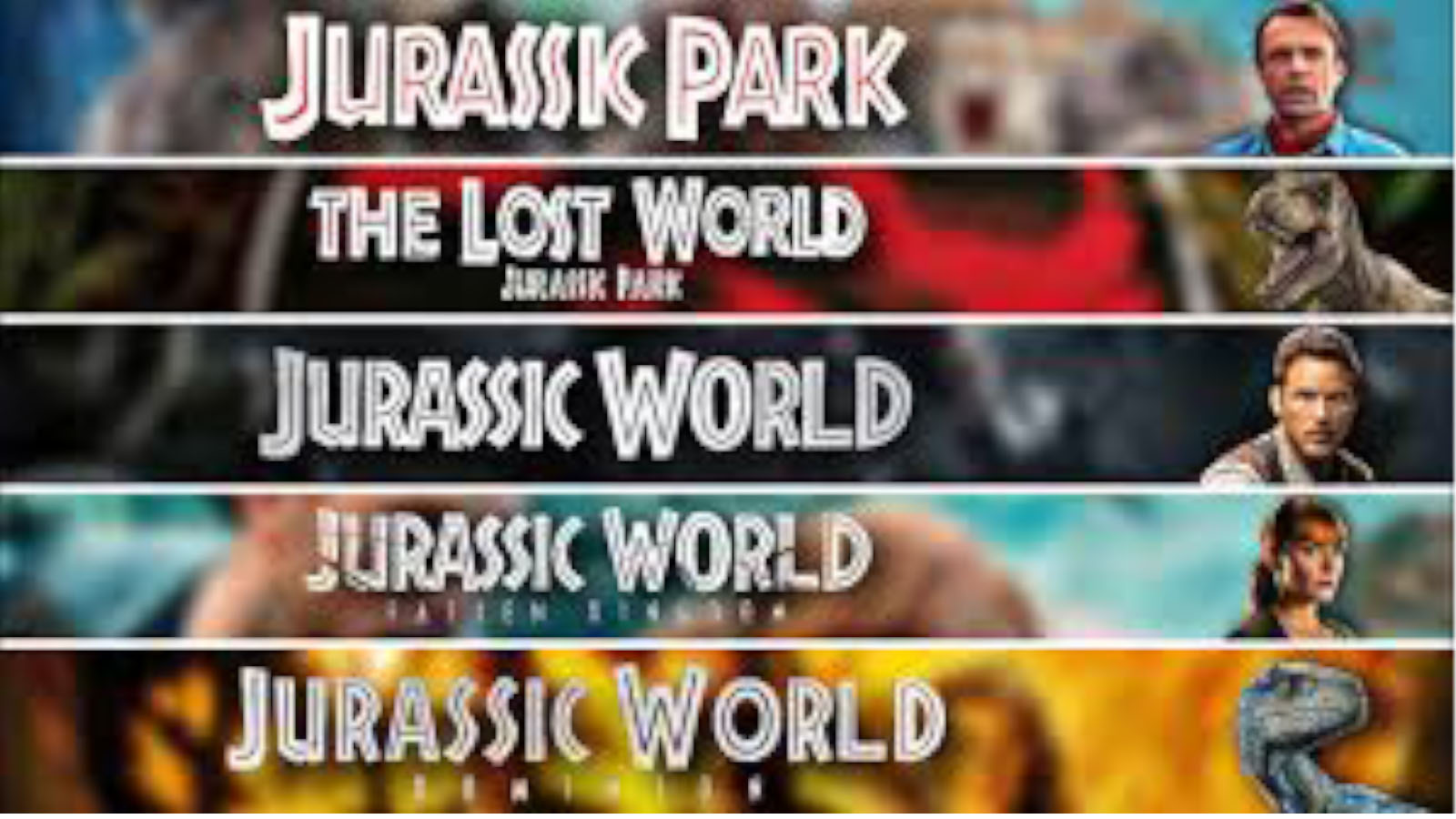
The “Jurassic World” Era: A New Generation’s Reckoning
Decades after the events of the original films, a new, fully operational dinosaur theme park, Jurassic World, opens on Isla Nublar. This new era of the franchise, kicking off in 2015, reflects advancements in technology and a more complex understanding of the world that has evolved from the initial catastrophes. The Jurassic World trilogy, while distinct in its characters and setting, is intrinsically linked to the events and legacy of the original Jurassic Park.
Jurassic World (2015): The Park Reimagined
Directed by Colin Trevorrow, Jurassic World transports viewers to a fully realized dinosaur theme park located on the same island as the original Jurassic Park. The park, now owned by the Masrani Corporation, is a gleaming testament to technological advancement, featuring a variety of cloned dinosaurs and advanced containment systems. However, the pursuit of higher attendance numbers leads to the creation of a genetically modified hybrid dinosaur, the Indominus Rex, a creature of unprecedented intelligence and ferocity. When the Indominus Rex escapes its enclosure, the park’s sophisticated infrastructure becomes its greatest vulnerability, leading to chaos and a desperate battle for survival for the park’s visitors and staff, including operations manager Claire Dearing (Bryce Dallas Howard) and dinosaur behaviorist Owen Grady (Chris Pratt). This film serves as a spiritual successor, exploring themes of corporate greed, the commodification of nature, and the potential for genetic manipulation to go horribly wrong, mirroring the cautionary tales of the original trilogy.
Jurassic World: Fallen Kingdom (2018): Evacuation and Ethical Dilemmas
The fifth film in the overall franchise, Jurassic World: Fallen Kingdom, directed by J.A. Bayona, picks up the story three years after the catastrophic events of Jurassic World. Isla Nublar is now abandoned, with its dinosaurs living wild. However, a looming volcanic eruption threatens to wipe them out. Claire Dearing, now an advocate for dinosaur rights, teams up with Owen Grady to lead a rescue mission to save some of the remaining creatures from the island. Their mission is complicated when they discover a dark conspiracy involving the illegal auction of dinosaurs and the creation of weaponized creatures. The film expands the narrative beyond Isla Nublar, introducing new environments and raising complex ethical questions about animal welfare, conservation, and the military applications of genetic engineering. The ending of Fallen Kingdom dramatically shifts the franchise’s trajectory, implying that the dinosaurs are no longer confined to their islands.
Jurassic World Dominion (2022): A World Shared
Concluding the Jurassic World trilogy and serving as a culmination of the entire saga, Jurassic World Dominion (also directed by Colin Trevorrow) brings together characters from both the original Jurassic Park and Jurassic World eras. Set four years after the events of Fallen Kingdom, the film depicts a world where humans and dinosaurs now coexist, albeit uneasily, across the globe. The narrative focuses on the ramifications of the dinosaurs escaping their containment and the emergence of a massive locust swarm that threatens the global ecosystem, hinting at a connection to Jurassic genetics. The film aims to tie together the loose ends of both trilogies, exploring themes of ecological balance, the dangers of uncontrolled technology, and the interconnectedness of all life. The reunion of the original cast – Alan Grant, Ellie Sattler, and Ian Malcolm – with the new generation of characters provides a sense of closure and thematic resonance, emphasizing the enduring legacy of the initial scientific endeavor and its far-reaching consequences.
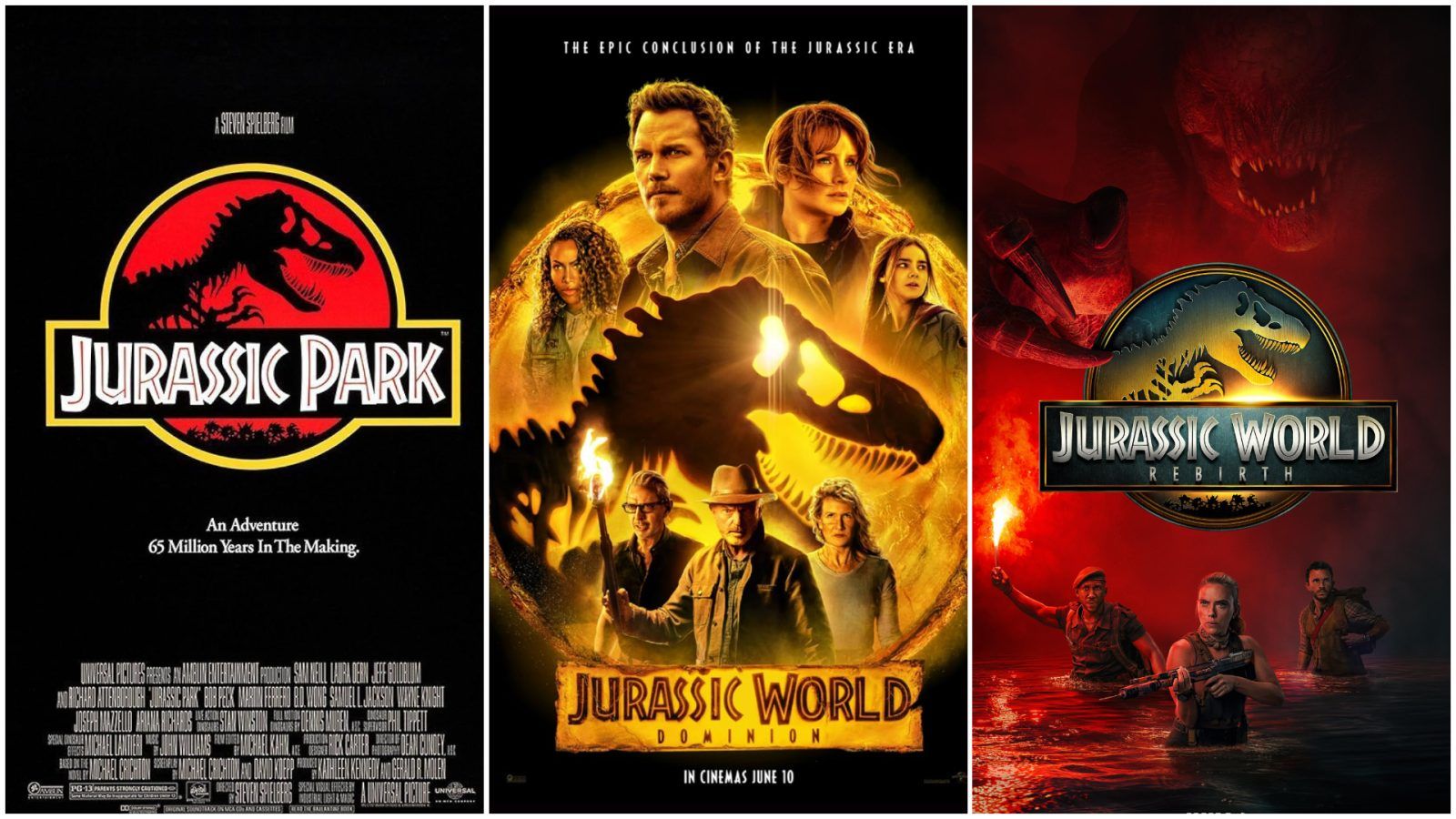
The Unifying Narrative: A Saga of Science and Survival
While the Jurassic Park and Jurassic World films feature different characters and are set at distinct points in time, they are undeniably part of a single, interconnected narrative. The original trilogy laid the groundwork, establishing the scientific possibility and the inherent dangers of dinosaur resurrection. The Jurassic World trilogy then built upon this foundation, exploring the societal impact of these creatures in a more advanced world and the escalating consequences of human ambition.
Viewing the films in their release order provides a chronological progression of the story, allowing audiences to witness the evolution of the technology, the escalating threats, and the changing ethical landscapes. Each film, while offering a self-contained adventure, contributes to the overarching saga of humanity’s complex and often perilous relationship with the prehistoric world. From the initial awe and wonder of seeing dinosaurs brought back to life to the grim reality of coexisting with them, the Jurassic Park franchise remains a powerful exploration of scientific responsibility, the indomitable force of nature, and the enduring human instinct for survival.
aViewFromTheCave is a participant in the Amazon Services LLC Associates Program, an affiliate advertising program designed to provide a means for sites to earn advertising fees by advertising and linking to Amazon.com. Amazon, the Amazon logo, AmazonSupply, and the AmazonSupply logo are trademarks of Amazon.com, Inc. or its affiliates. As an Amazon Associate we earn affiliate commissions from qualifying purchases.