
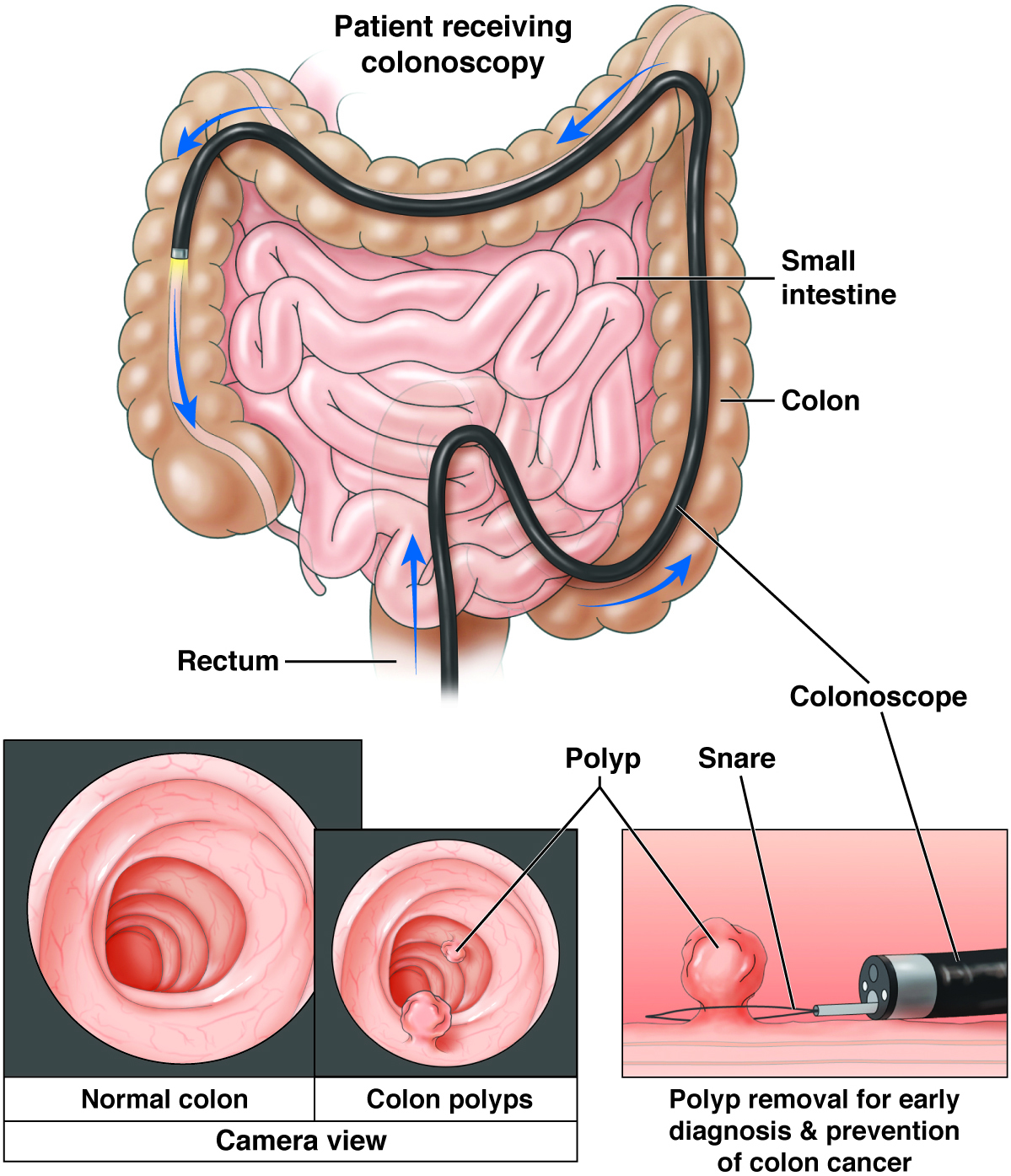
A colonoscopy is a medical procedure widely recognized for its pivotal role in preventing and detecting colorectal cancer. While its primary purpose is unequivocally medical – to visualize the inner lining of the large intestine (colon and rectum) for abnormalities like polyps or cancerous growths – understanding its full scope requires a broader perspective. Beyond the immediate health benefits, a colonoscopy carries significant financial implications, serving as a critical piece in an individual’s overall financial well-being and long-term economic stability.
In an era where healthcare costs continue to climb, every medical decision, especially preventative ones, has a financial dimension that cannot be overlooked. Viewing a colonoscopy solely through the lens of diagnosis misses a crucial part of its value proposition: its capacity to mitigate future financial catastrophes, preserve earning potential, and contribute to a more secure financial future. This article delves into the often-unexamined financial purpose of a colonoscopy, framing it not just as a health imperative but also as a prudent financial strategy.

Beyond Diagnosis: The Financial Imperative of Preventative Health Screenings
The most profound financial purpose of a colonoscopy lies in its preventative power. By identifying and removing precancerous polyps before they turn malignant, or by detecting cancer in its earliest, most treatable stages, a colonoscopy effectively side-steps a cascade of exponentially higher costs associated with advanced disease. This perspective transforms the procedure from a mere medical check-up into a strategic financial investment.
The True Cost of Neglect: Financial Burdens of Advanced Disease
Consider the stark contrast in financial outlay between preventing and treating advanced colorectal cancer. The average cost of a colonoscopy in the United States, including physician fees, facility charges, and anesthesia, typically ranges from $2,000 to $4,000, though this can vary widely based on location and insurance coverage. While seemingly substantial, this figure pales in comparison to the financial burden of treating late-stage colon cancer.
Treatment for advanced colorectal cancer can involve extensive surgery, prolonged chemotherapy cycles, radiation therapy, repeated hospitalizations, costly medications, and ongoing palliative care. The total direct medical costs for these treatments can easily run into hundreds of thousands of dollars, often exceeding $100,000 to $500,000 over the course of treatment. These figures do not even account for indirect costs such as lost income due to inability to work, travel expenses for specialized treatment, or the emotional and financial toll on family caregivers. Many individuals find themselves facing medical debt, selling assets, or even declaring bankruptcy as a direct consequence of managing a severe chronic illness. By investing in a colonoscopy, individuals are essentially pre-empting these exorbitant future expenses, demonstrating a clear “avoided cost” benefit that underscores its significant financial purpose.
Investing in Health: Preventative Care as a Smart Financial Strategy
From a financial planning standpoint, preventative health screenings like colonoscopies should be viewed as a high-yield investment. Just as one diversifies a financial portfolio or invests in home maintenance to prevent larger, more expensive repairs, investing in one’s health through regular screenings is a proactive strategy to safeguard long-term financial stability. The “return on investment” (ROI) in this context is multifaceted: reduced healthcare costs, sustained earning capacity, and a higher quality of life, which itself has an intrinsic economic value.
Early detection through a colonoscopy drastically simplifies treatment protocols. Localized polyps can often be removed during the procedure itself, requiring no further intervention. Early-stage cancers, if found, often necessitate less aggressive and shorter-duration treatments, which translates directly into lower medical bills and less time away from work. This proactive approach minimizes the physical, emotional, and most importantly for this discussion, the financial strain that a later diagnosis would inevitably bring. It’s a testament to the adage that an ounce of prevention is worth a pound of cure, with that “pound of cure” in this instance representing a potentially crippling financial weight.
Navigating the Financial Landscape of a Colonoscopy
Understanding the purpose of a colonoscopy from a financial perspective also involves knowing how to manage its immediate costs. While the long-term financial benefits are clear, the upfront expenses can still be a concern for many. Proactive navigation of insurance policies and exploring various payment options are crucial steps to minimize out-of-pocket expenditures and ensure accessibility to this vital screening.
Decoding Insurance Coverage: What You Need to Know
Insurance coverage is perhaps the most significant factor influencing the immediate financial impact of a colonoscopy. Under the Affordable Care Act (ACA), most private health insurance plans and Medicare are required to cover preventative colonoscopies at no out-of-pocket cost (no co-pay or deductible) for individuals aged 45 and older (previously 50). This mandate is designed to encourage preventative care and reduce the financial barrier to essential screenings.
However, a critical nuance exists: the distinction between a “screening” colonoscopy and a “diagnostic” colonoscopy. If a polyp is found and removed during a routine screening, or if the procedure is performed due to symptoms or a family history of colon cancer, it may be reclassified as “diagnostic.” This reclassification can trigger deductibles, co-pays, or co-insurance, leaving the patient responsible for a portion of the costs. It is imperative for individuals to contact their insurance provider before the procedure to understand their specific plan benefits, clarify the coding distinctions, and inquire about any potential out-of-pocket costs, even for what they believe is a routine screening. Pre-authorization can also be a vital step to avoid unexpected bills.
Exploring Payment Options and Cost-Saving Strategies
Even with insurance, or for those without comprehensive coverage, various strategies can help manage the cost of a colonoscopy. Health Savings Accounts (HSAs) and Flexible Spending Accounts (FSAs) are invaluable financial tools. These tax-advantaged accounts allow individuals to save and spend pre-tax dollars on qualified medical expenses, including deductibles, co-pays, and even the full cost of a colonoscopy if not fully covered by insurance. Utilizing these accounts can significantly reduce the net cost of the procedure.

Beyond HSAs/FSAs, direct negotiation with healthcare providers is often possible. Patients can inquire about bundled pricing, which includes all facility, physician, and anesthesia fees under one rate. Some facilities offer discounts for cash payments, especially if paying upfront. Comparing costs between different providers and facilities (e.g., an outpatient surgical center versus a hospital outpatient department) can also reveal significant price differences for the same procedure. Many providers also offer interest-free payment plans, allowing patients to spread the cost over several months, making it more manageable within their budget. Researching financial assistance programs offered by hospitals or pharmaceutical companies can also provide relief for those who qualify.
The Economic Ripple Effect: Impact on Productivity and Income
The financial purpose of a colonoscopy extends beyond direct medical costs and insurance coverage. It profoundly impacts an individual’s ability to earn income, contribute to their household, and secure their financial legacy. A healthy workforce is a productive workforce, and preventative health measures play a crucial role in maintaining this productivity.
Preserving Your Earning Potential
A diagnosis of advanced colorectal cancer can severely compromise an individual’s ability to work. Treatment regimens, often involving surgery, chemotherapy, and radiation, are physically demanding and frequently lead to extended periods of recovery, side effects, and chronic fatigue. This can result in significant time off work, reduced working hours, or even permanent disability. The financial consequence is a direct loss of income – wages, bonuses, and retirement contributions – which can decimate personal savings and retirement plans.
By preventing cancer or catching it early, a colonoscopy helps preserve an individual’s health, and by extension, their capacity to maintain consistent employment and full earning potential. A healthy individual is more likely to remain productive, climb the career ladder, and contribute to their household’s financial stability. The ability to continue working without interruption due to illness is a cornerstone of financial security, making the colonoscopy a critical enabler of sustained income and economic participation.
Family Financial Security and Legacy Planning
The financial implications of severe illness ripple outward from the individual to their entire family. A major illness can place immense financial strain on spouses, partners, and children, who may face increased healthcare costs, reduced household income, and the emotional and logistical burden of caregiving. This can force families to dip into emergency savings, delay major financial goals like home purchases or education funding, or even incur significant debt.
From a long-term perspective, preventative health through screenings like a colonoscopy plays a vital role in family financial security and legacy planning. Maintaining good health ensures that an individual can continue to contribute to retirement savings, invest for future generations, and protect their estate from being depleted by unforeseen medical expenses. Avoiding a severe, costly illness helps safeguard inherited wealth and ensures that dependents are not burdened with significant medical debt. Financial advisors increasingly emphasize the integration of health planning into overall wealth management, recognizing that health is a foundational asset for any robust financial plan. Ensuring one’s health through preventative measures like a colonoscopy is, therefore, an act of responsible financial stewardship for one’s family and future generations.
The Future of Preventative Financial Health: Integrating Medical and Monetary Well-being
As our understanding of the intricate link between health and wealth grows, the purpose of a colonoscopy, viewed through a financial lens, becomes even more pronounced. The future will likely see a greater integration of medical and monetary well-being strategies, leveraging data and expert advice to optimize both.
Data-Driven Decisions: Analyzing the ROI of Health Interventions
In the healthcare industry, there’s a growing trend towards data-driven decision-making, especially concerning the cost-effectiveness of preventative interventions. Insurers, healthcare systems, and public health organizations are constantly analyzing data to determine the long-term financial benefits of specific screenings and vaccinations. Studies consistently show that investing in preventative care, such as colonoscopies, yields substantial savings down the line by reducing the incidence and severity of chronic diseases.
Individuals can adopt a similar analytical mindset. By understanding the statistics behind the costs of cancer treatment versus prevention, individuals can make informed financial decisions about their healthcare. This data empowers them to advocate for preventative coverage, budget appropriately, and prioritize screenings that offer the highest financial and health ROI. It’s about moving beyond anecdotal evidence to a scientific understanding of how health choices impact the bottom line.
Financial Advisors and Healthcare Planning: A Holistic Approach
Traditionally, financial planning focused on investments, retirement, and estate planning, often treating healthcare costs as an unpredictable expense. However, the escalating cost of medical care, particularly in later life, has necessitated a more holistic approach. Forward-thinking financial advisors are now incorporating healthcare planning as a core component of comprehensive financial strategies.
This involves budgeting for future medical expenses, understanding long-term care insurance, and recognizing the financial value of preventative care. Advisors may encourage clients to maintain HSAs, explore Medicare options, and emphasize the importance of screenings like colonoscopies, not just for health, but for preserving wealth. By bringing healthcare into the financial planning conversation, the full purpose of a colonoscopy – as a tool for both physical well-being and financial security – is truly realized. It underscores the profound truth that health is wealth, and actively managing one’s health is an essential form of financial management.
In conclusion, while the most immediate and profound purpose of a colonoscopy is undeniably medical—to detect and prevent colorectal cancer—its critical role in financial health cannot be overstated. By averting the catastrophic costs of advanced disease, preserving earning potential, and contributing to family financial security, a colonoscopy stands as a powerful tool in an individual’s financial arsenal. Understanding and embracing this dual purpose is key to making informed decisions that safeguard both health and wealth for years to come.
aViewFromTheCave is a participant in the Amazon Services LLC Associates Program, an affiliate advertising program designed to provide a means for sites to earn advertising fees by advertising and linking to Amazon.com. Amazon, the Amazon logo, AmazonSupply, and the AmazonSupply logo are trademarks of Amazon.com, Inc. or its affiliates. As an Amazon Associate we earn affiliate commissions from qualifying purchases.