
The vibrant heart of Poland’s economic system, a symbol of its enduring history and burgeoning modern identity, is its national currency: the Złoty. For anyone planning to visit, conduct business, invest, or even just curious about global finance, understanding the Złoty is a fundamental step. Unlike many other European Union members that have adopted the Euro, Poland maintains its sovereign currency, a decision rooted in both historical independence and strategic economic considerations. This article delves into the intricacies of the Polish Złoty, exploring its historical journey, contemporary relevance, and practical implications for individuals and businesses alike within the broader context of personal finance, investing, and business finance.
Understanding the Polish Złoty: History, Design, and Denominations
To truly appreciate the Złoty today, one must first understand its rich past and the design elements that reflect Poland’s heritage. This section provides a comprehensive overview, from its historical roots to its current physical form and official status.
A Legacy Forged Through Time: Historical Context and Evolution
The term “Złoty” translates directly to “golden,” a testament to its origins as a gold coin in the late Middle Ages. The first formal Polish currency, dating back to the 14th century, saw various iterations and reforms, often reflecting periods of political stability and upheaval. The modern Złoty, however, has a more recent and complex lineage. Following World War II and the subsequent communist era, the currency underwent significant devaluations and re-denominations. The most crucial reform occurred on January 1, 1995, when the “new Złoty” (PLN) was introduced, replacing the “old Złoty” at a rate of 1 new Złoty for 10,000 old Złoty (PLZ). This move was a critical component of Poland’s post-communist economic transformation, aimed at stabilizing the economy, curbing hyperinflation, and integrating with Western financial systems. This historic reform laid the groundwork for the economic growth and stability Poland enjoys today, making the Złoty a resilient and reliable medium of exchange.
The Złoty Today: Denominations and Features
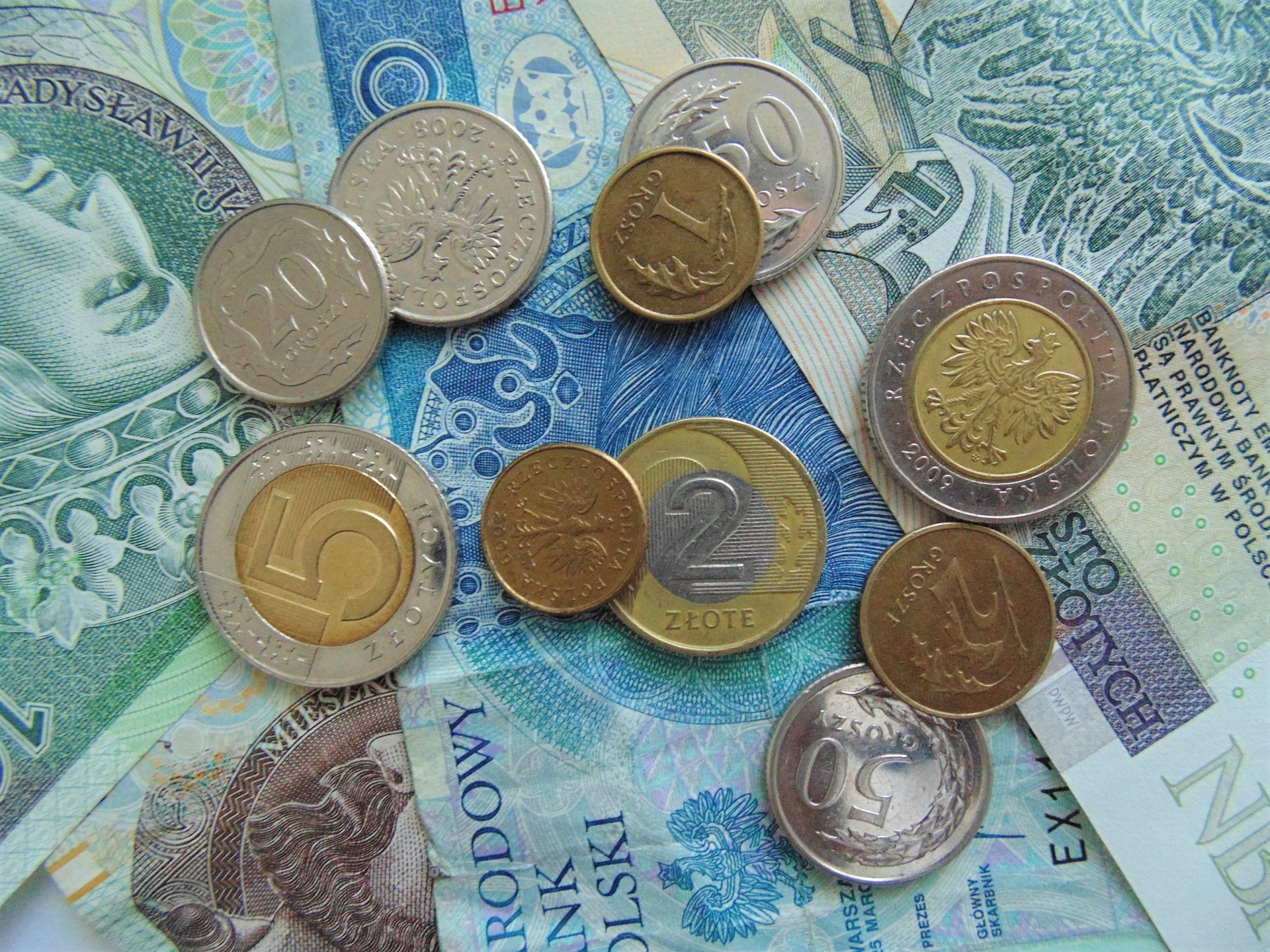
Today, the Polish Złoty (currency code: PLN) is issued by the National Bank of Poland (Narodowy Bank Polski – NBP). The currency system is decimalized, meaning one Złoty is divided into 100 groszy (gr).
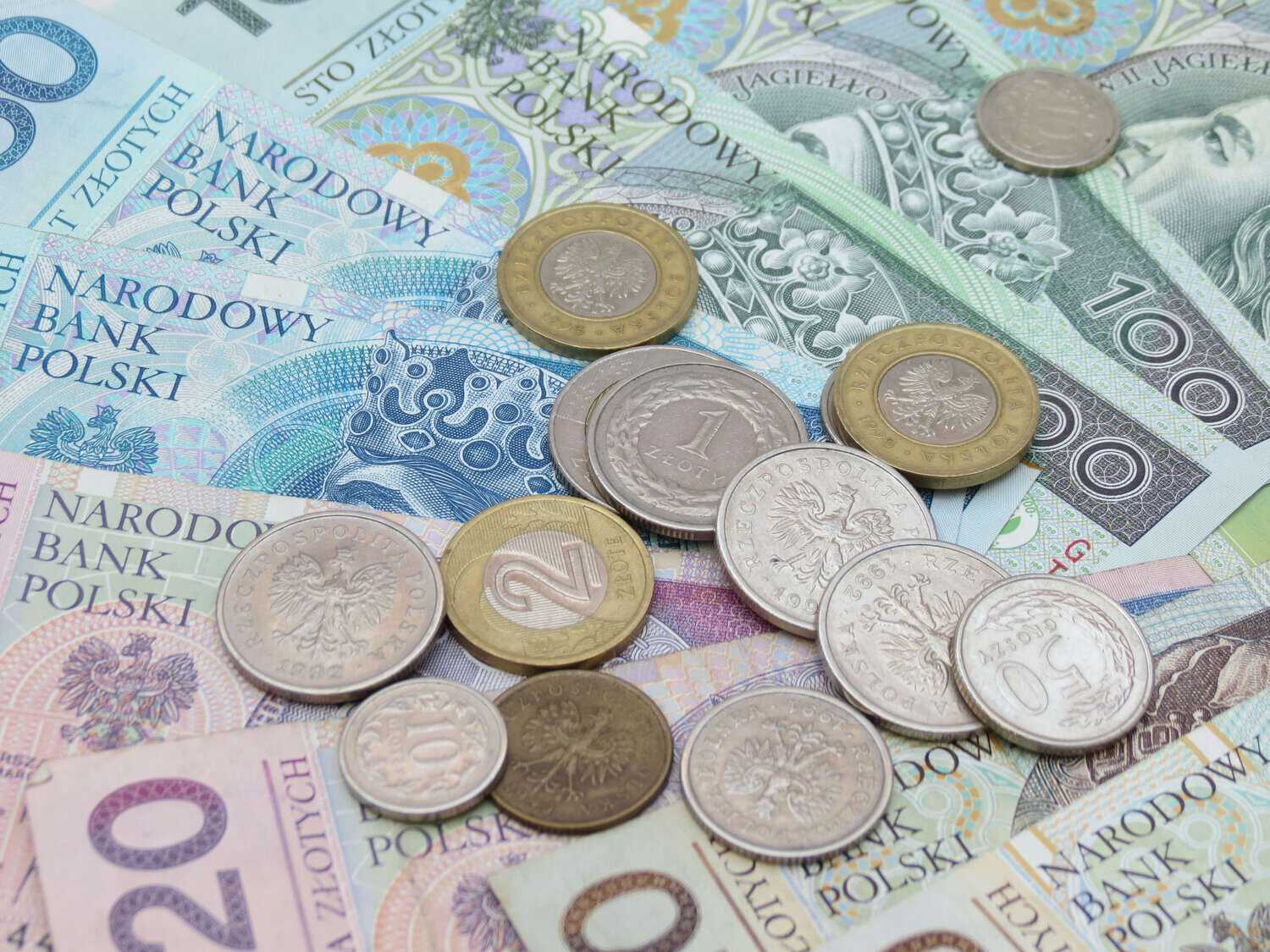
Banknotes: Polish banknotes are vibrant and feature prominent historical figures, symbolizing the nation’s rich past. They come in denominations of:
- 10 Złoty: Depicts Mieszko I, the first historical ruler of Poland.
- 20 Złoty: Features Bolesław I the Brave, the first King of Poland.
- 50 Złoty: Showcases Casimir III the Great, a revered monarch known for his reforms.
- 100 Złoty: Illustrates Władysław II Jagiełło, a key figure in Polish-Lithuanian history.
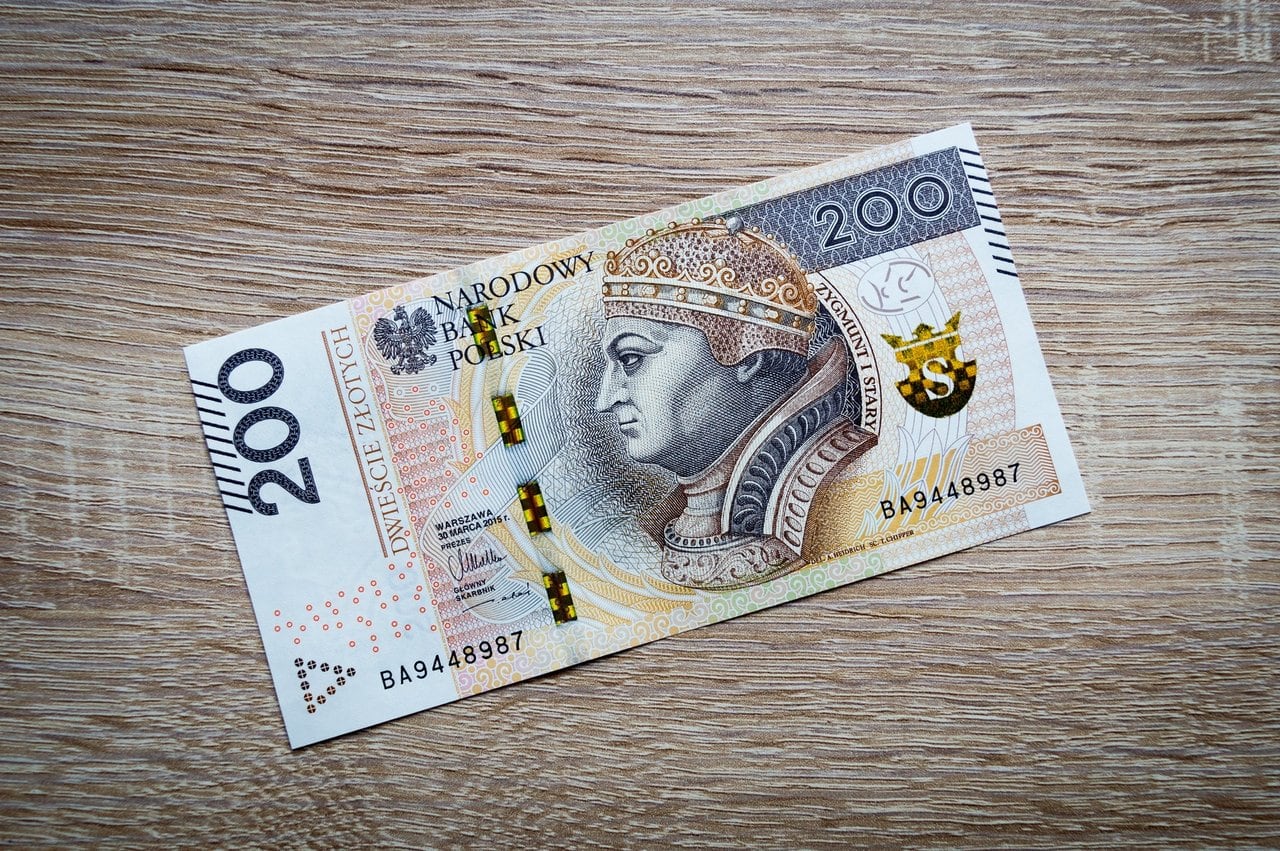
- 200 Złoty: Bears Sigismund I the Old, a Renaissance-era king.
- 500 Złoty (less common): Features John III Sobieski, a military hero.
These banknotes incorporate advanced security features to prevent counterfeiting, including watermarks, security threads, holographic elements, and microprinting, ensuring their integrity in financial transactions.
Coins: Polish coins are practical and commonly used for smaller transactions. They are available in denominations of:
- 1 grosz, 2 groszy, 5 groszy, 10 groszy, 20 groszy, 50 groszy: These smaller coins are essential for daily purchases.
- 1 Złoty, 2 Złote, 5 Złotych: These larger coins are frequently used, particularly the 1 and 2 Złoty coins.
The designs of the coins typically feature the Polish coat of arms (an eagle) on one side and the denomination on the other.
Official Status and International Recognition
The Złoty is the sole legal tender in Poland, accepted for all transactions within the country. While Poland is a member of the European Union, it has not adopted the Euro. The decision to retain the Złoty allows Poland greater autonomy over its monetary policy, a factor that has proven beneficial in navigating global economic shifts. The Złoty is a freely convertible currency on international markets, and its exchange rates are determined by supply and demand against major global currencies like the Euro (EUR), US Dollar (USD), and British Pound (GBP). Its stability and convertibility are crucial for international trade, investment flows, and for individuals managing personal finances across borders.
The Złoty’s Role in Poland’s Economy and Personal Finance
The Złoty is not merely a medium of exchange; it is a critical component of Poland’s economic sovereignty and plays a profound role in both national fiscal policy and the daily financial lives of its citizens.
Economic Impact and Monetary Policy
The National Bank of Poland (NBP) is responsible for maintaining price stability and supporting the government’s economic policies through its monetary policy framework. By controlling interest rates, managing foreign exchange reserves, and regulating the banking sector, the NBP directly influences the Złoty’s value, inflation rates, and the overall economic climate. A stable Złoty is vital for attracting foreign direct investment (FDI), facilitating international trade, and ensuring predictable economic growth. The NBP’s independence is key to its credibility and effectiveness in steering the Polish economy through both prosperous and challenging times, safeguarding the purchasing power of the Złoty for its citizens.
Personal Finance Implications: Savings, Budgeting, and Purchasing Power
For individuals residing in or dealing with Poland, the Złoty directly impacts their personal finance decisions.
- Savings and Investments: Saving in Złoty-denominated accounts or investing in Polish financial instruments means exposure to the Złoty’s performance. Interest rates set by the NBP affect returns on savings, while the Złoty’s stability is crucial for preserving the real value of investments.
- Budgeting: All domestic expenses – housing, groceries, transport, entertainment – are paid in Złoty. Understanding local prices and the Złoty’s purchasing power relative to other currencies is essential for effective budgeting, especially for expatriates or digital nomads living in Poland.
- Purchasing Power and Inflation: The NBP’s primary goal is to keep inflation low and stable, which directly protects the Złoty’s purchasing power. High inflation erodes the value of money, making goods and services more expensive and reducing the real income of households. Monitoring inflation trends is a key aspect of managing personal finances in Poland.
Business Implications: Trade, Investment, and Financial Tools
For businesses, the Złoty’s stability and convertibility are paramount for operational success and strategic planning.
- International Trade: Polish companies engaged in exports and imports face currency risk, as fluctuations in the Złoty’s exchange rate against foreign currencies can impact profitability. Hedging strategies become vital to mitigate these risks.
- Foreign Direct Investment (FDI): For foreign companies looking to invest in Poland, the Złoty is the currency in which local assets are denominated and profits are generated. A stable and predictable Złoty environment is a strong incentive for FDI, contributing to job creation and economic development.
- Business Finance and Financial Tools: Businesses operating in Poland utilize Złoty-denominated loans, credit lines, and other financial instruments. Access to robust Polish financial markets, including bond and equity markets, allows companies to raise capital and manage their liquidity effectively. Modern financial tools, from online banking platforms to specialized treasury management systems, are tailored to handle Złoty transactions, enabling efficient business operations.
Navigating the Złoty: Practicalities for Tourists, Expats, and Global Transferees
Whether you are visiting for a short trip, relocating for work, or simply need to handle cross-border payments, understanding the practical aspects of using the Złoty is crucial.
Exchanging Currency: Best Practices and Pitfalls
Converting your home currency to Złoty requires careful consideration to ensure you get the best rates and avoid unnecessary fees.
- Avoid Airport Exchange Counters: These often offer the worst exchange rates due to convenience fees.
- Kantors (Exchange Offices): Ubiquitous in Polish cities, kantors typically offer competitive rates. It’s wise to compare rates at a few different kantors before exchanging. Always check the “buy” (Kupno) and “sell” (Sprzedaż) rates carefully.
- Bank Branches: While reliable, bank exchange rates might not always be as favorable as dedicated kantors.
- ATMs (Cash Machines): Withdrawing Złoty directly from ATMs using your debit card can be convenient, but be wary of “dynamic currency conversion” (DCC). Always choose to be charged in PLN, not your home currency, to let your bank handle the conversion at a better rate. Also, check for foreign transaction fees from your home bank.
- Online Money Transfer Services: For larger amounts or regular transfers, services like Wise (formerly TransferWise), Revolut, or Remitly often provide superior exchange rates and lower fees than traditional banks.
Payment Methods in Poland: Cash vs. Card
Poland is increasingly a cashless society, but cash still holds its place.
- Credit/Debit Cards: Major credit and debit cards (Visa, MasterCard) are widely accepted in shops, restaurants, hotels, and even smaller businesses. Contactless payments are standard. Always notify your bank before traveling to prevent card blocking.
- Mobile Payments: Apple Pay, Google Pay, and other mobile payment solutions are also very popular and widely supported.
- Cash: It’s advisable to carry some Złoty cash for smaller purchases, local markets, public transport ticket machines, or in case a card machine is temporarily out of service. Tipping in cash is also common.
Budgeting for a Trip or Stay in Poland
Effective budgeting in Złoty requires an understanding of local costs. Poland generally offers good value for money compared to Western Europe, but prices can vary.
- Accommodation: Hotels, hostels, and Airbnb options are abundant. Prices range from budget-friendly hostels to luxury hotels.
- Food: Eating out can be very affordable, especially at traditional “milk bars” (bar mleczny) or local eateries. Supermarkets are well-stocked for those preferring to self-cater.
- Transportation: Public transport in cities is efficient and inexpensive. Inter-city travel via train or bus is also reasonably priced.
- Activities: Many historical sites and museums offer affordable entry fees, with some even having free admission days.
For expats, budgeting will also include costs like rent, utilities, and potentially health insurance, all denominated in Złoty. Understanding average salaries in Złoty is also crucial for financial planning.
The Złoty in the Global Financial Landscape and Future Outlook
The Polish Złoty is not isolated; its value and future are intrinsically linked to global economic trends, regional policies, and Poland’s own economic trajectory.
Exchange Rate Dynamics: Interplay with Major Currencies
The Złoty’s exchange rate against currencies like the Euro, US Dollar, and British Pound is influenced by a multitude of factors:
- Interest Rate Differentials: Changes in interest rates by the NBP compared to the European Central Bank (ECB) or the US Federal Reserve can make Złoty-denominated assets more or less attractive, influencing demand.
- Economic Performance: Strong economic growth in Poland, positive trade balances, and stable government finances tend to strengthen the Złoty.
- Geopolitical Events: Regional and global geopolitical tensions can cause volatility in the Złoty, as investors seek safer haven currencies.
- Market Sentiment: Investor confidence and speculation also play a significant role in short-term exchange rate movements.
For investors, understanding these dynamics is crucial when considering Polish assets or for those with Złoty exposure in their portfolios.
Poland and the Eurozone Debate
One of the most significant ongoing discussions regarding the Złoty is Poland’s potential adoption of the Euro. While EU membership typically implies a commitment to eventually join the Eurozone, Poland has consistently delayed this step.
- Arguments for retaining the Złoty: Include maintaining independent monetary policy, which allowed Poland to weather global financial crises more effectively (e.g., in 2008), and the ability to devalue the currency to boost exports if needed. It also preserves national economic sovereignty.
- Arguments for adopting the Euro: Include reduced transaction costs for trade within the Eurozone, elimination of exchange rate risk for businesses, and greater integration into the EU single market. It could also potentially attract more foreign investment.
The decision is a complex one, weighing economic benefits against the loss of monetary autonomy. For the foreseeable future, the Złoty is expected to remain Poland’s national currency, allowing for continued flexibility in its economic management.
Future Outlook for the Złoty
The future of the Złoty largely depends on Poland’s continued economic development, the NBP’s monetary policy effectiveness, and the broader global economic environment. Poland’s robust economy, driven by strong domestic demand, a skilled workforce, and increasing innovation, provides a solid foundation for the Złoty’s stability. While challenges such as inflation and geopolitical uncertainties will always exist, the Złoty has proven resilient. As Poland continues to grow and strengthen its position within the EU and on the global stage, the Złoty is expected to remain a significant and reliable currency for both domestic and international financial activities.
In conclusion, the Polish Złoty is more than just money; it is a fundamental pillar of Poland’s economic identity and a vital tool for personal finance, business operations, and investment strategies within the country. Understanding its history, mechanics, and role in the wider financial world offers invaluable insight for anyone engaging with this dynamic European nation.
aViewFromTheCave is a participant in the Amazon Services LLC Associates Program, an affiliate advertising program designed to provide a means for sites to earn advertising fees by advertising and linking to Amazon.com. Amazon, the Amazon logo, AmazonSupply, and the AmazonSupply logo are trademarks of Amazon.com, Inc. or its affiliates. As an Amazon Associate we earn affiliate commissions from qualifying purchases.