
The aspiration for higher education often comes intertwined with a significant financial challenge. For countless students nationwide, the formidable cost of tuition, fees, room, board, books, and other living expenses can seem like an insurmountable barrier. In response to this universal dilemma, the U.S. federal government established a vital program: the Federal Pell Grant. Unlike traditional loans, Pell Grants represent a form of financial aid that does not require repayment, positioning them as an invaluable resource for students who demonstrate exceptional financial need.
Understanding the nuances of this program, particularly what defines the “maximum” grant amount and how individual awards are meticulously determined, is paramount for anyone contemplating post-secondary education. This comprehensive guide aims to demystify the Federal Pell Grant, exploring its foundational purpose, stringent eligibility criteria, the detailed calculation of award amounts, and strategic approaches for maximizing this crucial financial support. By shedding light on the intricacies of the maximum Pell Grant, we endeavor to empower students and their families to navigate the often-complex financial aid landscape with heightened clarity and unwavering confidence, ensuring that educational ambitions are not hindered by financial constraints.
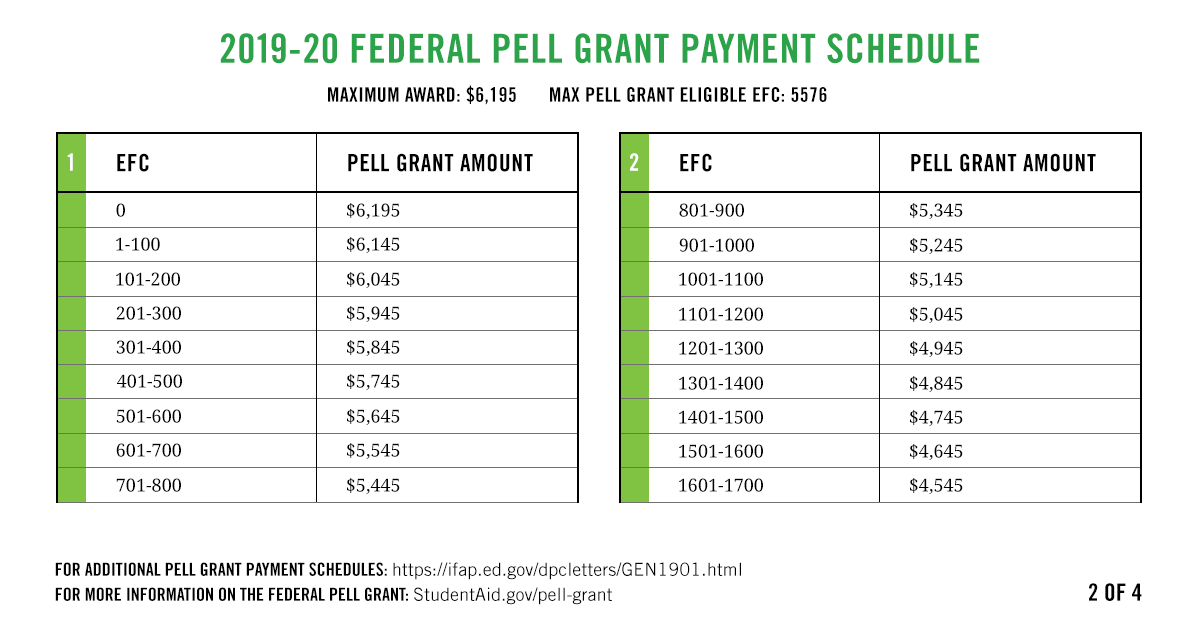
Understanding the Federal Pell Grant Program
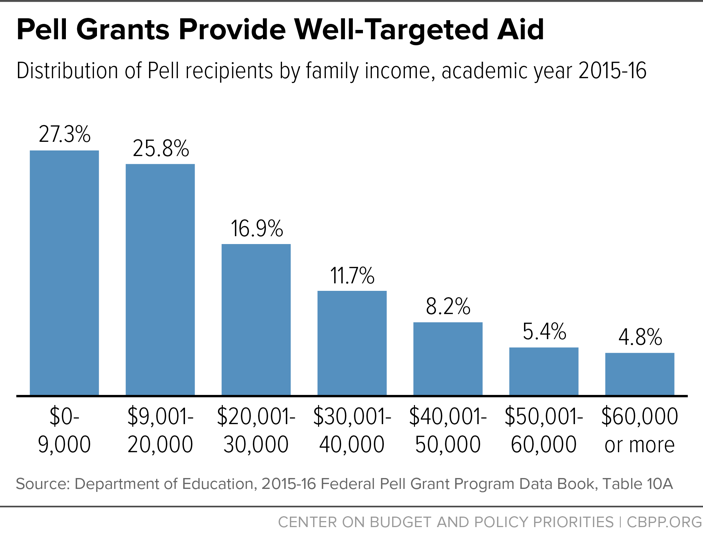
The Federal Pell Grant program stands as a bedrock of federal student aid, specifically engineered to render higher education more accessible to students from low and middle-income backgrounds across the United States. Since its inception in the early 1970s, it has channeled billions of dollars in non-repayable aid, thereby enabling millions of Americans to realize their academic and professional aspirations.
A Foundation for Higher Education Access
At its heart, the Pell Grant program embodies principles of equity and opportunity. It operates on the fundamental belief that financial barriers should never obstruct deserving students from pursuing college or career school education. This grant acts as a foundational award, frequently complementing other forms of financial aid—be it federal, state, institutional, or private—to help cover the comprehensive cost of attendance. For many, a Pell Grant represents the pivotal difference between embarking on a college journey and being compelled to postpone or abandon their educational dreams entirely. It furnishes a baseline of support that significantly alleviates the burden of educational costs, consequently fostering a more educated, skilled, and dynamic workforce. Congress periodically reviews and adjusts the program to reflect prevailing economic conditions and the escalating costs of higher education, thereby striving to maintain its enduring relevance and profound impact.
Who is Eligible for a Pell Grant?
Eligibility for a Federal Pell Grant is predominantly predicated on financial need, although several other stringent criteria must also be fulfilled. Applicants are typically required to be undergraduate students who have not yet secured a bachelor’s or professional degree. Limited exceptions exist for students enrolled in specific post-baccalaureate teacher certification programs. Key eligibility requirements include:
- Demonstrated Financial Need: This is the most critical determinant, assessed through the comprehensive data provided on the Free Application for Federal Student Aid (FAFSA).
- U.S. Citizen or Eligible Non-Citizen: Applicants must fall into one of these designated categories.
- Valid Social Security Number: This is generally mandatory, with specific exceptions for citizens of the Republic of the Marshall Islands, Federated States of Micronesia, or the Republic of Palau.
- High School Diploma or GED: Or successful completion of an equivalent state-recognized homeschooling program.
- Satisfactory Academic Progress (SAP): Students must consistently maintain SAP, as defined by their specific educational institution, to continue receiving federal student aid.
- Enrollment in an Eligible Program: The student must be actively enrolled in a degree or certificate program at an institution deemed eligible for federal aid.
- Not in Default on Federal Student Loans: Nor owe a refund on any previously received federal grant.
Fulfilling these prerequisites sets the stage for consideration, with the ultimate award amount being meticulously calculated based on a specific, multi-faceted formula.
How Pell Grant Eligibility is Determined (FAFSA and SAI)
The essential gateway to accessing any form of federal student aid, including the Federal Pell Grant, is the meticulous completion of the Free Application for Federal Student Aid (FAFSA). This extensive form systematically collects detailed financial information about the student and, where applicable, their parents. For decades, this collected data was utilized to compute an Expected Family Contribution (EFC), a theoretical measure of the financial amount a family was anticipated to contribute towards the student’s education.
However, with the landmark implementation of the FAFSA Simplification Act, the EFC has been officially replaced by the Student Aid Index (SAI). The SAI is also a numerical value derived directly from the FAFSA data, serving as a more refined representation of an applicant’s financial strength and their eligibility for need-based federal student aid. A lower SAI intrinsically indicates a higher degree of financial need. A notable distinction from the EFC is that the SAI can now be a negative number, effectively signifying an even higher level of financial need and potentially qualifying the lowest-income students for greater aid. Subsequently, the institution’s financial aid office employs this calculated SAI, in conjunction with the student’s Cost of Attendance (COA), to precisely determine the actual Pell Grant award.
Deconstructing the Maximum Pell Grant Amount
While the concept of a “maximum” Pell Grant might imply a singular, universal figure, it is imperative to grasp how this amount is established and, crucially, how individual awards can diverge significantly from this ceiling. The maximum Pell Grant amount is not arbitrarily set; rather, it is a carefully calibrated figure determined annually by the United States Congress.
The Current Maximum Pell Grant Figure (and how it’s set)
Each academic year, Congress meticulously appropriates the necessary funds for the Pell Grant program and, concurrently, establishes the maximum allowable award amount. This pivotal figure is shaped by a confluence of economic factors, including prevailing inflation rates, the overarching trajectory of higher education costs, and the dynamic landscape of the federal budget. For the 2023-2024 award year, the maximum Federal Pell Grant stands at $7,395. It is critical for all prospective and current students to recognize that this figure undergoes annual adjustments; therefore, consistently consulting the most current official information from authoritative sources such as Federal Student Aid (studentaid.gov) is essential. This maximum amount functions as an absolute ceiling; no student can receive an award exceeding this figure within a single award year, irrespective of their demonstrated financial need or their institution’s specific cost of attendance. The primary objective of establishing a maximum is to ensure an equitable distribution of available funds across the broadest possible spectrum of eligible students while responsibly managing the overall program budget.
Factors Influencing Your Specific Award Amount
It is a common misconception that students automatically receive the maximum Pell Grant. In reality, your specific award will be a highly personalized calculation, meticulously determined by a confluence of four primary factors:
- Your Student Aid Index (SAI): As previously discussed, this metric serves as the foremost indicator of your financial need. A lower SAI directly correlates with a higher potential Pell Grant award, up to the established annual maximum.
- Your School’s Cost of Attendance (COA): This represents the comprehensive estimated total cost associated with attending a particular educational institution for one full academic year. The COA encompasses tuition and fees, room and board, books and supplies, transportation expenses, and an allowance for personal expenditures.
- Your Enrollment Status: Your classification as a full-time, three-quarter-time, half-time, or less-than-half-time student significantly impacts the size of your Pell Grant. Full-time students typically qualify for 100% of their calculated award, whereas part-time students receive a proportionally pro-rated amount.
- Your Attendance Period: This refers to the specific duration you plan to be enrolled in school during the academic year (e.g., fall, spring, and potentially summer semesters).
These interdependent factors operate in concert to pinpoint the precise amount you will ultimately receive, an amount that may, and often does, fall below the published maximum.
The Role of Cost of Attendance (COA)
The Cost of Attendance (COA) is an unequivocally critical component in the intricate process of determining your Pell Grant award. Each eligible institution independently calculates its own COA, which is designed to reflect the holistic and comprehensive cost of attending that specific school. It extends far beyond mere tuition figures, encompassing a robust estimate of all conceivable educational expenses a student might incur. A higher COA generally creates a larger potential pool for financial aid, as it inherently signifies a greater financial burden placed upon the student. However, it is crucial to understand that your Pell Grant award will never surpass your calculated financial need, nor will it ever exceed the absolute maximum Federal Pell Grant amount for that year, irrespective of how high your COA might be. The COA provides vital context for your financial need, ensuring that the aid awarded is directly relevant to the actual expenses you will encounter. A thorough understanding of your chosen school’s COA is therefore indispensable for accurately assessing your overall financial aid eligibility.
How Student Aid Index (SAI) Replaced EFC
The systemic transition from the Expected Family Contribution (EFC) to the Student Aid Index (SAI) marks a profound and deliberate shift initiated by the FAFSA Simplification Act. This change was implemented with the explicit aim of furnishing a clearer, more transparent, and ultimately more accurate metric for gauging a student’s true financial need.
The EFC, a metric in use for several decades, frequently generated confusion among families because it did not necessarily correspond to the actual amount they would be required to pay out-of-pocket. The SAI, in contrast, has been engineered to serve as a more straightforward and direct index, immediately reflecting an applicant’s financial strength. Key differentiating factors and advantages introduced by the SAI include:
- Potential for Negative SAI: A significant departure from the EFC, the SAI can now register as a negative number (ranging from -1500 to 999,999). This innovation is specifically designed to recognize and highlight the most acute levels of financial need among the lowest-income students, potentially leading to enhanced Pell Grant eligibility for this demographic.
- Refined Calculation Methodology: The SAI calculation incorporates several strategic changes, such as the removal of the number of family members enrolled in college as a factor influencing aid eligibility, alongside updated income protection allowances.
- Streamlined FAFSA Questions: The underlying FAFSA form itself has undergone substantial streamlining, making it considerably easier and quicker for students and families to complete. This simplification effectively reduces common barriers to applying for crucial financial aid.
This pivotal shift is meticulously designed to simplify the often-complex financial aid process and to more precisely target aid towards those individuals demonstrating the most profound need, thereby holding the potential to render higher education genuinely more accessible to a broader cross-section of the population.
Beyond the Maximum: Calculating Your Individual Pell Grant
While the federally mandated maximum Pell Grant establishes the definitive upper limit of potential aid, your actual award is a meticulously precise calculation, uniquely tailored to your individual circumstances. Grasping the underlying formula and the specific factors that influence it is key to accurately anticipating the financial support you might receive.
The Formula in Action: COA – SAI = Financial Need (and its relation to Pell)
The fundamental equation employed for determining a student’s financial need is deceptively straightforward:
Cost of Attendance (COA) – Student Aid Index (SAI) = Financial Need

However, the specific calculation for your Pell Grant award operates under its own distinct set of rules. Your ultimate Pell Grant award will essentially be the lesser of your calculated financial need or the maximum Pell Grant established for that academic year, further adjusted to account for your specific enrollment status.
Consider these illustrative scenarios:
- Scenario A: If the maximum Pell Grant is $7,395, and your institution’s COA is $20,000 with an SAI of 0, your calculated financial need would be $20,000. In this instance, your Pell Grant award would be $7,395 (the maximum allowed).
- Scenario B: If the maximum Pell Grant remains $7,395, but your COA is $10,000 and your SAI is $4,000, your calculated financial need would be $6,000. Here, your Pell Grant award would be $6,000, as this amount is less than the annual maximum.
These examples clearly demonstrate that even in situations of profound financial need, your Pell Grant is capped at the annual maximum. Conversely, if your calculated financial need falls below this maximum, your grant will accurately reflect that lower need.
Enrollment Status and Its Impact
Your specific enrollment status exerts a direct and proportional influence on the amount of your calculated Pell Grant that you ultimately receive.
- Full-time: Students who are enrolled full-time (typically defined as taking 12 or more credit hours per semester or its equivalent) generally receive 100% of their calculated Pell Grant award.
- Three-quarter-time: Students maintaining a three-quarter-time enrollment status (typically 9-11 credit hours) will receive 75% of their calculated Pell Grant.
- Half-time: Those enrolled half-time (typically 6-8 credit hours) are awarded 50% of their calculated Pell Grant.
- Less-than-half-time: Students enrolled for less than half-time (typically 1-5 credit hours) may receive a pro-rated amount, often around 25% of their calculated Pell Grant, although this percentage can vary based on the specific institution and unique circumstances.
It is crucial for students to remain fully aware of their enrollment status, as any alteration to it can directly impact the Pell Grant funds disbursed and could potentially lead to adjustments or even the requirement to repay funds if they were initially disbursed based on an incorrect status.
Lifetime Eligibility Limits (LEU)
While the Pell Grant stands as an indispensable financial resource, it is important to recognize that it is not limitless. There exists a crucial Lifetime Eligibility Used (LEU) limit, a mechanism designed to track the total cumulative Pell Grant funding a student has received throughout their entire academic career. The LEU is precisely measured in percentages. The overarching maximum LEU is fixed at 600%, which is numerically equivalent to 12 semesters or six full years of full-time Pell Grant funding.
Upon reaching the 600% LEU threshold, a student is no longer eligible to receive additional Pell Grant funds, even if they continue to demonstrate financial need or have not yet successfully completed their degree program. Students can diligently monitor their personal LEU by securely logging into their Federal Student Aid account, accessible via studentaid.gov. This inherent limit encourages students to progress towards and complete their degrees efficiently and strategically, simultaneously ensuring that precious federal funds remain available for a broader cohort of students over time. Strategic planning concerning enrollment intensity and course loads can significantly assist students in effectively managing their LEU.
The Broader Impact and Strategic Utilization of Pell Grants
The Federal Pell Grant’s influence extends far beyond merely covering tuition costs; its profound impact reverberates through individual lives and the broader national economy, acting as a potent catalyst for social mobility and a significant alleviator of financial stress.
Reducing Student Loan Debt
One of the most consequential benefits conferred by the Pell Grant is its inherently non-repayable nature. For students who successfully qualify, this grant directly diminishes the amount of money they are compelled to borrow to finance their educational pursuits. In an era marked by an escalating crisis of student loan debt across the United States, any infusion of grant aid is immeasurably valuable. By mitigating reliance on student loans, Pell Grants empower graduates to embark on their professional careers with substantially less financial encumbrance, affording them the liberty to pursue vocations driven by passion rather than being solely dictated by salary demands necessary to service debt. This freedom can foster greater innovation, encourage entrepreneurship, and contribute to overall economic stability for both individuals and their respective communities. Furthermore, it establishes a critical financial safety net for students who might otherwise be unable to afford the initial investment in higher education without incurring potentially crippling debt.
Expanding Educational Opportunities
Beyond offering immediate financial relief, Pell Grants serve as an exceptionally powerful instrument for the expansion of educational opportunities, particularly for first-generation college students and individuals originating from underserved communities. By rendering higher education more genuinely affordable, the program effectively opens doors to prestigious institutions and specialized academic programs that might otherwise remain entirely out of reach. This enhanced access is not solely about matriculating into college; it is fundamentally about acquiring vital skills, knowledge, and credentials that invariably lead to superior employment prospects, higher lifetime earnings, and an overall enhanced quality of life. The grant frees students to concentrate more intensely on their academic endeavors and less on the pervasive worry of how they will finance their education, thereby cultivating greater academic success and fostering profound personal growth. Ultimately, it contributes significantly to cultivating a more diverse and inclusive student body, enriching the educational experience for all participants and, by extension, strengthening the very fabric of society.
Maximizing Your Grant: Tips and Best Practices
To optimally leverage your Federal Pell Grant and ensure you receive the maximum possible benefit, consider adhering to these essential tips and best practices:
- Apply Early: Complete and submit your FAFSA as soon as it becomes available (October 1st each year) to ensure you meet all federal, state, and institutional deadlines. Critically, some aid funds are awarded on a first-come, first-served basis.
- Ensure Accuracy: Meticulously double-check all information furnished on your FAFSA. Even minor errors can cause significant delays in receiving your aid or, worse, result in a lower award than you are genuinely eligible for.
- Understand Your COA: Gain a crystal-clear understanding of your chosen school’s comprehensive Cost of Attendance. This crucial insight will empower you to effectively plan for any remaining expenses that your Pell Grant may not fully cover.
- Maintain Satisfactory Academic Progress (SAP): Be acutely aware that your institution will have specific policies regarding academic performance, including minimum grade point averages and course completion rates. Failure to meet these SAP standards can jeopardize your eligibility for future federal aid.
- Consider Enrollment Status: Whenever feasible, enroll full-time to qualify for the maximum calculated Pell Grant for which you are eligible. If part-time enrollment is necessary, fully comprehend the pro-rated amount you will receive.
- Monitor Your LEU: Regularly check your Lifetime Eligibility Used to strategically plan your academic trajectory and prevent premature exhaustion of your eligibility.
- Communicate with Financial Aid: If your financial circumstances undergo a significant change (e.g., job loss, unexpected medical expenses, changes in family structure), promptly contact your school’s financial aid office. They may be able to reassess your demonstrated need and adjust your aid package accordingly.
Navigating the Application Process and Future Outlook
Successfully applying for and subsequently receiving a Federal Pell Grant necessitates both diligence and a thorough understanding of the procedural steps involved. Moreover, remaining abreast of potential future developments and legislative changes concerning the program is equally crucial for informed decision-making.
The Importance of the Free Application for Federal Student Aid (FAFSA)
The FAFSA is far more than a mere bureaucratic form; it serves as the singular, indispensable gateway to virtually all federal, and often state and institutional, financial aid opportunities. It acts as the consolidated application for the Pell Grant, federal student loans, federal work-study programs, and various other grants. Consequently, the completion of the FAFSA is an absolute prerequisite for any consideration for a Pell Grant.
With the recent enactment of the FAFSA Simplification Act, the form has undergone significant and purposeful revisions, all designed to enhance its user-friendliness and overall accessibility. Notably, it now incorporates a direct data exchange mechanism with the IRS for income information, substantially reducing the necessity for manual input and, by extension, minimizing the propensity for errors. Notwithstanding these welcome improvements, students and their families should still allocate dedicated time to complete the form with utmost care, ensuring that all requisite documentation (such as tax returns, bank statements, and investment records) is readily available. A complete, accurate, and timely submitted FAFSA forms the fundamental bedrock upon which your comprehensive financial aid eligibility, including your Pell Grant, is meticulously constructed.
Key Deadlines and What to Expect After Applying
When applying for federal student aid, there are three distinct yet critical deadlines that applicants must be mindful of:
- Federal Deadline: This represents the absolute final day by which the FAFSA must be submitted to be considered for federal aid. While late, it still permits consideration for federal programs like Pell.
- State Deadline: Many individual states impose their own specific deadlines for state-sponsored financial aid programs. These deadlines are often considerably earlier than the federal deadline.
- Institutional Deadline: Each college or university may establish its own preferred or priority deadline for financial aid applications. Meeting these institutional deadlines can significantly impact your eligibility for specific institutional grants and scholarships.
It is universally recommended to submit the FAFSA as close to its opening date (October 1st each year) as practically possible. This proactive approach maximizes your chances of securing all available aid.
Following the successful submission of your FAFSA, you will receive a FAFSA Submission Summary (FSS), which has replaced the previously used Student Aid Report (SAR). The FSS will meticulously confirm the information you provided and will prominently display your calculated Student Aid Index (SAI). Subsequently, your information will be electronically transmitted to all the educational institutions you listed on your application. Each school’s financial aid office will then utilize your SAI in conjunction with their specific Cost of Attendance to determine your comprehensive eligibility for various aid programs, including the Federal Pell Grant. Finally, they will issue you an official financial aid offer letter, which will explicitly detail your specific Pell Grant award and any other forms of aid for which you are eligible to receive.
Future Trends and Potential Changes to Pell Grant Funding
The Federal Pell Grant program is subject to continuous legislative review and annual budgetary appropriations by Congress. Consequently, future changes to its structure and funding are always a possibility and may include:
- Increased Maximum Award: There is often broad bipartisan support for advocating for increases to the maximum Pell Grant award. This push aims to ensure the grant keeps pace with the relentlessly rising costs of higher education. Advocacy groups consistently champion higher funding levels.
- Expansion of Eligibility: Ongoing discussions occasionally arise regarding broadening eligibility to encompass specific short-term training programs or to include incarcerated students, thereby further extending access to educational opportunities.
- Program Simplification: Continued initiatives to streamline the FAFSA and the overall financial aid application process are anticipated, building upon the foundational work of the recent FAFSA Simplification Act.
- Budgetary Pressures: Like all federal programs, Pell Grants are inherently susceptible to prevailing federal budget constraints, which can exert a direct influence on future funding levels.
Staying meticulously informed about legislative developments and policy changes through official sources, such as the Department of Education and Federal Student Aid websites, will remain absolutely crucial for students and families as they plan for their educational futures. Regardless of any future adjustments, the Federal Pell Grant is unequivocally expected to maintain its status as a cornerstone of federal student aid, steadfastly striving to ensure that financial need does not impede the educational attainment and success of millions of Americans.
aViewFromTheCave is a participant in the Amazon Services LLC Associates Program, an affiliate advertising program designed to provide a means for sites to earn advertising fees by advertising and linking to Amazon.com. Amazon, the Amazon logo, AmazonSupply, and the AmazonSupply logo are trademarks of Amazon.com, Inc. or its affiliates. As an Amazon Associate we earn affiliate commissions from qualifying purchases.