
In the dynamic world of personal finance, understanding your credit score is paramount. It’s a three-digit number that acts as a financial report card, influencing everything from loan approvals to interest rates, and even rental applications. But beyond the general understanding of what a credit score is, a crucial question often arises for those striving for financial excellence: What is the max credit score you can have?
This isn’t just about hitting a magic number; it’s about unlocking doors to more favorable financial opportunities, saving money over time, and building a robust personal brand that signals financial responsibility. While the exact maximum might seem straightforward, the journey to achieving it, and what it truly signifies, is a nuanced blend of consistent financial discipline, strategic financial management, and an understanding of how different financial ecosystems operate.

The concept of a “perfect” credit score is often discussed, and while such a designation can be aspirational, it’s important to understand the scoring models themselves. The most widely used credit scoring models in the United States are the FICO® Score and the VantageScore. Both are designed to predict the likelihood of a borrower repaying a debt. While they have slight differences in their algorithms, they generally operate on similar principles and often yield very close scores.
The Pinnacle of Creditworthiness: Understanding the Max Score
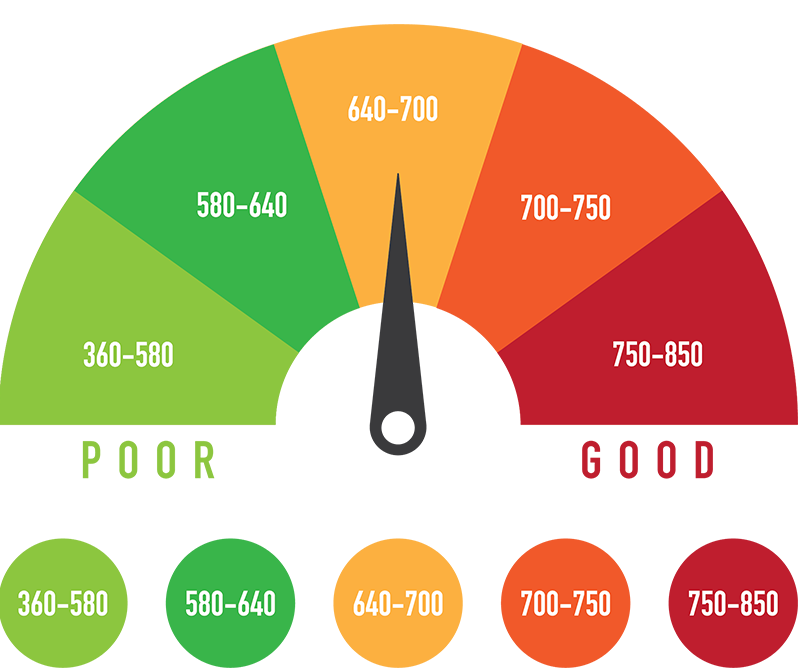
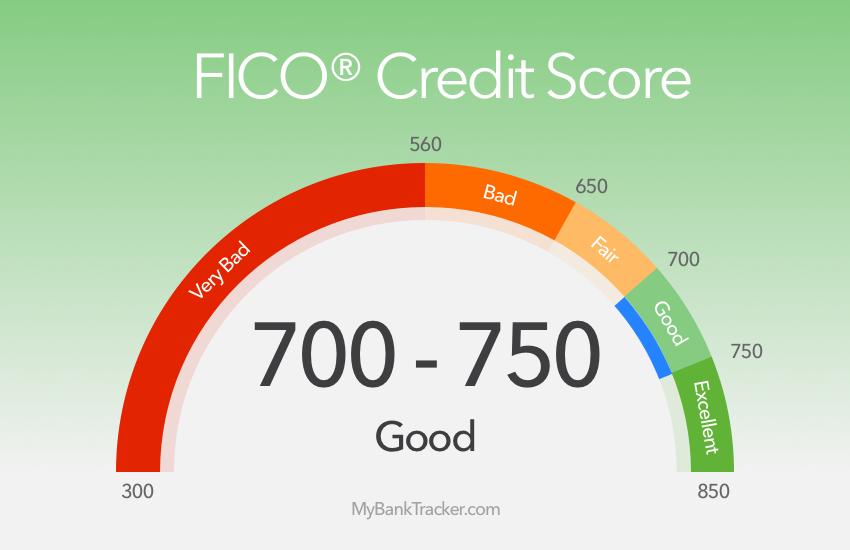
When we talk about the “max credit score,” we are referring to the highest possible score within the established scoring models. For both FICO and VantageScore, the highest possible score is 850. This is the theoretical ceiling, a benchmark that signifies exceptional creditworthiness. Achieving an 850 credit score is not common; it represents a level of financial behavior that is virtually flawless.
What Does an 850 Credit Score Truly Mean?
An 850 credit score is more than just a number; it’s a testament to a long history of responsible financial management. Individuals who possess such a score have demonstrated an unwavering commitment to:
- Perfect Payment History: Every single debt obligation, from credit cards to mortgages, has been paid on time, every time. There are no late payments, no defaults, and no collections.
- Low Credit Utilization: This refers to the amount of credit you are using compared to your total available credit. Individuals with top-tier scores typically keep their credit utilization ratio very low, often below 10%. This signals to lenders that you are not heavily reliant on credit and have ample room to borrow if needed.
- Long Credit History: The longer your credit accounts have been open and in good standing, the more positively it impacts your score. A lengthy history of responsible borrowing provides lenders with more data to assess your risk.
- Diverse Credit Mix: While not as impactful as payment history or utilization, having a healthy mix of credit types (e.g., credit cards, installment loans like mortgages or auto loans) can be beneficial. It shows you can manage different forms of credit responsibly.
- Limited New Credit Applications: Opening too many new credit accounts in a short period can signal risk to lenders, as it might suggest financial distress. Individuals with the highest scores generally apply for new credit judiciously.
Possessing an 850 credit score doesn’t mean you have an unlimited credit line or that you are immune to all financial scrutiny. It simply means that when lenders evaluate your credit risk, you present the lowest possible risk profile. This can translate into significant financial advantages.
The Tangible Benefits of Reaching the Summit
Achieving the maximum credit score of 850 unlocks a suite of powerful benefits that can dramatically improve your financial life. These advantages extend far beyond simply getting approved for a loan; they are about optimizing your financial journey and enhancing your overall financial well-being.
Unlocking Premium Financial Opportunities
- The Best Interest Rates: This is perhaps the most significant advantage. With an 850 credit score, you are virtually guaranteed to receive the lowest available interest rates on mortgages, auto loans, personal loans, and even credit cards. Over the life of a mortgage or a large loan, this can translate into tens of thousands of dollars saved. For example, a 1% difference in interest rate on a 30-year mortgage can save you over $50,000.
- Effortless Loan Approvals: While approvals are never 100% guaranteed (lenders still consider income, debt-to-income ratio, etc.), an 850 credit score makes loan applications a breeze. Lenders see you as a highly reliable borrower, reducing the need for extensive underwriting or collateral in some cases.
- Higher Credit Limits: Lenders are more willing to extend larger credit lines to individuals with perfect credit. This can provide greater financial flexibility for significant purchases or emergencies, though it’s crucial to maintain responsible utilization even with higher limits.
- Favorable Insurance Premiums: In many states, insurance companies (auto, home) use credit-based insurance scores as a factor in determining premiums. A higher credit score can lead to lower insurance costs.
- Easier Rental Applications: Landlords often check credit scores to assess a prospective tenant’s reliability in paying rent. An 850 score makes you a highly desirable tenant, often eliminating the need for a larger security deposit or a co-signer.
- Better Terms on Other Financial Products: This can include more competitive rates on savings accounts, certificates of deposit (CDs), and even better terms on cell phone plans or utility services, where a security deposit might otherwise be required.
Building a Powerful Personal Brand
Beyond the direct financial savings, a high credit score contributes significantly to your personal brand. In today’s interconnected world, where digital footprints and reputation matter, your financial health is an integral part of your overall image.
- Signals of Responsibility and Discipline: A high credit score is a universally recognized indicator of financial responsibility, discipline, and trustworthiness. This perception can extend to other areas of your life, influencing how employers, business partners, and even peers view your reliability.
- Enhanced Credibility in Business: If you’re involved in entrepreneurship or aspire to be, a strong credit score can be a valuable asset. It can make it easier to secure business loans, attract investors, and negotiate favorable terms with suppliers. It signals that you are a sound financial manager, a quality highly sought after in the business world.
- Foundation for Future Investments: For those looking to build wealth through investing, a solid credit score provides the financial foundation. Whether it’s leveraging home equity for investments or securing favorable terms for business ventures, a high credit score reduces the cost of capital, allowing your investments to grow more effectively.
The Journey to 850: Strategies for Credit Mastery
While reaching an 850 credit score is a significant achievement, the journey there is paved with consistent, deliberate actions. It’s not about a single grand gesture but rather the accumulation of good financial habits over time. Here are the key pillars to building and maintaining a top-tier credit score:
1. Impeccable Payment Habits: The Non-Negotiable Foundation
This is the single most important factor influencing your credit score, accounting for approximately 35% of your FICO score.
- Pay Bills on Time, Every Time: Set up automatic payments for all your bills, including credit cards, loans, mortgages, and even utilities. If you prefer manual payments, use calendar reminders or budgeting apps to ensure you never miss a due date.
- Understand Grace Periods: Be aware of the grace period on your credit cards. While you may have a few days after the due date to pay without incurring a late fee, a payment is typically considered late by credit bureaus if not received by the due date.
- Address Delinquencies Immediately: If you do miss a payment, address it as soon as possible. The sooner you bring the account current, the less severe the impact on your score. Contact the lender to explain your situation and see if they offer any hardship programs.
2. Mastering Credit Utilization: The Art of Smart Borrowing
Credit utilization makes up about 30% of your FICO score. Keeping this ratio low is critical.
- Keep Balances Low: Aim to keep your credit card balances at or below 30% of your credit limit. For optimal results, aim for under 10%.
- Pay Down Balances Strategically: If you have multiple cards with high balances, focus on paying down one at a time, starting with the card that has the highest interest rate (the debt snowball method) or the smallest balance (the debt avalanche method, often more financially beneficial for interest savings).
- Don’t Max Out Cards: Even if you can pay off the balance in full by the due date, maxing out a card temporarily can negatively impact your score.
- Consider Requesting Credit Limit Increases: If you have a history of responsible payment on a card, requesting a credit limit increase can lower your utilization ratio, provided you don’t increase your spending to match the new limit.
3. Cultivating a Long and Healthy Credit History
The length of your credit history contributes about 15% to your FICO score.
- Keep Old Accounts Open: Unless there’s a compelling reason (like an annual fee you can’t justify), keep your oldest credit accounts open, even if you don’t use them often. Closing an old account can reduce your average age of accounts and potentially lower your credit utilization if it was a card with a high credit limit.
- Use Old Cards Periodically: To prevent them from being closed by the issuer due to inactivity, make small, occasional purchases on your older cards and pay them off immediately.
4. Diversifying Your Credit Portfolio
Credit mix accounts for about 10% of your FICO score.
- Demonstrate Responsible Management of Different Credit Types: Having a mix of revolving credit (credit cards) and installment loans (mortgages, auto loans, personal loans) can be beneficial. However, this factor is less impactful than payment history and credit utilization. Do not open new accounts solely for the purpose of diversifying your credit mix if you don’t genuinely need them.
5. Judiciously Applying for New Credit
Inquiries from new credit applications contribute about 10% to your FICO score, and their impact diminishes over time.
- Apply Only When Necessary: Avoid applying for new credit unless you have a specific need.
- Shop Around for Rates: When you do need to apply for a loan or credit card, compare offers from multiple lenders within a short period. Credit scoring models typically treat multiple inquiries for the same type of loan (e.g., mortgage or auto loan) within a specific timeframe as a single shopping experience, minimizing the negative impact.
The Reality of the “Perfect” Score
While 850 is the theoretical maximum, it’s important to acknowledge that achieving and maintaining this exact score can be challenging, and for many, unnecessary. The difference in benefits between a score of, say, 800 and 850 is often minimal, if not negligible, in the eyes of most lenders. Many lenders consider scores above 740 to be excellent, and scores above 800 to be exceptional.
The true value lies in consistently demonstrating responsible financial behavior. Focusing on the fundamental principles of paying bills on time, keeping credit utilization low, and managing your credit history wisely will naturally lead to a high credit score, regardless of whether it hits the absolute ceiling of 850.
In conclusion, the maximum credit score you can have is 850. It represents the pinnacle of creditworthiness, offering unparalleled financial advantages and serving as a powerful component of your personal financial brand. While the pursuit of this perfect score is a worthy endeavor, the real reward comes from embracing the financial discipline that underpins it, a discipline that will serve you well throughout your financial life. By understanding the factors that influence your credit score and consistently applying sound financial practices, you can confidently navigate the financial landscape and unlock the many doors that a strong credit history can open.
aViewFromTheCave is a participant in the Amazon Services LLC Associates Program, an affiliate advertising program designed to provide a means for sites to earn advertising fees by advertising and linking to Amazon.com. Amazon, the Amazon logo, AmazonSupply, and the AmazonSupply logo are trademarks of Amazon.com, Inc. or its affiliates. As an Amazon Associate we earn affiliate commissions from qualifying purchases.