
In the dynamic and often ephemeral world of television, where shows come and go with alarming speed, the concept of longevity is a rare and highly coveted achievement. Beyond mere entertainment, a television series that spans decades transforms into something far more significant: a cultural institution, a daily ritual for millions, and above all, a powerful brand. Understanding what enables a show to not only survive but thrive for generations offers invaluable insights into brand strategy, audience engagement, and the art of perpetual relevance. As we delve into the question of the longest-running TV show still airing in 2023, we’re not just identifying a title; we’re uncovering a masterclass in sustained branding.

While various genres boast impressive tenures – from news programs like Meet the Press (since 1947) to talk shows like The Tonight Show (since 1954) – the query often implicitly refers to a scripted narrative series. In this realm, where character arcs, plotlines, and intricate worlds are painstakingly built and maintained, one name stands out among the giants of television history: General Hospital. Debuting on April 1, 1963, this iconic daytime drama has captivated audiences for over six decades, cementing its status as the longest-running American soap opera and one of the longest-running scripted television series in the world still in production. Its remarkable endurance is a testament not just to compelling storytelling, but to a meticulously managed, continuously evolving brand that has defied shifting media landscapes and retained a loyal following.
The Unrivaled Legacy: Identifying the Enduring Television Brand
The television industry is a graveyard of promising concepts and short-lived hits. For a show to survive past its first season is an achievement; to last for multiple decades is nothing short of miraculous. When we identify the longest-running series, we are pinpointing a brand that has demonstrated unparalleled resilience and strategic foresight.
The Contenders: A Glimpse at Television’s Marathon Runners
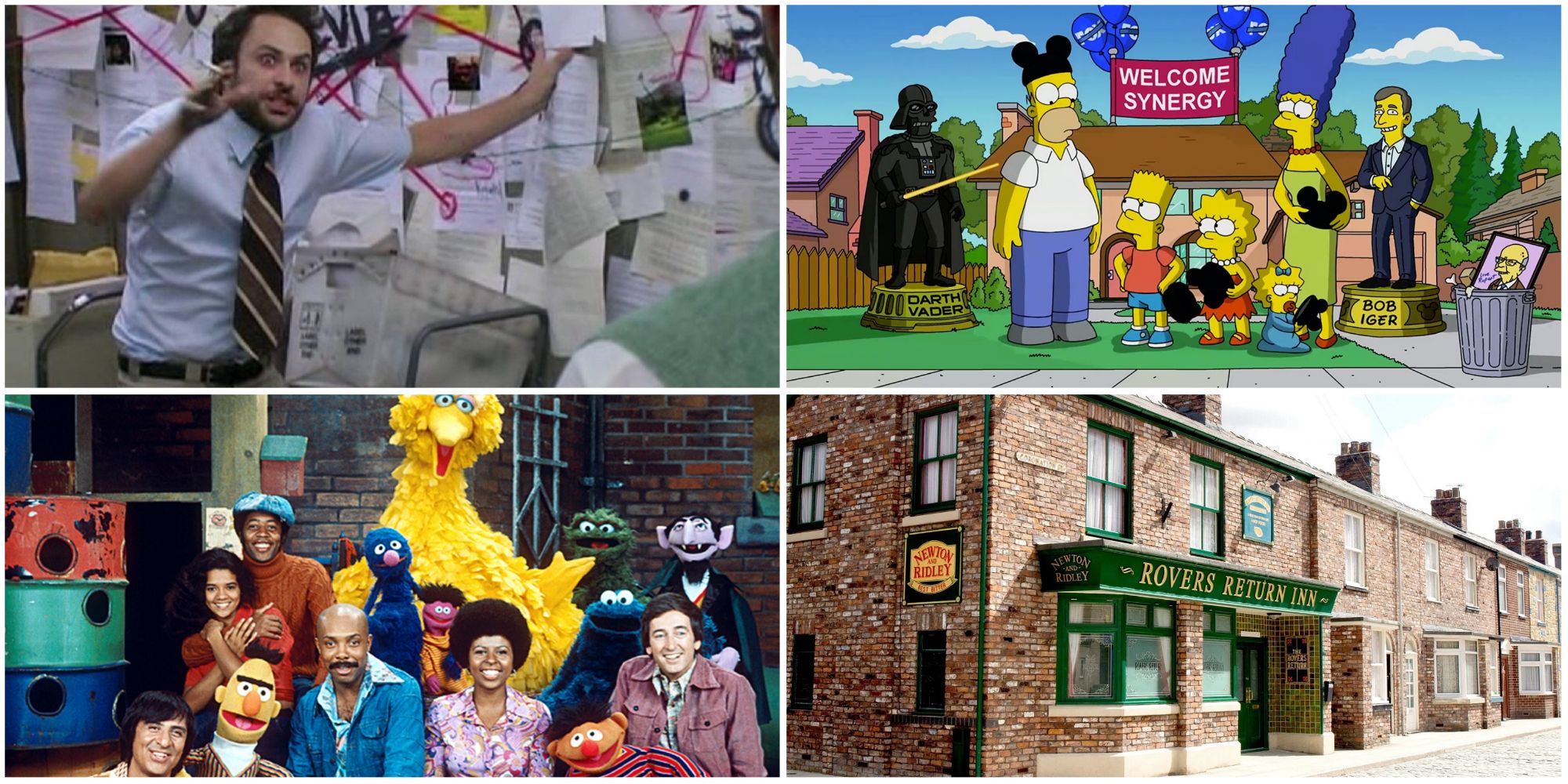
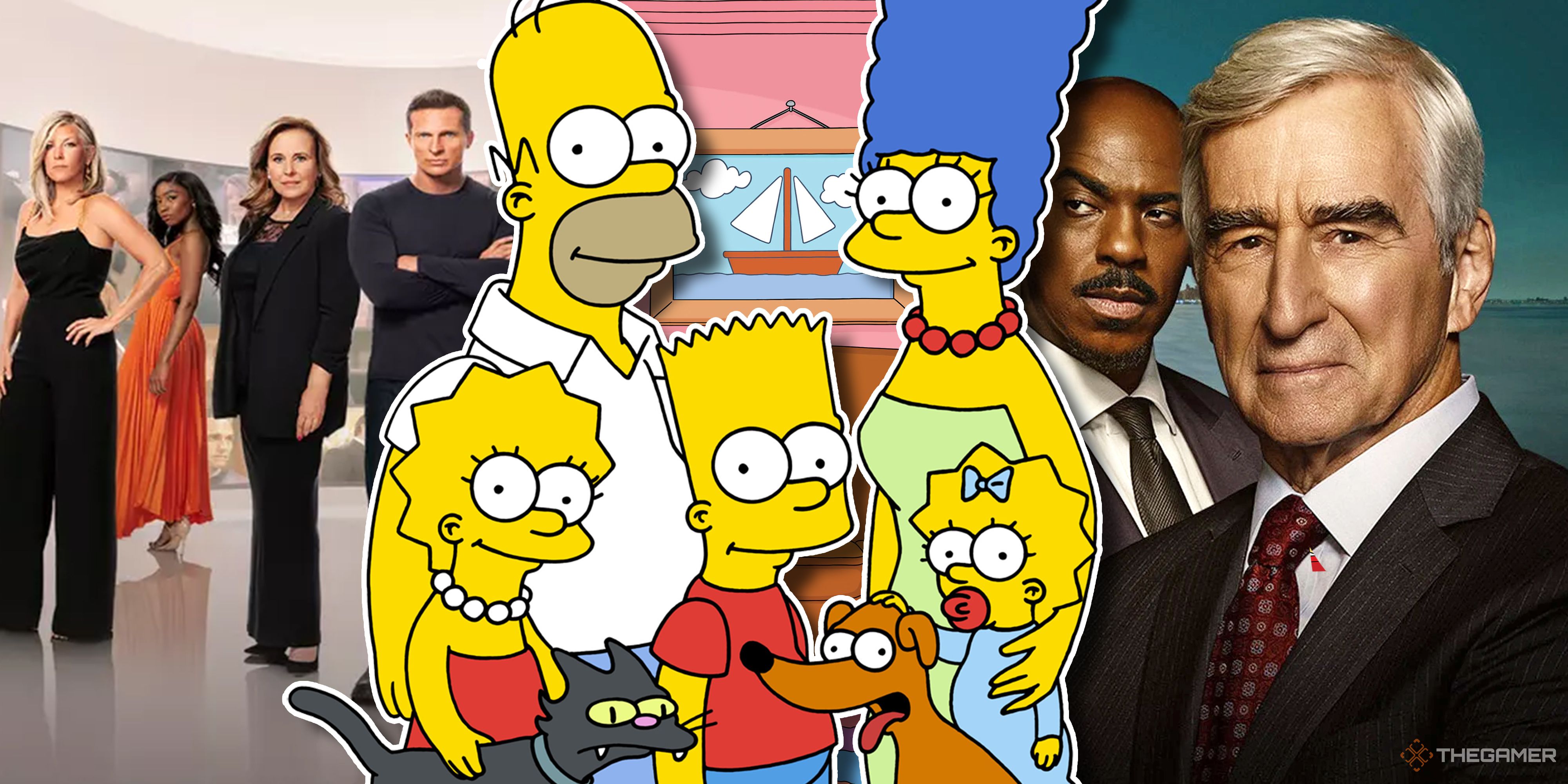
Before crowning General Hospital, it’s important to acknowledge other notable contenders that have etched their names in the annals of television longevity. Iconic animated series like The Simpsons (premiered 1989) have become global cultural touchstones, showcasing the power of consistent character branding and irreverent humor. Other daytime dramas, such as Days of Our Lives (premiered 1965) and The Young and the Restless (premiered 1973), also boast incredible runs, creating intricate, generational sagas that have held audiences captive for half a century. Each of these represents a brand that has mastered the art of continuous storytelling and audience retention within their respective niches. Yet, General Hospital‘s run, now over 60 years strong, offers a prime example of a brand that has not just endured but consistently reinvented itself while holding true to its core identity. Its original premise, centered around the lives and loves of doctors and nurses in a fictional hospital in Port Charles, New York, has expanded to encompass crime, adventure, and high-stakes drama, always with the human condition at its core.
And The Winner Is… A Deep Dive into General Hospital‘s Brand DNA
General Hospital‘s enduring success is intrinsically linked to its robust brand identity. At its heart, the show’s brand promises an escape into a world of heightened emotion, complex relationships, and moral dilemmas, all underpinned by themes of love, loss, family, and redemption. This core promise has remained consistent, even as characters come and go, and storylines evolve. The show built its brand on a foundation of compelling melodrama, creating archetypal characters that viewers could invest in deeply. From the iconic supercouples like Luke and Laura to the morally ambiguous villains and selfless heroes, the show has cultivated a cast of characters whose personal brands are deeply intertwined with the overall show’s brand. This symbiotic relationship between character brands and the overarching series brand has been a critical factor in maintaining viewer loyalty and drawing new audiences across generations. Its commitment to addressing contemporary social issues, albeit through a dramatic lens, has also allowed the brand to remain relevant and resonant with its audience, reflecting societal changes without losing its distinctive flavor.
Crafting Longevity: The Pillars of an Enduring Television Brand
The journey of an enduring television brand like General Hospital is not one of static preservation, but of continuous, strategic evolution. Its longevity is built upon several foundational pillars that are directly applicable to any brand aiming for sustained market presence.
Consistent Brand Identity and Narrative Evolution
The paradox of long-running brands is the need to remain consistent while constantly changing. General Hospital excels at this tightrope walk. Its brand identity is rooted in its dramatic realism, intricate character relationships, and the high emotional stakes of a hospital setting. This identity has been meticulously maintained, giving viewers a comforting familiarity. However, to avoid becoming stale, the narrative has consistently evolved. Storylines adapt to current events, societal norms, and emerging cultural trends, ensuring the show feels contemporary while still honoring its rich history. This includes introducing new generations of characters, revisiting legacy families, and exploring themes that resonate with modern audiences, from medical ethics to corporate espionage. The brand understands that its core promise must be delivered through fresh, engaging content, preventing brand fatigue and keeping its narrative fresh for decades. This balancing act ensures that while the specific details change, the emotional core and brand essence remain intact, offering both novelty and reassurance to its loyal audience.
Deep Audience Engagement and Community Building
A truly enduring brand fosters a community, not just a customer base. For General Hospital, the audience is not merely passive viewers but an active, engaged community that has grown alongside the show. Decades before social media, fan clubs, newsletters, and conventions were instrumental in building this fervent loyalty. Today, digital platforms amplify this engagement, providing avenues for fans to discuss storylines, speculate on plot twists, and connect with actors. The show’s brand strategy has always prioritized this connection, recognizing that the emotional investment of its audience is its most valuable asset. Actors frequently interact with fans, and storylines often reflect audience feedback, whether directly or indirectly. This symbiotic relationship creates a sense of ownership and belonging, transforming viewers into brand advocates who are deeply invested in the show’s future. This level of community building is a cornerstone of brand longevity, demonstrating that when a brand genuinely connects with its audience, it builds an unshakeable foundation of loyalty.
Adaptability and Reinvention in a Dynamic Media Landscape
The media landscape has undergone seismic shifts since General Hospital first aired. From black-and-white broadcasts to color television, VCRs, cable, satellite, and now the era of streaming and on-demand content, the methods of consuming television have been radically transformed. General Hospital‘s brand has successfully navigated each of these transitions. It adapted its production values, pacing, and storytelling techniques to meet evolving viewer expectations. More critically, it embraced new distribution channels, ensuring its availability across various platforms. While still airing daily on traditional broadcast television, its episodes are readily available on streaming services, reaching new demographics and catering to modern viewing habits. This strategic adaptability showcases a brand unwilling to be constrained by tradition, constantly seeking new ways to reach and retain its audience without compromising its core identity. Its ability to reinvent elements of its presentation and accessibility, while maintaining its narrative integrity, is a powerful lesson for any brand facing disruptive technological or market changes.
The Business of Forever: Brand Value and Economic Impact
The longevity of a brand like General Hospital isn’t just a testament to creative endurance; it’s a significant economic powerhouse. The sustained presence of such a brand translates into substantial financial value and a continuous stream of revenue beyond the initial broadcast.
Monetization Strategies Beyond the Broadcast
For General Hospital, like many long-running series, the initial broadcast is just one facet of its monetization strategy. Syndication rights, both domestically and internationally, have historically provided a steady revenue stream, allowing the brand to reach new audiences and generate income long after original airing. The extensive library of episodes represents a valuable intellectual property asset, ripe for licensing. More recently, the transition to digital platforms has opened up new avenues for revenue, including streaming subscriptions, digital rentals, and ad-supported viewing on various online channels. The brand also leverages its popularity through ancillary products and experiences. While perhaps not as prolific as blockbuster movie franchises, merchandise, cast appearances, and fan events contribute to brand engagement and direct revenue generation. This multi-faceted approach to monetization ensures financial viability, allowing the show to continue investing in its production and talent, thus perpetuating its cycle of success.
Brand Equity: Attracting New Generations and Advertisers
The sheer length of General Hospital‘s run has endowed it with immense brand equity. This equity is a cumulative value built on decades of consistent quality, emotional resonance, and cultural relevance. For advertisers, associating with a brand that has such deep roots and a dedicated, multi-generational audience is incredibly appealing. It offers a stable, proven platform for reaching a demographic that spans ages and walks of life. The show’s established reputation and built-in viewership minimize advertising risk, making it a reliable choice in a fragmented media landscape. Moreover, this brand equity is crucial for attracting new generations of viewers. Children of long-time fans often grow up with the show, inheriting a familial connection to its characters and storylines. This intergenerational appeal is not accidental; it’s a direct result of consistent branding, compelling character development, and narrative threads that often span decades, allowing new viewers to connect with a rich, pre-existing universe. The brand, therefore, becomes self-perpetuating, drawing new adherents through its established legacy and enduring cultural footprint.
Protecting and Expanding the Franchise: Spin-offs, Merch, and Digital Presence
An enduring brand is not static; it seeks opportunities for strategic expansion. While General Hospital has seen fewer direct spin-offs than some other franchises, its universe has occasionally expanded through related series (Port Charles) and character crossovers, testing the waters for brand extension. The true expansion in the modern era lies in its digital footprint. Maintaining a robust official website, active social media channels, and engaging with fan-generated content are all critical to protecting and growing the brand’s presence in the digital sphere. These platforms serve as vital communication channels, allowing the brand to control its narrative, promote upcoming storylines, and directly engage with its fan base. Furthermore, the show’s deep history provides a wealth of archival content – classic episodes, behind-the-scenes footage, and character retrospectives – which can be monetized and used to deepen fan engagement, effectively expanding the brand’s reach and value through its own rich past.
Lessons from the Long Haul: Branding Principles for Any Industry
The remarkable longevity of a television brand like General Hospital offers universal lessons applicable to any business striving for sustained success in a competitive market. These principles transcend the entertainment industry, providing a roadmap for building an enduring brand in any sector.
The Power of Authenticity and Emotional Connection
At its core, General Hospital‘s enduring appeal lies in its authentic portrayal of human emotions and relationships. Its characters, despite their dramatic lives, grapple with universal themes that resonate deeply with viewers. Any brand seeking longevity must cultivate a similar authenticity, creating an emotional connection with its audience. This means understanding and addressing the fundamental needs, desires, and values of your customer base, offering solutions or experiences that resonate on a deeper level than mere transactional exchanges. Brands that succeed in building this genuine, emotional rapport foster fierce loyalty, transforming customers into dedicated advocates who feel a personal stake in the brand’s journey. It’s about more than just selling a product or service; it’s about selling a feeling, a promise, or a shared identity.
Strategic Adaptation vs. Dilution
The ability to adapt without losing one’s essence is perhaps the most critical lesson from long-running brands. General Hospital has consistently evolved its storylines, characters, and production methods to remain relevant, yet it has never abandoned its core identity as a dramatic exploration of human relationships in a hospital setting. For any brand, this means understanding the difference between strategic adaptation and brand dilution. Adaptation involves thoughtfully integrating new technologies, market trends, or consumer preferences while reinforcing core brand values. Dilution, conversely, occurs when a brand chases every trend, loses its distinct voice, or deviates too far from its original promise, confusing its audience and eroding its unique positioning. The key is to evolve with purpose, ensuring that every change strengthens, rather than weakens, the brand’s foundational appeal.
Building a Legacy: The Long-Term Vision
Finally, the journey of General Hospital underscores the importance of a long-term vision in branding. Longevity is not achieved by focusing solely on quarterly results or fleeting trends, but by meticulously building a legacy. This involves consistent investment in brand identity, quality content (or products/services), and audience relationships over decades. A brand with a long-term vision makes strategic decisions that prioritize enduring value over immediate gratification, understanding that true success is measured in generations, not just years. It’s about creating something that transcends its original context, embedding itself in culture, and becoming a trusted, beloved part of people’s lives. This commitment to building a lasting legacy ensures that the brand remains relevant, respected, and resilient against the inevitable tides of change, proving that with strategic intent and unwavering dedication, some brands truly can last forever.
aViewFromTheCave is a participant in the Amazon Services LLC Associates Program, an affiliate advertising program designed to provide a means for sites to earn advertising fees by advertising and linking to Amazon.com. Amazon, the Amazon logo, AmazonSupply, and the AmazonSupply logo are trademarks of Amazon.com, Inc. or its affiliates. As an Amazon Associate we earn affiliate commissions from qualifying purchases.