
The rapid spread of influenza, particularly the highly transmissible Flu A virus, is a constant concern for public health and a significant disruptor in professional environments. Understanding the incubation period of Flu A is not just a matter of medical curiosity; it’s a critical factor in containment strategies, workforce management, and the effective deployment of technological solutions aimed at mitigating outbreaks. In the realm of technology, this knowledge informs the development of predictive models, early warning systems, and health-monitoring applications that can help organizations and individuals navigate seasonal flu seasons more effectively.
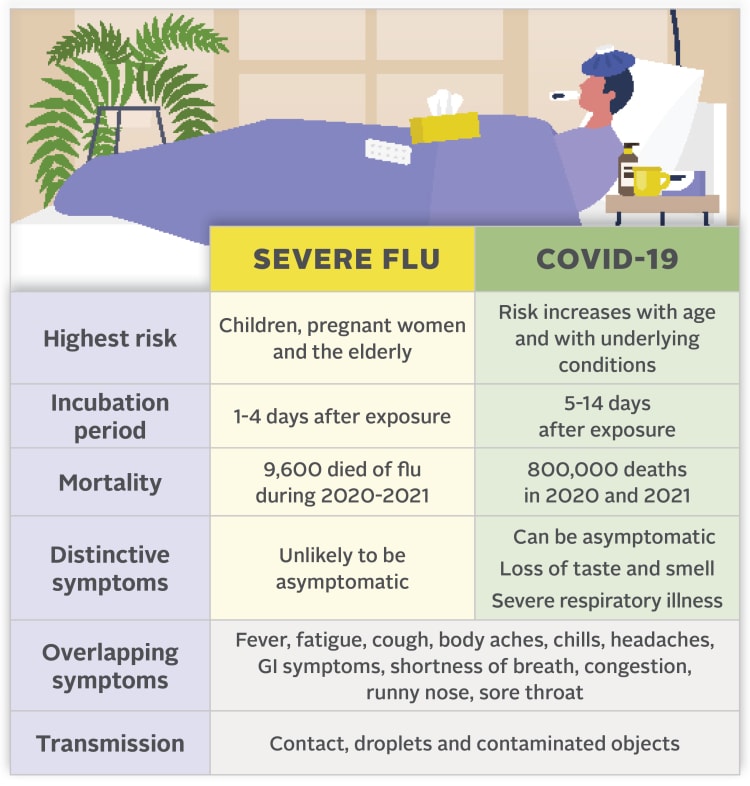
The incubation period for an infectious disease refers to the time elapsed between the initial infection and the onset of symptoms. For Flu A, this window is a crucial determinant of how quickly the virus can spread undetected, allowing infected individuals to unknowingly transmit it to others before they even realize they are sick. This understanding is vital for the tech industry, which relies heavily on data, predictive analytics, and proactive measures to address challenges. By dissecting the incubation period, we can better design and implement technological tools that support public health initiatives and organizational continuity.
Understanding the Fundamentals of Flu A Incubation
The Flu A virus, a type of orthomyxovirus, is responsible for seasonal epidemics and, occasionally, pandemics. Its incubation period is a dynamic range influenced by various factors, making precise prediction challenging but understanding the general timeline essential. Technological advancements have enabled us to track and model these variations more effectively, providing actionable insights.
The Typical Timeline of Flu A Infection
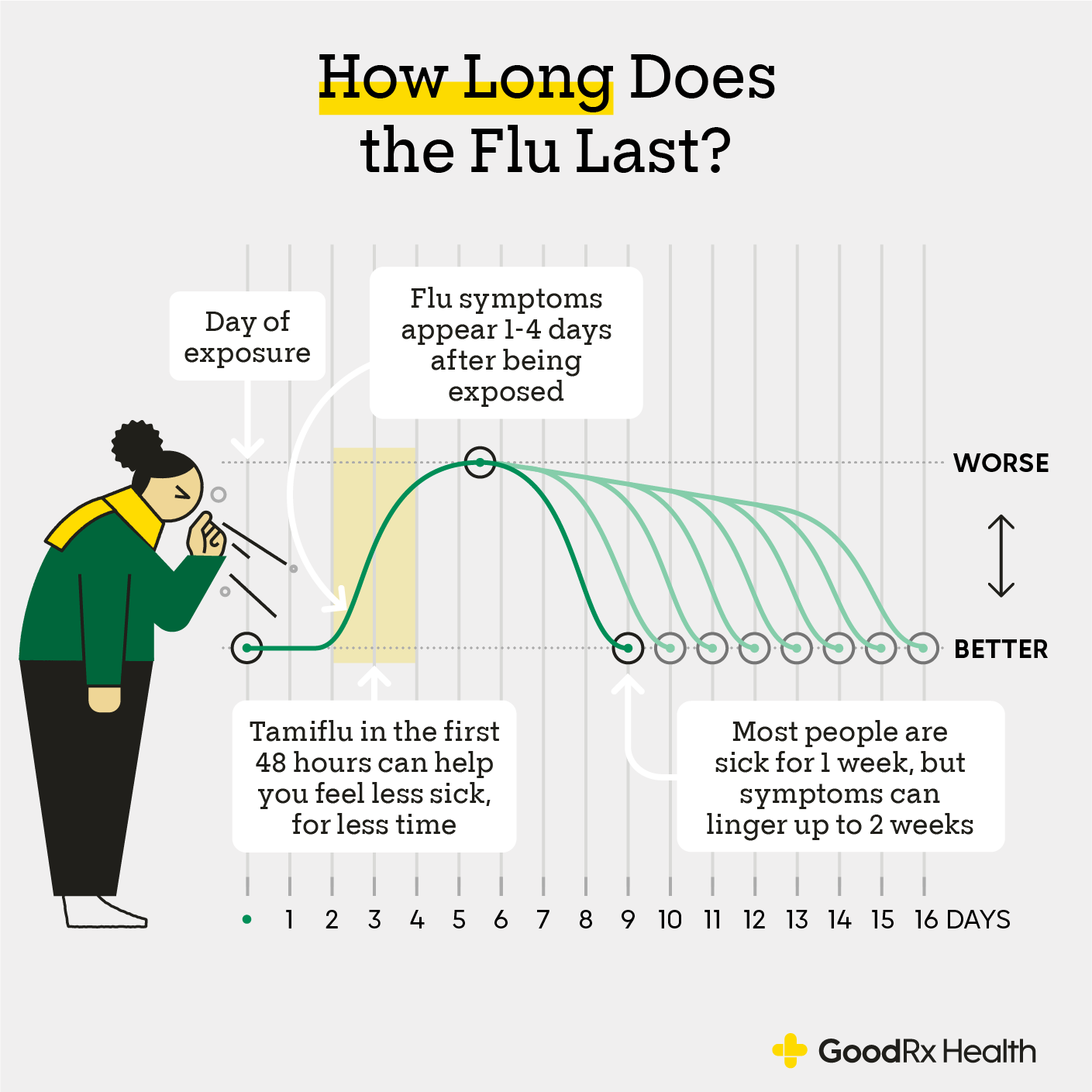
The incubation period for Flu A generally ranges from 1 to 4 days. This means that an individual infected with the virus may begin to show symptoms within 24 hours of exposure, but it can also take up to four full days before the first signs of illness appear. This variability is a key characteristic of Flu A and presents a significant challenge for disease control. During this incubation period, the virus is actively replicating within the host’s respiratory tract, even though the host may not yet be experiencing any noticeable symptoms. This silent period of viral proliferation is what allows for its rapid and often unnoticed dissemination.
The short incubation period is a primary reason why Flu A can spread so quickly through a population. By the time an individual realizes they are sick and begins to isolate, they may have already infected several other people during the preceding days. This highlights the importance of proactive monitoring and rapid response mechanisms, areas where technology plays an increasingly vital role.
Factors Influencing the Incubation Period
While the 1-4 day range is the standard, several factors can influence the actual incubation period for Flu A. These include:
- Viral Load: The amount of virus a person is exposed to can affect how quickly symptoms develop. A higher initial viral dose may lead to a shorter incubation period.
- Individual Immune Response: The strength and efficiency of an individual’s immune system play a significant role. A robust immune system might mount a defense more quickly, potentially delaying or mitigating symptom onset. Conversely, a weakened immune system may allow the virus to replicate more rapidly.
- Strain of the Virus: Different strains of Flu A can have slightly varying incubation periods. While the general range remains consistent, subtle genetic differences in the virus can influence its replication rate and interaction with host cells.
- Route of Exposure: The way the virus enters the body (e.g., through inhalation of respiratory droplets, touching contaminated surfaces then the eyes, nose, or mouth) can potentially impact the speed of infection.
Technological tools are being developed to help researchers better understand and account for these variables. For instance, sophisticated epidemiological models incorporate real-time data on viral strains, population demographics, and even environmental factors to refine predictions about disease spread and incubation periods.
Technological Implications of Flu A Incubation
The understanding of Flu A’s incubation period has profound implications for the technology sector, driving innovation in areas ranging from health monitoring to business continuity. Recognizing the silent transmission phase allows for the development of proactive technological solutions that aim to detect and mitigate outbreaks before they escalate.
Early Detection and Predictive Modeling
The relatively short incubation period of Flu A necessitates rapid detection and prediction capabilities. Technology plays a crucial role in this regard:
- Symptom-Tracking Apps and Wearables: Applications and wearable devices that monitor vital signs like temperature, heart rate, and activity levels can detect subtle deviations that might indicate the early stages of illness, even before overt symptoms appear. When aggregated and analyzed anonymously, this data can provide early warnings of potential outbreaks in specific geographic areas or within organizations.
- AI-Powered Epidemiological Models: Artificial intelligence and machine learning algorithms are being used to analyze vast datasets, including historical flu data, public health reports, social media trends, and even search engine queries for flu-related symptoms. These models can predict the likelihood and spread of flu outbreaks with increasing accuracy, taking into account factors like incubation periods and transmission dynamics. This allows public health officials and organizations to allocate resources proactively.
- Genomic Surveillance Technologies: Advances in rapid genomic sequencing allow for the quick identification and tracking of new or circulating flu strains. Understanding the genetic makeup of a virus can sometimes provide clues about its transmissibility and potential incubation period, informing public health responses and vaccine development.
The ability to predict and detect flu outbreaks earlier, thanks to technological advancements, can significantly reduce the impact of Flu A on workplaces and public life. This proactive approach shifts the focus from reactive containment to preventative management.
Business Continuity and Remote Work Enablement
The unpredictability of Flu A, exacerbated by its incubation period, directly impacts business continuity. The tech sector is at the forefront of providing solutions to maintain operations during flu seasons:
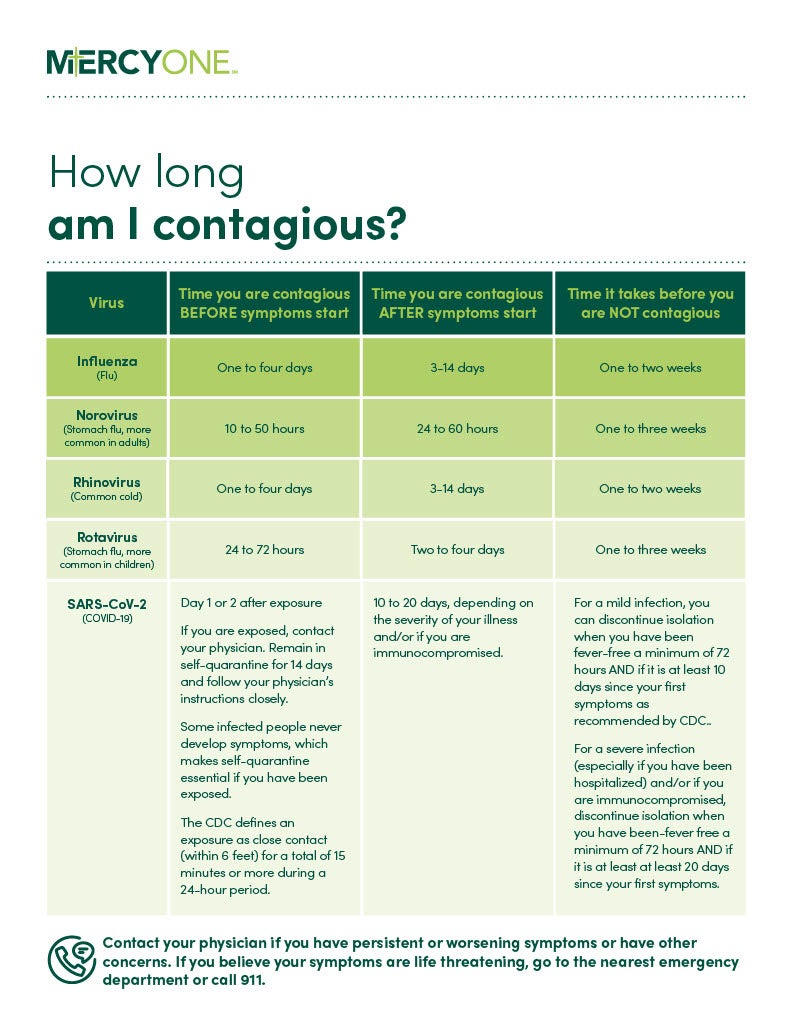
- Cloud-Based Collaboration Tools: Platforms like Slack, Microsoft Teams, and Google Workspace enable seamless remote collaboration, allowing employees to work effectively from home when they are feeling unwell or need to self-isolate. This minimizes disruption to business operations and reduces the risk of spreading the virus in the office. The understanding that an employee might be contagious for several days before showing symptoms reinforces the importance of robust remote work infrastructure.
- Digital Health Passports and Screening Tools: While more prevalent during pandemics, the underlying technology for digital health verification and at-home symptom screening can be adapted for seasonal flu management. Organizations can utilize secure digital platforms to encourage employees to self-report symptoms and facilitate informed decisions about workplace presence. This helps prevent potentially contagious individuals from entering shared spaces.
- Data Analytics for Workforce Management: By analyzing anonymized data on employee absence patterns and general health trends (potentially gathered through voluntary reporting or integrated with corporate wellness programs), companies can make more informed decisions about staffing, resource allocation, and the implementation of preventative measures like enhanced cleaning protocols or staggered work schedules. The incubation period informs how far in advance such planning might need to occur.
The integration of these technologies allows organizations to be more resilient, maintaining productivity and employee well-being even when faced with the challenges posed by Flu A.
Public Health Strategies and Technological Interventions
The effective management of Flu A outbreaks relies on a multi-pronged approach that combines public health directives with technological interventions, all informed by a deep understanding of the virus’s incubation period. Technology is transforming how public health bodies operate, enabling more agile and data-driven responses.
Enhancing Public Awareness and Education
A critical component of controlling flu transmission is educating the public. Technology can significantly amplify these efforts:
- Targeted Digital Campaigns: Public health organizations can leverage social media platforms and online advertising to disseminate accurate information about Flu A, including its incubation period, symptoms, and preventative measures like vaccination and hand hygiene. Data analytics can help tailor these campaigns to reach specific demographics and communities most at risk.
- Interactive Health Portals and Chatbots: Websites and mobile applications that provide real-time information about flu activity in specific regions, answer frequently asked questions about symptoms and incubation, and offer guidance on when to seek medical attention are invaluable. AI-powered chatbots can provide instant, personalized health advice, alleviating the burden on healthcare professionals and ensuring people have access to information when they need it.
- Contact Tracing Technologies (with Privacy Safeguards): While historically a manual process, digital contact tracing tools, often developed and implemented by tech companies, can help identify individuals who may have been exposed to the virus. Understanding the incubation period is crucial for determining the relevant exposure window for contact tracing efforts, ensuring that individuals are notified and advised appropriately even if they are not yet symptomatic. Ensuring robust privacy protections is paramount in the deployment of such technologies.
By making information accessible and engaging through various technological channels, public health efforts can empower individuals to take informed actions to protect themselves and their communities.
Innovations in Vaccine and Antiviral Development
While not directly about the incubation period itself, technological advancements are critical in developing countermeasures that are more effective and can be deployed rapidly in response to evolving flu strains.
- Bioinformatics and Computational Biology: These fields utilize powerful computing resources and sophisticated algorithms to analyze viral genomes, identify potential drug targets, and accelerate the design of new vaccines and antiviral medications. This speed is essential in staying ahead of rapidly mutating viruses like Flu A.
- High-Throughput Screening: Automated laboratory technologies and AI can rapidly screen thousands of potential drug compounds to identify those with antiviral properties. This significantly shortens the drug discovery pipeline, making it faster to bring new treatments to market.
- Personalized Medicine Approaches: While still nascent for influenza, future technological advancements may enable more personalized approaches to treatment, potentially tailoring antiviral therapies based on an individual’s genetic makeup and the specific characteristics of the infecting virus. This could optimize treatment efficacy, particularly in managing outbreaks.
The synergy between understanding viral incubation periods and leveraging cutting-edge technology in research and development is fundamental to our ongoing battle against influenza.
The Future of Flu A Management: A Tech-Driven Outlook
The continuous evolution of Flu A necessitates a forward-thinking approach to its management. The technological landscape is rapidly changing, offering new and exciting possibilities for how we monitor, predict, and mitigate the impact of this persistent public health challenge. The insights gained from understanding the incubation period of Flu A serve as a foundational element for these future innovations.
Advanced Predictive Analytics and Proactive Intervention
The future of Flu A management will be heavily reliant on increasingly sophisticated predictive analytics. As computational power grows and data collection methods become more granular, our ability to forecast outbreaks and their severity will improve dramatically.
- Real-time Global Surveillance Networks: Imagine a global network of interconnected devices and sensors that continuously feed data into AI-powered dashboards. These dashboards would not only track reported cases but also analyze anonymized health data from wearables, search trends, and even wastewater surveillance to provide near real-time insights into flu activity and identify emerging hotspots. The incubation period will be a key variable in these models, allowing for early warnings of potential community spread.
- AI-Driven Resource Allocation: Predictive models will enable public health agencies and healthcare systems to proactively allocate resources, such as vaccines, antiviral medications, and hospital staff, to areas that are most likely to be impacted by an impending outbreak. This shift from reactive to proactive intervention can save lives and reduce the burden on healthcare infrastructure.
- Personalized Risk Assessments: In the future, individuals might be able to receive personalized risk assessments for flu based on their geographic location, vaccination status, underlying health conditions, and even real-time local flu activity. This information could empower individuals to make more informed decisions about their health and safety during flu season.
The Role of Emerging Technologies
Beyond predictive analytics, several emerging technologies hold promise for transforming Flu A management:
- Decentralized Data Networks and Blockchain: Technologies like blockchain could be used to create secure, decentralized health data networks, enabling individuals to control their health information while still allowing authorized entities (like public health researchers) to access anonymized data for outbreak analysis. This could foster greater trust and participation in data-sharing initiatives.
- Advanced Diagnostics: Innovations in point-of-care diagnostics could allow for rapid and accurate flu testing outside of traditional laboratory settings, enabling quicker diagnosis and treatment. This is especially crucial for individuals in remote areas or those who may not have immediate access to medical facilities.
- AI in Vaccine Development Acceleration: Continued advancements in AI will further accelerate the development and testing of new flu vaccines, potentially enabling the creation of universal flu vaccines or vaccines that can be rapidly adapted to new strains.
By embracing these technological advancements and grounding them in a solid understanding of the fundamental characteristics of Flu A, such as its incubation period, we can build a more resilient and proactive defense against this enduring threat. The tech industry, with its innovative spirit and data-driven capabilities, will undoubtedly continue to play a pivotal role in this ongoing endeavor.
aViewFromTheCave is a participant in the Amazon Services LLC Associates Program, an affiliate advertising program designed to provide a means for sites to earn advertising fees by advertising and linking to Amazon.com. Amazon, the Amazon logo, AmazonSupply, and the AmazonSupply logo are trademarks of Amazon.com, Inc. or its affiliates. As an Amazon Associate we earn affiliate commissions from qualifying purchases.