
Just as the ocean experiences predictable, yet powerful, cycles of high and low tides, so too does our financial world. These aren’t merely abstract economic theories; they are palpable forces that shape our personal wealth, investment portfolios, and business ventures. Understanding the “high tide” of financial prosperity and the “low tide” of economic contraction is not just a matter of academic interest—it’s a critical skill for navigating the complex waters of personal finance, investing, and wealth creation. To thrive, we must learn to identify these cycles, adapt our strategies, and build resilience that withstands even the most turbulent financial seas.
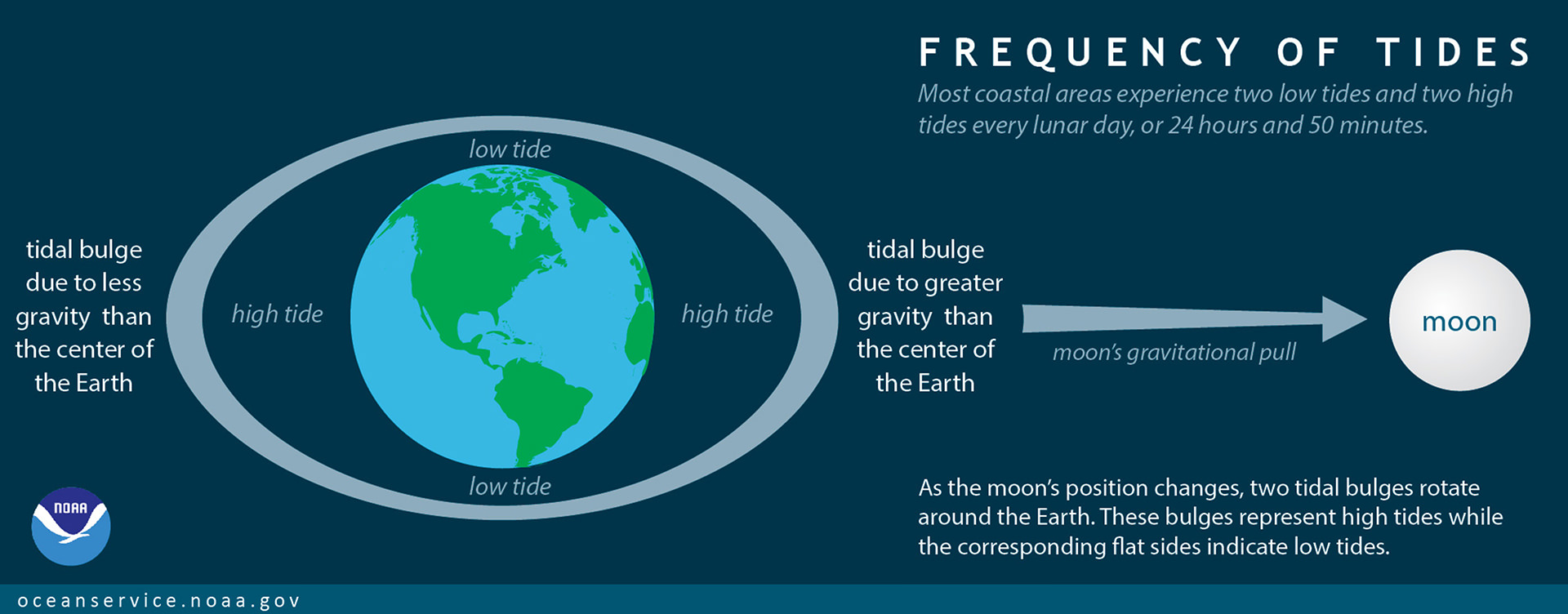
In finance, high tide represents periods of growth, abundance, and opportunity—when markets are surging, incomes are rising, and economic optimism prevails. Low tide, conversely, signifies times of contraction, scarcity, and challenge—recessions, market corrections, and periods of belt-tightening. Neither state is permanent; both are integral parts of an ongoing cycle. The savvy financial navigator doesn’t fight the tides but learns to read them, prepare for them, and leverage their inherent power. This article will explore the nature of these financial tides, providing actionable insights into how to master their ebb and flow, whether you’re managing personal savings, growing a business, or building an investment legacy.
Understanding Financial Cycles: The Inevitable Ebb and Flow of Wealth
The concept of financial tides stems from the cyclical nature of economies and markets. Nothing moves in a straight line forever; periods of expansion are always followed by contraction, and vice versa. Recognizing this fundamental truth is the first step towards financial mastery. These cycles manifest at various levels, from the global economy down to our individual bank accounts.
Macroeconomic Tides: Booms, Recessions, and Market Swings
On a grand scale, the “high tide” corresponds to economic booms and periods of expansion. During these times, GDP grows, employment rates are high, consumer spending is robust, and corporate profits surge. This often leads to bullish stock markets, rising asset prices, and a general sense of optimism. Conversely, the “low tide” manifests as recessions or economic slowdowns. Here, GDP contracts, unemployment rises, consumer confidence wanes, and businesses face challenges. Stock markets typically enter bear territory, and asset values may decline. These macroeconomic tides are influenced by a myriad of factors, including interest rates, government policies, technological advancements, global events, and even consumer psychology. Understanding these overarching trends helps investors and individuals position themselves for what might come next, rather than being caught unprepared.
Personal Financial Tides: Income Fluctuations and Spending Patterns
Even without a full-blown recession, individuals experience their own personal financial tides. A “high tide” might be a period of significant income growth—a promotion, a successful side hustle, a large bonus, or a profitable investment sale. During such times, discretionary income increases, and opportunities for accelerated savings and investment abound. However, personal “low tides” are also inevitable. These could be triggered by job loss, unexpected medical expenses, significant home repairs, educational costs, or a period of reduced income due to career transitions or unforeseen circumstances. Our spending patterns also contribute to these tides; periods of indulgence can quickly drain resources, while disciplined budgeting creates a buffer. Recognizing these personal cycles is crucial for building a resilient financial plan that can absorb shocks and capitalize on good fortune.
Investment Tides: Bull Markets, Bear Markets, and Sector Rotations
For investors, the most visible manifestation of financial tides is in the market itself. A “bull market” is a high tide, characterized by rising stock prices, investor confidence, and often, easily accessible capital. During these periods, nearly all investments seem to perform well, creating a sense of effortless growth. A “bear market,” however, is the low tide—a prolonged period of declining stock prices, investor pessimism, and heightened volatility. During a bear market, even well-chosen assets can lose value, testing the resolve of investors. Beyond these broad market movements, there are also “sector tides,” where certain industries or asset classes perform exceptionally well while others lag. For example, tech stocks might experience a high tide for years, while traditional industries face a low tide. Recognizing these nuances allows investors to adapt their portfolios, rebalancing or rotating into areas showing more promise, or simply preparing for the inevitable market corrections.
Navigating the High Tide: Maximizing Periods of Financial Abundance
When the financial high tide rolls in, bringing with it a surge of opportunities and increased resources, the temptation can be to simply enjoy the ride. However, a truly strategic approach involves actively channeling this abundance to fortify your long-term financial position. This isn’t just about spending more; it’s about smart allocation and accelerated growth.
Seizing Investment Opportunities
High tides in the broader economy often coincide with bull markets and periods of strong investment returns. This is the time to actively seek out and capitalize on growth opportunities. For long-term investors, continuing regular contributions to retirement accounts and investment portfolios is essential, taking advantage of compounding returns. For those with a higher risk tolerance, exploring emerging markets, innovative technologies, or undervalued assets that have not yet fully participated in the rally can offer significant upside. It’s also an opportune time to reassess your portfolio, ensuring it aligns with your risk profile and long-term goals, perhaps by diversifying into new asset classes or increasing exposure to growth-oriented investments. The key is to be proactive, not complacent, during these prosperous times.
Accelerated Debt Reduction and Wealth Building
A high tide of increased income or unexpected windfalls (like bonuses or tax refunds) provides an unparalleled opportunity to tackle high-interest debt aggressively. Paying down credit card balances, personal loans, or even accelerating mortgage payments can significantly reduce future interest expenses and free up cash flow for wealth building. Beyond debt reduction, this is an excellent time to supercharge your savings. Max out contributions to 401(k)s, IRAs, and other tax-advantaged accounts. Consider starting or contributing more to a taxable brokerage account to diversify your investment holdings. For business owners, a high tide means reinvesting profits back into the company for expansion, R&D, or talent acquisition, setting the stage for even greater future success.
Strategic Savings and Emergency Fund Reinforcement
While it might seem counterintuitive to focus on saving when money is flowing freely, a high tide is the ideal time to build and reinforce your financial safety nets. An ample emergency fund—covering 6 to 12 months of living expenses—is your first line of defense against future low tides. If your fund isn’t fully stocked, prioritize topping it up during prosperous periods. Beyond emergency savings, consider creating specific sinking funds for anticipated large expenses like a down payment on a house, a child’s education, or a significant personal goal. These strategic savings not only provide peace of mind but also prevent you from having to dip into investments or incur debt when those anticipated expenses eventually arrive. By preparing for the next low tide during the high tide, you ensure greater resilience and flexibility.
Weathering the Low Tide: Strategies for Resilience During Financial Contraction
Just as reliably as the high tide recedes, the low tide will inevitably arrive. These periods of financial contraction can be challenging, marked by economic slowdowns, market downturns, or personal income reductions. However, for those who are prepared and adaptable, a low tide isn’t a disaster but an opportunity to demonstrate resilience, optimize resources, and even find undervalued assets.
Prudent Budgeting and Expense Optimization

During a low tide, stringent financial discipline becomes paramount. This is the time to scrutinize your budget with a fine-tooth comb, identifying and eliminating non-essential expenses. Distinguish between needs and wants, and be prepared to make temporary sacrifices. Cancel unused subscriptions, reduce discretionary spending on entertainment and dining out, and look for ways to cut down on utility costs. For businesses, this might mean renegotiating supplier contracts, optimizing operational efficiencies, or pausing non-critical projects. The goal is to conserve cash, extend your financial runway, and ensure that essential expenses are covered. This proactive approach prevents panic and allows you to maintain control over your financial situation even when external circumstances are challenging.
Diversification and Risk Mitigation
A well-diversified portfolio is your strongest defense against the ravages of a low tide in investment markets. Assets that perform poorly in one environment may hold up better in another. During a downturn, the benefits of diversification across different asset classes (stocks, bonds, real estate, commodities), geographies, and industries become apparent. If you haven’t already, consider rebalancing your portfolio to ensure it aligns with your long-term risk tolerance. For business owners, diversifying revenue streams and client bases can mitigate the impact if one particular market or client segment faces a downturn. Furthermore, reviewing insurance coverage—health, life, disability, property—is crucial to ensure you’re adequately protected against unforeseen personal catastrophes that could exacerbate a low tide.
Skill Development and Income Stream Expansion
A low tide can present an unexpected opportunity for personal and professional growth. If your primary income stream is threatened, exploring ways to develop new skills or expand your income sources becomes critical. This could involve taking online courses, acquiring certifications, or honing existing talents that are in demand. For individuals, this might mean starting a side hustle that can generate supplemental income, such as freelance work, consulting, or selling goods online. For businesses, it might involve pivoting to new markets, developing new products or services, or exploring new business models that are more resilient to economic shifts. Investing in yourself and your capabilities during a downturn not only provides a potential financial lifeline but also positions you for greater success once the economic high tide returns.
The Art of Forecasting and Adapting: Riding the Waves of Economic Change
Successfully navigating the financial tides isn’t just about reacting to current conditions; it’s about developing the foresight to anticipate shifts and the agility to adapt your strategy. While no one can predict the future with perfect accuracy, certain indicators and a flexible mindset can significantly improve your ability to ride the waves.
Monitoring Economic Indicators and Market Signals
A key part of forecasting is paying attention to the signals that precede and accompany shifts in the financial tides. For macroeconomic shifts, keep an eye on indicators like GDP growth, inflation rates, unemployment figures, interest rate changes by central banks, and consumer confidence indices. For investment markets, monitor earnings reports, sector-specific news, and technical analysis indicators (though these should not be relied upon exclusively). Understanding the historical context of these indicators can help you discern patterns and anticipate potential turns. While you don’t need to be an economist, a general awareness of these trends allows you to make more informed decisions rather than being caught off guard. Financial news, reputable economic reports, and expert analysis can be valuable resources in this continuous learning process.
Personal Financial Health Check-ups
Just as doctors recommend regular physicals, your financial life benefits from periodic check-ups. These are moments to review your budget, assess your net worth, evaluate your investment performance, and ensure your financial goals remain aligned with your current life stage and aspirations. During a high tide, a check-up might confirm you’re on track or highlight opportunities to accelerate savings. During a low tide, it can identify areas where adjustments are necessary, such as reallocating funds, delaying certain goals, or tightening your budget. Regular reviews (quarterly or annually) allow for small course corrections, preventing minor issues from becoming major crises. This proactive self-assessment is crucial for maintaining control and adapting to both internal and external financial changes.
The Mindset of a Long-Term Financial Navigator
Perhaps the most critical aspect of riding the financial tides is cultivating the right mindset. This involves embracing a long-term perspective, understanding that volatility is normal, and avoiding emotional reactions to short-term market fluctuations. A long-term navigator knows that both high and low tides are temporary; the goal is to stay the course, consistent with your financial plan, through both good and bad times. This means not panicking and selling off investments during a bear market (often referred to as “selling at the bottom”) and also avoiding excessive exuberance and risky, speculative bets during a bull market. Patience, discipline, and a focus on compounding returns over decades, rather than quick wins, are the hallmarks of successful long-term financial navigation.
Building a Financial Seawall: Long-Term Strategies for Stability
While understanding and adapting to the financial tides is crucial, the ultimate goal is to build a robust financial “seawall” that provides stability and protection regardless of the economic climate. This involves implementing long-term strategies that automate wealth creation, diversify income sources, and secure your financial legacy.
Automated Investing and Dollar-Cost Averaging
One of the most powerful tools for navigating market tides is automated investing combined with dollar-cost averaging. This strategy involves investing a fixed amount of money at regular intervals, regardless of market conditions. When the market is at a “high tide” (prices are high), your fixed investment buys fewer shares. When the market is at a “low tide” (prices are low), your fixed investment buys more shares. Over time, this averages out your purchase price and removes the emotional component of trying to time the market. Automating these investments ensures consistency and discipline, transforming what might otherwise be sporadic efforts into a powerful, compounding wealth-building machine that silently works through all market cycles.
Cultivating Multiple Income Streams
Relying solely on a single source of income leaves you highly vulnerable to economic low tides. Building multiple income streams acts as a critical financial seawall, providing stability and flexibility. This could involve diversifying your career through freelancing or consulting, starting a side business (e.g., e-commerce, content creation, tutoring), investing in rental properties, or earning passive income from dividends or royalties. While building these streams requires effort, the peace of mind and enhanced financial security they provide are invaluable. Should one income source recede during a low tide, others can help maintain your financial equilibrium, protecting your lifestyle and allowing you to continue progressing towards your goals.
Legacy Planning and Intergenerational Wealth Transfer
True financial mastery extends beyond one’s lifetime, focusing on building a lasting legacy. Legacy planning involves creating a comprehensive strategy for the intergenerational transfer of wealth, assets, and values. This includes establishing wills, trusts, and estate plans to ensure your assets are distributed according to your wishes, minimizing taxes and probate complexities. It also involves educating heirs about financial literacy and responsible wealth management. By thinking beyond your immediate financial tides and focusing on the long-term impact of your decisions, you build a financial seawall that protects not just yourself, but future generations. This strategic foresight ensures that the high tides of your prosperity continue to benefit those you care about, creating a lasting legacy of financial stability and opportunity.
The financial world, much like the ocean, is in perpetual motion. High tides bring opportunities for growth and abundance, while low tides demand resilience and strategic adaptation. By understanding these cycles, preparing for their inevitability, and employing intelligent financial strategies, you can transform from a passive observer into a skilled navigator. Cultivating foresight, discipline, and a long-term perspective allows you to not only weather the storms but to harness the power of both high and low tides, building a robust financial seawall that ensures lasting prosperity for yourself and generations to come. Your financial journey is an ongoing voyage; learn to read the tides, and you will confidently steer towards your desired destination.
aViewFromTheCave is a participant in the Amazon Services LLC Associates Program, an affiliate advertising program designed to provide a means for sites to earn advertising fees by advertising and linking to Amazon.com. Amazon, the Amazon logo, AmazonSupply, and the AmazonSupply logo are trademarks of Amazon.com, Inc. or its affiliates. As an Amazon Associate we earn affiliate commissions from qualifying purchases.