
In the bustling market of health and wellness, where consumers are increasingly discerning and scientifically curious, understanding the fundamental properties of a product is no longer just a scientific pursuit – it’s a strategic branding imperative. For companies and personal brands operating in the sleep aid sector, the question, “What is the half-life of melatonin?” transcends basic pharmacology; it becomes a cornerstone of product development, marketing messaging, consumer trust, and competitive differentiation. This seemingly simple biological fact is, in essence, a potent tool for brand building and market leadership.
Beyond Biochemistry: The Brand Value of Pharmacokinetics
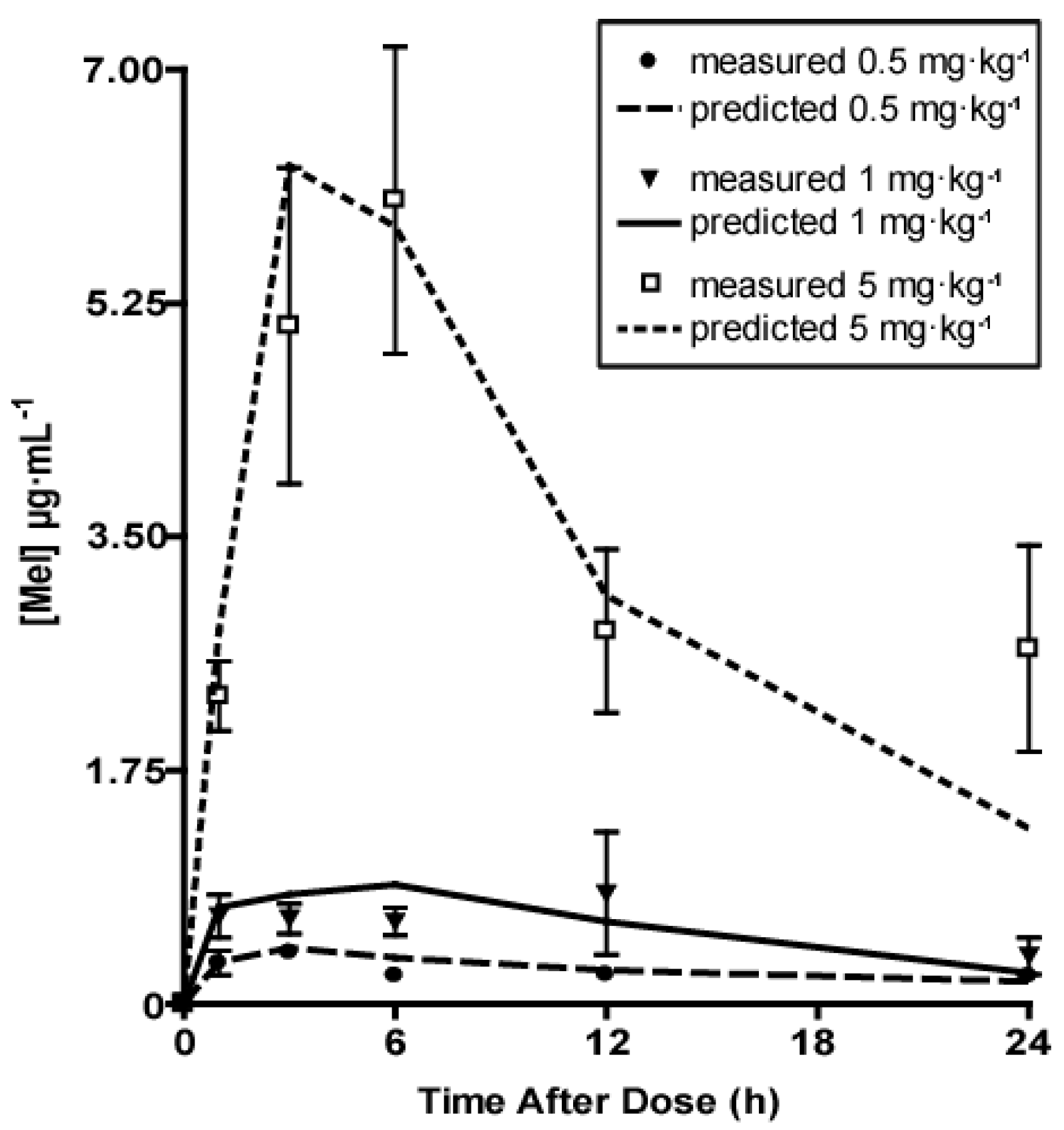
At its core, pharmacokinetics is the study of how the body affects a drug. It involves the absorption, distribution, metabolism, and excretion (ADME) of pharmaceutical compounds. For melatonin, a natural hormone frequently taken as a supplement to support sleep, one of the most critical pharmacokinetic parameters is its half-life. But how does this scientific metric translate into brand value?
Defining Half-Life: More Than a Number
The half-life of a substance refers to the time it takes for the amount of that substance in the body to be reduced by half. For melatonin, this indicates how long it remains active in the system before its concentration significantly drops. Understanding this isn’t merely about dosage; it’s about managing consumer expectations, optimizing efficacy, and formulating precise brand promises. If a brand promotes a “fast-acting” sleep aid, the half-life dictates how quickly that promise can be fulfilled and, equally important, how long the effect is likely to last. Without this foundational knowledge, brand claims can be vague, misleading, or simply ineffective. Consumers, especially in the health space, are increasingly looking for transparency and scientific backing. A brand that can clearly articulate the science behind its product, including its half-life, inherently builds greater credibility and trust. This scientific literacy becomes a hallmark of a reputable brand, setting it apart from competitors that rely on vague or unsubstantiated claims.
Melatonin’s Typical Half-Life: Understanding the Baseline
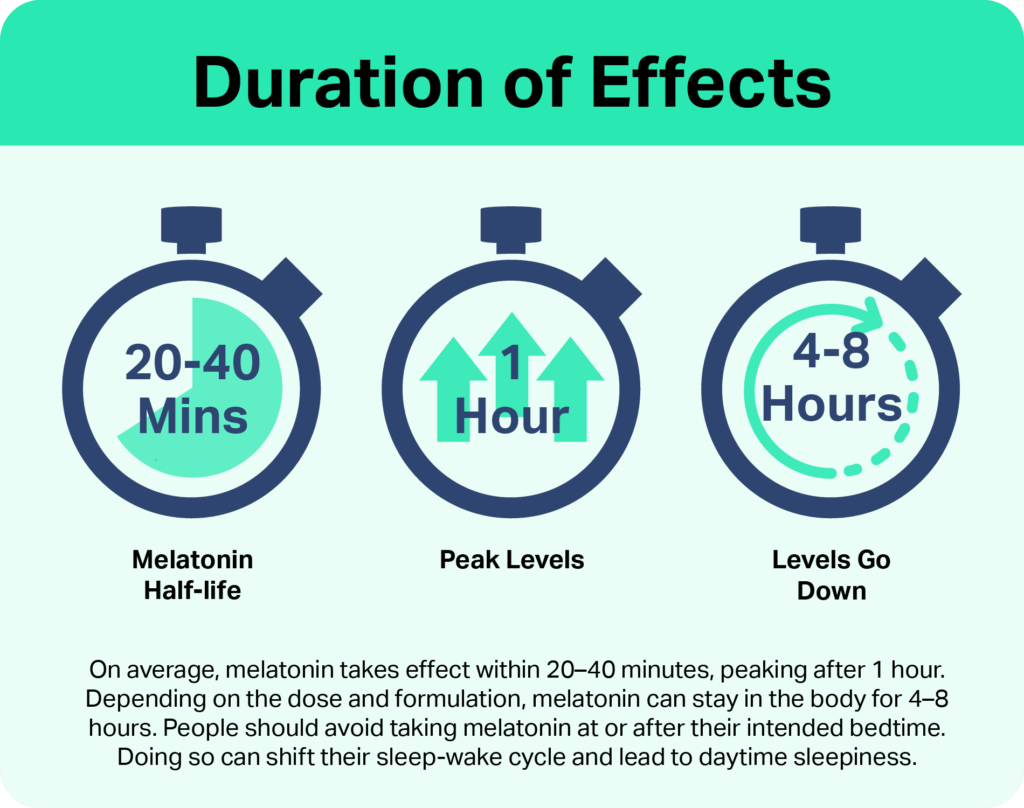
The half-life of exogenous (supplemental) melatonin can vary depending on individual metabolism, the specific formulation, and the route of administration, but it is generally considered to be relatively short. Studies often report a half-life ranging from 20 to 60 minutes, although some sources extend this range up to 2-4 hours, particularly for certain slow-release formulations. This relatively short duration has profound implications for how brands approach their melatonin products. A quick half-life suggests that the melatonin will be cleared from the system relatively rapidly. For brands, this immediately brings up questions about whether the product is designed for sleep induction (helping you fall asleep) or sleep maintenance (helping you stay asleep).
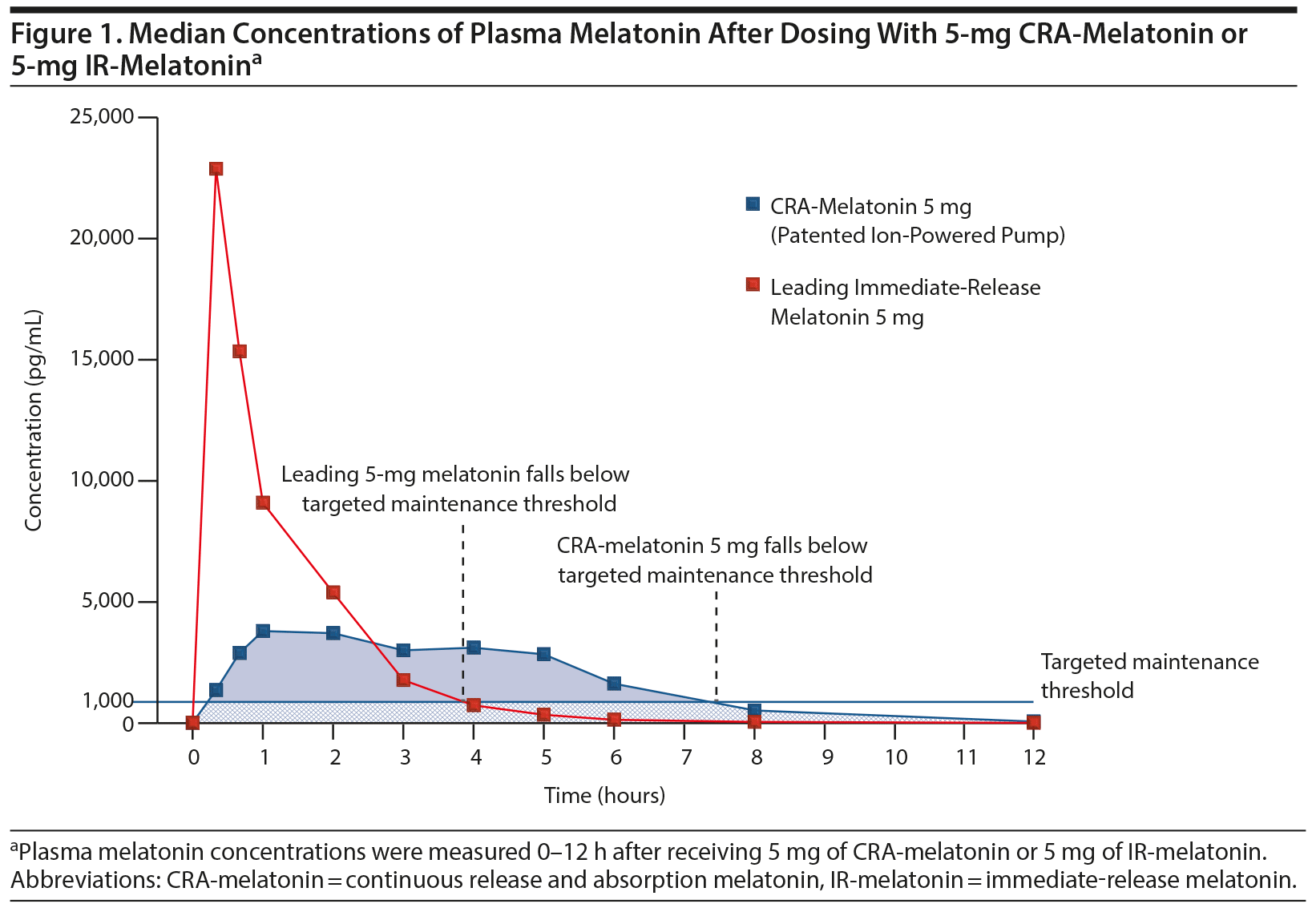
A brand targeting individuals who struggle to fall asleep might emphasize a fast-acting formulation, leveraging the quick onset and relatively rapid clearance. Conversely, a brand aiming to help consumers stay asleep might develop an extended-release product, carefully engineered to prolong the effective half-life and maintain steady levels of melatonin throughout the night. The typical half-life therefore forms the scientific baseline upon which all product development, positioning, and marketing strategies are built, making it an indispensable piece of information for any brand in the sleep supplement space.
Crafting Product Strategy: Half-Life as a Differentiator
The half-life of melatonin is not merely a data point; it’s a strategic lever for product innovation and differentiation. Brands that deeply understand this pharmacokinetic characteristic can engineer products that precisely meet diverse consumer needs, thereby carving out distinct market segments and reinforcing their unique value propositions.
Immediate Release vs. Extended Release: Tailoring the Experience
The most immediate strategic implication of melatonin’s half-life is the dichotomy between immediate-release (IR) and extended-release (ER) formulations.
- Immediate-Release (IR) Products: Brands focusing on IR melatonin formulations capitalize on its naturally short half-life. Their messaging often centers around “fast-acting” effects, promising quick sleep onset. These products are ideal for consumers who struggle primarily with falling asleep. The brand strategy here involves highlighting the rapid absorption and quick onset of action, ensuring that the melatonin is available when needed most. This requires careful consideration of dosage and delivery methods that facilitate rapid entry into the bloodstream.
- Extended-Release (ER) Products: For brands targeting sleep maintenance, the short half-life of standard melatonin presents a challenge. The strategic solution lies in ER formulations, which are designed to mimic the body’s natural melatonin release pattern by gradually releasing the hormone over several hours. These products address the need for sustained sleep throughout the night, appealing to consumers who frequently wake up. The branding for ER products emphasizes “sustained sleep,” “no middle-of-the-night waking,” and “feeling refreshed.” This involves communicating the advanced delivery technology and how it overcomes the limitations of melatonin’s natural half-life.
By offering both IR and ER options, or by specializing in one, brands can effectively segment the market and tailor their offerings to specific consumer pain points, demonstrating a sophisticated understanding of both the science and the user experience.
Dosage and Delivery: Optimizing Efficacy and Brand Promise
Beyond formulation types, half-life also dictates optimal dosing strategies and the choice of delivery mechanisms, all of which contribute to a brand’s promise and identity.
- Dosage Recommendations: A brand’s recommended dosage for melatonin is intricately linked to its half-life and the desired effect. For a quick, transient effect (e.g., to adjust to a new time zone), a lower dose might be recommended with clear timing instructions relative to bedtime. For more sustained effects with an ER product, a brand might use higher initial doses within the ER matrix. Clearly articulated dosage guidelines, backed by an understanding of half-life, enhance a brand’s reputation for scientific rigor and responsible product usage.
- Innovative Delivery Systems: The quest to optimize melatonin’s efficacy, despite its half-life, has led to innovative delivery systems, each presenting unique branding opportunities. Sublingual tablets, dissolvable strips, or even specialized gummies can offer faster absorption compared to traditional pills, potentially shortening the onset time and reinforcing a “fast-acting” brand identity. Conversely, micro-encapsulation technologies for ER products become a key feature for brands promising “all-night support.” Each delivery system can become a unique selling proposition, allowing brands to highlight their commitment to innovation, user convenience, and superior performance, all informed by the goal of managing melatonin’s pharmacokinetic profile.
Marketing Melatonin: Leveraging Scientific Insights for Consumer Trust
In an era saturated with health claims, authentic brands understand that marketing is no longer just about persuasion; it’s about education and empowerment. Leveraging scientific insights, particularly regarding melatonin’s half-life, allows brands to build profound consumer trust and solidify their market position.
Educating the Consumer: Transparency as a Brand Pillar
Brands that are transparent about the science behind their products cultivate a loyal and informed customer base. Explaining melatonin’s half-life in accessible terms helps consumers understand:
- When to Take It: If a brand emphasizes a fast-acting product, they can explain that its short half-life means it should be taken shortly before bedtime. For an ER product, the messaging can clarify that it should be taken earlier to allow for sustained release.
- What to Expect: Educating consumers about the typical duration of effect based on the half-life can manage expectations, preventing disappointment if a fast-acting product doesn’t provide all-night relief, or if an ER product takes longer to initiate sleep.
- Why Different Formulations Exist: Brands can use half-life to explain the rationale behind IR vs. ER products, empowering consumers to choose the product best suited for their specific sleep challenges.
This level of detailed, scientifically backed education transforms marketing from mere promotion into a valuable service. It positions the brand as an authoritative, trustworthy source of information, fostering long-term relationships with consumers who appreciate genuine insights over mere marketing hype.
Competitive Advantage: Positioning Against Rivals
In a crowded market, a deep understanding of melatonin’s half-life provides a powerful competitive edge. Brands can strategically position themselves by highlighting their product’s specific half-life characteristics or superior formulation benefits.
- Highlighting “Fast-Acting” for Niche Appeal: A brand can explicitly state its product’s short half-life and position itself as the go-to solution for initial sleep onset challenges, directly addressing a common consumer pain point.
- Emphasizing “Sustained Release” for Comprehensive Support: Another brand might focus on its extended-release technology, showcasing how it effectively bypasses melatonin’s natural short half-life to provide all-night support, appealing to those with middle-of-the-night awakenings.
- Formulation Innovation as a Differentiator: Brands can highlight proprietary delivery systems or unique ingredient combinations that influence absorption and half-life, thereby creating a perceived technological superiority. This moves the competitive conversation beyond just price, focusing instead on efficacy and intelligent design.
Through clear, scientifically informed messaging about half-life and its implications, brands can effectively differentiate their offerings, making a compelling case for why their product is the superior choice for a specific consumer need.
Personal Branding and Thought Leadership in the Wellness Space
The implications of understanding melatonin’s half-life extend beyond corporate entities to individuals seeking to build strong personal brands in the health and wellness sector. For health coaches, nutritionists, doctors, or wellness influencers, a nuanced grasp of such scientific details is crucial for establishing credibility and becoming a trusted thought leader.
Establishing Credibility: Experts on Melatonin
In the age of information overload, personal brands thrive on expertise and authenticity. An individual who can articulate the nuances of melatonin’s half-life – how it affects dosing, timing, and product selection – positions themselves as a knowledgeable authority. This isn’t about memorizing facts; it’s about demonstrating a deep, contextual understanding that allows them to provide truly insightful advice. When an influencer explains why a particular melatonin formulation might be better for jet lag versus chronic insomnia, citing its half-life, they build immense trust. This deep dive into scientific principles differentiates them from superficial content creators, transforming their personal brand into a reliable source of evidence-based wellness guidance. Their content, whether through blogs, social media, or podcasts, becomes more valuable and impactful, cementing their reputation as a go-to expert.
Responsible Communication: Avoiding Misinformation
With expertise comes responsibility. A critical aspect of strong personal branding in health is the commitment to accurate and ethical communication. Understanding melatonin’s half-life empowers individuals to:
- Provide Balanced Advice: They can caution against unrealistic expectations or misuse, explaining that while melatonin can aid sleep, its effect is time-limited due to its half-life, particularly with immediate-release formulations.
- Counter Misinformation: In a landscape rife with anecdotal claims and pseudoscience, an expert can leverage their scientific understanding to debunk myths and guide their audience towards evidence-based practices. For instance, clarifying that a very high dose of melatonin doesn’t necessarily mean a longer duration of effect without a sustained-release mechanism, due to its half-life, is crucial.
- Promote Safe Practices: By explaining the importance of timing and dosage in relation to half-life, personal brands can advocate for safe and effective melatonin use, thereby enhancing their image as responsible and caring educators.
This commitment to responsible, scientifically informed communication not only protects the audience but also profoundly strengthens the personal brand’s integrity and long-term viability.
The Future of Melatonin Branding: Innovation and Personalization
As scientific understanding advances and technology integrates further into health and wellness, the concept of melatonin’s half-life will continue to shape brand strategies in innovative ways, moving towards even greater personalization and precision.
AI and Data-Driven Insights: Predicting Individual Responses
While the inherent half-life of melatonin is a fixed biological property for a given individual, future branding strategies will likely leverage AI and data analytics to predict and even monitor individual responses. Imagine wearable devices that track sleep patterns and metabolic rates, feeding data into AI algorithms that can suggest the optimal melatonin formulation and timing for that specific individual, considering their unique pharmacokinetic profile. Brands could then offer hyper-personalized melatonin supplements, with dosages and release profiles tailored to an individual’s unique metabolism, effectively personalizing the functional half-life experience. This level of precision would become a core brand differentiator, moving beyond generic products to truly bespoke wellness solutions. Marketing would shift from broad claims to highly individualized success stories, powered by data-driven insights.
Evolving Consumer Expectations: The Demand for Precision
The modern consumer is increasingly sophisticated, demanding not just efficacy but also precision and personalization in their health solutions. Generic “sleep aids” will likely cede ground to products that offer specific, scientifically backed benefits. Brands that can clearly articulate how their melatonin products are engineered to work with (or strategically overcome) the hormone’s natural half-life will be at the forefront. This means a continued emphasis on advanced formulation, transparent communication about scientific details, and potentially, integration with digital health platforms. The future of melatonin branding lies in understanding that the half-life is not a limitation, but a fundamental characteristic around which innovative, trustworthy, and highly personalized sleep solutions can be built, cementing brand loyalty through superior science and tailored efficacy.
aViewFromTheCave is a participant in the Amazon Services LLC Associates Program, an affiliate advertising program designed to provide a means for sites to earn advertising fees by advertising and linking to Amazon.com. Amazon, the Amazon logo, AmazonSupply, and the AmazonSupply logo are trademarks of Amazon.com, Inc. or its affiliates. As an Amazon Associate we earn affiliate commissions from qualifying purchases.