
In the landscape of modern medicine, names carry significant weight. When a consumer walks into a pharmacy and asks, “What is the generic name of Zyrtec?” they are participating in a complex dance between chemistry and commerce. While the chemical answer is simple—Cetirizine—the business story behind that name is a masterclass in brand strategy, corporate identity, and market positioning.
The journey of Zyrtec from a proprietary prescription formula to a dominant over-the-counter (OTC) powerhouse illustrates how pharmaceutical companies use branding to transcend the limitations of a chemical patent. In an industry where the product is essentially a molecular structure, the brand becomes the primary differentiator. This article explores the strategic frameworks that allowed Zyrtec to become a household name and the brand psychology that keeps consumers reaching for the bright blue box even when lower-priced generic alternatives sit on the same shelf.
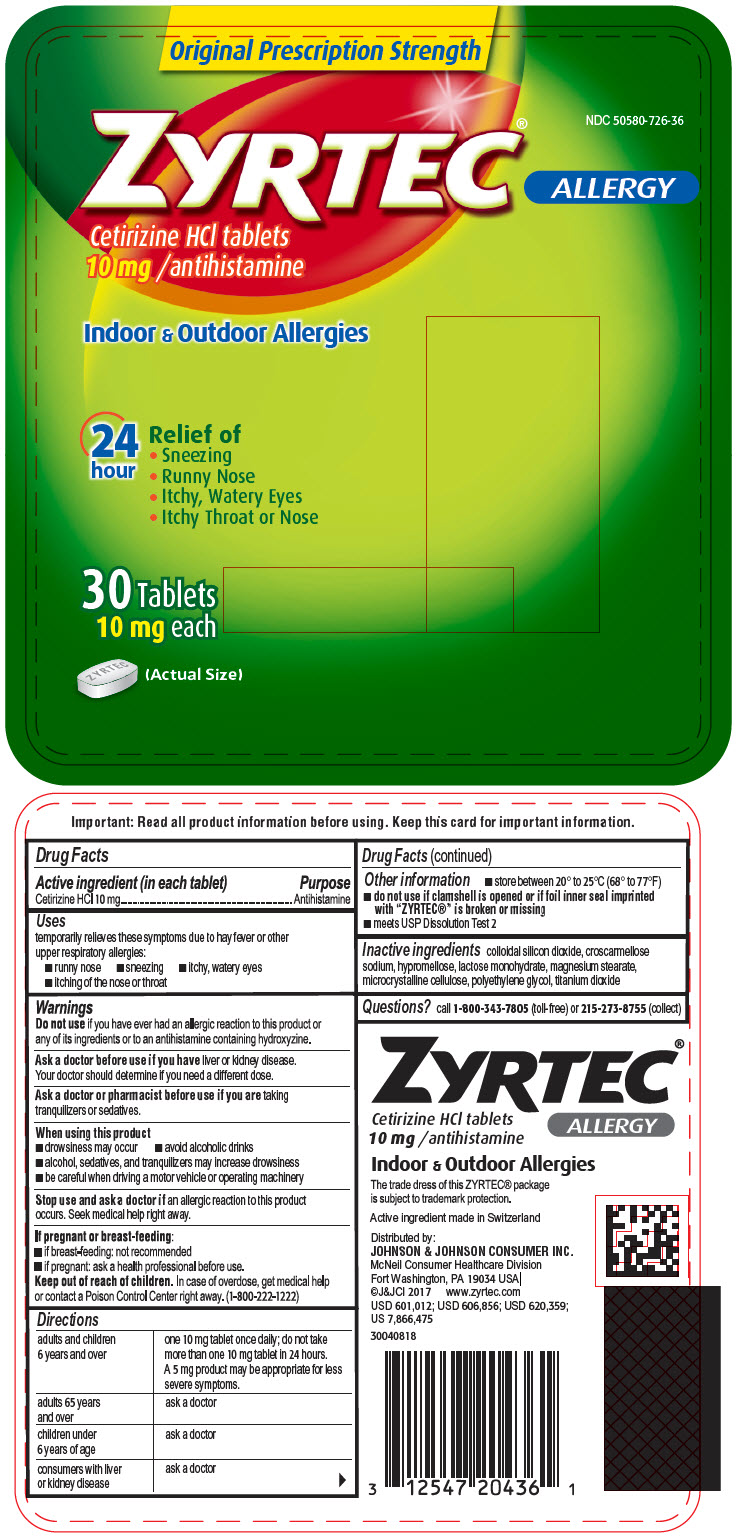
The Architecture of Pharmaceutical Branding: From Molecule to Market
Every pharmaceutical product exists in two worlds: the scientific world of generic chemical names and the commercial world of trademarks. The generic name, cetirizine, is standardized and descriptive of the drug’s class. The brand name, Zyrtec, is a carefully crafted asset designed to evoke specific emotions and associations.
The Linguistics of Brand Recognition
The name “Zyrtec” was not chosen by accident. In pharmaceutical branding, linguistics plays a vital role in consumer perception. The use of the letter “Z” provides a sense of modernity and speed, while the crisp “k” sound at the end suggests clinical precision. Compared to “Cetirizine,” which is four syllables and phonetically soft, “Zyrtec” is punchy, memorable, and easy to pronounce for the average consumer. This simplicity is the cornerstone of brand equity; if a consumer can remember the name easily, they are more likely to request it.
Visual Identity and the Psychology of Trust
Zyrtec’s brand strategy extends beyond the name into a meticulously maintained visual identity. The consistent use of blue and yellow across their packaging and marketing is a calculated move. In the world of design, blue is synonymous with trust, reliability, and professional health care, while yellow provides a high-contrast pop that implies energy and relief from the “darkness” of allergy symptoms. By maintaining this visual “trade dress,” the brand creates a psychological shortcut for the consumer. When a person is suffering from hay fever or hives, they are looking for the fastest path to relief, and the recognizable Zyrtec branding acts as a beacon of guaranteed efficacy.
Establishing the “Prescription Pedigree”
A major component of Zyrtec’s brand strategy is its history as a prescription-only medication. For years, Zyrtec was something you could only obtain through a doctor. This “prescription pedigree” is a powerful branding tool. When it transitioned to OTC status, it carried the weight of medical endorsement with it. The brand message transitioned from “ask your doctor” to “the strength you used to need a prescription for,” positioning it as more powerful and trustworthy than legacy OTC brands that never required a doctor’s note.
Market Positioning and the OTC Transition Strategy
The transition of a drug from prescription (Rx) to over-the-counter (OTC) status is one of the most critical moments in a pharmaceutical brand’s lifecycle. For Zyrtec, which made this leap in 2008, the strategy was focused on maintaining premium status while expanding accessibility.
Protecting Brand Equity Against Generic Competition
Once a patent expires and the generic name—Cetirizine—becomes public domain, the brand faces immediate price pressure. Generic manufacturers can produce the same molecule for a fraction of the cost because they do not have to recoup the billions spent on Research and Development (R&D). Zyrtec’s strategy was to shift the consumer’s focus from “price per pill” to “value of the brand.” By investing heavily in multi-channel marketing, they reinforced the idea that while the generic might be chemically the same, the experience and reliability of Zyrtec are superior.
Multi-Channel Marketing and Emotional Connection
Effective brand strategy in the 21st century requires meeting the consumer where they are. Zyrtec mastered the art of seasonal marketing, ramping up its presence during “allergy season” through digital ads, television spots, and social media engagement. Rather than focusing on the science of antihistamines, their branding focused on the “human” element: enjoying a day at the park with your dog, gardening without sneezing, or performing at your best in the office. This emotional storytelling differentiates the brand from the sterile, clinical feel of generic Cetirizine packaging.

Brand Extensions and Product Line Architecture
To further cement its market share, Zyrtec utilized a strategy of brand extension. By creating sub-brands like Zyrtec-D (for decongestion) and Children’s Zyrtec, they built a “brand family.” This architecture allows the brand to capture different segments of the market under one umbrella. If a parent trusts Zyrtec for their own allergies, they are significantly more likely to choose Children’s Zyrtec for their child, illustrating how brand loyalty can be leveraged across different demographics.
The Economics of Brand Loyalty: Why Consumers Choose the Name Over the Generic
One of the most fascinating aspects of Zyrtec’s brand strategy is its ability to command a price premium. Even though cetirizine is available as a private-label product at almost every major retailer (CVS, Walgreens, Amazon), Zyrtec remains a top seller. This is a testament to the power of “perceived value.”
Overcoming the “Generic Parity” Hurdle
In marketing, “generic parity” refers to the consumer’s realization that two products are identical. In the pharmaceutical world, the FDA mandates that generics must be bioequivalent to the brand-name drug. To combat this, Zyrtec focuses its brand strategy on “The Confidence Factor.” The branding suggests that there is a risk in choosing the unknown. By framing the purchase as an investment in one’s health and productivity, the brand justifies its higher price point.
The Role of Corporate Identity and Endorsement
Zyrtec is backed by the corporate weight of Johnson & Johnson (through its Kenvue spinoff). This corporate identity provides an added layer of security. Consumers may not know the history of Cetirizine, but they recognize the legacy of a company that has been in their medicine cabinets for over a century. This “halo effect” from the parent brand lends Zyrtec a level of authority that a store-brand generic cannot replicate.
Digital Strategy and the “Allergy Face” Campaign
Zyrtec’s branding team showcased innovative thinking with campaigns like “Allergy Face.” Recognizing that consumers (particularly women) were concerned about the physical appearance of allergies—red eyes, puffy skin—the brand partnered with beauty influencers and fashion experts. This move took Zyrtec out of the pharmacy aisle and into the lifestyle and beauty space. It was a brilliant pivot that expanded the brand’s relevance, making it a “beauty essential” rather than just a medical necessity.
Sustaining Relevance in a Digital-First Marketplace
As we look toward the future, the challenge for Zyrtec is maintaining its brand dominance in an era of algorithmic shopping and direct-to-consumer (DTC) pharmacy startups.
Competing with Private Labels and “Search-First” Shopping
When a user searches “what is the generic name of Zyrtec” on Google or Amazon, they are often met with “Frequently Bought Together” or “Lower Priced Alternative” prompts that point directly to generic Cetirizine. Zyrtec’s digital brand strategy involves aggressive Search Engine Marketing (SEM) and Search Engine Optimization (SEO) to ensure they remain at the top of the search results. They don’t just want to be the answer to the question; they want to be the solution the consumer chooses before they even finish reading the search results.
Trust as the Ultimate Brand Currency
In an age of misinformation, “Trust” has become the most valuable currency a brand can hold. Zyrtec’s strategy has evolved to emphasize transparency and clinical backing. By providing high-quality educational content about allergy triggers, pollen counts, and treatment options, the brand positions itself as an authority in the “allergy space,” not just a pill manufacturer. This shift from “product-centric” to “information-centric” branding is key to surviving in a modern market.

Conclusion: The Enduring Legacy of the Zyrtec Brand
While the answer to “what is the generic name of Zyrtec” is a simple chemical term—cetirizine—the success of the product is anything but simple. It is the result of decades of strategic branding, psychological positioning, and market adaptation.
Zyrtec has successfully navigated the transition from a patented chemical discovery to a lifestyle brand. By focusing on linguistic memorability, visual consistency, and an emotional connection with the consumer, the brand has created a moat that protects it from the inevitable tide of generic competition. For marketers and business leaders, Zyrtec serves as a profound example of how a brand can become synonymous with a solution, ensuring that even when a cheaper identical version exists, the consumer will still pay for the name they know and trust. In the end, we don’t just buy Cetirizine; we buy the promise of a clear day, delivered by a brand called Zyrtec.
aViewFromTheCave is a participant in the Amazon Services LLC Associates Program, an affiliate advertising program designed to provide a means for sites to earn advertising fees by advertising and linking to Amazon.com. Amazon, the Amazon logo, AmazonSupply, and the AmazonSupply logo are trademarks of Amazon.com, Inc. or its affiliates. As an Amazon Associate we earn affiliate commissions from qualifying purchases.