
In the landscape of modern media, few maneuvers in brand strategy are as complex or as successful as the reintegration of Spider-Man into the Marvel Cinematic Universe (MCU). For fans and market analysts alike, the answer to “what is the first Spider-Man movie with Tom Holland” carries two weights: a literal one and a strategic one. While Spider-Man: Homecoming (2017) marked his first solo venture, his true debut occurred in 2016’s Captain America: Civil War. This appearance was not merely a cameo; it was a masterclass in brand revitalization, corporate negotiation, and the strategic positioning of a legacy intellectual property (IP).
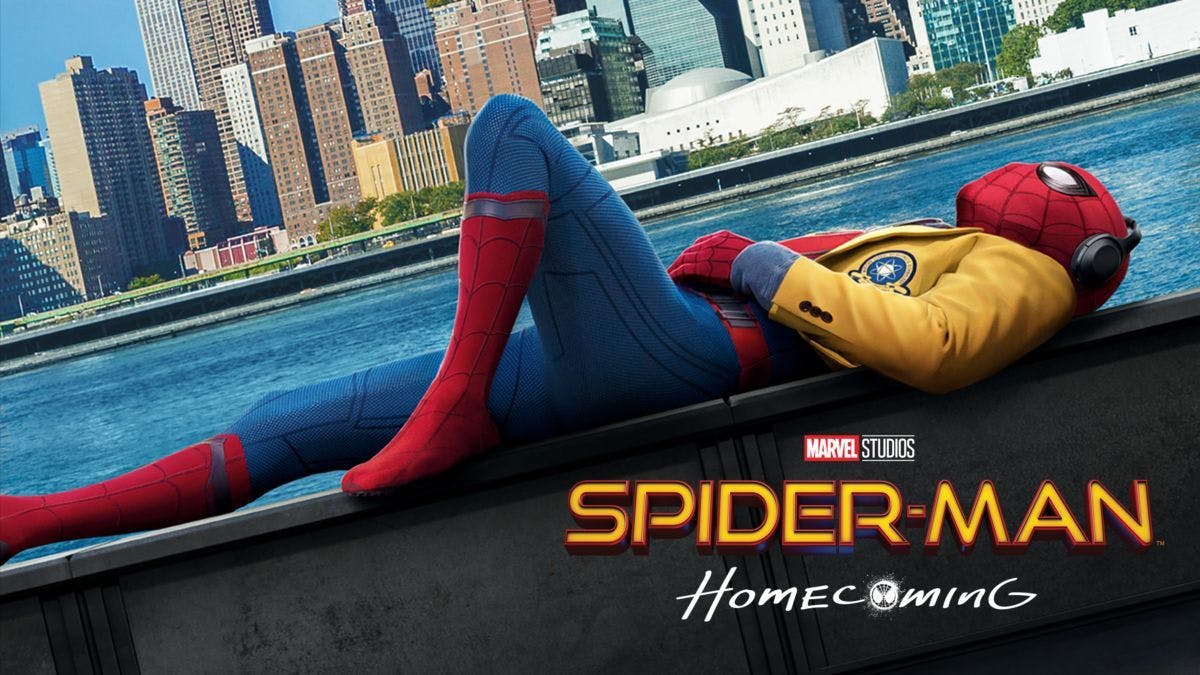
By examining Holland’s debut through the lens of brand strategy, we can uncover how Disney and Sony navigated one of the most intricate corporate identity challenges in Hollywood history.
The Branding Synergy of Captain America: Civil War
The introduction of Tom Holland’s Peter Parker in Captain America: Civil War remains a benchmark for “brand interlacing.” Before 2016, the Spider-Man brand had suffered from diminishing returns and a fragmented identity following the conclusion of the Sam Raimi trilogy and the lukewarm reception of the Amazing Spider-Man reboot.
Reintroducing a Legacy Character through Cross-Brand Collaboration
The strategic decision to debut Holland within an established ensemble film rather than a standalone reboot was a calculated move to borrow “brand equity” from the MCU. By placing a new, untested version of Spider-Man alongside established “anchor brands” like Iron Man (Robert Downey Jr.) and Captain America (Chris Evans), Marvel Studios effectively subsidized the risk of the character’s third iteration in a decade.
This cross-brand collaboration served as a “soft launch.” It allowed the audience to experience the new tone of the character—younger, more kinetic, and inherently tied to the larger Marvel ecosystem—without the high-stakes pressure of carrying a solo film immediately. This is a common tactic in brand management where a “sub-brand” is introduced under the umbrella of a “master brand” to ensure consumer trust from day one.
The Psychology of the “Mentor-Protege” Brand Architecture
One of the most effective branding shifts in Holland’s debut was the architectural link between Peter Parker and Tony Stark. In previous iterations, Spider-Man was a lone-wolf brand. By positioning him as a protege to the MCU’s most successful character, Marvel created a narrative and commercial tether that guaranteed long-term engagement. This “Mentor-Protege” dynamic served as a bridge for fans, transferring the loyalty they felt for Iron Man over to the new Spider-Man. From a strategic standpoint, this ensured that the “Spider-Man” product was no longer an isolated asset but a critical component of a much larger, interconnected value proposition.
Managing Corporate Identity in a Multi-Studio Environment
The “Holland Era” of Spider-Man represents a unique case study in corporate identity: the shared custody of a multi-billion-dollar asset. Unlike most IPs, which are owned and operated by a single entity, the Spider-Man of Civil War and Homecoming was the result of a landmark deal between Sony Pictures and Disney’s Marvel Studios.
The Sony and Disney Licensing Framework
At the heart of Holland’s debut was a complex B2B (business-to-business) strategy. Sony owned the film rights, but Marvel owned the creative “know-how” and the broader cinematic universe. The resulting partnership was a rare example of “co-opetition”—where two competitors cooperate for a mutually beneficial outcome.
For Sony, the goal was to repair a damaged brand and increase the value of their licensing rights. For Disney, the goal was to integrate the world’s most popular superhero into their existing narrative machine to drive merchandise and box-office synergy. The success of this debut proved that brand boundaries could be fluid if the value proposition—a cohesive cinematic experience—was strong enough.
Maintaining Visual Consistency Across Competing Ecosystems
A significant challenge in this partnership was maintaining a consistent corporate identity for the character. The “visual brand” of Spider-Man had to feel fresh enough to distinguish itself from the Tobey Maguire and Andrew Garfield eras, yet familiar enough to satisfy decades of fan expectations.
The introduction of the “Stark-tech” suit in Civil War was a pivotal branding decision. It moved the character away from the “homemade” aesthetic of the past and aligned him with the high-tech, polished aesthetic of the MCU. This visual realignment signaled to the audience that this was a premium version of the character, backed by the creative rigors of the most successful film franchise in history.

Personal Brand Engineering: The Rise of Tom Holland
Beyond the corporate logos and licensing deals, the success of the new Spider-Man brand rested heavily on the personal brand of Tom Holland himself. Casting is, in essence, a form of brand recruitment, and Holland was selected because his personal attributes aligned perfectly with the intended “brand personality” of the new Peter Parker.
Authenticity as a Core Brand Value
In the modern market, authenticity is the highest currency. Holland’s personal brand—characterized by youthful exuberance, physical athleticism (derived from his background in dance and gymnastics), and a perceived “everyman” quality—mirrored the exact traits Marvel wanted for the character.
Prior versions of Spider-Man were often criticized for casting actors who appeared too old for the high school setting. By casting an actor who looked and felt like a genuine teenager, Marvel and Sony leaned into the brand’s core value of “relatability.” Holland’s Peter Parker wasn’t a brooding hero; he was a fan of the heroes he was fighting alongside, a meta-commentary that resonated deeply with the target demographic of Gen Z and younger Millennials.
Leveraging Social Media and “Spoilers” for Audience Engagement
Holland’s personal brand also evolved through a unique, perhaps unintentional, marketing strategy: his reputation for accidentally revealing spoilers. While often framed as humorous gaffes, these “leaks” became a recurring brand touchpoint.
This “accidental” transparency humanized the massive Marvel machine. It made Holland feel like an “insider” who was just as excited as the fans, further blurring the line between the actor and the character. In a digital-first marketing environment, this kind of organic engagement is invaluable. It transformed the promotion of his movies from a top-down corporate broadcast into a bottom-up community conversation.
The Impact of Casting on Brand Longevity and Marketability
The strategic debut of Tom Holland wasn’t just about making one good movie; it was about “future-proofing” a multi-decade asset. The decisions made during the production of Civil War and Homecoming were designed to ensure that the Spider-Man brand could sustain itself for years to come.
Future-Proofing the Superhero Archetype
By introducing Spider-Man as a fifteen-year-old, the studios created a long “runway” for the brand. We have watched the character grow from a high school sophomore to a college-bound young adult. This longitudinal brand development allows the audience to grow alongside the character, creating a deep emotional investment that is difficult to replicate with older, more static characters.
From a business perspective, this is “lifecycle marketing.” By capturing an audience at a young age and evolving the product to meet their changing tastes and maturity levels, Marvel has ensured that the Spider-Man brand remains relevant across different stages of the consumer’s life.
Global Marketability and the Gen Z Appeal
The “Holland Era” Spider-Man was designed for a global, digitally native audience. The humor, the fast-paced editing, and the emphasis on social media and technology within the films reflect the cultural landscape of the 21st century.
Furthermore, Holland’s international appeal—being a British actor playing an iconic American hero—underscores the global nature of modern brand strategy. The brand is no longer confined to a domestic “New York City” identity; it is a global phenomenon. The success of Spider-Man: No Way Home, which acted as a massive “brand reunion,” only succeeded because the “Holland Brand” was strong enough to stand as the anchor for the entire legacy of the character.

Conclusion: The First Step in a Global Brand Pivot
While Captain America: Civil War is the literal answer to “what is the first Spider-Man movie with Tom Holland,” the broader answer lies in the strategic pivot it represented. It was the moment the Spider-Man brand transitioned from a struggling legacy IP into a modernized, integrated, and highly collaborative powerhouse.
Through shrewd brand synergy, complex corporate negotiations, and the careful engineering of a lead actor’s personal brand, Marvel and Sony didn’t just reboot a character—they redefined how global IPs are managed in the 21st century. The Holland era serves as a definitive case study in how to refresh a brand without losing its soul, proving that even the most established identities can find new life when backed by a clear, cohesive, and forward-thinking strategy.
aViewFromTheCave is a participant in the Amazon Services LLC Associates Program, an affiliate advertising program designed to provide a means for sites to earn advertising fees by advertising and linking to Amazon.com. Amazon, the Amazon logo, AmazonSupply, and the AmazonSupply logo are trademarks of Amazon.com, Inc. or its affiliates. As an Amazon Associate we earn affiliate commissions from qualifying purchases.