
In the dynamic world of technology, understanding the fundamental building blocks is crucial for anyone looking to navigate the landscape effectively. Whether you’re a budding developer, a savvy marketer crafting digital strategies, or an investor seeking to grasp the nuances of online businesses, certain concepts are universally important. One such concept, often discussed in hushed tones by IT professionals but rarely explained in plain English, is the environment variable.
While the term might sound intimidating, environment variables are surprisingly ubiquitous and play a vital role in how software runs, how digital brands are managed, and even how online income streams are optimized. This article will demystify environment variables, exploring their purpose, mechanics, and significance across the diverse domains of Tech, Brand, and Money. We’ll uncover why knowing about them can give you a distinct advantage, regardless of your specific area of interest.
The Tech Foundation: How Environment Variables Power Software
At its core, technology relies on instructions and configurations. Software applications, from the simplest script to the most complex enterprise system, need to know how to operate within a specific context. This context is precisely what environment variables provide. They are dynamic, named values that an operating system or an application can use to store information about the computing environment.
The Purpose of Environment Variables: Context is King
Imagine you’re baking a cake. You have a recipe, but the ingredients might vary slightly depending on your location (e.g., different types of flour available) or the tools you have at hand (e.g., oven temperature calibration). Environment variables act as these flexible parameters for software. They allow developers to configure applications without hardcoding specific values directly into the code itself. This offers several significant advantages:
- Flexibility and Portability: Instead of writing code that assumes a database is at
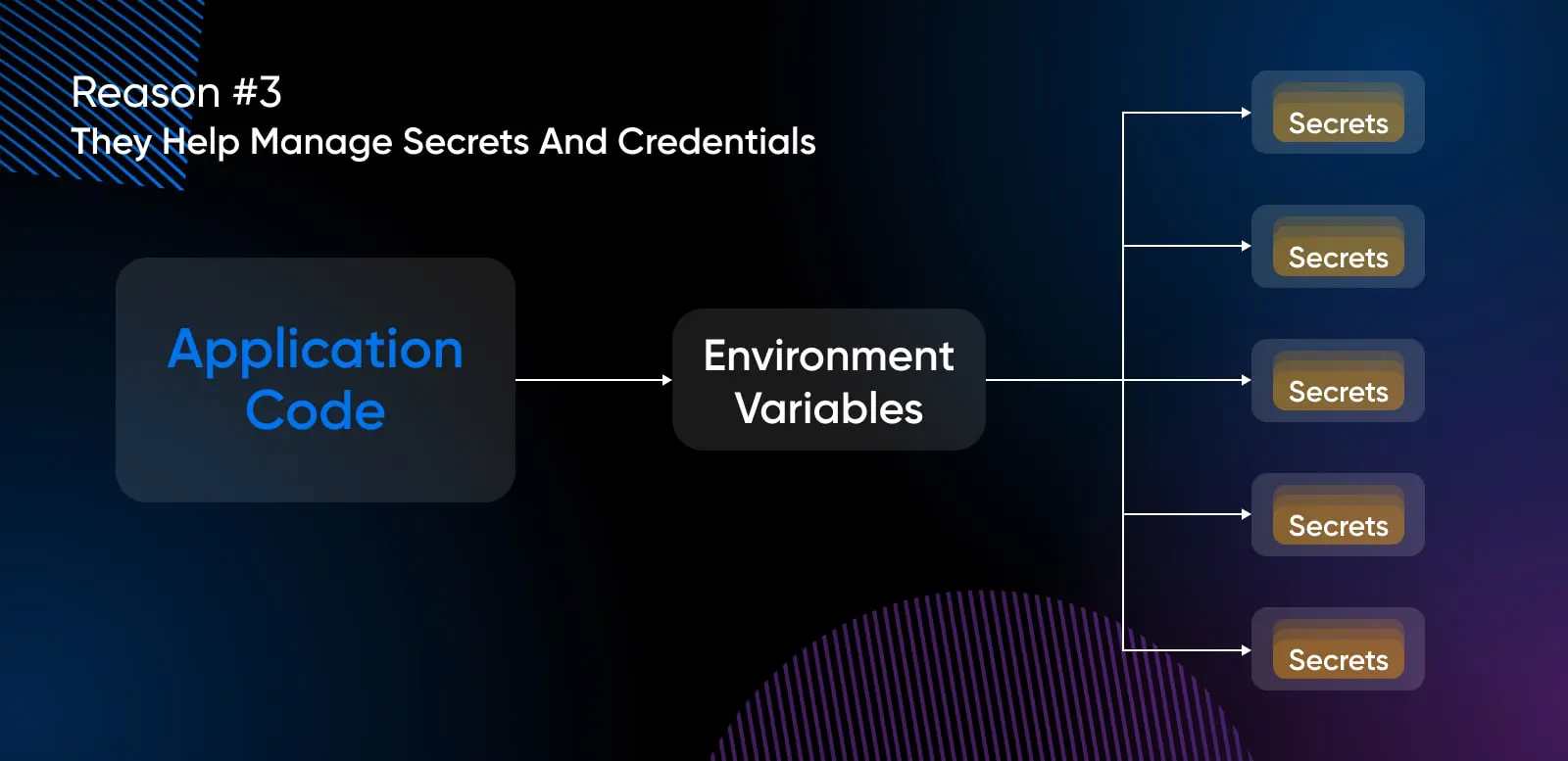
localhost:5432, an environment variable likeDATABASE_URLcan be set to different values depending on whether the application is running locally, on a staging server, or in production. This makes the software much more portable and adaptable to different environments. - Security: Sensitive information, such as API keys, passwords, and database credentials, should never be embedded directly in source code. Environment variables provide a secure way to store and access this information. When deploying applications, these variables can be managed by the hosting environment, keeping secrets out of version control systems where they could be accidentally exposed.
- Configuration Management: For applications that need to interact with various services or external resources, environment variables streamline configuration. Instead of managing multiple configuration files for different deployments, a single set of environment variables can tailor the application’s behavior.
- Development vs. Production Parity: Developers often work with local databases and development servers. Environment variables allow them to easily switch between development configurations (e.g., a local database) and production configurations (e.g., a remote, scaled database) without altering the codebase.
How They Work: A Peek Under the Hood
Environment variables are essentially key-value pairs. The “key” is the name of the variable (e.g., PATH, HOME, NODE_ENV), and the “value” is the data associated with that name (e.g., /usr/local/bin, /Users/yourusername, production).
These variables are accessible at two main levels:
- System-wide: Some environment variables are set by the operating system and are available to all users and processes on the system. For instance, the
PATHvariable tells the operating system where to look for executable programs. When you type a command likelsin your terminal, the OS checks the directories listed in thePATHenvironment variable to find thelsexecutable. - Process-specific: Applications can also define their own environment variables, which are then available to that specific process and any child processes it spawns. This is particularly common in web development frameworks where framework-specific configurations are passed through environment variables.
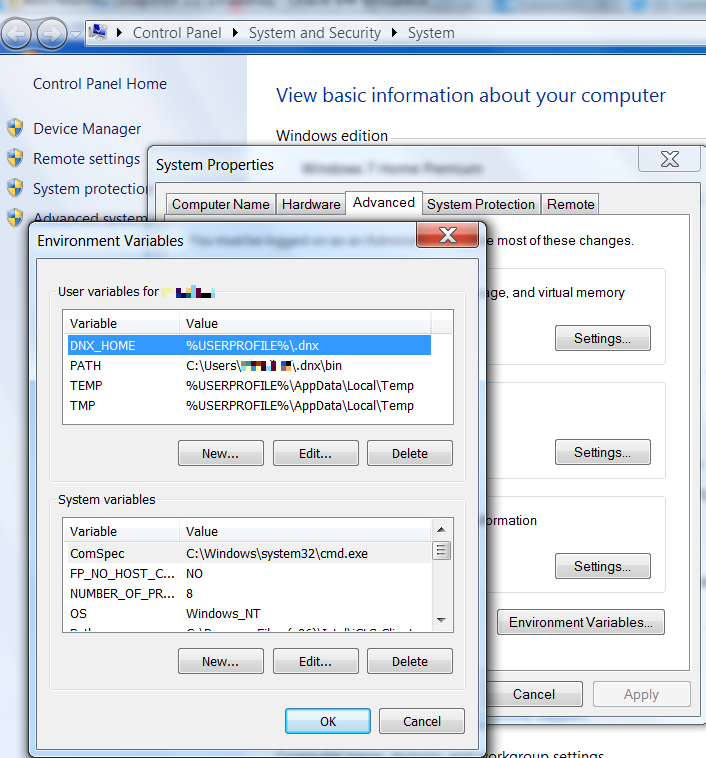
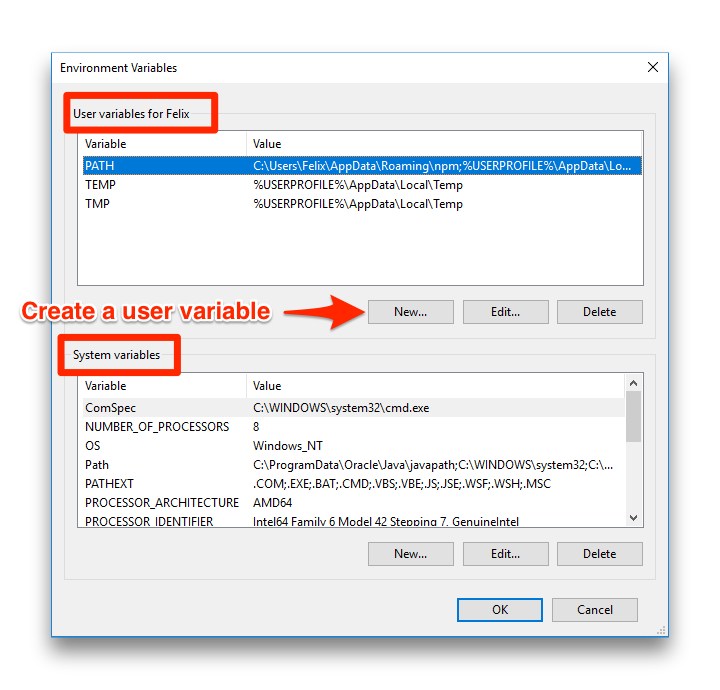
You can typically view and manage environment variables through your operating system’s command line interface. For example, on Linux and macOS, you can use commands like env or printenv. On Windows, you can access them through the system properties or use commands like set.
Branding in the Digital Age: Environment Variables for Identity and Reach
While the direct connection between environment variables and branding might not be immediately obvious, their impact is profound, especially in the digital realm. Brand strategy, personal branding, and corporate identity are increasingly shaped by how digital assets are managed and how online experiences are delivered.
Personal Branding: Tailoring Your Digital Footprint
For individuals building a personal brand, especially those in tech or online content creation, environment variables can play a subtle but important role.
- Website Configuration: If you have a personal website or blog, the underlying platform or framework likely uses environment variables for crucial settings. This could include API keys for social media integrations, database credentials for managing content, or deployment configurations that ensure your site is accessible to your audience. A well-configured website, powered by appropriate environment variables, contributes to a professional and reliable online presence, a cornerstone of personal branding.
- Content Management Systems (CMS): Many CMS platforms, like WordPress or headless CMS solutions, leverage environment variables for database connections, email service configurations, and even feature flags. Ensuring these are correctly set up means your content is delivered seamlessly to your audience, enhancing your brand’s consistency and trustworthiness.
Corporate Identity and Marketing: Scalability and Security in Digital Operations
For businesses and corporations, environment variables are fundamental to their digital infrastructure and marketing efforts.
- Scalable Infrastructure: As a brand grows, its digital presence needs to scale. Cloud hosting platforms and containerization technologies (like Docker and Kubernetes) heavily rely on environment variables to manage application configurations across numerous servers. This allows a brand’s website or application to handle increased traffic and demand without compromising performance, directly impacting customer experience and brand perception.
- Targeted Marketing Campaigns: In digital marketing, data is paramount. Marketing automation tools, analytics platforms, and advertising services often require API keys or specific endpoints for integration. Environment variables provide a secure and organized way to manage these credentials, ensuring that your marketing campaigns are accurately tracked and delivered to the right audience. For example, an analytics platform might use an environment variable to determine which database to pull user data from, allowing for segmented reporting and personalized marketing efforts.
- Consistent User Experience: Maintaining a consistent brand experience across all digital touchpoints is critical. Environment variables can help control specific features or content variations based on user location, language, or device. For instance, a website might use an environment variable to serve content in a specific language or display region-specific promotions, contributing to a more personalized and effective brand interaction.
- Reputation Management: A secure digital infrastructure is vital for protecting a brand’s reputation. By using environment variables for sensitive credentials, companies reduce the risk of data breaches, which can severely damage trust and credibility. The ability to quickly update or revoke access through environment variable management is a crucial aspect of maintaining a secure and reputable online presence.
The Money Connection: Optimizing Online Income and Business Finance
For those focused on personal finance, investing, and online income, understanding environment variables can translate into more efficient operations, reduced costs, and potentially increased profits.
Online Income Streams: Efficiency and Security in Your Digital Business
If you’re running an online business, managing side hustles, or generating income through digital platforms, the underlying technology often relies on environment variables.
- E-commerce and Payment Gateways: Online stores and platforms that process payments need to securely connect with payment gateways. These integrations often involve API keys and secret tokens, which are ideally stored as environment variables. This ensures that financial transactions are processed securely, protecting both the business and its customers, and safeguarding revenue streams.
- SaaS Products and APIs: If you offer a Software as a Service (SaaS) product or utilize APIs for your online venture, environment variables are essential for configuring database connections, third-party service integrations, and subscription management. Efficiently managing these settings can lead to smoother operations and a more reliable service, which directly impacts customer retention and revenue.
- Automated Trading and Investment Tools: In the realm of algorithmic trading or automated investment strategies, environment variables are used to store API keys for stock exchanges, cryptocurrency exchanges, and other financial data providers. Securely managing these keys is paramount to prevent unauthorized access to trading accounts and to protect investment capital.
- Cost Optimization: For cloud-based applications that power online income streams, environment variables play a role in managing resource allocation and configurations. By accurately defining these variables, businesses can ensure they are not over-provisioning resources, thereby optimizing cloud spending and improving their bottom line.
Business Finance: Streamlining Operations and Reducing Risk
For businesses managing their finances, environment variables contribute to operational efficiency and risk mitigation.
- Financial Software and Integrations: Many accounting and financial management software solutions integrate with other services. These integrations, whether for banking, payroll, or tax preparation, often rely on environment variables to manage API credentials and secure connections. This streamlined data flow can reduce manual data entry errors and improve the accuracy of financial reporting.
- Data Security and Compliance: Protecting sensitive financial data is a top priority for any business. By storing database credentials and API keys for financial systems as environment variables, businesses can enhance security and meet regulatory compliance requirements. This reduces the risk of breaches and associated financial penalties and reputational damage.
- Development and Deployment of Financial Tools: Businesses developing their own internal financial tools or customer-facing applications will use environment variables extensively for configuration. This allows for easy adaptation to different deployment environments, from development to testing to production, ensuring that financial applications are robust and reliable.
Conclusion: Embracing the Power of Environment Variables
From the intricate workings of software to the strategic deployment of digital brands and the careful management of financial resources, environment variables are an often-overlooked but fundamental element. Understanding their purpose and how they function empowers individuals and businesses to build more secure, flexible, and efficient systems.
For tech enthusiasts, mastering environment variables is a gateway to deeper understanding of software architecture and deployment. For brand strategists, recognizing their role in digital infrastructure highlights how technical configurations directly impact brand perception and scalability. And for those focused on money, knowing how to leverage environment variables can lead to more secure online ventures, optimized operations, and ultimately, greater financial success.
The next time you hear the term “environment variable,” don’t shy away. Instead, recognize it as a powerful tool for configuring the digital world around you. By understanding this seemingly simple concept, you gain a more informed perspective on how technology shapes our brands, our businesses, and our financial futures.
aViewFromTheCave is a participant in the Amazon Services LLC Associates Program, an affiliate advertising program designed to provide a means for sites to earn advertising fees by advertising and linking to Amazon.com. Amazon, the Amazon logo, AmazonSupply, and the AmazonSupply logo are trademarks of Amazon.com, Inc. or its affiliates. As an Amazon Associate we earn affiliate commissions from qualifying purchases.