
The realm of modern medicine is filled with complex compounds and intricate treatment strategies, designed to combat a wide array of diseases and conditions. Among these, mycophenolate mofetil (often shortened to mycophenolate) stands out as a potent immunosuppressant. While its name might not be as widely recognized as some common medications, its impact on certain patient populations is profound and often life-altering. This article delves into the primary uses of mycophenolate, exploring the scientific underpinnings of its efficacy and its significance in managing serious health challenges.
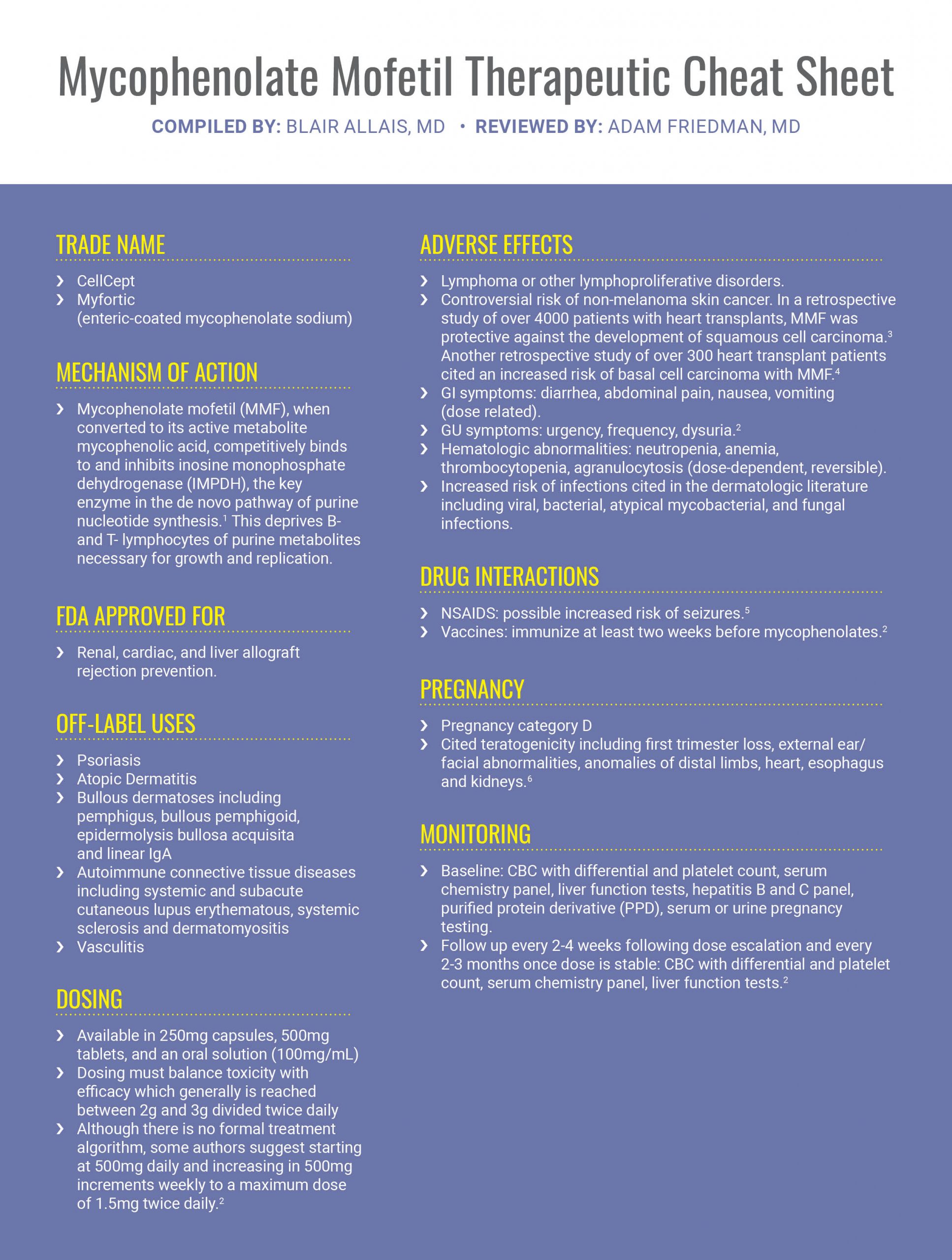
Mycophenolate mofetil is a prodrug, meaning it’s converted in the body into its active form, mycophenolic acid. This active compound works by inhibiting a crucial enzyme in the proliferation of lymphocytes, a type of white blood cell that plays a central role in the immune system’s response. Specifically, mycophenolic acid interferes with the synthesis of purines, which are essential building blocks for DNA and RNA. By blocking this process, mycophenolate effectively dampens the immune system’s overactive or misdirected responses, which are at the heart of many autoimmune diseases and the rejection of transplanted organs.
Understanding the Mechanism of Action: Suppressing the Immune System
The immune system, a marvel of biological engineering, is designed to protect the body from foreign invaders like bacteria, viruses, and other pathogens. However, in certain individuals, this system can malfunction, mistakenly attacking the body’s own healthy tissues. These are known as autoimmune diseases. In other scenarios, the immune system perceives transplanted organs as foreign and mounts an aggressive attack to eliminate them. Mycophenolate mofetil intervenes in these processes by selectively targeting the rapid proliferation of T-lymphocytes and B-lymphocytes, key players in initiating and orchestrating immune responses.
Lymphocyte Proliferation and the Role of IMPDH
At the core of mycophenolate’s action lies its inhibition of inosine monophosphate dehydrogenase (IMPDH). This enzyme is vital for the de novo synthesis of purine nucleotides, which are then used to produce DNA and RNA. Lymphocytes, particularly when activated, have a high demand for purines to rapidly replicate themselves and mount an effective immune response. By inhibiting IMPDH, mycophenolate deprives these rapidly dividing lymphocytes of the necessary building blocks for their proliferation.
This targeted suppression is crucial. While a healthy immune system requires robust lymphocyte activity to fight off infections, an overactive or misdirected immune response can lead to chronic inflammation and tissue damage. Mycophenolate aims to strike a balance, reducing the harmful immune activity without completely incapacitating the body’s defenses, which could leave patients vulnerable to infections.
Selective Targeting and Reduced Side Effects
The selectivity of mycophenolate’s action is a significant advantage. It primarily affects lymphocytes, which are responsible for adaptive immunity (the specific immune response). While other immune cells are also somewhat affected, the impact is less pronounced compared to the potent suppression of lymphocyte proliferation. This targeted approach helps to minimize some of the broader immunosuppressive side effects that might be seen with other classes of drugs. However, it’s important to note that any immunosuppression carries an inherent risk of increased susceptibility to infections.
Key Applications of Mycophenolate: Organ Transplantation and Autoimmune Diseases
The therapeutic landscape where mycophenolate has made the most significant impact is in the fields of organ transplantation and the management of severe autoimmune disorders. Its ability to prevent the body from rejecting foreign tissues and to quell the self-destructive attacks of autoimmune diseases has revolutionized treatment protocols and significantly improved patient outcomes.
Organ Transplantation: Preventing Rejection
The success of organ transplantation relies heavily on preventing the recipient’s immune system from recognizing the transplanted organ as foreign and launching an attack. This “rejection” can lead to organ failure and loss of the transplant. Mycophenolate is a cornerstone of immunosuppressive therapy in this context. It is typically used in combination with other immunosuppressants, such as corticosteroids and calcineurin inhibitors (like cyclosporine or tacrolimus), to provide a multi-pronged approach to suppressing the immune response.
The goal is to reduce the number and activity of immune cells that would otherwise target the new organ. By lowering the risk of acute and chronic rejection, mycophenolate significantly increases the long-term survival rates of transplanted organs, including kidneys, hearts, livers, and lungs. Patients receiving organ transplants often require lifelong immunosuppression, and mycophenolate plays a vital role in maintaining this delicate balance. The timing of administration and dosage are critical and are carefully managed by transplant teams to optimize efficacy while minimizing risks.
Autoimmune Diseases: Calming the Body’s Own Attacks
Beyond transplantation, mycophenolate is a critical medication for managing a spectrum of serious autoimmune diseases. In these conditions, the immune system mistakenly attacks the body’s own tissues, leading to inflammation and damage in various organs and systems.
1. Lupus Nephritis: Systemic lupus erythematosus (SLE), commonly known as lupus, is a chronic autoimmune disease that can affect multiple organs. Lupus nephritis is a severe manifestation where the kidneys are inflamed. Mycophenolate is a first-line treatment option for induction therapy in lupus nephritis, aiming to reduce the inflammation and prevent further kidney damage. Clinical trials have demonstrated its efficacy in achieving remission and preserving kidney function.

2. Rheumatoid Arthritis: While not always a first-line therapy for all patients, mycophenolate can be considered for severe rheumatoid arthritis that has not responded adequately to other disease-modifying antirheumatic drugs (DMARDs). It helps to suppress the inflammation that characterizes this condition, leading to reduced joint pain, swelling, and stiffness.
3. Inflammatory Bowel Disease (IBD): Mycophenolate has shown utility in managing certain types of inflammatory bowel disease, such as Crohn’s disease and ulcerative colitis, particularly in cases that are refractory to conventional treatments. It helps to reduce the inflammation in the gastrointestinal tract, leading to symptom relief and improved quality of life.
4. Vasculitis: Vasculitis refers to a group of disorders characterized by inflammation of blood vessels. Mycophenolate can be used in the treatment of certain types of vasculitis, helping to control the inflammatory process and prevent damage to organs supplied by the affected blood vessels.
5. Other Autoimmune Conditions: Mycophenolate may also be used off-label for other autoimmune conditions where immunosuppression is a key therapeutic strategy, often when other treatments have failed. This can include conditions affecting the skin, eyes, or other organ systems.
Considerations, Side Effects, and Monitoring
While mycophenolate offers significant therapeutic benefits, like all potent medications, it comes with potential side effects and requires careful monitoring. Understanding these aspects is crucial for both patients and healthcare providers to ensure safe and effective use.
Common and Serious Side Effects
The immunosuppressive nature of mycophenolate can lead to an increased risk of infections, both common and opportunistic. Patients may experience:
- Gastrointestinal Issues: Nausea, vomiting, diarrhea, and abdominal pain are common.
- Blood Disorders: Mycophenolate can affect blood cell counts, leading to anemia (low red blood cells), leukopenia (low white blood cells), and thrombocytopenia (low platelets). This necessitates regular blood monitoring.
- Increased Risk of Infections: As mentioned, weakened immunity makes patients more susceptible to bacterial, viral, fungal, and parasitic infections.
- Skin Reactions: Rashes and other skin sensitivities can occur.
- Birth Defects: Mycophenolate is teratogenic, meaning it can cause severe birth defects. It is contraindicated in pregnancy, and strict contraceptive measures are essential for women of childbearing potential.
More serious, though less common, side effects can include:
- Progressive Multifocal Leukoencephalopathy (PML): A rare but devastating neurological disorder caused by a reactivated JC virus.
- Increased Risk of Certain Cancers: Long-term immunosuppression is associated with a slightly increased risk of certain cancers, particularly skin cancers and lymphomas.
Monitoring and Management
Due to the potential for side effects and the need to maintain therapeutic drug levels, patients on mycophenolate require regular medical supervision. This typically involves:
- Regular Blood Tests: To monitor complete blood counts, liver and kidney function, and drug levels.
- Infection Surveillance: Patients are advised to report any signs of infection promptly, such as fever, chills, sore throat, or persistent cough.
- Vaccination Guidance: Live vaccines are generally contraindicated in patients on immunosuppressants. Routine vaccinations are often recommended before starting immunosuppressive therapy or at a time when immune function is less suppressed.
- Pregnancy Prevention: For women of childbearing potential, robust counseling on contraception and the risks of pregnancy is paramount.
The dosage and formulation (tablet or intravenous) of mycophenolate are carefully chosen based on the patient’s condition, weight, and response to treatment. Healthcare providers work closely with patients to manage any side effects and optimize the therapeutic regimen.

The Future of Immunosuppression and Mycophenolate’s Place
As medical science advances, research continues to explore more targeted and personalized approaches to immunosuppression. While newer agents are being developed, mycophenolate mofetil has firmly established itself as a vital tool in the clinician’s arsenal. Its proven efficacy, combined with extensive clinical experience, ensures its continued importance in managing organ transplant recipients and individuals with severe autoimmune diseases.
The ongoing quest is to achieve the optimal balance: effectively suppressing harmful immune responses while minimizing the risks of infection, malignancy, and other debilitating side effects. Innovations in drug delivery, combination therapies, and a deeper understanding of individual immune profiles will likely shape the future of immunosuppressive treatment. However, for now, mycophenolate remains a cornerstone of therapy, offering hope and improved quality of life to many who would otherwise face dire prognoses. Its impact underscores the intricate relationship between the immune system and disease, and the power of pharmacological intervention to restore balance and health.
aViewFromTheCave is a participant in the Amazon Services LLC Associates Program, an affiliate advertising program designed to provide a means for sites to earn advertising fees by advertising and linking to Amazon.com. Amazon, the Amazon logo, AmazonSupply, and the AmazonSupply logo are trademarks of Amazon.com, Inc. or its affiliates. As an Amazon Associate we earn affiliate commissions from qualifying purchases.