
In our increasingly interconnected global landscape, understanding time zones isn’t just a matter of knowing when your favorite TV show airs or when your international colleagues are available. For businesses, remote teams, and even individuals navigating online services, a clear grasp of time zone differences is fundamental to efficient operations, effective communication, and maximizing opportunities. This article delves into the distinctions between the Eastern and Pacific Time Zones in the United States, exploring their implications across technology, branding, and finance, and offering practical insights for thriving in a digitally driven world.

Understanding the Core Difference: A Geographical and Temporal Divide
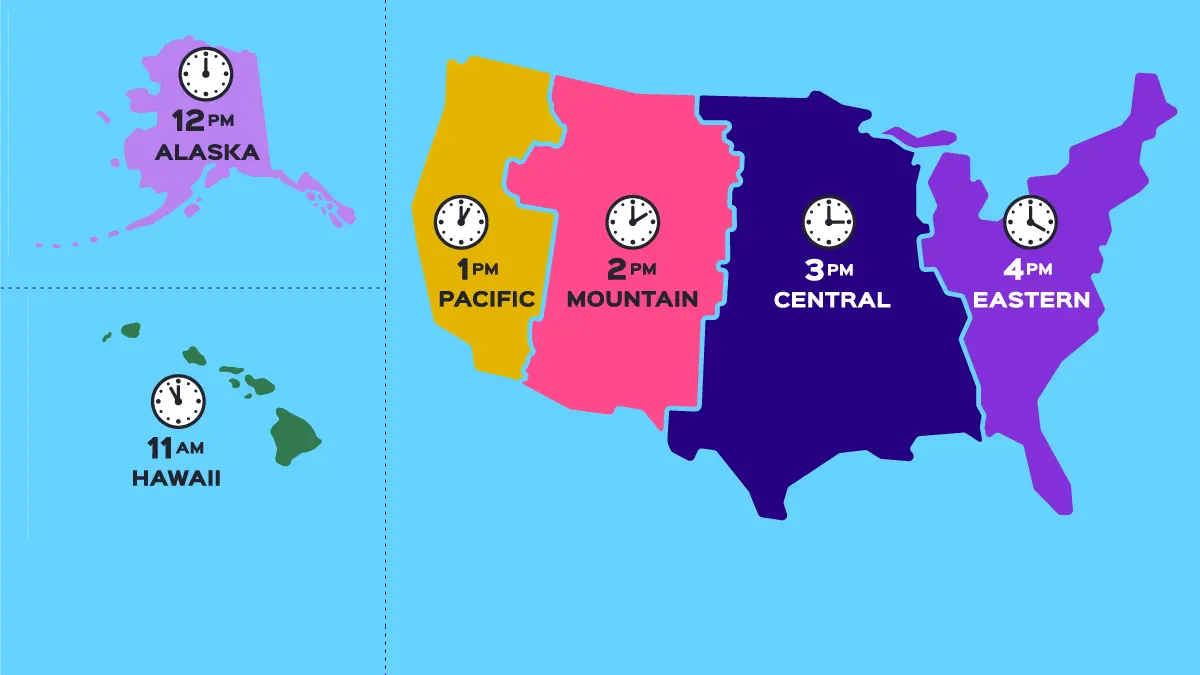
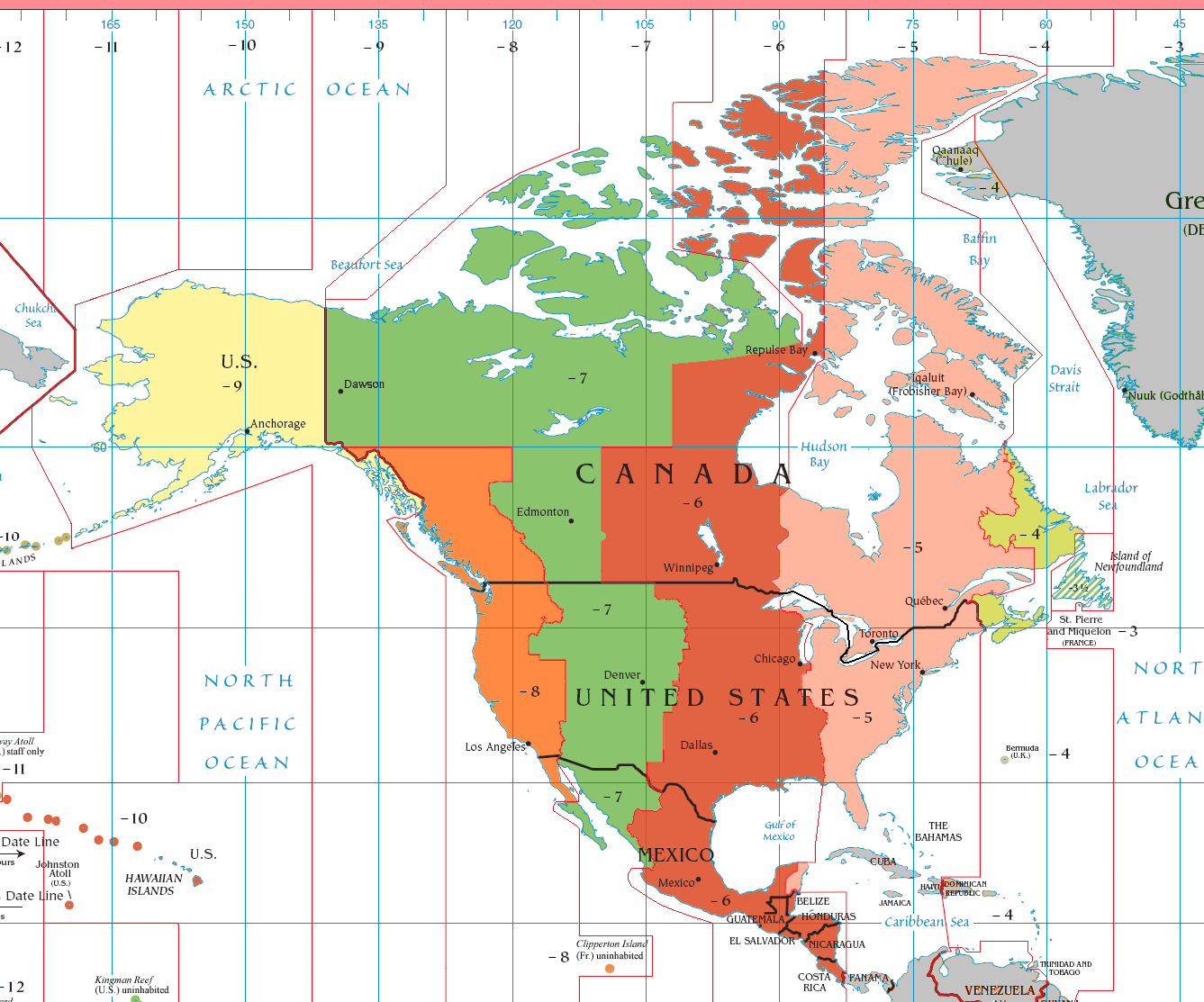
At its heart, the difference between Eastern Time (ET) and Pacific Time (PT) is rooted in geography and the systematic division of the Earth into 24 time zones. The United States, spanning a significant portion of the North American continent, is divided into several of these zones. Eastern Time generally covers the easternmost states, while Pacific Time encompasses the westernmost continental states.
The fundamental difference is a matter of hours. Eastern Time is three hours ahead of Pacific Time. This means that when it is 12:00 PM (noon) in New York (Eastern Time), it is 9:00 AM in Los Angeles (Pacific Time). This seemingly simple three-hour gap has profound implications for how we interact, conduct business, and leverage technology.
Daylight Saving Time: A Shifting Landscape
It’s crucial to note that both Eastern and Pacific Time observe Daylight Saving Time (DST). During DST, clocks are typically moved forward by one hour in the spring and back by one hour in the fall. This means:
- Eastern Daylight Time (EDT) is UTC-4.
- Pacific Daylight Time (PDT) is UTC-7.
The three-hour difference remains consistent whether DST is in effect or not, but the Universal Coordinated Time (UTC) offsets change. For the vast majority of the year, the rule of thumb is: ET is three hours ahead of PT.
Navigating the Tech Landscape: Real-Time Collaboration and Global Reach
In the realm of technology, where speed and constant connectivity are paramount, the difference between ET and PT significantly influences how we develop, deploy, and consume digital products and services.
The Impact on Software Development and Operations
For software development teams, especially those distributed across the US, the ET/PT difference presents both challenges and opportunities for workflow optimization.
- Asynchronous Communication is Key: Teams in ET can begin their workday while PT teams are still ending theirs. This allows for a natural handoff of tasks. An ET developer can complete a coding module and pass it to a PT QA tester, who can begin testing as their workday starts. This “follow-the-sun” model can accelerate development cycles.
- Deployment Windows: Critical software updates and deployments often require minimal user impact. Knowing the time difference allows for strategic scheduling. A deployment initiated late in the ET workday might occur during the early morning hours for PT users, minimizing disruption.
- Customer Support and Incident Response: Providing 24/7 customer support is a growing expectation. Companies with operations or support teams across ET and PT can offer continuous coverage. When ET support closes for the day, PT support can seamlessly take over, ensuring that users in different regions always have access to assistance.
- AI Tools and Global Data Processing: The training and deployment of AI models often involve massive datasets and significant processing power. Understanding time zones can be crucial for optimizing resource allocation. For instance, a cloud computing task initiated during off-peak hours in one region can be scheduled to coincide with peak efficiency in another, potentially reducing costs and improving performance.
- App and Gadget Release Schedules: The launch of new apps or hardware often targets specific market segments. Companies might time their releases to coincide with prime user engagement times in different regions. A global app launch might have a staggered release, with initial access for ET users, followed by PT users, and then international markets, allowing for phased monitoring and issue resolution.
Digital Security and Monitoring
The time zone differential also plays a role in digital security. Security operations centers (SOCs) that monitor for threats and respond to incidents need to have a comprehensive understanding of global activity.
- Proactive Threat Monitoring: By having teams or automated systems monitor activity across different time zones, organizations can detect and respond to emerging threats more rapidly. A cyberattack originating in the PST might be identified by an EST-based security analyst at the start of their shift.
- Incident Forensics: When a security breach occurs, the timeline of events is critical for investigation. Accurately correlating log data from servers and user activity across different time zones is essential for understanding the full scope of the incident.
Building Brands Across Time: Marketing, Reputation, and Reach
For brands, particularly those operating digitally, the ET/PT divide influences how they connect with their audience, manage their reputation, and execute marketing campaigns.
Reaching Your Audience at the Right Time
- Marketing Campaign Timing: Social media posts, email newsletters, and digital advertisements are most effective when they reach the target audience during their active hours. Marketers in ET need to consider that their PT audience is three hours behind when scheduling their communications. A lunchtime post in ET might be too early for a PT audience, while a late afternoon post in ET might be past peak engagement for PT users.
- Website Traffic and User Engagement: Understanding peak traffic times for different regions can inform website design and content strategy. A company might optimize its website for faster loading speeds during PT’s peak hours if it observes higher engagement then.
- Online Reputation Management: Monitoring online mentions and reviews is a continuous process. Having a system in place that accounts for the different active hours of users across ET and PT ensures that no significant feedback or crisis goes unnoticed. A negative review posted in the late afternoon PT might be seen by an ET-based reputation manager first thing in their morning.
Corporate Identity and Global Perception
- Consistent Brand Experience: Even with time zone differences, brands strive to offer a consistent experience. This applies to customer service availability, website functionality, and the timing of official announcements. A company might have its primary customer support line available during extended hours to cover both ET and PT, or it might clearly communicate its operating hours in each relevant time zone.
- Case Studies and Success Stories: When showcasing brand success, the geographical location of clients and the timing of their achievements can be relevant. Highlighting how a brand has impacted businesses on both coasts, acknowledging their respective operational schedules, adds depth to their narrative.
Mastering the Money Matters: Personal Finance, Investing, and Online Income
The financial world, whether personal or corporate, is deeply intertwined with time. The ET/PT difference has significant implications for trading, online business operations, and personal financial management.
The Dynamics of Financial Markets
- Stock Market Trading: The New York Stock Exchange (NYSE) and Nasdaq are based in ET, opening at 9:30 AM ET. This means that trading in ET begins at 6:30 AM PT. While the primary US markets are ET-based, understanding this early start is crucial for West Coast investors. Furthermore, global markets operate on their own time zones, and the ability to monitor and react to events across different hours is vital for successful investing.
- Online Banking and Financial Transactions: Most online banking platforms are accessible 24/7, but the processing of certain transactions might be influenced by business hours. For instance, initiating a large wire transfer late in the ET business day might mean it’s not processed until the next business day for PT-based financial institutions.
- Cryptocurrency Trading: The decentralized nature of cryptocurrencies means they trade around the clock. However, significant price movements and trading volumes often correlate with the active hours of major financial centers. Understanding when major markets are opening and closing in ET and PT can provide insights into potential trading opportunities and risks.
Maximizing Online Income and Side Hustles
For individuals pursuing online income streams or side hustles, time zone awareness can be a significant advantage.
- Freelancing and Remote Work: Freelancers often serve clients across different time zones. Accurately scheduling client calls, setting deadlines, and delivering work on time requires a solid understanding of ET/PT differences. A freelancer based in PT might take on a project from an ET-based client, allowing for overlapping work hours for collaboration while also enabling independent work during their respective peak productivity times.
- E-commerce and Online Sales: If you’re running an online store, understanding when your target audience is most likely to be browsing and purchasing can inform your marketing and customer service strategies. Targeted promotions or flash sales can be scheduled to coincide with peak shopping hours in different time zones.
- Online Courses and Webinars: Educators and content creators often host live online sessions. To maximize attendance, they need to consider the time zones of their audience. Offering sessions at times that are convenient for both ET and PT participants, or providing recordings, is essential for broad reach.
- Gig Economy Platforms: Many gig economy platforms, from ride-sharing to task-based services, have peak demand times that can vary by region. Understanding these patterns, informed by time zone differences, can help individuals optimize their earnings by working during the busiest periods.
Conclusion: Time Zones as a Strategic Advantage
The difference between Eastern and Pacific Time Zones is more than just a three-hour gap; it’s a fundamental aspect of navigating our digitally connected world. Whether you’re a tech innovator, a brand builder, or a financial strategist, understanding and leveraging these temporal distinctions can provide a significant competitive edge.
By embracing asynchronous communication, strategically scheduling digital operations, and tailoring marketing efforts to audience activity, businesses and individuals can foster greater efficiency, enhance collaboration, and ultimately achieve better outcomes. In a world where time is a precious commodity, mastering the nuances of time zones is not just about telling time – it’s about maximizing opportunity.
aViewFromTheCave is a participant in the Amazon Services LLC Associates Program, an affiliate advertising program designed to provide a means for sites to earn advertising fees by advertising and linking to Amazon.com. Amazon, the Amazon logo, AmazonSupply, and the AmazonSupply logo are trademarks of Amazon.com, Inc. or its affiliates. As an Amazon Associate we earn affiliate commissions from qualifying purchases.