
The age-old question, often debated around dinner tables and certainly within the culinary world, boils down to a surprisingly simple, yet often misunderstood, distinction: the botanical definition. While our taste buds and cooking habits might classify things differently, nature has its own classifications. Understanding this difference isn’t just about trivia; it can influence how we approach recipes, how we think about nutrition, and even how certain industries operate. In the context of technology, branding, and finance, this fundamental difference might seem tangential, but consider how precise definitions and clear categorizations are crucial in all these fields. Just as we wouldn’t want to miscategorize a software update as a hardware upgrade, or a marketing campaign as a public relations crisis, we must also understand the core distinctions in nature.

The Botanical Blueprint: Seeds of Truth
At its core, the distinction between a fruit and a vegetable lies in their origin and function within the plant. This is where the botanical definition takes precedence, and it’s a classification based on reproductive roles.
The Reproductive Role: More Than Just Edibles
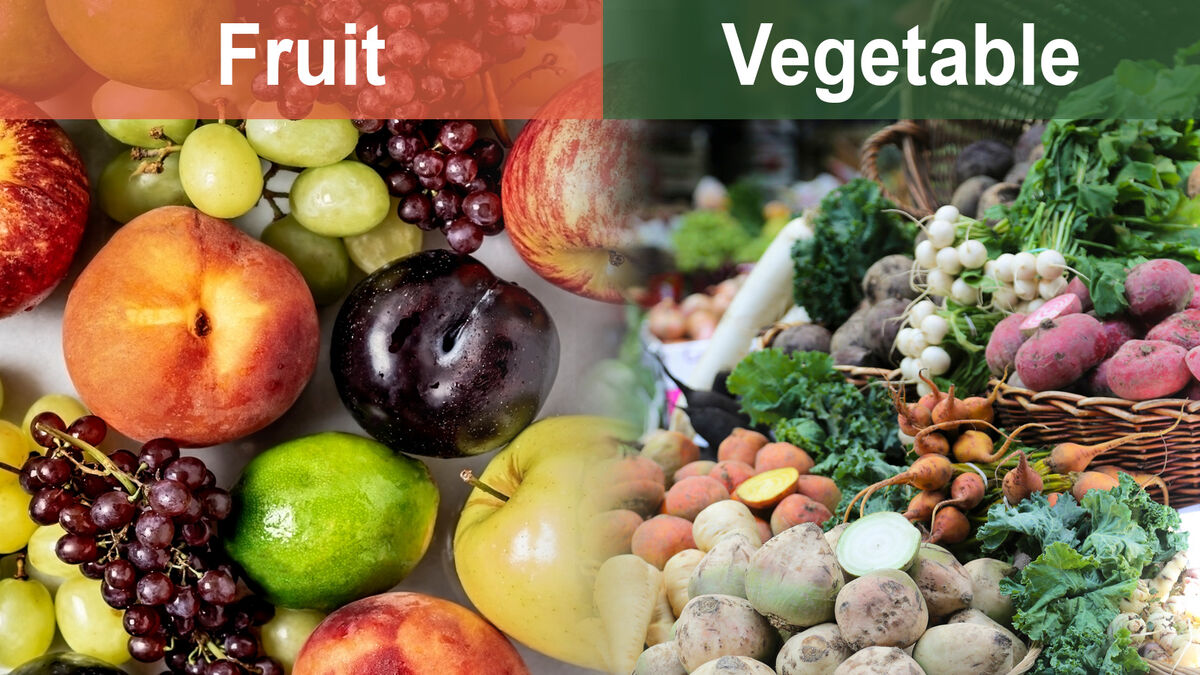
Botanically speaking, a fruit is the mature ovary of a flowering plant, enclosing the seed or seeds. Its primary purpose is to facilitate the dispersal of these seeds, ensuring the continuation of the plant species. Think of it as the plant’s natural packaging for its offspring. This means that anything that develops from the flower of a plant and contains seeds is, technically, a fruit.
Conversely, a vegetable is a broader term encompassing all other edible parts of a plant. This includes the roots (carrots, potatoes), stems (celery, asparagus), leaves (spinach, lettuce), flowers (broccoli, cauliflower), and even bulbs (onions, garlic). Vegetables are essentially the non-reproductive parts of the plant that we consume.
Examples that Challenge Culinary Norms
This botanical definition often leads to some surprising reclassifications that clash with our everyday culinary understanding.
- Tomatoes: Perhaps the most famous example, tomatoes are botanically fruits because they develop from the flower of the tomato plant and contain seeds. Despite their savory profile and frequent use in salads and sauces, they are botanically berries.
- Cucumbers: Similar to tomatoes, cucumbers also develop from the flower and house seeds, making them fruits. Their watery texture and refreshing quality often lead us to think of them as vegetables.
- Peppers (Bell Peppers, Chili Peppers): All varieties of peppers are fruits, as they are the seed-bearing structures derived from the flower of the pepper plant.
- Squash and Pumpkins: These large gourds are unequivocally fruits for the same reasons – they originate from the flower and carry seeds.
- Avocados: While creamy and often used in savory dishes, avocados are botanically classified as large berries with a single large seed.
- Eggplants: This fleshy, seed-filled orb is also a fruit.
- Zucchini: A type of squash, zucchini is therefore a fruit.
On the other hand, foods we commonly consider fruits but are botanically vegetables include:
- Rhubarb: Despite its sweet preparation in pies and crumbles, rhubarb is botanically a vegetable because we eat its stalk, not its seed-bearing structure.
- Sweet Potatoes and Potatoes: These are root vegetables.
- Onions and Garlic: These are bulbs, which are modified stems and leaves.
- Spinach, Kale, Lettuce: These are all leaves.
- Broccoli and Cauliflower: These are flower buds.
- Asparagus: This is a stem.
This divergence between botanical and culinary classifications highlights how our perception is often shaped by usage and taste rather than strict biological definitions.
The Culinary Canvas: Taste, Texture, and Tradition
While botanists classify based on reproductive function, the culinary world operates on a different set of principles: taste, texture, and how a particular plant part is used in cooking. This is where the commonly accepted understanding of fruits and vegetables comes into play.
Flavor Profiles and Usage in Dishes
In the kitchen, the distinction is largely based on sweetness and typical use:
- Fruits: Generally characterized by their sweetness, often consumed raw, as desserts, in jams, or as snacks. Their sugars are a key characteristic.
- Vegetables: Typically less sweet, often savory, and more commonly used in main courses, side dishes, soups, and salads. They are often cooked before consumption.

Navigating the Grey Areas and Common Misconceptions
This culinary lens creates the familiar categories we use every day. However, it also explains why certain items, like tomatoes or peppers, cause confusion. Their botanical classification as fruits doesn’t align with their savory taste and use as a vegetable in most cuisines.
This distinction is so ingrained that many culinary professionals and home cooks will refer to tomatoes as vegetables, and rightfully so, from a practical cooking perspective. The context of the discussion – whether it’s a science class or a recipe book – dictates which definition is most relevant.
Beyond the Kitchen: Implications for Technology, Branding, and Finance
The precise categorization of “fruit” versus “vegetable” might seem like a niche botanical debate, but the underlying principle of clear, logical classification is fundamental to many other domains, including technology, branding, and finance.
In the Realm of Tech: Organizing the Digital Landscape
In the technology sector, precise definitions and categorizations are paramount. Consider the vastness of the tech landscape:
- Software vs. Hardware: This is a primary distinction, much like fruit vs. vegetable. Misunderstanding this can lead to incorrect purchasing decisions, troubleshooting errors, and fundamentally flawed system design.
- Types of AI Tools: Is it a generative AI, a predictive AI, or an analytical AI? Each category has different applications, strengths, and limitations. A chatbot built on generative AI functions very differently from an AI that predicts stock market trends. Understanding these differences is crucial for selecting the right tool for a specific task.
- Apps and Gadgets: Categorizing apps as productivity, entertainment, or utility is vital for user experience and app store organization. Similarly, classifying gadgets – smartphones, smartwatches, laptops – helps consumers make informed choices based on their needs.
- Digital Security: Differentiating between viruses, malware, ransomware, and phishing attacks is essential for developing effective defenses and educating users. A robust security strategy requires a clear understanding of each threat’s nature and mechanism.
Just as a botanist meticulously defines a fruit by its seed-bearing structure, a software engineer defines a function by its input, output, and behavior. A clear understanding of these “botanical blueprints” in technology prevents confusion and enables innovation.
Branding and Marketing: Cultivating Identity and Connection
Branding, at its core, is about clear definition and consistent communication. Just as we define a fruit by its botanical origins, brands must clearly define their identity.
- Brand Strategy: This involves identifying the core purpose, values, and target audience. Is the brand aiming for luxury, affordability, innovation, or tradition? These are distinct categories that inform all subsequent decisions.
- Personal Branding: An individual’s personal brand is their unique selling proposition. Are they positioning themselves as an expert, a creative, or a thought leader? This requires a clear understanding of their strengths and the audience they wish to attract, much like understanding a fruit’s role in the plant’s life cycle.
- Corporate Identity: This encompasses the visual elements (logo, color palette) and the messaging that define a company. A strong corporate identity is like a well-defined species – recognizable, consistent, and distinct from others.
- Marketing Campaigns: Effective marketing campaigns rely on segmenting audiences and tailoring messages. Understanding the “type” of consumer (e.g., budget-conscious, tech-savvy, family-oriented) is analogous to understanding the “type” of plant part one is dealing with.
A brand that fails to define itself clearly is like a plant part with no defined role; it struggles to find its place and connect with its intended audience.
Financial Literacy: Navigating the Markets and Your Wallet
In the world of finance, precise definitions and categorizations are not just helpful, they are essential for financial health and growth.
- Personal Finance: Differentiating between needs and wants, or between essential expenses and discretionary spending, is the first step to effective budgeting. Understanding the “fruit” of your labor (income) versus the “vegetables” (essential expenses) is crucial.
- Investing: The stock market, for example, is not a monolithic entity. There are distinct asset classes: stocks, bonds, real estate, commodities. Within stocks, there are further categorizations like growth stocks, value stocks, dividend stocks. Understanding these differences is critical for building a diversified portfolio aligned with risk tolerance and financial goals. A tech stock is not the same as a utility stock, just as a tomato is not a potato.
- Online Income and Side Hustles: Identifying different income streams – freelance work, e-commerce, affiliate marketing – requires clear categorization to manage time, resources, and taxes effectively.
- Business Finance: Understanding the difference between revenue and profit, or between assets and liabilities, is fundamental to a business’s survival and success. Misinterpreting these financial “fruits” and “vegetables” can lead to significant problems.
Just as a botanist distinguishes a fruit by its reproductive purpose, a financial advisor distinguishes between different investment vehicles by their risk profiles and potential returns. This clarity prevents costly mistakes and fosters informed decision-making.
Conclusion: The Power of Precise Definitions
The distinction between a fruit and a vegetable, while seemingly simple, serves as a powerful metaphor. It underscores the importance of precise definitions, logical categorization, and understanding the underlying purpose of things. Whether we are classifying plants, software, brands, or financial instruments, clarity in definition is the foundation for effective understanding, informed decision-making, and ultimately, success. So, the next time you bite into a juicy tomato, remember that the difference between a fruit and a vegetable is not just about taste; it’s about a fundamental blueprint that guides how we understand and interact with the world around us, from the garden to the global marketplace.
aViewFromTheCave is a participant in the Amazon Services LLC Associates Program, an affiliate advertising program designed to provide a means for sites to earn advertising fees by advertising and linking to Amazon.com. Amazon, the Amazon logo, AmazonSupply, and the AmazonSupply logo are trademarks of Amazon.com, Inc. or its affiliates. As an Amazon Associate we earn affiliate commissions from qualifying purchases.