
The pursuit of a Green Card, the gateway to permanent residency in the United States, is a significant aspiration for many individuals globally, particularly for those in the rapidly evolving tech sector. Understanding the “priority date” is not just a technicality; it’s a crucial determinant in the timeline and eventual success of a Green Card application. This article delves into the concept of the Green Card priority date, its implications, and how it intersects with the dynamic fields of technology, branding, and finance that are often central to the ambitions of those seeking to build a life and career in the U.S.
Demystifying the Green Card Priority Date
At its core, the Green Card priority date is the earliest date upon which you filed your application with U.S. Citizenship and Immigration Services (USCIS). For most employment-based Green Card applications, this date is established when USCIS receives either Form I-140, Immigrant Petition for Alien Worker, or Form I-485, Application to Register Permanent Residence or Adjust Status. Think of it as your place in line – a timestamp that dictates when your application can be processed relative to others in the same category.
Why Does the Priority Date Matter?
The U.S. immigration system, particularly for employment-based visas, operates under an annual quota system. This means there’s a limit on the number of Green Cards issued each year for different categories and nationalities. When the number of applicants exceeds the available visas within a specific category and country of origin, a backlog forms. The priority date is the mechanism used to manage this backlog.
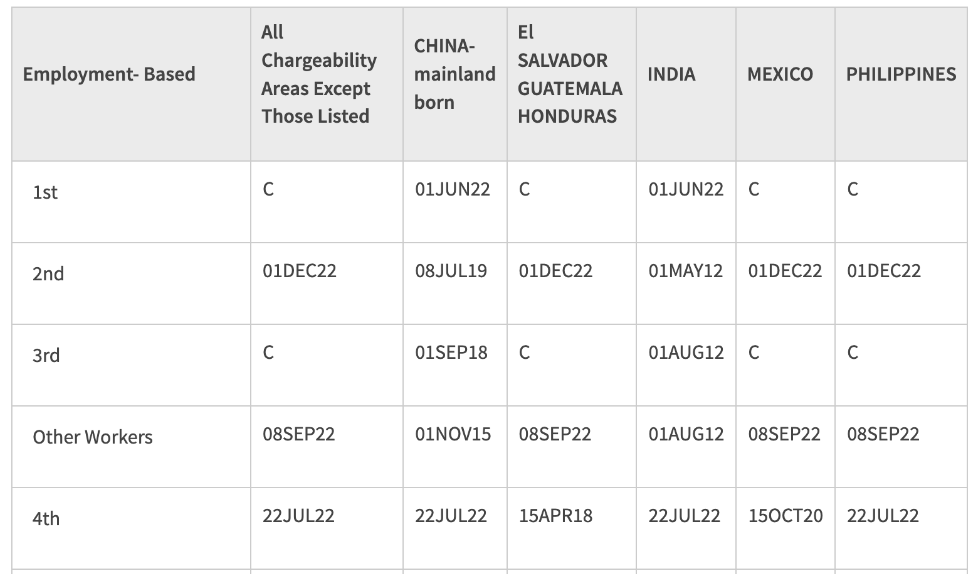
USCIS publishes a monthly “Visa Bulletin” which includes a “Dates for Filing” chart and a “Final Action Dates” chart.
- Dates for Filing: This chart indicates when you can file your Form I-485. You can file your adjustment of status application once your priority date becomes “current” according to this chart.
- Final Action Dates: This chart indicates when USCIS can approve your Green Card application. Your priority date must be current according to this chart for your Green Card to be finally adjudicated and approved.
Essentially, your priority date needs to be earlier than the date listed in the Visa Bulletin for your specific preference category and country of origin. If your priority date is earlier, it means your “turn” has come, and your application can move forward.
Establishing Your Priority Date: The Critical First Step
The way your priority date is established can vary slightly depending on the specific employment-based Green Card category you are applying for. However, the general principles remain consistent:
- For most employment-based categories (EB-1, EB-2, EB-3): The priority date is typically established when the employer files Form I-140, Immigrant Petition for Alien Worker. This petition demonstrates to USCIS that the foreign national meets the qualifications for the sponsored position and that the employer has the ability to pay the offered wage.
- For certain categories, particularly those where the applicant files directly without a prior labor certification (like some EB-1 categories): The priority date might be established when USCIS receives Form I-485, Application to Register Permanent Residence or Adjust Status.
- For categories requiring labor certification (PERM): The process usually involves obtaining a labor certification from the Department of Labor (DOL) first. The priority date is then established when the employer files the Form I-140 petition with USCIS, using the approved PERM labor certification. In this scenario, the date the PERM application was filed with the DOL is not the priority date; it’s the date of the I-140 filing with USCIS that counts.
It is crucial for the applicant and their sponsoring employer to ensure that the I-140 petition is filed correctly and with all the required supporting documentation to establish the priority date accurately. Any errors or omissions could lead to delays or even the denial of the application.
The Priority Date in the Context of Tech Professionals
The technology industry is a significant driver of the U.S. economy, and skilled tech professionals are in high demand. Many international tech workers come to the U.S. on temporary work visas, such as the H-1B, with the ultimate goal of obtaining a Green Card. For these individuals, understanding the priority date is paramount to their long-term career planning and life in the United States.
Navigating Employment-Based Immigration for Tech Talent
The most common pathways for tech professionals to secure an employment-based Green Card fall under categories like EB-1 (Extraordinary Ability), EB-2 (Advanced Degree or Exceptional Ability), and EB-3 (Skilled Workers, Professionals, or Other Workers).
- EB-1A (Extraordinary Ability): This category is for individuals with extraordinary ability in the sciences, arts, education, business, or athletics. Those who qualify can self-petition, meaning they don’t necessarily need an employer sponsor. The priority date is generally established when USCIS receives the I-140 petition.
- EB-2 (Advanced Degree or Exceptional Ability): This category includes individuals holding an advanced degree (Master’s degree or higher, or a Bachelor’s degree plus five years of progressive experience) or those with exceptional ability in science, arts, or business. For most EB-2 applicants, a labor certification (PERM) is required before the employer can file the I-140. The priority date is then established on the date the I-140 is filed with USCIS.
- EB-3 (Skilled Workers, Professionals, or Other Workers): This category is for individuals with at least two years of job experience, or a Bachelor’s degree, or for other workers performing unskilled labor. Similar to EB-2, PERM labor certification is typically a prerequisite. The priority date is established upon the filing of the I-140.
The Impact of Demand on Tech-Focused Green Cards
Due to the high demand for skilled workers in the tech industry, certain preference categories and countries of origin can experience significant backlogs. For instance, applicants from countries like India and China often face longer waiting times because the annual visa quotas are spread across a large population of applicants from those nations.
This is where the Visa Bulletin becomes a critical tool for tech professionals. They must regularly monitor the bulletin to see if their priority date is becoming current. A favorable movement in the Visa Bulletin can signal that their Green Card application is nearing adjudication.
Staying Informed and Proactive
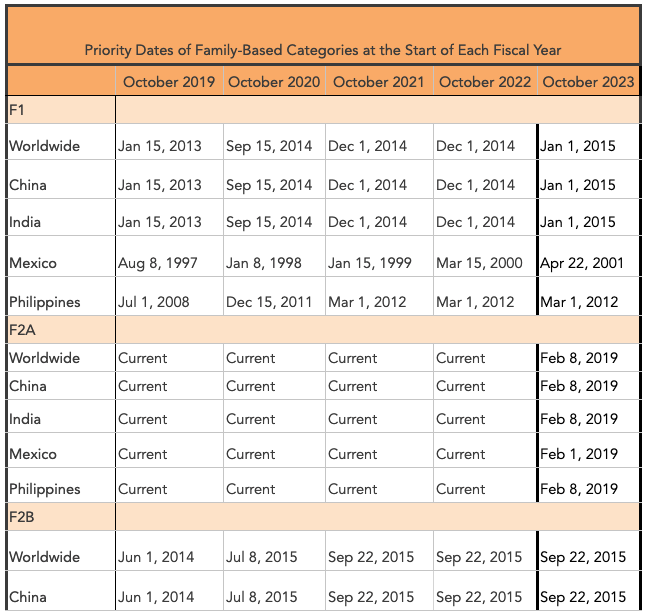
For tech professionals, proactive engagement with the immigration process is essential. This includes:
- Understanding their specific preference category and country of chargeability: These two factors determine which column of the Visa Bulletin they need to refer to.
- Working closely with their sponsoring employer and immigration counsel: Accurate and timely filing is crucial.
- Monitoring the USCIS website and the Department of State’s Visa Bulletin: Staying updated on policy changes and bulletin movements can help in making informed decisions about career and personal planning.
The Interplay of Branding, Marketing, and Green Card Aspirations
While the technical skills of a tech professional are often the primary basis for their immigration petition, aspects of personal branding and corporate identity can also play a subtle but significant role, especially in higher-level employment-based categories.
How Personal Branding Can Influence Immigration Prospects
In categories like EB-1A (Extraordinary Ability) and some EB-2 (Exceptional Ability) petitions, demonstrating a strong “brand” or reputation in one’s field can be advantageous. This involves showcasing:
- Industry Recognition: Awards, accolades, publications in reputable journals, significant contributions to open-source projects, or leadership roles in prominent tech organizations.
- Impact and Influence: Evidence of how their work has influenced the industry, led to new innovations, or solved significant problems.
- Media Mentions and Public Profile: Being featured in tech news outlets, speaking at industry conferences, or having a strong online presence that highlights their expertise.
A well-crafted personal brand reinforces the exceptional nature of the applicant’s skills and contributions, making the case for their eligibility for higher-tier employment-based Green Card categories. This can potentially lead to a quicker path to obtaining a Green Card, as EB-1 categories often have fewer backlogs compared to EB-2 and EB-3.
Corporate Identity and Employer Sponsorship
The strength and reputation of the sponsoring company also play a role, particularly in employment-based petitions where an employer sponsorship is required. A well-established company with a strong corporate identity and a proven track record of sponsoring foreign talent can lend credibility to the Green Card application. This is because USCIS needs to be convinced of the employer’s ability to pay the offered wage and the legitimacy of the job offer.
Moreover, for companies looking to attract and retain top global tech talent, understanding the intricacies of the Green Card process and the significance of priority dates is part of their overall employer branding strategy. Companies that can effectively guide their employees through this complex process enhance their reputation as supportive and desirable places to work.
Financial Considerations and Green Card Timelines
The pursuit of a Green Card is often intertwined with significant financial planning. Understanding the priority date is not just about the waiting game; it has direct implications for financial decisions.
The Cost of the Green Card Process
The Green Card application process involves various fees, including government filing fees for petitions and applications, legal fees for immigration attorneys, and potential costs associated with medical examinations and obtaining supporting documents. For employment-based categories, the employer typically bears most of the petition filing costs (I-140), while the applicant usually covers the adjustment of status application fees (I-485).
The longer the wait for the priority date to become current, the longer these costs are incurred. This necessitates careful budgeting and financial planning over an extended period.
Income and Investing During the Waiting Period
Many individuals waiting for their Green Card are already working in the U.S. on temporary visas, earning income and contributing to the economy. The uncertainty of the Green Card timeline can influence investment decisions and long-term financial goals.
- Personal Finance Management: It becomes crucial to manage finances effectively, build savings, and plan for future expenses, which might include purchasing a home, starting a family, or investing in further education.
- Investing Strategies: While waiting, individuals might explore various investment avenues to grow their wealth. However, they need to be mindful of their immigration status and any restrictions that might apply to certain types of investments or business ownership while on temporary visas. Understanding online income opportunities and side hustles can also be part of this financial strategy, but again, with careful consideration of visa regulations.
- Business Finance: For entrepreneurs or those looking to start businesses in the U.S., the Green Card timeline is a critical factor. The ability to legally own and operate a business can be directly tied to their immigration status. Planning for business finance and seeking investment becomes more concrete once permanent residency is secured.

The Financial Implications of Visa Bulletin Fluctuations
The monthly Visa Bulletin can be a source of both hope and anxiety for those awaiting their Green Card. If the dates advance, it signals progress and a potential end to the waiting period. Conversely, if the dates retrogress (move backward), it can mean a longer wait, impacting financial projections and long-term planning.
Therefore, a thorough understanding of the priority date and its movement is not just an immigration concern; it’s an integral part of a comprehensive financial strategy for anyone aspiring to build their future in the United States.
In conclusion, the Green Card priority date is a fundamental concept that governs the timeline of U.S. permanent residency for employment-based applicants. For professionals in technology, it is a critical piece of information that influences career trajectories and personal lives. By understanding the nuances of priority dates, staying informed about Visa Bulletin updates, and integrating this knowledge with strategic planning in areas of branding and finance, individuals can navigate the complex path to a Green Card more effectively and confidently.
aViewFromTheCave is a participant in the Amazon Services LLC Associates Program, an affiliate advertising program designed to provide a means for sites to earn advertising fees by advertising and linking to Amazon.com. Amazon, the Amazon logo, AmazonSupply, and the AmazonSupply logo are trademarks of Amazon.com, Inc. or its affiliates. As an Amazon Associate we earn affiliate commissions from qualifying purchases.