
Pica disease, a perplexing eating disorder, compels individuals to consume non-food items for extended periods. While the term “pica” itself originates from the Latin word for magpie, a bird known for its indiscriminate eating habits, the human condition is far more nuanced and often rooted in underlying physiological or psychological factors. This article delves into the nature of pica, its potential causes, common manifestations, diagnostic approaches, and the crucial treatment strategies. Given the diverse interests of our readership, we’ll explore how technological advancements and strategic brand approaches can play a role in awareness and support, while also touching upon the financial implications that can arise from managing this disorder.

Unpacking the Nature of Pica
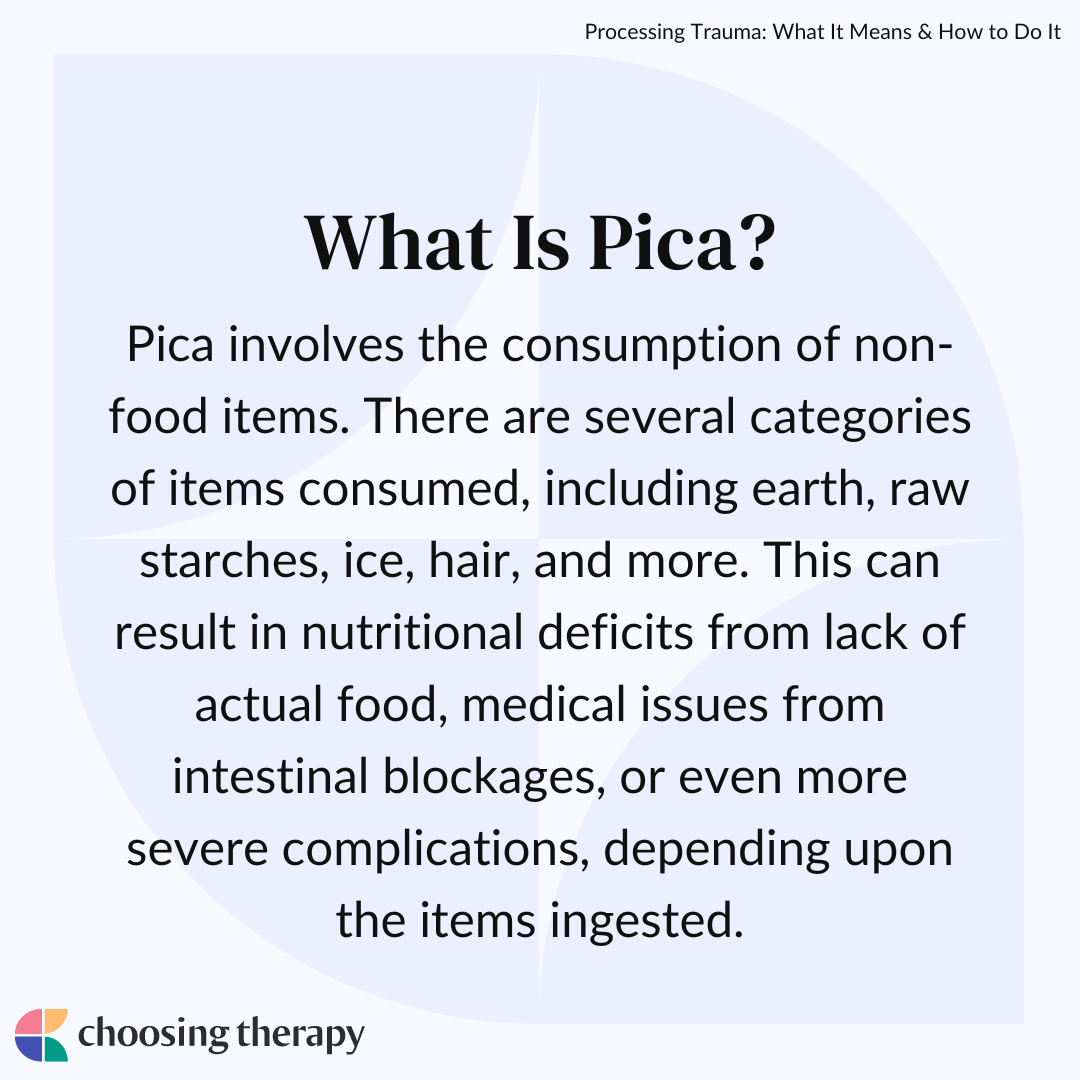
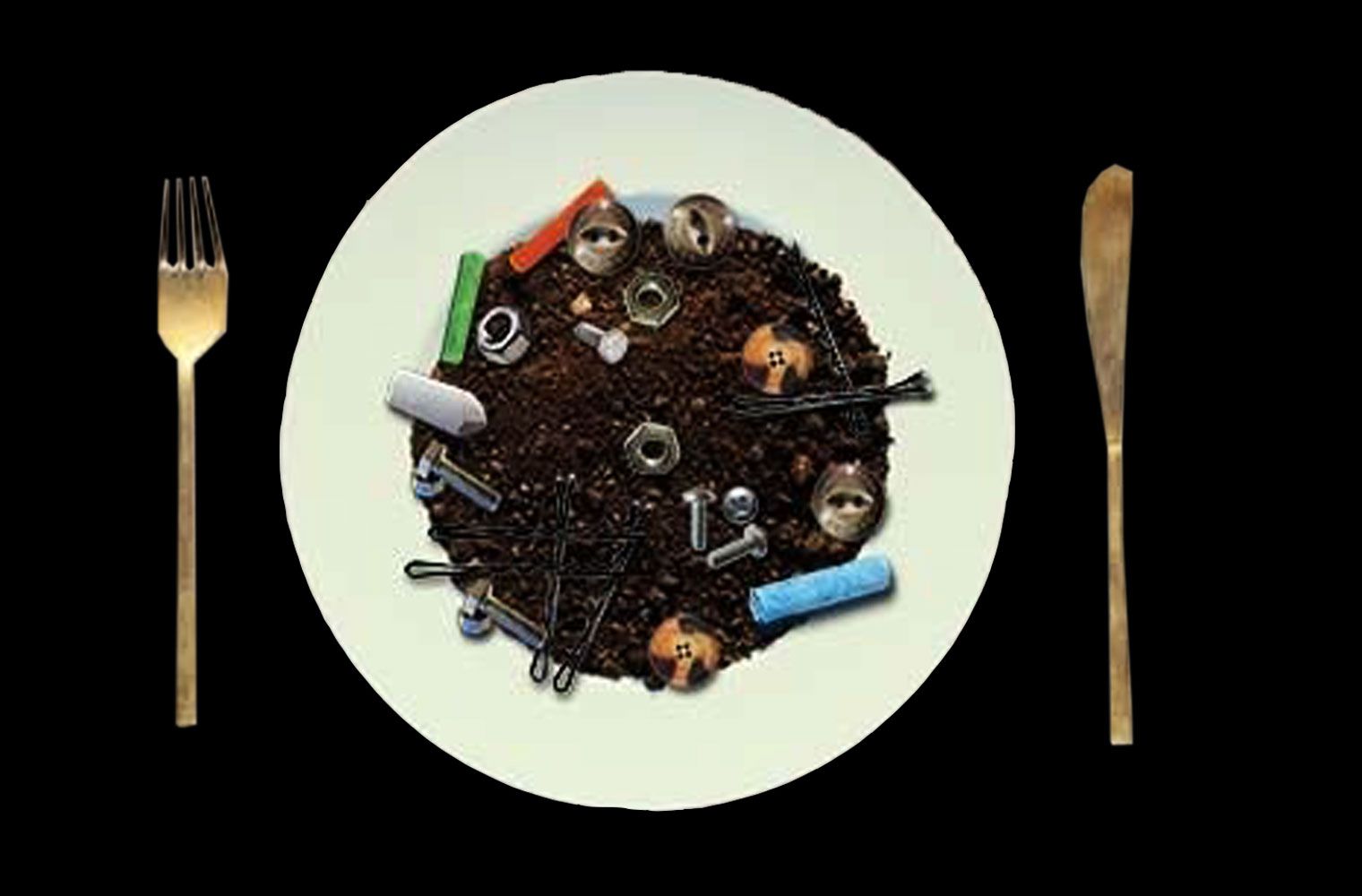
At its core, pica is characterized by the persistent ingestion of substances devoid of nutritional value. This can range from common household items like dirt, paper, and paint chips to more unusual materials such as soap, hair, or even metal. The key diagnostic criteria, as outlined in the Diagnostic and Statistical Manual of Mental Disorders (DSM-5), require this behavior to persist for at least one month and be inappropriate to the developmental level of the individual. Furthermore, it’s important to distinguish pica from normal exploratory behavior in infants and toddlers, which is a typical part of their development.
The specific substances consumed can vary widely among individuals. Geophagia, the eating of earth or soil, is one of the most prevalent forms globally, often seen in certain cultural contexts or as a symptom of nutritional deficiencies. Trichophagia, the compulsive eating of hair, can lead to severe gastrointestinal complications like bezoars. Pagophagia, the excessive consumption of ice, is frequently associated with iron deficiency anemia. Other forms include xylophagia (wood), lithophagia (stones), and amylophagia (uncooked starch).
It’s crucial to understand that pica is not simply a matter of “pickiness.” It is a genuine disorder that can have serious health consequences. The ingestion of non-food items can lead to a multitude of medical problems, including:
- Gastrointestinal issues: Intestinal blockages, perforations, constipation, diarrhea, and parasitic infections (especially from soil).
- Nutritional deficiencies: Ironically, the consumption of non-food items can displace nutrient-rich foods, exacerbating or masking underlying deficiencies like iron or zinc.
- Toxicity and poisoning: Ingesting items containing lead (from paint chips), pesticides, or other harmful chemicals can lead to severe poisoning.
- Dental problems: Damage to teeth, gums, and enamel from chewing hard non-food substances.
- Choking hazards: Small objects can pose a significant risk of choking.
Differentiating Pica from Other Conditions
Understanding the boundaries of pica is vital for accurate diagnosis and treatment. While it often co-occurs with other mental health conditions, it’s important to differentiate it from:
- Obsessive-Compulsive Disorder (OCD): While some individuals with OCD may have intrusive thoughts about consuming non-food items, pica is characterized by the actual act of ingestion, not just the thought.
- Anorexia Nervosa and Bulimia Nervosa: These are primarily eating disorders focused on body weight and shape, involving restrictive eating, binge eating, or purging. Pica’s focus is solely on the consumption of non-food items.
- Developmental Disorders: In individuals with intellectual disabilities or autism spectrum disorder, pica can be a manifestation of sensory-seeking behavior or difficulty understanding appropriate eating practices. However, it’s still a distinct phenomenon that requires specific management.
Exploring the Roots of Pica: Causes and Risk Factors
The etiology of pica is complex and often multifactorial, with contributing factors spanning biological, psychological, and environmental domains.
Biological and Nutritional Underpinnings
One of the most widely recognized causes of pica is nutritional deficiency. Deficiencies in essential minerals, particularly iron, zinc, and calcium, have been strongly linked to the development of pica. The body’s craving for these missing nutrients may manifest as a desire to consume substances rich in them, even if those substances are not food. For example, iron deficiency anemia is frequently associated with pagophagia (ice craving) and geophagia. The precise mechanisms by which these deficiencies trigger pica are still being investigated, but theories suggest that the body’s attempt to absorb trace minerals from non-food sources or the alteration of taste and smell sensitivities might play a role.
Psychological and Behavioral Dimensions
Beyond nutritional factors, psychological and behavioral influences are significant contributors to pica.
- Stress and Anxiety: Pica can serve as a coping mechanism for stress, anxiety, or other emotional distress. The act of chewing or consuming a specific substance can provide a form of self-soothing or distraction.
- Mental Health Conditions: Pica is often comorbid with other mental health disorders, including developmental disorders (intellectual disability, autism spectrum disorder), anxiety disorders, obsessive-compulsive disorder, and schizophrenia. In these cases, pica may be a symptom of a broader underlying condition.
- Learned Behavior: In some instances, pica can be a learned behavior, particularly if it was observed or encouraged during childhood, or if it has been reinforced by attention or a sense of relief.
Environmental and Cultural Influences
Environmental and cultural factors can also play a role, particularly in the prevalence of certain types of pica.
- Cultural Practices: In some cultures, the consumption of earth (geophagia) is a traditional practice, often associated with pregnancy or as a medicinal remedy. While these practices may have historical or cultural significance, they can still pose health risks.
- Exposure and Access: The availability of non-food items in a person’s environment can increase the likelihood of ingestion. For children, especially those with developmental delays, exploring the world through their mouths is natural, and access to potentially harmful items needs to be carefully managed.
Diagnosing and Treating Pica: A Comprehensive Approach
Diagnosing pica requires a thorough evaluation by a healthcare professional, often involving a multidisciplinary team. Treatment is tailored to the individual’s specific needs, addressing underlying causes and managing the consequences of the behavior.
The Diagnostic Process
The diagnostic process typically involves:
- Medical History and Physical Examination: A healthcare provider will inquire about the patient’s eating habits, the specific substances consumed, the duration and frequency of the behavior, and any associated symptoms. A physical examination will help identify any immediate medical complications.
- Laboratory Tests: Blood tests are crucial to assess for nutritional deficiencies, such as iron levels (hemoglobin, ferritin), zinc, and other vitamins and minerals. Stool samples may be examined for parasites if geophagia is suspected.
- Imaging Studies: Abdominal X-rays or other imaging techniques might be used to detect the presence of ingested foreign bodies, intestinal blockages, or bezoars.
- Psychological Assessment: A mental health professional will conduct a psychological evaluation to identify any co-occurring mental health conditions, assess stress levels, and understand the behavioral patterns associated with pica.
Treatment Modalities
Treatment for pica is multifaceted and aims to:
- Address Underlying Medical Conditions: This is paramount. If nutritional deficiencies are identified, supplementation with iron, zinc, or other missing nutrients will be prescribed. Any gastrointestinal issues, such as blockages or infections, will be treated medically.
- Behavioral Therapies: Cognitive Behavioral Therapy (CBT) and other behavioral interventions are highly effective in managing pica. These therapies aim to:
- Identify Triggers: Help individuals recognize the situations, emotions, or urges that lead to the consumption of non-food items.
- Develop Coping Strategies: Teach alternative, healthy ways to manage stress, anxiety, or cravings. This might include relaxation techniques, engaging in hobbies, or seeking social support.
- Reinforce Positive Behaviors: Reward individuals for abstaining from consuming non-food items.
- Environmental Modifications: Implement strategies to make non-food items less accessible. For children, this might involve childproofing their environment.
- Nutritional Counseling: A dietitian can provide guidance on ensuring a balanced diet and addressing any nutritional gaps, thereby reducing the physiological cravings that might contribute to pica.
- Medication: In cases where pica is a symptom of an underlying mental health condition, medication may be prescribed to manage those disorders. However, there is generally no specific medication to treat pica directly.
- Family Support and Education: For children with pica, educating and involving parents and caregivers is vital. They need to understand the disorder, learn how to manage their child’s environment, and support their treatment.
The Role of Technology, Brand, and Finance in Pica Awareness and Support
While pica is a medical and psychological condition, the broader ecosystems of technology, branding, and finance can offer valuable avenues for support, awareness, and even management.
Leveraging Technology for Pica Awareness and Support
The digital age offers unprecedented opportunities to disseminate information and connect individuals with resources.
- Online Resources and Information Hubs: Websites and blogs dedicated to health and mental well-being can provide accessible, accurate information about pica. These platforms can serve as first points of contact for individuals seeking to understand their symptoms or those of a loved one.
- Telehealth and Digital Mental Health Services: The rise of telehealth has made mental health support more accessible. Individuals can connect with therapists and medical professionals remotely, overcoming geographical barriers. Dedicated apps and platforms can offer guided CBT exercises, mood tracking, and virtual support groups.
- AI-Powered Diagnostic Support (Future Potential): While still in its nascent stages for complex disorders like pica, AI could, in the future, assist in early detection by analyzing patient data and identifying patterns indicative of pica, flagging individuals for further professional evaluation.
- Wearable Technology for Behavioral Monitoring (Experimental): While not yet a standard treatment, future wearable devices could potentially monitor eating patterns or detect unusual ingestions, providing data for healthcare providers and alerting caregivers. This remains largely speculative for now but highlights the potential of tech integration.
Building a Brand of Awareness and De-stigmatization
Creating a strong “brand” around pica awareness is crucial for destigmatizing the condition and encouraging people to seek help.
- Campaigns for Public Education: Developing compelling campaigns using social media, visual storytelling, and relatable narratives can educate the public about pica, its symptoms, and its impact. This builds empathy and understanding.
- Personal Branding of Advocacy: Individuals who have experienced pica and recovered can leverage their personal brands to share their stories, offering hope and inspiration to others. This authentic voice can be incredibly powerful.
- Corporate Social Responsibility (CSR) Initiatives: Companies, particularly those in the health and wellness sectors, can align their CSR efforts with pica awareness and research. This can involve funding research, supporting patient advocacy groups, or running internal awareness programs.
- Visual Identity and Messaging: Consistent and empathetic messaging is key. A well-designed visual identity for awareness campaigns can make the topic more approachable and less frightening, encouraging open discussion.
Financial Considerations and Management
Pica can have significant financial implications for individuals and families, affecting both direct and indirect costs.
- Healthcare Costs: Diagnosis and ongoing treatment, including doctor’s visits, specialist consultations, laboratory tests, imaging, and therapy, can incur substantial medical expenses. Insurance coverage for mental health and rare disorders can vary, leading to out-of-pocket costs.
- Lost Income and Productivity: The severity of pica can lead to frequent hospitalizations, chronic health issues, and the need for constant supervision, potentially resulting in lost workdays and reduced earning capacity for affected individuals or their caregivers.
- Cost of Environmental Modifications: For children with pica, implementing extensive safety measures at home to prevent access to harmful items can also represent a financial outlay.
- Financial Planning and Support: Understanding the potential long-term financial burden is important. Seeking advice on navigating insurance, exploring patient assistance programs, and planning for ongoing care can be crucial. Organizations dedicated to supporting individuals with eating disorders or rare diseases may offer financial guidance or resources.
Conclusion
Pica disease, though less commonly discussed than other eating disorders, represents a complex and potentially serious condition. Its manifestations are diverse, its causes are varied, and its impact can be profound. Through accurate diagnosis, multidisciplinary treatment that addresses both the physical and psychological aspects, and ongoing support, individuals with pica can achieve recovery and lead fulfilling lives. As we continue to advance in technology, refine our approaches to branding for awareness, and understand the financial realities, we can collectively create a more supportive environment for those affected by this challenging disorder. Raising awareness, fostering understanding, and ensuring access to appropriate care are paramount in our ongoing efforts to combat pica.
aViewFromTheCave is a participant in the Amazon Services LLC Associates Program, an affiliate advertising program designed to provide a means for sites to earn advertising fees by advertising and linking to Amazon.com. Amazon, the Amazon logo, AmazonSupply, and the AmazonSupply logo are trademarks of Amazon.com, Inc. or its affiliates. As an Amazon Associate we earn affiliate commissions from qualifying purchases.