
In today’s fast-paced, digitally driven world, the terms “physical activity” and “exercise” are often used interchangeably. However, understanding the nuances between them is crucial for adopting a healthier lifestyle, especially when considering how technology, branding, and financial well-being can all play a role in our movement habits. This article will delve into the core definitions of physical activity and exercise, explore their relationship with each other, and touch upon how these concepts can intersect with the domains of tech, brand, and money.
Understanding the Foundation: Defining Physical Activity
At its broadest, physical activity refers to any bodily movement produced by skeletal muscles that requires energy expenditure. This is a vast umbrella term that encompasses a wide range of movements throughout our day. Think of it as the sum total of all the physical tasks we undertake. This could include:
- Occupational physical activity: The movements involved in our jobs. For instance, a construction worker engaging in manual labor, a nurse on their feet all day, or even someone who walks between meetings in an office setting.
- Household chores: Activities like cleaning the house, mowing the lawn, gardening, or carrying groceries all contribute to our daily physical activity.
- Transportation: Walking or cycling to work, school, or the shops is a form of physical activity. Even parking further away and walking is a conscious effort to increase it.
- Leisure activities: This is where the line between general physical activity and more structured exercise can blur. It includes playing with children, dancing, hiking, recreational sports, or even simply taking a brisk walk in the park.
The key takeaway for physical activity is that it’s about movement that expends energy beyond what is typically done at rest. It’s not necessarily planned, structured, or performed with the specific goal of improving fitness or health. However, accumulating sufficient physical activity throughout the day is fundamental to maintaining basic bodily functions, preventing sedentary behavior, and contributing to overall well-being.
The Spectrum of Movement: From Incidental to Intentional
It’s helpful to visualize physical activity on a spectrum. At one end, you have sedentary behavior, which involves sitting or lying down with minimal energy expenditure. This is the opposite of physical activity and is increasingly a concern in modern society. As we move away from sedentary behavior, we encounter light-intensity physical activity, such as slow walking or light housework. Further along, we find moderate-intensity physical activity, where your heart rate and breathing increase noticeably, but you can still hold a conversation. Examples include brisk walking, cycling at a moderate pace, or social dancing. At the more energetic end of the spectrum lies vigorous-intensity physical activity, where your heart rate and breathing are significantly elevated, making it difficult to speak more than a few words. This includes activities like running, swimming laps, or playing competitive sports.
Delving Deeper: What Constitutes Exercise?
While all exercise is physical activity, not all physical activity is exercise. Exercise is a subset of physical activity that is planned, structured, repetitive, and performed with the specific objective of improving or maintaining one or more components of physical fitness. This distinction is vital because it highlights the intentionality behind exercise.
Here are the key characteristics that define exercise:
- Planned and Structured: Exercise involves a deliberate plan. You decide to go for a run at a certain time, lift weights at the gym, or attend a yoga class. It’s not an accidental byproduct of daily life.
- Repetitive: Exercise typically involves performing movements repeatedly. This could be a set of repetitions for strength training, laps for swimming, or strides for running.
- Goal-Oriented: The primary purpose of exercise is to achieve specific fitness goals. These goals can vary widely and include:
- Cardiovascular Endurance: Improving the efficiency of your heart and lungs.
- Muscular Strength: Increasing the force your muscles can generate.
- Muscular Endurance: Enhancing the ability of your muscles to perform repetitive contractions over time.
- Flexibility: Increasing the range of motion around your joints.
- Body Composition: Reducing body fat and increasing lean muscle mass.
- Mental Well-being: Reducing stress, improving mood, and enhancing cognitive function.
Types of Exercise and Their Benefits
Exercise can be further categorized based on its primary focus:
Cardiovascular (Aerobic) Exercise
This type of exercise elevates your heart rate and breathing for a sustained period, strengthening your heart and lungs. It’s crucial for improving cardiovascular health, managing weight, and boosting energy levels. Examples include:
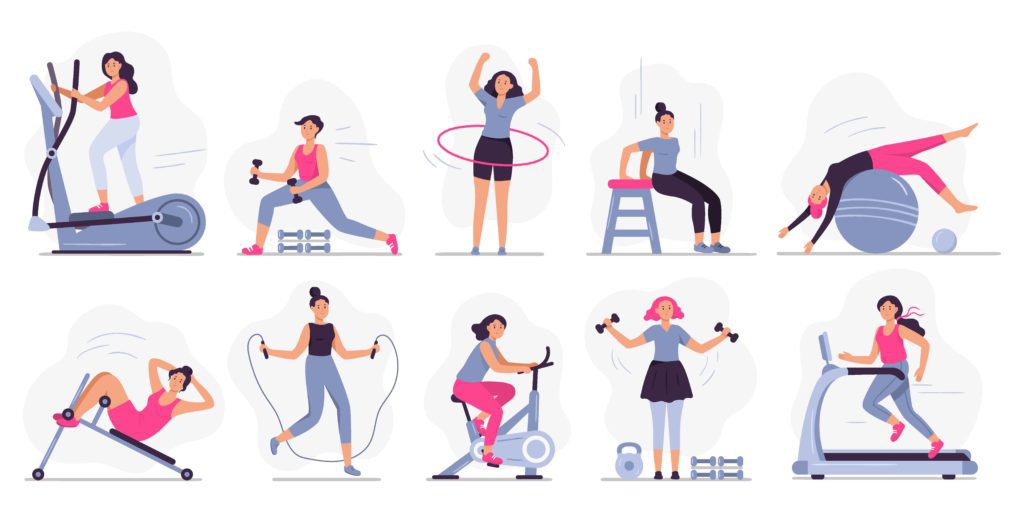
- Running and Jogging
- Swimming
- Cycling
- Brisk Walking
- Dancing
- Aerobics Classes
- Jumping Rope
The Impact of Cardiovascular Health
A healthy cardiovascular system is the bedrock of overall physical well-being. Regular aerobic exercise helps lower blood pressure, reduce LDL (“bad”) cholesterol, and increase HDL (“good”) cholesterol. It also improves blood circulation, which can reduce the risk of heart disease, stroke, and type 2 diabetes. For individuals focused on their financial health, understanding the long-term cost savings associated with preventing chronic diseases through exercise is a significant motivator.
Strength (Resistance) Training
This involves working your muscles against resistance, whether it’s your own body weight, free weights, resistance bands, or machines. Strength training is essential for building and maintaining muscle mass, which boosts metabolism, improves bone density, and enhances functional strength for everyday activities. Examples include:
- Lifting Weights (dumbbells, barbells, kettlebells)
- Using Resistance Bands
- Bodyweight Exercises (push-ups, squats, lunges)
- Weight Machines
- Pilates
Building a Stronger Foundation: Beyond the Gym
The benefits of strength training extend far beyond aesthetics. Increased muscle mass means a higher resting metabolic rate, meaning you burn more calories even when you’re not exercising. This is particularly relevant for individuals managing their personal finance, as a higher metabolism can indirectly contribute to weight management and potentially reduce healthcare costs down the line. Furthermore, improved strength and balance can prevent falls and injuries, leading to fewer medical expenses and a higher quality of life, especially as we age.
Flexibility and Mobility Exercises
These exercises focus on improving the range of motion in your joints and the elasticity of your muscles and connective tissues. They are crucial for preventing injuries, reducing muscle soreness, and improving posture. Examples include:
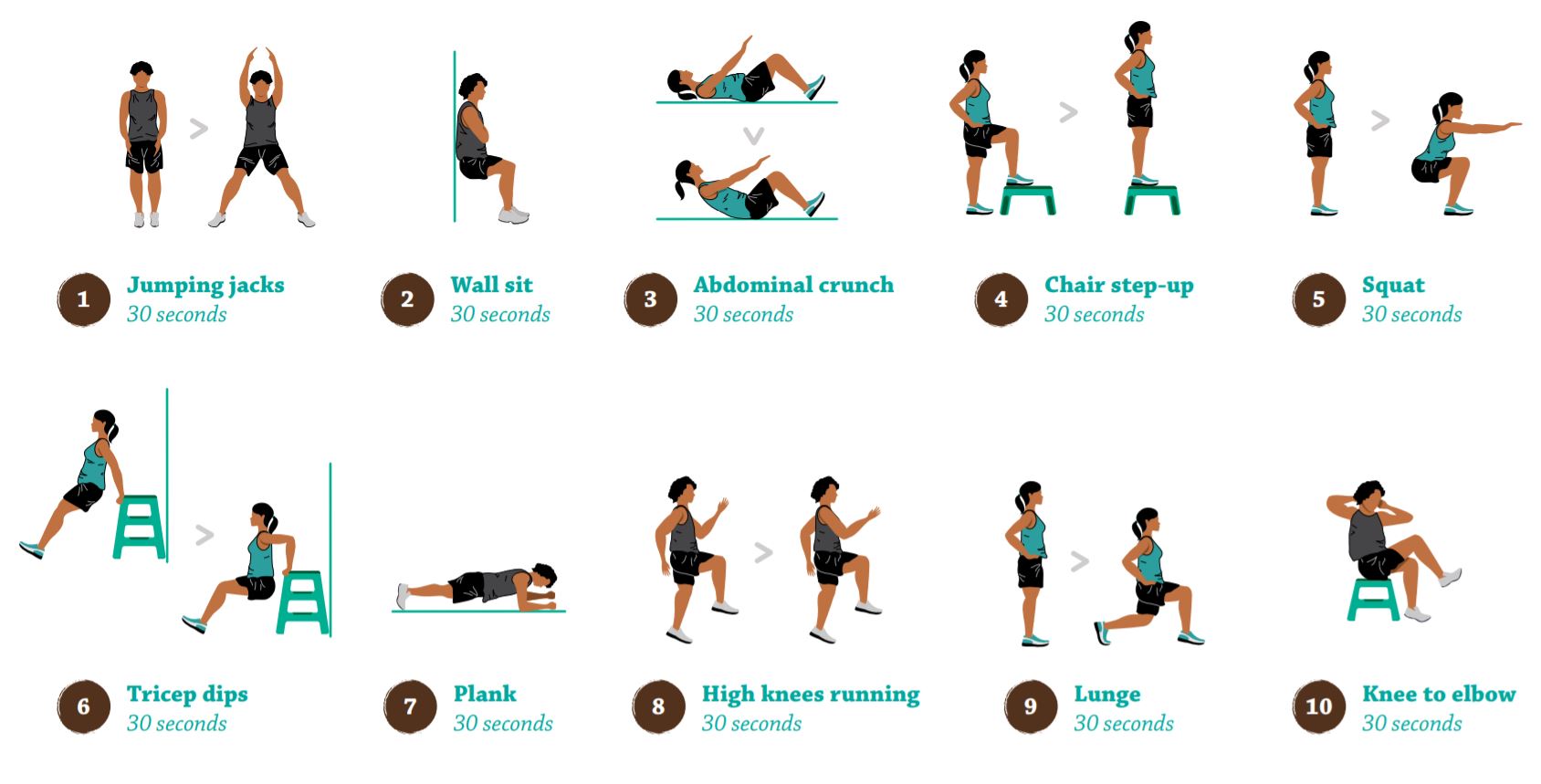
- Stretching (static, dynamic, PNF)
- Yoga
- Pilates
- Tai Chi
The Importance of Agility in Daily Life
While often overlooked in favor of cardio or strength, flexibility and mobility are critical for performing daily tasks with ease and preventing discomfort. Being able to bend, reach, and twist without strain can significantly improve your quality of life. For those in demanding careers, maintaining good flexibility can prevent repetitive strain injuries, saving on potential physiotherapy costs and lost income.
The Interplay: How Physical Activity and Exercise Work Together
It’s important to recognize that physical activity and exercise are not mutually exclusive. They work in tandem to create a healthy lifestyle.
- Exercise is a form of physical activity: When you engage in a structured workout, you are inherently increasing your daily physical activity.
- Physical activity can complement exercise: Even if you have a consistent exercise routine, being active throughout the day – taking the stairs, going for a walk during your lunch break, or standing while you work – further enhances your overall movement and reduces the negative effects of prolonged sitting.
- Building a foundation: For individuals new to fitness, starting with general physical activity can be a less intimidating entry point. Gradually increasing movement throughout the day can build a foundation for incorporating more structured exercise.
The Cumulative Impact: Small Changes, Big Results
The beauty of both physical activity and exercise lies in their cumulative effect. You don’t need to be an elite athlete to reap the rewards. Consistently incorporating more movement into your life, whether through structured workouts or simply being more active in your daily routines, will yield significant health benefits over time.
Connecting Movement to the Modern World: Tech, Brand, and Money
The concepts of physical activity and exercise are increasingly intertwined with technology, personal branding, and financial well-being in today’s interconnected world.
Tech’s Role in Promoting Physical Activity and Exercise
Technology has become an indispensable tool for encouraging and tracking both physical activity and exercise.
- Wearable Technology: Smartwatches, fitness trackers, and heart rate monitors provide real-time data on steps taken, calories burned, heart rate zones, and sleep patterns. This data empowers individuals to understand their activity levels, set goals, and stay motivated. Apps often gamify fitness, making it more engaging.
- Fitness Apps and Online Platforms: A plethora of apps offer guided workouts, personalized training plans, nutrition tracking, and virtual communities. These platforms can be accessed anywhere, anytime, making fitness more convenient and accessible.
- Smart Home Gym Equipment: Connected treadmills, stationary bikes, and rowing machines offer immersive workout experiences with live classes and virtual scenic routes, blurring the lines between home and gym.
- Virtual Reality (VR) Fitness: VR technology is transforming home workouts, offering engaging and immersive experiences that make exercise feel less like a chore and more like a game.
- AI-Powered Personalization: Artificial intelligence is being used to analyze user data and provide highly personalized recommendations for workouts, recovery, and even injury prevention, optimizing the effectiveness of exercise routines.
Leveraging Tech for Better Habits
For individuals focused on their digital security and productivity, integrating fitness into their tech ecosystem can be a game-changer. By using apps that sync with their calendars and reminding them to move, or by choosing gadgets that seamlessly fit into their daily workflow, they can make physical activity a natural extension of their tech-savvy lives. The reviews and tutorials available online for these gadgets are invaluable for making informed decisions.
Personal and Corporate Branding Through Movement
The way we present ourselves, our personal brand, and the brand of our organizations can be significantly influenced by our commitment to physical activity and exercise.
- Personal Branding: For individuals, maintaining a healthy lifestyle and actively participating in physical activities can be a powerful component of their personal brand. It signals discipline, energy, and a commitment to well-being, which can be attractive to employers, clients, and collaborators. Being seen as energetic and capable due to regular exercise can subtly enhance one’s professional image.
- Corporate Identity and Reputation: Companies are increasingly recognizing the importance of employee well-being. Promoting physical activity through initiatives like corporate wellness programs, on-site gyms, or subsidized gym memberships not only benefits employees but also enhances the company’s brand reputation as a caring and forward-thinking employer. This can be a key differentiator in attracting top talent.
- Marketing and Case Studies: Successful brands in the fitness industry leverage case studies and testimonials to showcase the transformative power of their products or services on individuals’ physical activity and exercise habits. This builds trust and credibility, reinforcing their brand identity.
The Visual Element of Brand
Design plays a crucial role in how brands communicate their association with fitness. Sleek, modern designs for activewear, fitness equipment, and health-related apps all contribute to a brand’s perceived effectiveness and appeal. The visual narrative of a brand often includes images of people engaging in healthy activities, projecting an image of vitality and success.
The Financial Implications of Physical Activity and Exercise
The relationship between physical activity, exercise, and money is multifaceted and deeply significant.
- Reduced Healthcare Costs: This is perhaps the most substantial financial benefit. Regular physical activity and exercise significantly reduce the risk of chronic diseases such as heart disease, type 2 diabetes, obesity, and certain cancers. Preventing these conditions translates into lower medical expenses, fewer doctor visits, less medication, and reduced insurance premiums.
- Increased Productivity and Income: A healthier body and mind generally lead to increased energy levels, improved focus, and enhanced cognitive function. This can translate to higher productivity in the workplace, potentially leading to better job performance, promotions, and higher earning potential. For entrepreneurs and those pursuing side hustles, sustained energy and mental clarity are invaluable assets.
- Investment in Personal Finance: Viewing exercise as an investment in your health is akin to investing in your financial future. While there’s an upfront cost (gym memberships, equipment, etc.), the long-term returns in terms of reduced healthcare expenditure and increased earning potential are substantial.
- Financial Tools for Health: The rise of health savings accounts (HSAs) and other financial tools that incentivize healthy behaviors further highlight the connection between money and movement.
- The “Cost” of Inactivity: Conversely, a sedentary lifestyle can lead to significant financial burdens. Chronic diseases, lost workdays due to illness, and increased healthcare costs can place a considerable strain on personal finances.
Side Hustles and Financial Goals
For those looking to generate online income or explore side hustles, incorporating fitness into their strategy can be beneficial. Fitness coaching, creating online fitness content, or even selling health-related products can all become viable income streams. Furthermore, maintaining a high level of personal fitness can provide the stamina and mental fortitude required to pursue demanding entrepreneurial ventures.

Conclusion: A Holistic Approach to Well-being
In conclusion, physical activity is any bodily movement that expends energy, while exercise is planned, structured, and performed with the aim of improving fitness. Both are essential for a healthy life. Understanding their definitions and how they complement each other is the first step towards creating sustainable habits. As we navigate the modern landscape, it’s clear that technology, branding, and financial well-being are not separate from our pursuit of physical health; rather, they are integral components that can be leveraged to enhance our commitment to movement. By embracing a holistic approach that considers how we can use tech to track and motivate, how our brand reflects our vitality, and how investing in our health ultimately safeguards our financial future, we can embark on a journey towards a more vibrant, productive, and financially secure life.
aViewFromTheCave is a participant in the Amazon Services LLC Associates Program, an affiliate advertising program designed to provide a means for sites to earn advertising fees by advertising and linking to Amazon.com. Amazon, the Amazon logo, AmazonSupply, and the AmazonSupply logo are trademarks of Amazon.com, Inc. or its affiliates. As an Amazon Associate we earn affiliate commissions from qualifying purchases.