
Parkinson’s disease is a complex and progressive neurodegenerative disorder that primarily affects the motor system. While its name is widely recognized, the intricate details of its onset, progression, and the multifaceted impact it has on individuals and their support networks can often remain shrouded in misunderstanding. This article aims to demystify Parkinson’s disease, exploring its core characteristics and then delving into how the principles and advancements within the domains of technology, brand strategy, and financial management can offer pathways to better understanding, management, and improved quality of life for those affected.
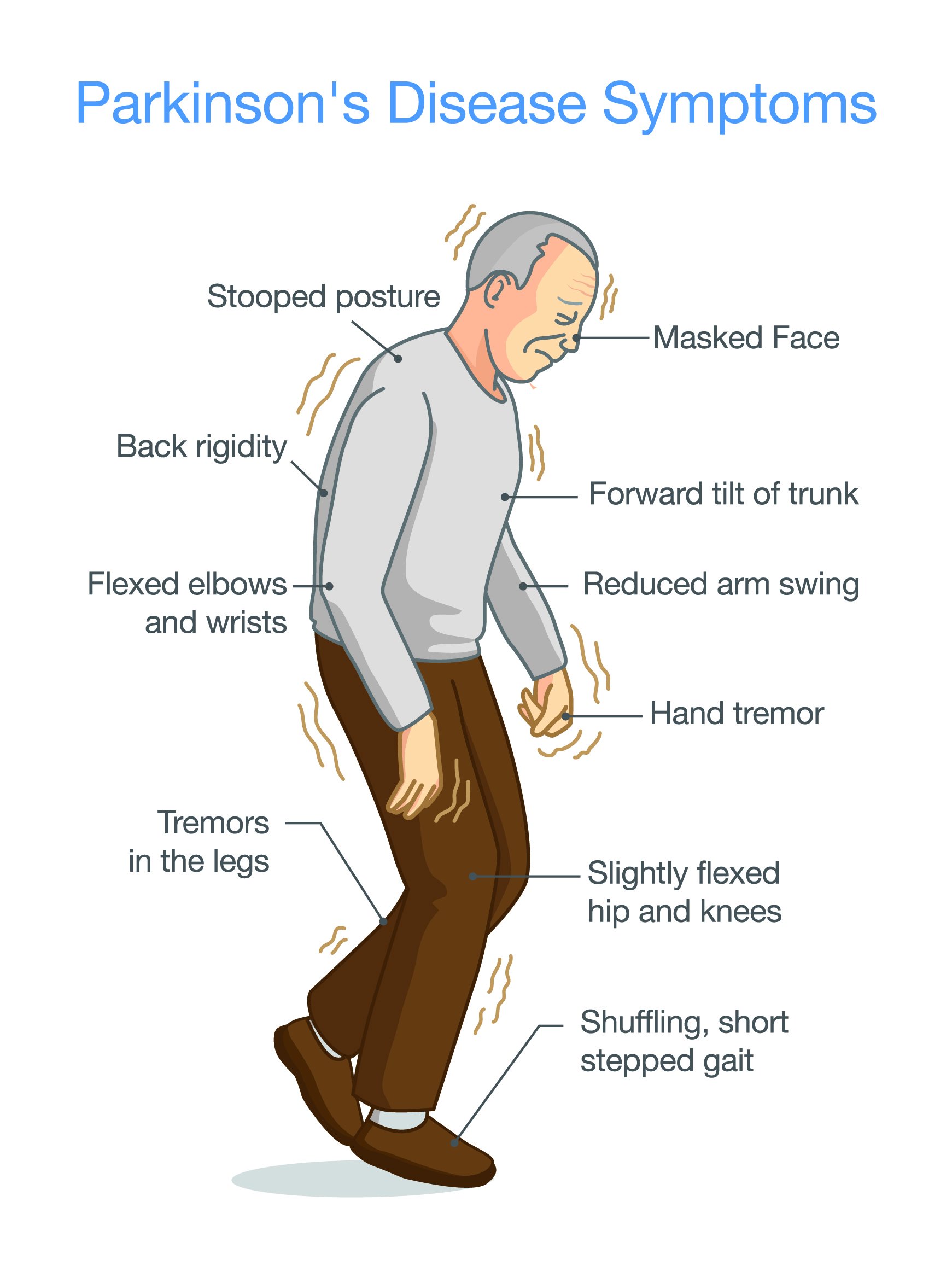
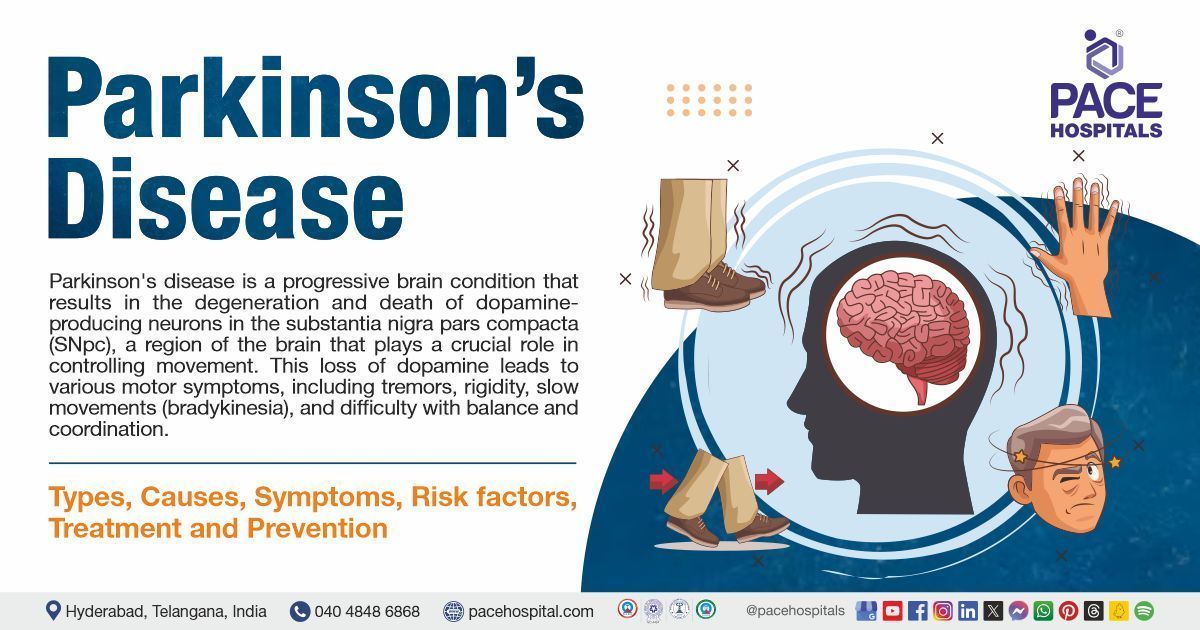
The core of Parkinson’s disease lies in the gradual loss of neurons in a specific area of the brain called the substantia nigra. These neurons are responsible for producing dopamine, a crucial neurotransmitter that plays a vital role in regulating movement, mood, and other cognitive functions. As dopamine levels decline, individuals begin to experience a range of symptoms, most notably motor-related ones.
Understanding the Neurological Landscape of Parkinson’s Disease
At its heart, Parkinson’s disease is a biological puzzle. The degeneration of dopaminergic neurons leads to a deficit in dopamine, which in turn disrupts the brain’s ability to control smooth, coordinated muscle movements. This isn’t a sudden event but a gradual process, meaning symptoms can be subtle and easily overlooked in their early stages.
The Hallmarks of Motor Dysfunction
The most recognizable signs of Parkinson’s are its motor symptoms. These are often the initial indicators that prompt medical investigation.
Tremor: The Resting Tremor
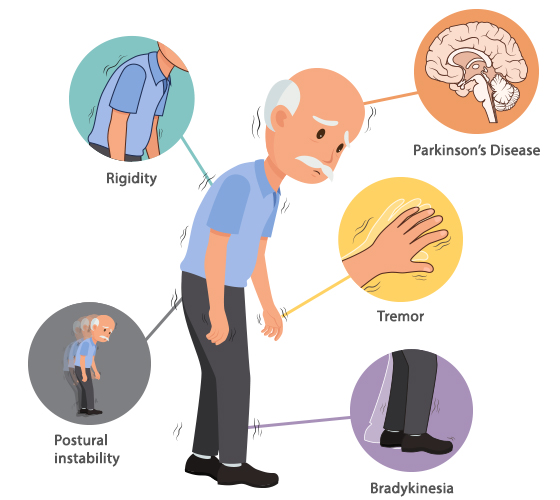
One of the cardinal signs of Parkinson’s is a tremor, often described as a “resting tremor.” This means the shaking typically occurs when the limb is at rest, such as when a person’s hand is in their lap or when they are walking. It often begins on one side of the body and can eventually affect both sides. The tremor might lessen or disappear during intentional movement and can be exacerbated by stress or fatigue.
Rigidity: Stiffness and Resistance
Another prominent motor symptom is rigidity. Muscles become stiff and resistant to movement, which can lead to a feeling of tightness or cramping. This can affect various parts of the body, including the limbs, neck, and trunk, and can contribute to a reduced range of motion and discomfort.
Bradykinesia: Slowness of Movement
Bradykinesia, meaning “slowness of movement,” is a fundamental symptom of Parkinson’s. Everyday actions that were once effortless can become time-consuming and challenging. This can manifest as difficulty initiating movements, reduced arm swing when walking, smaller handwriting (micrographia), and a masked facial expression (hypomimia) due to reduced muscle activity in the face.
Postural Instability: The Challenge of Balance
As the disease progresses, postural instability can become a significant concern. Individuals may experience problems with balance and coordination, leading to an increased risk of falls. This can make walking more challenging, requiring a shuffling gait and sometimes a tendency to lean forward.
Beyond Motor Symptoms: The Non-Motor Spectrum
It’s crucial to recognize that Parkinson’s disease is not solely a motor disorder. A significant proportion of individuals experience a wide array of non-motor symptoms, which can significantly impact their quality of life and may even precede motor symptoms by many years.
Cognitive and Mood Disturbances
Cognitive changes are common in Parkinson’s. These can range from mild issues with memory and attention to more significant problems with executive functions like planning and problem-solving. Depression and anxiety are also frequently observed, likely due to the complex interplay of neurotransmitter imbalances and the emotional toll of living with a chronic condition.
Sleep Disorders and Autonomic Dysfunction
Sleep disturbances, such as insomnia, restless legs syndrome, and REM sleep behavior disorder (acting out dreams), are prevalent. Furthermore, autonomic dysfunction can affect various bodily systems, leading to issues like constipation, blood pressure fluctuations (orthostatic hypotension), and excessive sweating.
Leveraging Technology to Navigate Parkinson’s Challenges
The ever-evolving landscape of technology offers powerful tools and innovative solutions that can significantly enhance the lives of individuals living with Parkinson’s disease, their caregivers, and researchers alike. From sophisticated monitoring devices to AI-driven diagnostic aids and accessible communication platforms, technology is playing an increasingly vital role.
Empowering Daily Living with Smart Devices and Apps
The integration of technology into daily routines can provide invaluable support in managing the symptoms of Parkinson’s.
Wearable Technology for Monitoring and Management
Wearable devices, such as smartwatches and specialized sensors, are proving to be game-changers. These devices can continuously monitor motor symptoms like tremors and gait patterns, providing objective data that can inform treatment adjustments. Some wearables can even detect falls, alerting caregivers or emergency services immediately. Furthermore, apps designed for Parkinson’s patients can help track medication schedules, log symptom fluctuations, and provide exercise routines tailored to individual needs. This data, when shared with healthcare providers, can lead to more personalized and effective care.
AI and Machine Learning in Diagnosis and Prediction
Artificial intelligence (AI) and machine learning are rapidly advancing the field of Parkinson’s diagnosis and prognosis. AI algorithms can analyze medical imaging, genetic data, and even subtle vocal patterns or facial expressions to identify early signs of the disease, potentially even before overt motor symptoms appear. Machine learning models are also being developed to predict disease progression, allowing for proactive interventions and personalized treatment plans. This move towards data-driven diagnostics and prognostics holds immense promise for earlier intervention and more targeted therapies.
Digital Therapeutics and Virtual Rehabilitation
The concept of digital therapeutics is gaining traction, offering virtual programs designed to manage specific symptoms. These can include gamified exercise platforms that make physical therapy more engaging, cognitive training modules to address memory and attention deficits, and even virtual reality (VR) environments designed to improve balance and mobility. Virtual rehabilitation offers the advantage of accessibility, allowing individuals to participate in therapeutic programs from the comfort of their homes, overcoming barriers related to travel and mobility.
Enhancing Communication and Community Support
Beyond direct symptom management, technology is crucial for fostering connection and knowledge sharing.
Online Communities and Information Hubs
The internet provides a vital platform for individuals with Parkinson’s to connect with others who share similar experiences. Online forums, social media groups, and dedicated Parkinson’s websites serve as invaluable hubs for information sharing, emotional support, and the exchange of practical tips. These communities can alleviate feelings of isolation and empower individuals with knowledge and shared coping strategies.
Telemedicine and Remote Healthcare
Telemedicine has become increasingly important, especially for individuals who face challenges accessing in-person appointments. Remote consultations with neurologists, therapists, and other healthcare professionals allow for ongoing management and support without the need for travel. This not only saves time and energy but also ensures continuous care, particularly in regions with limited access to specialized medical services.
The Strategic Approach: Building a Personal and Corporate Brand in the Face of Parkinson’s
While often associated with business and marketing, the principles of brand strategy are profoundly relevant when considering how individuals, families, and organizations can navigate the personal and societal challenges posed by Parkinson’s disease. Building a strong personal brand, fostering positive corporate identities within healthcare, and strategically communicating the needs and advancements related to Parkinson’s are all critical.
Crafting a Personal Brand of Resilience and Advocacy
For individuals diagnosed with Parkinson’s, developing a strong personal brand is about more than just outward perception; it’s about cultivating an internal narrative of resilience, empowerment, and purpose.
Defining Personal Values and Identity
Living with Parkinson’s can necessitate a re-evaluation of one’s identity and priorities. Developing a personal brand involves articulating one’s core values, strengths, and what remains important. This can be a powerful tool for maintaining self-esteem and a sense of purpose, even as physical abilities change. It’s about owning one’s story and presenting it authentically to the world.
Effective Communication of Needs and Experiences
A well-defined personal brand involves mastering the art of communication. For individuals with Parkinson’s, this means effectively communicating their needs to family, friends, employers, and healthcare providers. It involves learning to advocate for oneself, articulate challenges clearly, and express preferences regarding care and support. This proactive communication builds understanding and ensures that needs are met more effectively.
Building a Supportive Network and Community Engagement
A strong personal brand attracts and fosters supportive relationships. By openly sharing experiences (to the extent one is comfortable), individuals can build a network of allies who offer emotional, practical, and even financial support. Participating in advocacy efforts, support groups, or fundraising events can further solidify this network and contribute to a broader sense of purpose and impact. This is branding through action and shared experience.
Corporate Identity and Marketing in Neurological Care
For organizations operating within the healthcare and technology sectors, a strategic approach to their brand identity is crucial when addressing Parkinson’s disease.
Establishing Trust and Credibility in Healthcare
Healthcare providers specializing in neurological disorders, including Parkinson’s, must cultivate a brand synonymous with trust, expertise, and empathy. This involves demonstrating a deep understanding of the disease, offering cutting-edge treatments, and prioritizing patient-centered care. A strong corporate identity in this space means being known for compassionate service, clear communication, and a commitment to improving patient outcomes. Case studies highlighting successful treatment journeys and testimonials from satisfied patients are vital components of this branding.
Marketing Innovation and Accessibility in Tech Solutions
Technology companies developing solutions for Parkinson’s have a unique branding challenge. Their brand needs to convey innovation, reliability, and ease of use. Marketing efforts should focus on how their products or services directly address the specific needs of individuals with Parkinson’s, emphasizing benefits like increased independence, improved symptom management, or enhanced quality of life. Transparency about data privacy and security is also a critical element of building trust, particularly when dealing with sensitive health information. Reviews and tutorials showcasing the practical application of these technologies can significantly boost their market appeal.
Reputation Management and Ethical Considerations
In any field related to health and well-being, reputation management is paramount. Organizations involved in Parkinson’s research, treatment, or technology must maintain an impeccable ethical standing. This involves transparent research practices, honest marketing, and a genuine commitment to the welfare of those affected by the disease. A positive reputation built on integrity and a patient-first approach is an invaluable asset.
Navigating the Financial Landscape with Parkinson’s: Personal and Business Resilience
Living with a chronic condition like Parkinson’s disease often necessitates a proactive and strategic approach to personal and family finances. The financial implications can be significant, encompassing healthcare costs, potential loss of income, and the need for long-term care planning.
Personal Finance Strategies for Long-Term Stability
Individuals diagnosed with Parkinson’s and their families must develop robust personal finance strategies to ensure stability and manage evolving needs.
Income and Employment Considerations
As Parkinson’s progresses, managing income and employment can become a significant challenge. Early planning is essential. This might involve exploring flexible work arrangements, retraining for different roles, or understanding disability benefits. For those who are able to continue working, implementing productivity tools and strategies that accommodate their symptoms can be crucial. Side hustles that can be managed with fluctuating energy levels might also be an option, but require careful consideration of personal capacity.
Investing for Future Healthcare Needs
Long-term financial planning must account for ongoing medical expenses, therapies, and potential assistive devices or home modifications. This may involve adjusting investment strategies to prioritize capital preservation and liquidity while still aiming for growth to outpace inflation. Understanding the tax implications of medical expenses and exploring tax-advantaged savings accounts can also be beneficial. Financial tools that offer personalized retirement planning and healthcare cost projections can be invaluable in this process.
Insurance and Estate Planning
Adequate health insurance coverage is critical, and individuals should thoroughly understand their benefits, co-pays, and deductibles. Long-term care insurance can provide a vital safety net for future care needs. Furthermore, reviewing and updating wills and estate plans is essential to ensure that assets are distributed according to wishes and that loved ones are provided for. This includes designating power of attorney for healthcare and financial decisions.
Business Finance and Support for Parkinson’s Initiatives
Beyond personal finance, businesses and organizations can play a significant role in supporting individuals with Parkinson’s and advancing research.
Corporate Sponsorship and Philanthropy
Corporations can contribute through direct financial support for Parkinson’s research foundations, patient advocacy groups, or healthcare initiatives. Corporate social responsibility programs can earmark funds for awareness campaigns, support services, or the development of accessible technologies. Strategic partnerships can leverage a company’s expertise and resources to address specific challenges faced by the Parkinson’s community.
Developing and Funding Innovative Solutions
For businesses in the technology and healthcare sectors, investing in the development of innovative solutions for Parkinson’s can be both a socially responsible endeavor and a market opportunity. This involves securing funding through venture capital, grants, or internal investment to drive research and development. A clear business plan that outlines the market need, the proposed solution, and its financial viability is essential for attracting investment.
Employee Assistance Programs and Workplace Inclusivity
Employers can demonstrate their commitment to supporting employees affected by Parkinson’s through robust employee assistance programs (EAPs) that offer counseling, financial advice, and resources for navigating chronic illnesses. Creating an inclusive workplace that accommodates employees with Parkinson’s, through flexible work policies and reasonable accommodations, not only benefits the individual but also fosters a positive and productive work environment.
In conclusion, understanding Parkinson’s disease requires a comprehensive view that extends beyond its neurological origins. By embracing technological advancements, adopting strategic personal and corporate branding principles, and diligently managing financial resources, individuals and communities can build resilience, foster innovation, and ultimately enhance the quality of life for those living with this complex condition. The journey with Parkinson’s is a testament to the power of adaptation, knowledge, and the collective pursuit of a healthier and more supported future.
aViewFromTheCave is a participant in the Amazon Services LLC Associates Program, an affiliate advertising program designed to provide a means for sites to earn advertising fees by advertising and linking to Amazon.com. Amazon, the Amazon logo, AmazonSupply, and the AmazonSupply logo are trademarks of Amazon.com, Inc. or its affiliates. As an Amazon Associate we earn affiliate commissions from qualifying purchases.