
The term “palsy” conjures images of weakness and involuntary movement, a condition that can profoundly impact an individual’s life. While the medical definition is straightforward – a paralysis or weakness of muscles – understanding its nuances, causes, and implications can be complex. This article aims to demystify palsy, not just from a medical standpoint, but by exploring how technology, branding, and financial considerations intersect with the lived experiences of individuals and communities affected by this neurological condition. We will delve into the different types of palsy, the underlying causes, and importantly, how modern advancements and strategic approaches can contribute to better understanding, support, and integration.

Understanding the Spectrum of Palsy: Beyond a Single Definition
Palsy is not a monolithic entity. It represents a group of neurological disorders characterized by impaired movement, muscle control, and sometimes, cognitive function. The core issue lies in damage or dysfunction of the brain, spinal cord, or nerves responsible for transmitting signals to the muscles. This disruption can manifest in a variety of ways, leading to a diverse range of symptoms and affecting individuals of all ages.
Types of Palsy: A Categorization of Impairment
To grasp the breadth of palsy, it’s essential to recognize its various forms. While this is not an exhaustive medical treatise, understanding these categories helps illuminate the different ways the condition can present:
Cerebral Palsy (CP): The Most Common Form
Cerebral palsy is a group of disorders that affect a person’s ability to move and maintain balance and posture. It is the most common motor disability in childhood, with the onset occurring before, during, or shortly after birth. CP is caused by damage to the developing brain, often due to:
- Premature birth and low birth weight: Babies born too early or too small are at a higher risk.
- Brain infections: Meningitis or encephalitis in infancy can lead to brain damage.
- Lack of oxygen to the brain: During pregnancy, labor, or delivery, a lack of oxygen (hypoxia) can cause irreversible damage.
- Head injuries: Traumatic brain injuries in early childhood can also result in CP.
- Genetic abnormalities: While less common, certain genetic conditions can predispose a child to CP.
The symptoms of CP vary widely, from mild muscle weakness to severe paralysis. It can affect one side of the body (hemiplegia), both legs (diplegia), both arms and legs (quadriplegia), or the entire body. Spasticity, a condition of increased muscle tone that makes movement stiff and awkward, is the most common type of movement disorder in CP. Other types include dyskinetic CP (uncontrolled, involuntary movements), ataxic CP (problems with balance and coordination), and mixed CP (a combination of types).
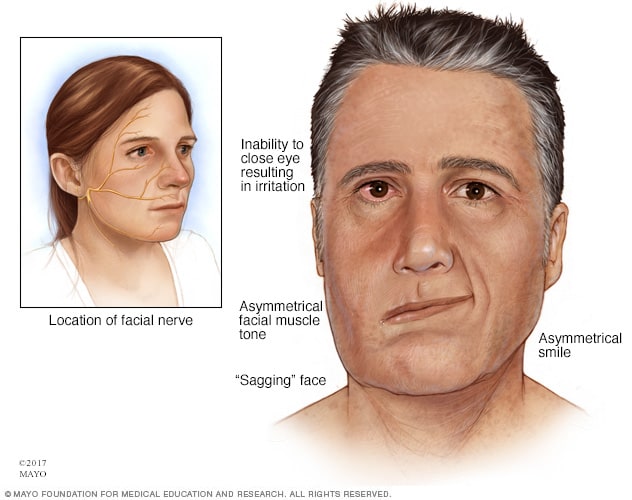
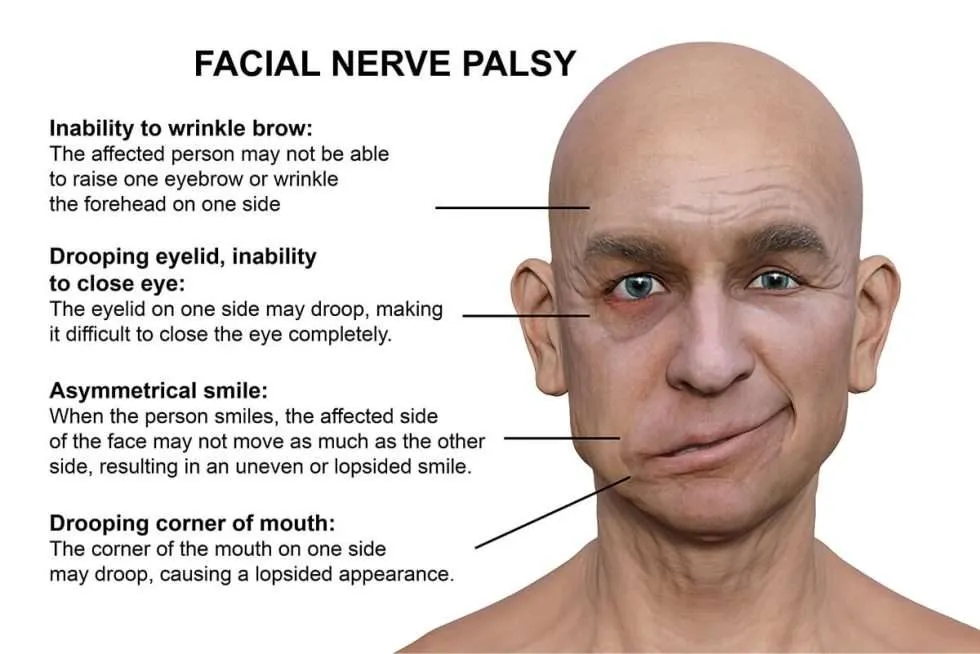
Bell’s Palsy: Temporary Facial Weakness
Bell’s palsy is an idiopathic condition, meaning its exact cause is often unknown, but it is believed to be related to inflammation of the facial nerve (cranial nerve VII). This nerve controls the muscles on one side of the face. The sudden onset of weakness or paralysis on one side of the face, often resembling a stroke, is the hallmark of Bell’s palsy. While it can be frightening, most individuals with Bell’s palsy experience a full recovery within weeks or months. Triggers may include viral infections like herpes simplex.
Other Forms of Palsy
Beyond CP and Bell’s palsy, other conditions fall under the umbrella term “palsy,” often referring to specific nerve damage or muscle weakness:
- Erb’s Palsy: This occurs when the upper brachial plexus nerves are stretched or torn, typically during a difficult birth. It affects the arm, shoulder, and hand.
- Scapular Winging: While not a primary palsy itself, it can be a symptom of damage to the nerve that controls the shoulder blade, leading to weakness and a visible “winging” of the shoulder blade.
- Progressive Supranuclear Palsy (PSP): A rare, degenerative brain disorder that affects movement, balance, vision, and speech. It is a form of atypical parkinsonism.
The Underlying Causes: A Look at Neurological Disruption
The common thread running through all forms of palsy is the disruption of the complex communication network between the brain and the muscles. This can occur at various points:
- Brain Damage: As seen in Cerebral Palsy, direct injury to the brain during development or due to trauma is a significant cause. This damage can affect the motor cortex, cerebellum, or basal ganglia – areas crucial for controlling movement.
- Nerve Damage: The peripheral nerves that carry signals from the brain and spinal cord to the muscles can be damaged. This can happen due to injury, inflammation, compression (like in carpal tunnel syndrome, which can lead to hand weakness), or certain diseases. Bell’s palsy and Erb’s palsy are prime examples of nerve-related palsies.
- Spinal Cord Injury: Damage to the spinal cord can disrupt the flow of signals from the brain to the muscles below the level of the injury, leading to paralysis or weakness.
- Degenerative Diseases: Conditions like Parkinson’s disease, Multiple Sclerosis, and ALS (Amyotrophic Lateral Sclerosis) involve the progressive degeneration of nerve cells, which can lead to various forms of muscle weakness and control issues, sometimes referred to as paralysis.
Tech’s Transformative Role: Enhancing Life with Palsy
The challenges posed by palsy are significant, but the rapid advancements in technology are offering unprecedented opportunities for individuals to live more independent, fulfilling, and integrated lives. From assistive devices to sophisticated diagnostic tools, tech is reshaping the landscape for those affected.
Assistive Technologies: Bridging the Gap in Daily Life
For individuals with motor impairments, assistive technologies are not just helpful; they are life-changing. These tools empower them to perform tasks that might otherwise be impossible, fostering greater autonomy and inclusion.
- Mobility Aids: Powered wheelchairs, advanced prosthetics, and exoskeletons are revolutionizing mobility. These devices, often incorporating sophisticated sensors and AI, allow for more natural and controlled movement, expanding the user’s range of activity.
- Communication Devices: For those with speech impairments, Augmentative and Alternative Communication (AAC) devices are invaluable. These can range from simple picture boards to complex speech-generating devices that use eye-tracking or switch access, enabling individuals to express themselves effectively.
- Environmental Control Systems: Smart home technology plays a crucial role. Voice-activated assistants, smart plugs, and automated systems allow individuals to control lights, thermostats, entertainment systems, and even doors with ease, reducing reliance on caregivers for everyday tasks.
- Wearable Technology: Smartwatches and other wearable sensors can monitor vital signs, track activity levels, and even provide haptic feedback for navigation or task reminders. Some research is exploring wearable tech for controlling prosthetics or even for therapeutic interventions.
- Virtual and Augmented Reality (VR/AR): VR and AR are finding applications in rehabilitation, offering engaging and immersive therapy sessions. They can help improve motor skills, balance, and cognitive function in a safe and controlled environment. AR can also provide real-time guidance for complex tasks.
AI and Software Solutions: Personalized Support and Diagnostics
Artificial intelligence (AI) and advanced software are opening new frontiers in understanding, diagnosing, and managing palsy.
- Diagnostic Tools: AI algorithms are being developed to analyze medical imaging, gait patterns, and even speech to aid in earlier and more accurate diagnosis of various neurological conditions, including subtypes of palsy.
- Personalized Rehabilitation Programs: AI can analyze an individual’s progress and tailor rehabilitation exercises to their specific needs and capabilities, optimizing recovery and management strategies.
- Predictive Analytics: In the realm of Cerebral Palsy, AI could potentially analyze data to predict developmental trajectories and identify early intervention needs.
- Software for Accessibility: Operating systems and applications are increasingly incorporating accessibility features, allowing for customization of font sizes, color contrasts, keyboard shortcuts, and voice control, making digital interaction more inclusive.
- Robotics in Therapy: Robotic therapy devices, often guided by AI, can provide precise and repetitive movements crucial for physical rehabilitation, helping to retrain muscles and improve coordination.
Digital Security and Productivity: Ensuring Safe and Efficient Engagement
As individuals with palsy increasingly rely on technology for communication, education, and work, digital security and productivity tools become paramount.
- Secure Access: For individuals using specialized input methods or remote access to systems, robust digital security measures are essential to protect their data and privacy. Multi-factor authentication and secure network practices are vital.
- Productivity Software: Tools like task management apps, note-taking software, and cloud-based collaboration platforms, when made accessible, can significantly enhance productivity for individuals managing their daily lives, appointments, and treatment plans.
- Ergonomic Tech Solutions: Designing and utilizing ergonomic keyboards, mice, and adaptive input devices can reduce strain and improve comfort for prolonged use, essential for those with limited dexterity.
Branding and Representation: Shifting Perceptions and Fostering Inclusion
The way palsy is perceived by society has a profound impact on the lives of those affected. Branding and corporate identity play a crucial role in shaping these perceptions, advocating for inclusivity, and fostering a more supportive environment.
Personal Branding: Empowering Individual Narratives
For individuals living with palsy, developing a strong personal brand can be a powerful tool for self-advocacy and professional growth.
- Authenticity and Storytelling: Sharing personal experiences, challenges, and triumphs through blogs, social media, or public speaking can humanize the condition, challenge stereotypes, and inspire others.
- Highlighting Strengths and Capabilities: A personal brand should focus on an individual’s skills, passions, and contributions, rather than solely on their diagnosis. This shifts the narrative from one of limitation to one of resilience and achievement.
- Building a Supportive Network: A well-defined personal brand can attract like-minded individuals, potential collaborators, and supportive communities, creating a sense of belonging and shared purpose.
- Professional Development: For those seeking employment, a strong personal brand can showcase their unique value proposition to potential employers, emphasizing their adaptability and problem-solving abilities.
Corporate Identity and Marketing: Ethical and Inclusive Practices
Businesses and organizations have a responsibility to ensure their branding and marketing efforts are inclusive and do not perpetuate negative stereotypes about palsy.
- Diverse Representation: Marketing materials should feature individuals with a diverse range of abilities, including those with visible and invisible disabilities. This helps normalize disability and promotes a more inclusive societal image.
- Accessible Marketing: Websites, advertisements, and promotional content should be designed with accessibility in mind. This includes providing alt text for images, captions for videos, and ensuring website navigation is compatible with assistive technologies.
- Social Responsibility Initiatives: Companies can demonstrate their commitment to inclusivity by supporting organizations that advocate for people with palsy, sponsoring research, or implementing inclusive hiring practices.
- Brand Reputation: A brand that embraces diversity and inclusivity builds a positive reputation, attracting customers and talent who value these principles. Conversely, exclusionary practices can lead to significant reputational damage.
- Case Studies of Inclusion: Highlighting successful collaborations with individuals with disabilities and showcasing how their unique perspectives contribute to innovation can serve as powerful case studies for other organizations.
Designing for Accessibility: A Core Principle
The principles of Universal Design should be integrated into all aspects of branding and product development. This means creating products, services, and environments that are usable by all people, to the greatest extent possible, without the need for adaptation or specialized design.
- User-Centric Design: Understanding the specific needs and challenges faced by individuals with different types of palsy is crucial for designing effective and inclusive solutions.
- Iterative Design and Feedback: Involving individuals with palsy in the design process, gathering feedback, and iterating on designs ensures that the final products and services are truly user-friendly and meet their needs.
Money Matters: Navigating Financial Landscapes with Palsy
Living with palsy, whether it’s the ongoing costs of care, the need for specialized equipment, or the potential impact on earning potential, presents unique financial considerations. Strategic financial planning and access to relevant financial tools are essential for individuals and their families.
Personal Finance and Budgeting: Managing the Costs of Care and Equipment
The financial impact of palsy can be substantial, requiring careful management of personal finances.
- Healthcare Costs: Ongoing medical treatments, therapies, and specialist appointments can accrue significant costs. Understanding insurance coverage, exploring public health programs, and seeking financial aid are critical.
- Assistive Technology Investment: While assistive technologies can be expensive upfront, they often represent a long-term investment in independence and quality of life, potentially reducing the need for ongoing human assistance. Exploring grants, subsidies, and financing options is important.
- Home Modifications: Adapting a living space to be more accessible, such as installing ramps, grab bars, or wider doorways, requires significant financial planning.
- Budgeting for Support Services: Depending on the severity of palsy, individuals may require personal care assistants, in-home support, or respite care for caregivers. These services represent ongoing financial commitments.
- Financial Planning Tools: Utilizing budgeting apps, financial planning software, and seeking advice from financial advisors specializing in disability-related needs can help individuals create a sustainable financial plan.
Investing and Income Generation: Opportunities for Financial Growth
Despite the challenges, individuals with palsy can and do achieve financial independence and growth.
- Remote Work and Online Income: The rise of remote work, facilitated by technology, opens up numerous employment opportunities for individuals who may face physical barriers to traditional employment. Freelancing, online tutoring, and digital content creation are viable avenues.
- Side Hustles and Entrepreneurship: Many individuals with palsy have found success in developing and managing their own side hustles or businesses, leveraging their unique skills and perspectives. This can include online stores, consulting services, or creative ventures.
- Investment Strategies: Similar to the general population, individuals with palsy can benefit from sound investment strategies to grow their wealth. Diversified portfolios, retirement planning, and understanding the stock market are important.
- Government Benefits and Support Programs: Many countries offer disability benefits, grants, and tax incentives to support individuals with disabilities. Navigating these systems and understanding eligibility criteria is crucial for maximizing financial resources.
- Financial Literacy and Education: Access to financial literacy resources, workshops, and online courses can empower individuals with palsy to make informed financial decisions, understand investment options, and plan for their future.
Business Finance and Innovation: Creating Inclusive Economic Opportunities
For businesses and entrepreneurs, understanding the economic landscape of disability is not only socially responsible but also presents significant market opportunities.
- Accessible Products and Services: Developing products and services that cater to the needs of individuals with palsy and other disabilities can tap into a significant and often underserved market.
- Inclusive Workplace Policies: Implementing inclusive hiring practices and providing reasonable accommodations can lead to a more diverse and productive workforce, fostering innovation and employee loyalty.
- Social Impact Investing: Investing in businesses and initiatives that aim to improve the lives of people with palsy and other disabilities can offer both financial returns and significant social impact.
- Government Contracts and Grants: Many governments offer contracts and grants to businesses that develop innovative solutions for people with disabilities, creating economic incentives for innovation in this sector.
In conclusion, while “palsy” describes a complex neurological condition, its impact is multifaceted. By embracing technological advancements, fostering inclusive branding, and strategically navigating financial landscapes, we can collectively work towards a future where individuals living with palsy are empowered, understood, and fully integrated into society, leading lives of purpose and fulfillment.
aViewFromTheCave is a participant in the Amazon Services LLC Associates Program, an affiliate advertising program designed to provide a means for sites to earn advertising fees by advertising and linking to Amazon.com. Amazon, the Amazon logo, AmazonSupply, and the AmazonSupply logo are trademarks of Amazon.com, Inc. or its affiliates. As an Amazon Associate we earn affiliate commissions from qualifying purchases.