
The conversation around Ozempic has reached a fever pitch, transcending its original medical purpose to become a significant topic in broader cultural discourse. While primarily known as a medication for type 2 diabetes, its profound effects on weight loss have thrust it into the spotlight, sparking discussions that resonate deeply with the core pillars of our modern world: technology, brand perception, and financial implications. This article delves into what Ozempic is, its mechanism for weight loss, and why its emergence is particularly relevant to the interconnected realms of tech, brand, and money.
Unpacking the Science: How Ozempic Fuels Weight Loss
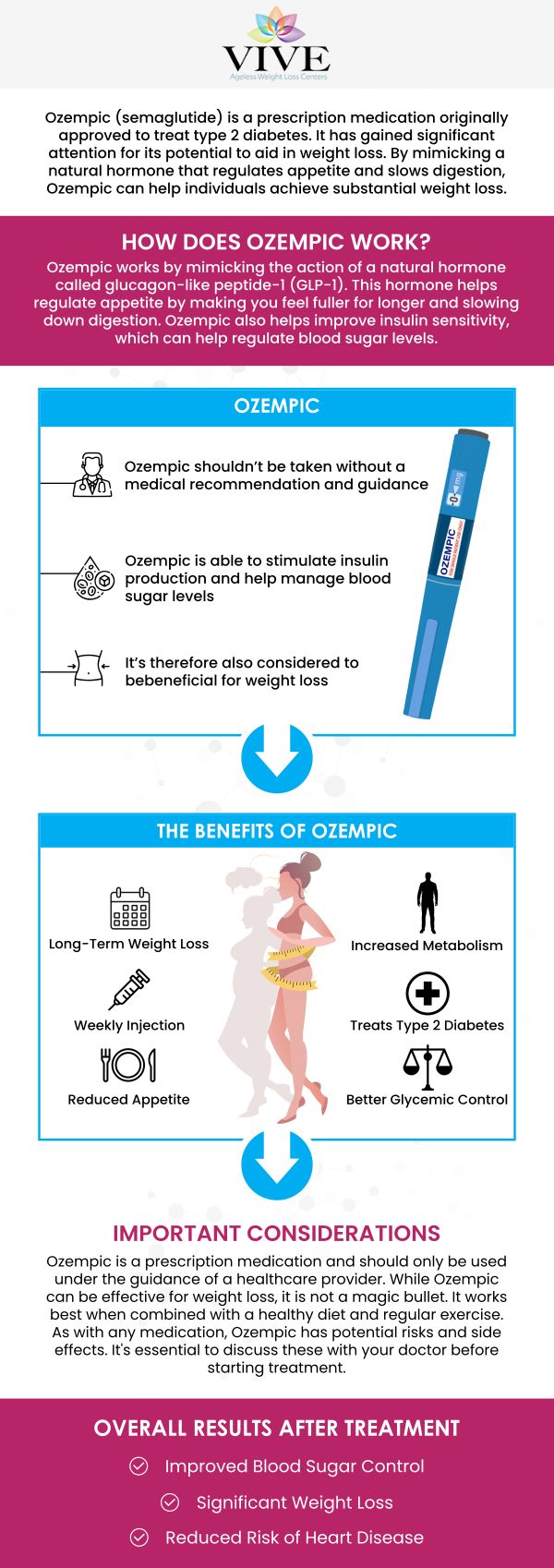
At its heart, Ozempic, a brand name for semaglutide, belongs to a class of drugs called GLP-1 receptor agonists. Understanding how it works is crucial to appreciating its impact.
The GLP-1 Connection: A Hormonal Reset
Glucagon-like peptide-1 (GLP-1) is a naturally occurring hormone produced in the gut. When we eat, GLP-1 is released and plays several vital roles in regulating blood sugar and appetite. It signals the pancreas to release insulin, which helps lower blood glucose levels. Simultaneously, it slows down the emptying of the stomach, leading to a feeling of fullness. Furthermore, GLP-1 acts on the brain to reduce feelings of hunger and increase satiety.
Ozempic mimics the action of this natural GLP-1 hormone. By binding to GLP-1 receptors, semaglutide amplifies these effects:
- Enhanced Insulin Secretion: It stimulates the release of insulin when blood sugar levels are high, preventing dangerous spikes.
- Reduced Glucagon Secretion: It suppresses the release of glucagon, a hormone that raises blood sugar, further contributing to glycemic control.
- Delayed Gastric Emptying: This slows down the rate at which food leaves the stomach, prolonging feelings of fullness and reducing overall calorie intake.
- Appetite Suppression: Perhaps the most significant aspect for weight loss, Ozempic directly impacts brain pathways associated with appetite and reward, leading to a decreased desire to eat and a reduced intake of food.
This multi-pronged approach makes semaglutide remarkably effective not only for managing type 2 diabetes but also for facilitating significant weight loss, even in individuals without diabetes. This dual efficacy is what has fueled its widespread attention.
Beyond Diabetes: The Weight Loss Revelation
While Ozempic was initially approved by the FDA for managing blood sugar in adults with type 2 diabetes, its potent weight loss side effect became evident early on. Clinical trials and real-world observations consistently showed participants experiencing substantial reductions in body weight. This led Novo Nordisk, the pharmaceutical company behind Ozempic, to develop and gain approval for a higher-dose formulation specifically for chronic weight management, marketed under the brand name Wegovy. While both contain semaglutide, the dosages and approved indications differ. However, the underlying mechanism for weight loss remains the same.
The impact on weight loss has been so profound that it has opened up new avenues for individuals struggling with obesity, offering a pharmaceutical intervention that can be more effective than traditional diet and exercise alone for some. This has, in turn, sparked a wave of interest and, at times, controversy, as the drug’s accessibility and implications are debated.
Ozempic’s Ripples in the Tech Landscape
The rise of Ozempic is inextricably linked to the technological advancements that have shaped its development, its promotion, and the way information about it spreads.
Pharmaceutical Innovation: The Tech Behind the Pill
The creation of semaglutide is a testament to cutting-edge pharmaceutical technology and scientific research. The development of GLP-1 receptor agonists involved sophisticated understanding of molecular biology, peptide synthesis, and drug delivery systems.
- Peptide Engineering: Scientists have engineered semaglutide to be more stable and longer-lasting in the body than natural GLP-1, allowing for once-weekly injections. This involves intricate chemical modifications and a deep understanding of protein structure and function.
- Biotechnology and Manufacturing: The large-scale production of such complex molecules relies on advanced biotechnology and precision manufacturing processes. This includes fermentation, purification, and sterile formulation techniques that are hallmarks of the modern pharmaceutical industry.
- Clinical Trial Management Software: The extensive clinical trials required for drug approval and further research are managed and analyzed using sophisticated software. These platforms streamline data collection, monitoring, and statistical analysis, accelerating the scientific discovery process.
- Digital Health Platforms and Wearables: As Ozempic’s weight loss effects gained prominence, digital health platforms and wearable devices have become integral to its ecosystem. Users often integrate data from smartwatches and fitness trackers into apps designed to monitor their progress, diet, and exercise alongside their medication. This creates a data-driven approach to health management, where medication and technology work in tandem.
Information Dissemination and Digital Discourse
The internet and social media have played a pivotal role in how Ozempic has become a household name. The speed and reach of digital platforms have amplified both accurate information and misinformation.
- Social Media Trends and Virality: Platforms like TikTok, Instagram, and X (formerly Twitter) have become major hubs for discussions about Ozempic. Before-and-after photos, personal anecdotes, and expert opinions – both credible and otherwise – spread rapidly. This has led to “Ozempic face” (facial fat loss) and “lean out” becoming trending topics.
- AI-Powered Health Information: With the rise of AI tools, individuals are increasingly using chatbots and AI-driven search engines to understand medical conditions and treatments. While these tools can provide quick answers, they also necessitate critical evaluation of sources and a recognition that AI output is not a substitute for professional medical advice.
- Telehealth and Online Pharmacies: The convenience of telehealth services and the emergence of online pharmacies have also made accessing Ozempic – and discussing its use – more accessible. This digital shift in healthcare delivery further integrates technology into the patient journey.
- Digital Marketing and Brand Campaigns: Pharmaceutical companies leverage digital marketing strategies to reach healthcare professionals and, in some cases, consumers (depending on regulations). This includes targeted online advertising, content marketing on medical websites, and virtual conferences.
The technological underpinnings of Ozempic’s journey from a prescription drug to a cultural phenomenon are undeniable, influencing everything from its creation to its public perception.
Crafting the Narrative: Ozempic and Brand Perception

The success and perception of Ozempic are heavily influenced by how it’s branded and marketed, and how this brand interacts with public perception and the broader health and wellness industry.
The Pharmaceutical Brand: Trust and Efficacy
Novo Nordisk has invested significantly in establishing Ozempic (and Wegovy) as trusted, effective treatments for specific medical needs.
- Clinical Evidence as Brand Foundation: The brand’s strength is built upon robust clinical trial data demonstrating efficacy and safety. This scientific foundation is crucial for gaining trust from healthcare professionals and regulatory bodies.
- Targeted Marketing to Healthcare Providers: Pharmaceutical marketing efforts are primarily directed at physicians and endocrinologists, who are the gatekeepers for prescribing these medications. Educational materials, medical conferences, and detailing efforts aim to inform them about the drug’s benefits.
- Brand Differentiation: With the emergence of other GLP-1 agonists and similar weight-loss medications, brand differentiation becomes critical. Novo Nordisk highlights the specific advantages of semaglutide, such as its once-weekly dosage and proven track record.
- Reputation Management: The widespread off-label use and the surging demand for Ozempic present significant reputation management challenges. The brand must navigate discussions around accessibility, cost, potential side effects, and ethical considerations of its use purely for cosmetic weight loss.
Celebrity Endorsements and Influencer Culture
The influence of celebrities and social media influencers has been a significant, albeit sometimes controversial, factor in Ozempic’s brand visibility.
- “Celebrity Secret” Narrative: When celebrities are perceived to have experienced dramatic weight loss, speculation about their use of Ozempic often follows. This creates a powerful, albeit often unconfirmed, association between the drug and a desirable aesthetic, driving public curiosity.
- Influencer Marketing (and its Perils): While direct endorsements of prescription drugs by influencers are often regulated, discussions about their personal journeys, perceived results, and the “hack” for weight loss can create a powerful ripple effect. This can blur the lines between medical treatment and lifestyle enhancement.
- Brand Associations: The rapid spread of information on social media can inadvertently create strong brand associations. Whether positive or negative, these associations shape how the public perceives Ozempic’s purpose and efficacy.
- The “Ozempic Aesthetic”: The concept of an “Ozempic aesthetic” – often characterized by rapid weight loss and a leaner physique – has become a recognized cultural phenomenon. This is a brand perception that extends beyond the pharmaceutical company’s direct control, shaped by collective observation and discourse.
The interplay between pharmaceutical branding, scientific claims, and the pervasive influence of celebrity and social media culture significantly shapes how Ozempic is perceived and desired by the public.
The Financial Equation: Ozempic, Costs, and Economic Impact
The financial aspects of Ozempic are as complex and multifaceted as its scientific and social implications, touching upon personal finance, investment, and the broader economic landscape.
The High Cost of Treatment
One of the most significant barriers to Ozempic’s accessibility is its price tag.
- Prescription Drug Pricing: Ozempic, like many advanced pharmaceutical treatments, comes with a substantial cost. This price is influenced by research and development expenses, manufacturing complexities, and market dynamics.
- Insurance Coverage and Out-of-Pocket Expenses: Coverage for Ozempic varies widely by insurance provider and individual plan. For type 2 diabetes management, it is more likely to be covered. However, for weight loss purposes, coverage is often more restricted, leading to significant out-of-pocket expenses for many.
- Affordability and Accessibility Debates: The high cost fuels ongoing debates about drug affordability and equitable access to essential medications. For individuals without robust insurance or sufficient financial resources, Ozempic can be an unattainable solution, exacerbating health disparities.
- The “Side Hustle” for Savings: Some individuals might explore strategies like negotiating with pharmacies, seeking patient assistance programs, or even looking into international sources for medication to manage costs, blurring into the realm of financial “side hustles” out of necessity.
Investment and Market Opportunities
The surging demand for Ozempic and related medications has created significant investment opportunities and market shifts within the pharmaceutical and healthcare sectors.
- Pharmaceutical Stock Performance: Companies developing and manufacturing GLP-1 agonists, most notably Novo Nordisk, have seen their stock prices soar, reflecting the immense market potential of these drugs. Investors are keenly watching this sector for growth opportunities.
- Competition and Innovation: The success of semaglutide has spurred intense competition and accelerated research and development for next-generation weight-loss medications. This drive for innovation benefits the market and potentially leads to more treatment options in the future.
- The “Weight-Loss Industry” Boom: Ozempic’s impact extends beyond pharmaceuticals, influencing the broader weight-loss industry. This includes diet programs, fitness services, and even surgical interventions, all vying for a share of the growing market for weight management solutions.
- Supply Chain and Manufacturing Investments: The high demand necessitates significant investment in expanding manufacturing capacity and ensuring robust supply chains. This creates economic activity and job opportunities within the pharmaceutical manufacturing sector.
Personal Finance and Lifestyle Choices
For individuals considering or using Ozempic, personal finance becomes a critical consideration.
- Budgeting for Medication: Incorporating the recurring cost of Ozempic into a personal budget requires careful financial planning. This might involve reallocating funds from other discretionary spending.
- The “Return on Investment” for Health: Some individuals view the cost of Ozempic as an investment in their health and long-term well-being, potentially reducing future healthcare costs associated with obesity-related conditions.
- Lifestyle Adjustments and Financial Discipline: While Ozempic can significantly reduce appetite, it doesn’t eliminate the need for healthy eating habits and physical activity. This often requires a renewed focus on financial discipline to afford nutritious food and potentially exercise equipment or memberships.
- Potential for Increased Income: While not a direct effect, improved health and energy levels associated with successful weight loss might indirectly enable individuals to be more productive, potentially leading to increased earning potential or the ability to pursue side hustles more effectively.
The financial landscape surrounding Ozempic is complex, encompassing the high cost of the drug itself, investment opportunities it creates, and the personal financial decisions individuals must make to access and benefit from it.

Conclusion: Ozempic as a Microcosm of Modern Challenges and Opportunities
Ozempic’s journey from a diabetes medication to a widely discussed weight-loss solution offers a compelling case study of how technology, brand strategy, and financial considerations intersect in contemporary society. The drug’s existence is a triumph of pharmaceutical technology, its spread is amplified by digital platforms and influencer culture, and its accessibility is a significant financial challenge.
As Ozempic continues to shape conversations around health, wellness, and medical innovation, understanding its implications through the lenses of tech, brand, and money provides a comprehensive perspective. It highlights both the incredible potential of scientific advancement and the persistent need for equitable access, responsible marketing, and careful financial stewardship in navigating the complexities of modern healthcare.
aViewFromTheCave is a participant in the Amazon Services LLC Associates Program, an affiliate advertising program designed to provide a means for sites to earn advertising fees by advertising and linking to Amazon.com. Amazon, the Amazon logo, AmazonSupply, and the AmazonSupply logo are trademarks of Amazon.com, Inc. or its affiliates. As an Amazon Associate we earn affiliate commissions from qualifying purchases.