
For generations of children and adults alike, the name “Nickelodeon” conjures images of orange splats, slime, iconic characters, and a distinct brand of irreverent humor. More than just a television channel, Nickelodeon has cemented itself as a cultural phenomenon and a masterclass in brand building, evolving from a nascent cable experiment into a multi-billion-dollar global entertainment empire. To ask “what is Nickelodeon?” is to explore the intricate layers of a brand that has consistently understood, captivated, and grown with its audience, establishing a unique identity in the competitive landscape of children’s entertainment. It is a testament to strategic branding, innovative content creation, and a relentless focus on its core demographic.
The Genesis of a Kid-Centric Empire: Branding from the Ground Up
Nickelodeon’s journey began with a clear, albeit revolutionary, vision: a television channel exclusively for children. This singular focus laid the groundwork for a branding strategy that would set it apart and define its legacy.
Early Vision and Distinctive Positioning
Launched nationally in 1979 by Warner Amex Satellite Entertainment, Nickelodeon initially struggled to find its footing, airing a mix of acquired programs. The true turning point came in the mid-1980s and early 1990s when the brand decided to invest heavily in original programming and meticulously carve out a niche. Its early branding was less about specific shows and more about an attitude – a rebellious, fun-loving spirit that spoke directly to kids, not just as viewers, but as a valued audience. This positioning was a stark contrast to the often didactic or overly saccharine children’s programming of the era. Nickelodeon aimed to entertain, not just educate, respecting children’s intelligence and their desire for genuine fun. This foundational brand promise—”the kids’ network”—became its guiding principle and a powerful differentiator.
The Iconic Orange Identity and Brand Evolution
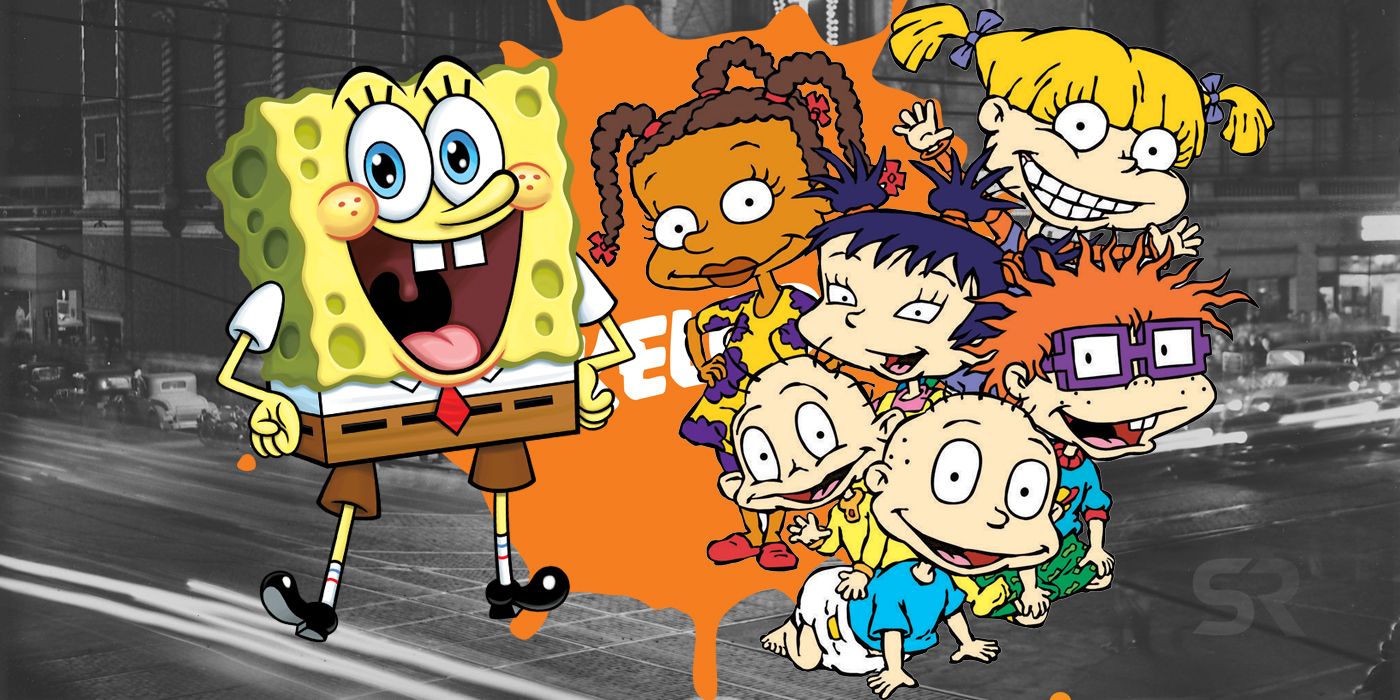
Perhaps no single element encapsulates Nickelodeon’s brand identity as much as its vibrant, ever-evolving orange aesthetic. The iconic orange splat logo, introduced in 1984, was a stroke of branding genius. It was playful, dynamic, and instantly recognizable, symbolizing the messy, energetic, and unpredictable nature of childhood. Unlike static, corporate logos, the splat was designed to be adaptable, morphing around characters, objects, and even real people, making it feel organic and part of the fun. This flexibility allowed Nickelodeon to maintain a consistent visual identity while constantly refreshing its look, keeping the brand feeling modern and relevant. The color orange itself became synonymous with the brand, evoking energy, creativity, and enthusiasm – qualities intrinsically linked to its target audience. This commitment to a distinctive and adaptable visual language contributed significantly to the brand’s memorability and distinctiveness.
Cultivating a Unique Brand Voice: Slime, Sarcasm, and Sincerity
Beyond visuals, Nickelodeon cultivated a unique brand voice that resonated deeply with children. This voice was characterized by a blend of irreverence, humor, and a genuine understanding of the child’s perspective. The concept of “slime” became a physical manifestation of this voice—a messy, gooey, celebratory symbol of fun that broke traditional television etiquette. Shows like “You Can’t Do That on Television” and later “Double Dare” embedded this “slimy” personality into the network’s very fabric. The brand embraced sarcasm, witty banter, and relatable scenarios in its programming, speaking to kids in a way that felt authentic and non-patronizing. This sincerity in connecting with its audience, combined with a willingness to be silly and push boundaries, fostered a strong sense of loyalty and community, transforming viewers into brand advocates.
Content as the Core: Crafting a Multi-Generational Brand Experience
While strong branding defined Nickelodeon’s initial identity, it was the quality and innovation of its content that truly solidified its position and ensured its longevity. The brand understood that its product—entertainment—needed to be consistently engaging and reflective of its audience’s evolving tastes.
Pioneering Original Programming and Character Development
The early 1990s marked a golden age for Nickelodeon with the launch of “Nicktoons”—original animated series that broke molds and set new standards. Shows like “Doug,” “Rugrats,” and “The Ren & Stimpy Show” were groundbreaking. They featured unique animation styles, complex characters, and storylines that appealed to children while also subtly entertaining adults. These characters became brand ambassadors, instantly recognizable and deeply cherished. “Rugrats,” for instance, explored the world from a baby’s perspective, resonating with young viewers and their parents alike. This commitment to distinct, high-quality original content created a strong brand equity, fostering deep emotional connections and transforming Nickelodeon from a mere channel into a beloved part of childhood. The ability to create enduring characters that transcended their original shows was a masterstroke in brand development.
Strategic Expansion: Nick Jr., TeenNick, and Digital Platforms
Recognizing the diverse needs within its broad target demographic, Nickelodeon strategically expanded its brand through sub-channels. Nick Jr., launched to cater specifically to preschoolers, adopted a gentler, more educational, yet still engaging brand identity with shows like “Dora the Explorer” and “PAW Patrol.” TeenNick, on the other hand, targeted older children and young teenagers, addressing more complex themes relevant to that age group. This segmentation allowed the main Nickelodeon brand to maintain its core identity while extending its reach across different age cohorts, preventing brand dilution and maximizing audience engagement. Furthermore, in the digital age, Nickelodeon swiftly adapted, developing apps, websites, and a strong presence on social media platforms, ensuring its content and brand remained accessible wherever its audience spent their time, thus reinforcing its status as a modern, relevant entertainment provider.
Nostalgia and Reinvention: Maintaining Relevance Across Decades
A key aspect of Nickelodeon’s brand success lies in its ability to balance nostalgia with continuous reinvention. The brand understands the powerful pull of its past, frequently re-airing classic shows or creating reboots that appeal to adults who grew up with Nickelodeon. This strategy taps into the emotional connection built over decades, turning former viewers into advocates and new generations into fans. Simultaneously, Nickelodeon continually invests in new content, identifying emerging trends and adapting its storytelling to reflect contemporary childhood experiences. This delicate dance between honoring its heritage and embracing innovation ensures that the brand remains fresh and appealing to each new generation, avoiding the trap of becoming solely a relic of the past.
Beyond the Screen: Nickelodeon’s Diversified Brand Ecosystem
Nickelodeon’s brand power extends far beyond television screens, manifesting in a vast array of products, experiences, and initiatives that reinforce its identity and broaden its reach. This diversification is a hallmark of a truly successful global brand.
Merchandising and Licensing: Extending Brand Reach

From action figures and clothing to video games and school supplies, Nickelodeon characters are ubiquitous in the consumer market. The brand’s extensive merchandising and licensing operations are a crucial pillar of its financial success and brand omnipresence. By allowing its iconic characters and logos to appear on a wide range of products, Nickelodeon ensures constant brand exposure and interaction, turning passive viewers into active consumers and brand carriers. Each licensed product serves as a mini-billboard for the brand, reinforcing its visual identity and emotional connection in daily life. This strategy is carefully managed to ensure product quality aligns with brand values, protecting the integrity of the Nickelodeon image.
Experiential Branding: Theme Parks, Resorts, and Live Events
Nickelodeon has also masterfully ventured into experiential branding, creating immersive physical environments where fans can live out the brand. Nickelodeon Universe theme park rides, Nickelodeon Hotels & Resorts, and live touring shows featuring beloved characters offer unique opportunities for deep engagement. These experiences transform the brand from a passive viewing activity into an active, memorable adventure. Children can meet their favorite characters, get slimed in person, or enjoy attractions designed around Nickelodeon’s vibrant aesthetic. These physical touchpoints create lasting memories, strengthen brand loyalty, and foster a deeper, multi-senssensory connection to the Nickelodeon world, moving beyond two-dimensional media to a fully realized brand experience.
Social Responsibility and Community Engagement: Building Brand Trust
A responsible brand builds trust, and Nickelodeon has consistently engaged in initiatives that demonstrate its commitment to its young audience beyond entertainment. Programs like “Worldwide Day of Play,” which encourages kids to get active, or campaigns promoting environmental awareness and anti-bullying messages, showcase the brand’s understanding of its influence. By aligning itself with positive social values and encouraging healthy behaviors, Nickelodeon reinforces its image as a caring and responsible entity, earning the respect of parents and solidifying its reputation as a safe and beneficial brand for children. This commitment to community engagement strengthens the brand’s ethical standing and overall perceived value.
Marketing Mastery: Connecting with Kids (and Their Parents)
Nickelodeon’s enduring success is also a testament to its acute understanding of marketing, specifically targeting a unique demographic and adapting its messaging effectively.
Innovative Promotional Strategies and Brand Activations
Nickelodeon has always been adept at creating buzz and engaging its audience through innovative promotional tactics. From its famous “slime” stunts at awards shows to interactive online campaigns, the brand consistently finds creative ways to capture attention. Its marketing isn’t just about selling shows; it’s about selling an experience, a lifestyle. Brand activations that involve audience participation, such as voting for favorite shows or characters, foster a sense of ownership and community among viewers. The brand utilizes colorful, energetic advertising that is instantly recognizable as Nickelodeon, often employing humor and child-friendly language to connect directly with its primary audience while reassuring parents of its wholesome (but still fun) nature.
Understanding the Target Audience: Psychological Branding
A cornerstone of Nickelodeon’s branding success is its profound understanding of child psychology and development. The brand recognizes that children’s interests evolve rapidly, and their programming and marketing must adapt accordingly. It speaks to kids on their level, validating their feelings, embracing their sense of wonder, and celebrating their individuality. This deep empathy allows Nickelodeon to create content and campaigns that genuinely resonate, fostering a sense of belonging and representation. For parents, Nickelodeon markets itself as a trusted provider of safe, imaginative, and engaging content, balancing the fun for kids with reassurance for adults, demonstrating a dual-audience marketing strategy that is crucial for a children’s brand.
The Global Footprint: Adapting a Brand for International Markets
Nickelodeon’s transition from a domestic success to a global powerhouse highlights its sophisticated brand strategy. While maintaining its core identity, the brand has demonstrated flexibility in adapting its content and marketing to resonate with diverse cultures. This includes localizing programming, creating original content for specific regions, and adjusting marketing campaigns to reflect local customs and languages. The iconic orange splat and the underlying values of fun, creativity, and empowerment remain consistent, but the execution is tailored to ensure global appeal without losing its distinct brand essence. This ability to be both globally consistent and locally relevant is a significant achievement in brand management.
The Enduring Legacy and Future Trajectory of a Branding Juggernaut
Nickelodeon’s journey offers invaluable lessons in brand longevity, resilience, and adaptive strategy. Its impact extends far beyond the realm of children’s television.
Impact on Pop Culture and Generational Influence
Nickelodeon has indelibly shaped pop culture, introducing catchphrases, character archetypes, and comedic styles that have permeated society. Its programming has influenced generations of creatives, comedians, and artists. For many, Nickelodeon shows are a source of profound nostalgia, representing a cherished era of their childhood. This deep generational influence speaks to the power of the brand to create lasting emotional connections and become a significant part of personal and collective memory, solidifying its place in cultural history.
Navigating New Media Landscapes and Competitive Challenges
In an era of fragmented media consumption, streaming wars, and increased competition from platforms like YouTube and TikTok, Nickelodeon faces the ongoing challenge of remaining relevant. Its strategy involves continuous innovation in content, aggressive expansion into streaming services (like Paramount+), and maintaining a strong presence across multiple digital touchpoints. The brand must constantly analyze audience habits, leverage data analytics, and adapt its distribution models to reach its evolving audience. The future success of Nickelodeon as a brand hinges on its ability to continue this agile adaptation, identifying new forms of engagement while staying true to its core identity.

Lessons in Brand Longevity and Adaptive Strategy
Ultimately, “what is Nickelodeon?” is the story of a brand that mastered its niche, cultivated an unforgettable identity, and built a loyal following through consistent quality and strategic adaptation. It is a powerful example of how a clear vision, a distinct voice, iconic visuals, compelling content, and a deep understanding of its audience can create an entertainment juggernaut. Nickelodeon’s legacy lies not just in the shows it produced, but in the brand experience it consistently delivered—a brand that stands for fun, creativity, and the joy of being a kid, continually reinventing itself to inspire new generations.
aViewFromTheCave is a participant in the Amazon Services LLC Associates Program, an affiliate advertising program designed to provide a means for sites to earn advertising fees by advertising and linking to Amazon.com. Amazon, the Amazon logo, AmazonSupply, and the AmazonSupply logo are trademarks of Amazon.com, Inc. or its affiliates. As an Amazon Associate we earn affiliate commissions from qualifying purchases.