
Neuropathy pain, a complex and often debilitating condition, arises from damage or dysfunction of the peripheral nervous system—the vast network of nerves that transmits information between the brain and spinal cord and every other part of the body. Far from being a mere discomfort, it manifests as a spectrum of sensations, from searing pain and tingling to numbness and muscle weakness, fundamentally impacting an individual’s quality of life. In an era increasingly defined by technological innovation, understanding, diagnosing, and managing neuropathy pain is being revolutionized by advancements in digital health, AI, wearable technology, and personalized medicine platforms. This article delves into the essence of neuropathy pain, examining its nature through the lens of technology and exploring how modern tools are reshaping patient care.
Understanding Neuropathy Pain Through a Digital Lens
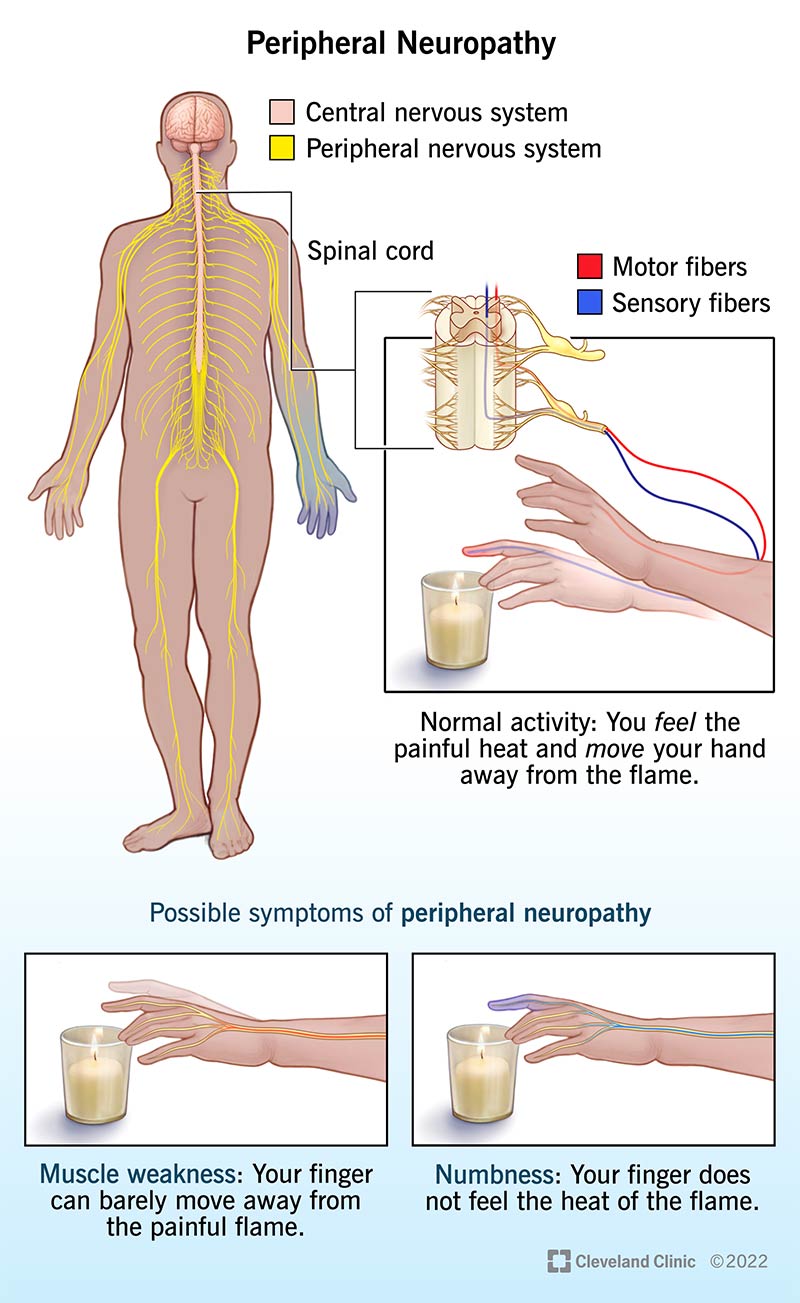
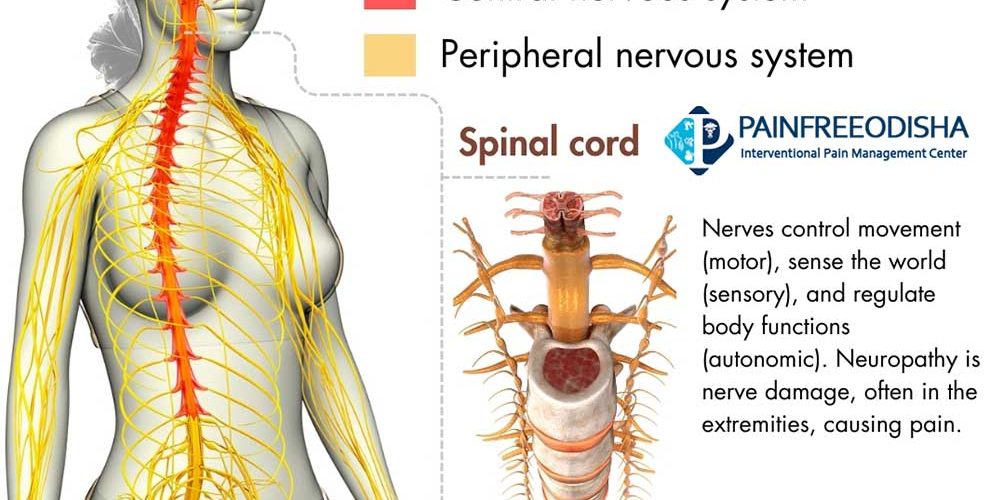
To appreciate the technological interventions in neuropathy care, one must first grasp the intricate biological mechanisms at play. The peripheral nervous system, analogous to a sophisticated biological data network, is responsible for transmitting sensory information, motor commands, and autonomic signals. When this network is compromised, the “data packets” get corrupted, leading to the erratic signals we perceive as neuropathy pain.
The Nervous System: A Biological Network Under Threat
Imagine the human nervous system as an incredibly complex, high-speed communication infrastructure. The central nervous system (CNS) acts as the main server and data center, while the peripheral nervous system (PNS) is the intricate web of fiber-optic cables and routers extending to every device (organ, muscle, skin) in the body. Sensory nerves are like input channels, sending data on touch, temperature, and pain. Motor nerves are output channels, transmitting commands for movement. Autonomic nerves manage background processes like heart rate and digestion.
Neuropathy occurs when these “cables” or “routers” are damaged. This damage can disrupt signal transmission, leading to misfires, delays, or complete communication breakdowns. For instance, a damaged sensory nerve might send constant “pain signals” even when there’s no actual stimulus, or fail to register a dangerous temperature. Understanding this intricate biological network is the first step towards developing targeted digital solutions that can monitor, diagnose, and even modulate these signals.
Causes and Types of Neuropathy: Decoding the Damage
Neuropathy is not a single disease but a general term for nerve damage, with an array of underlying causes. Each cause can be thought of as a different type of “network attack” or “system malfunction.”
- Diabetic Neuropathy: The most common form, where high blood sugar levels systematically damage nerve fibers, akin to a power surge consistently degrading network hardware. Digital tools are crucial here for managing glucose levels and predicting nerve damage progression.
- Chemotherapy-Induced Peripheral Neuropathy (CIPN): A side effect of cancer treatments, where potent chemicals inadvertently harm nerves, similar to a virus corrupting system files.
- Autoimmune Neuropathies: Conditions like Guillain-Barré syndrome or chronic inflammatory demyelinating polyneuropathy (CIDP), where the body’s immune system mistakenly attacks its own nerves, much like a firewall misidentifying critical system components as threats.
- Entrapment Neuropathies: Such as carpal tunnel syndrome, where a nerve is physically compressed, comparable to a cable being pinched, disrupting its signal flow.
- Infectious Neuropathies: Caused by viruses (e.g., shingles) or bacteria, akin to malware infecting and disrupting network operations.
- Idiopathic Neuropathy: Cases where the cause remains unknown, presenting a diagnostic puzzle that advanced analytics and AI are increasingly helping to solve.
Identifying the specific type of nerve damage is crucial for effective treatment. Digital diagnostic platforms, leveraging vast datasets, are proving instrumental in streamlining this process, offering more precise and timely identification.
The Digital Divide: Bridging Knowledge Gaps with Tech
The complexity of neuropathy often leaves patients feeling isolated and uninformed. Here, technology bridges the “digital divide” in health literacy. Patient education apps, interactive websites, and virtual reality (VR) simulations can demystify complex medical terms, illustrate nerve damage, and explain treatment options. These tools empower patients, transforming them from passive recipients of care into active participants in their health journey, enhancing adherence to treatment plans and improving self-management strategies.
Technological Frontiers in Diagnosis and Monitoring
The journey to effective neuropathy management begins with accurate diagnosis. Traditional methods, while foundational, are being augmented and, in some cases, transformed by cutting-edge technology, offering unprecedented precision and insights.
Advanced Imaging and Electrophysiology: Beyond Traditional Methods
While nerve conduction studies (NCS) and electromyography (EMG) remain gold standards for assessing nerve function, technological advancements are enhancing their capabilities and introducing new diagnostic avenues. High-resolution ultrasound and advanced MRI techniques can now visualize individual nerve fascicles, identifying structural abnormalities that might have previously been missed. Quantitative sensory testing (QST), often integrated with digital interfaces, provides objective measures of sensory thresholds, offering a more nuanced understanding of nerve damage progression. Furthermore, sophisticated software analyzes the vast data generated by these tests, highlighting subtle patterns indicative of specific neuropathies that might be imperceptible to the human eye alone.
AI and Machine Learning: Predictive Analytics for Early Detection
Perhaps the most transformative technological frontier in neuropathy is the application of Artificial Intelligence (AI) and machine learning (ML). These powerful algorithms can process and interpret massive datasets—from patient symptoms and medical histories to genetic markers and imaging results—to identify subtle correlations and predict disease progression with remarkable accuracy.
AI-powered diagnostic tools can analyze symptom clusters, laboratory results, and lifestyle factors to flag individuals at high risk for developing neuropathy, particularly diabetic neuropathy, long before clinical symptoms become severe. This early detection is paramount, as early intervention can slow or prevent irreversible nerve damage. Machine learning models are also being developed to personalize risk assessments and guide diagnostic pathways, reducing diagnostic delays and improving patient outcomes.
Wearable Sensors and Remote Monitoring: Real-time Insights
The proliferation of wearable technology provides a continuous, real-time window into a patient’s physiological state. Smart insoles can monitor gait and balance, detecting subtle changes indicative of motor neuropathy. Continuous glucose monitors (CGMs), a staple for diabetic patients, provide invaluable data for preventing diabetic neuropathy. Specialized patches and devices can track nerve activity, skin temperature (a proxy for small fiber neuropathy), and even subtle tremors, transmitting data directly to healthcare providers.
This remote monitoring capability is revolutionary. It allows clinicians to track disease progression, assess treatment effectiveness outside the clinic, and intervene promptly if symptoms worsen or complications arise. For patients, it offers reassurance and a sense of constant connection to their care team, transforming episodic care into continuous, proactive management.
Innovative Tech Solutions for Pain Management and Treatment
Managing neuropathy pain is often a lifelong endeavor, and technology is providing an ever-expanding arsenal of tools to improve quality of life, beyond traditional pharmacotherapy.
Digital Therapeutics and Virtual Reality: Non-Pharmacological Interventions
Digital therapeutics (DTx) are evidence-based software programs that deliver medical interventions directly to patients to prevent, manage, or treat a medical disorder. For neuropathy pain, DTx apps can offer cognitive behavioral therapy (CBT) modules to help patients cope with chronic pain, mindfulness exercises to reduce stress, and guided physical therapy routines to improve strength and mobility.
Virtual Reality (VR) is emerging as another powerful non-pharmacological tool. VR experiences can create immersive distractions that reduce pain perception, a technique known as “VR analgesia.” Moreover, VR can be used for rehabilitation, allowing patients to perform exercises in engaging virtual environments, improving adherence and functional outcomes without adding physical strain. For example, VR environments can simulate obstacle courses to improve balance and coordination for patients with motor neuropathy.
Neuromodulation Devices: Precision Pain Relief
Neuromodulation involves altering nerve activity through targeted electrical or chemical stimulation. This field is witnessing rapid technological advancement, offering hope for patients unresponsive to conventional treatments.
- Spinal Cord Stimulators (SCS): Implantable devices that deliver mild electrical impulses to the spinal cord, interrupting pain signals before they reach the brain. Modern SCS systems are highly programmable, allowing for personalized waveforms and sophisticated algorithms to optimize pain relief.
- Peripheral Nerve Stimulators (PNS): Similar to SCS but target specific peripheral nerves, ideal for localized neuropathy pain. These devices are becoming smaller, less invasive, and more precise.
- Transcutaneous Electrical Nerve Stimulation (TENS) Units: Non-invasive devices that deliver low-voltage electrical current through electrodes placed on the skin, offering symptomatic relief for many patients. Recent iterations of TENS units include smart features, connecting to apps for customized treatment programs and tracking.
These devices offer a targeted, often drug-sparing approach to pain management, providing patients with greater control over their symptoms and a path to improved functionality.
Personalized Medicine Platforms: Tailoring Treatment with Data
The future of neuropathy treatment is inherently personalized. Technological platforms are integrating genetic data, patient-reported outcomes, physiological measurements from wearables, and treatment response data to create highly individualized care plans. AI algorithms can identify which patients are most likely to respond to a particular medication, a specific neuromodulation technique, or a digital therapeutic program. This data-driven approach minimizes trial-and-error, reduces side effects, and optimizes treatment effectiveness, ushering in an era of precision medicine for neuropathy pain.
The Future of Neuropathy Care: Integration and Accessibility
The trajectory of technology in neuropathy care points towards an increasingly integrated, accessible, and patient-centric model.
Telehealth and Remote Consultations: Expanding Access to Specialists
The rise of telehealth platforms has dramatically improved access to specialists, particularly for patients in rural areas or those with mobility challenges due to neuropathy. Virtual consultations, remote monitoring, and digital prescription services ensure continuous care, reduce travel burden, and facilitate timely adjustments to treatment plans. This digital shift democratizes access to expert care, making specialized neuropathy management more equitable.
Data Security and Privacy in Digital Health: Trust in Tech
As more sensitive health data is collected, transmitted, and analyzed through digital platforms, ensuring robust data security and patient privacy is paramount. Blockchain technology, advanced encryption, and stringent regulatory frameworks (like GDPR and HIPAA) are critical in building and maintaining patient trust. Safeguarding this data is not just a technical challenge but an ethical imperative, ensuring that the benefits of digital health are realized without compromising individual privacy.

AI-Driven Drug Discovery and Gene Therapies: The Horizon
Looking further ahead, AI is accelerating the discovery of new therapeutic compounds for neuropathy. By simulating molecular interactions and predicting drug efficacy, AI can significantly shorten the drug development cycle. Coupled with advancements in gene editing technologies like CRISPR, the long-term vision includes precision gene therapies that can repair damaged nerves or prevent nerve degeneration at a fundamental level. These frontiers, while still nascent, represent the ultimate promise of technology: to not just manage symptoms but to fundamentally cure neuropathy.
In conclusion, neuropathy pain, a condition rooted in biological networks, is increasingly understood, diagnosed, and managed through sophisticated technological interfaces. From intelligent diagnostics and remote monitoring to advanced neuromodulation and digital therapeutics, technology is not just an adjunct but a central pillar in the evolving landscape of neuropathy care. As these innovations continue to mature and integrate, they offer profound hope for mitigating suffering, restoring function, and ultimately, transforming the lives of millions affected by this challenging condition.
aViewFromTheCave is a participant in the Amazon Services LLC Associates Program, an affiliate advertising program designed to provide a means for sites to earn advertising fees by advertising and linking to Amazon.com. Amazon, the Amazon logo, AmazonSupply, and the AmazonSupply logo are trademarks of Amazon.com, Inc. or its affiliates. As an Amazon Associate we earn affiliate commissions from qualifying purchases.