
In the ever-evolving digital landscape, clarity, efficiency, and accessibility are paramount. Whether you’re a tech enthusiast dissecting the latest AI trends, a brand strategist crafting a compelling corporate identity, or a personal finance guru guiding others toward financial freedom, your ability to communicate effectively is the bedrock of your success. This is where Markdown format emerges as an indispensable tool, a simple yet remarkably powerful language that streamlines content creation across diverse fields, including technology, branding, and personal finance.
This article will delve into what Markdown format is, exploring its origins, core principles, and its profound benefits. We’ll then examine how its straightforward syntax and widespread adoption make it an ideal choice for professionals and individuals operating within the realms of Tech, Brand, and Money, ultimately empowering you to communicate your ideas with greater ease and impact.
The Genesis and Core Principles of Markdown
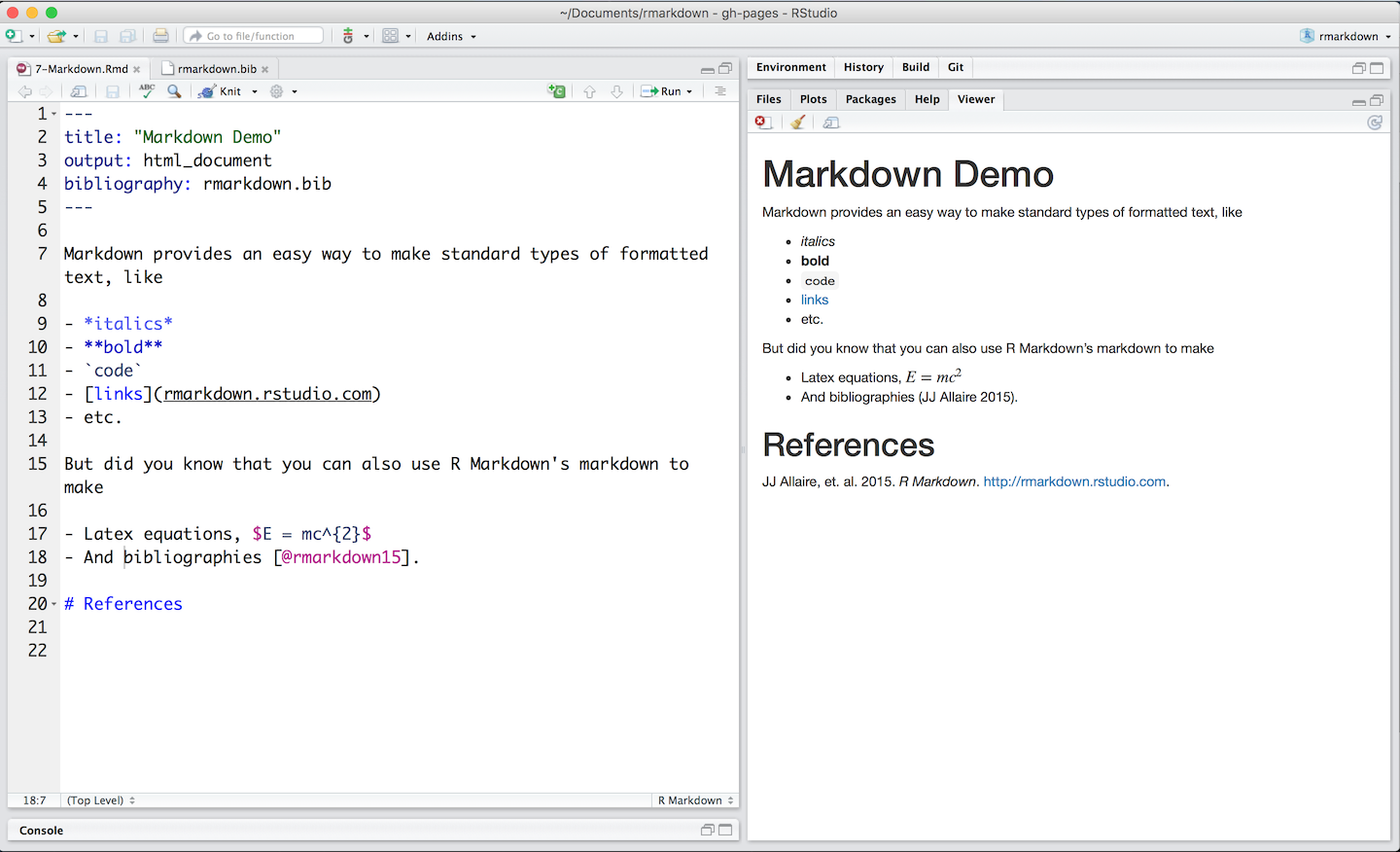
At its heart, Markdown is a lightweight markup language designed for ease of use and readability. Created by John Gruber and Aaron Swartz in 2004, its primary objective was to enable people “to write using an easy-to-read, easy-to-write plain text format, then convert it to structurally valid XHTML (or HTML).” This foundational principle of plain text readability remains its greatest strength.
Unlike complex markup languages like HTML or XML, which often require intricate tags and strict syntax, Markdown employs simple, intuitive characters and symbols to denote formatting. This means you can write and read a Markdown document directly in a plain text editor without any visual distraction from formatting. The “markup” – the formatting instructions – is unobtrusive, allowing the content itself to shine.
Key Principles:
- Readability: The most significant principle of Markdown is its inherent readability. Even without rendering the text, a Markdown document is easily understandable as plain text. This makes it ideal for quick notes, drafts, and collaborative editing where the focus is on the message rather than the presentation.
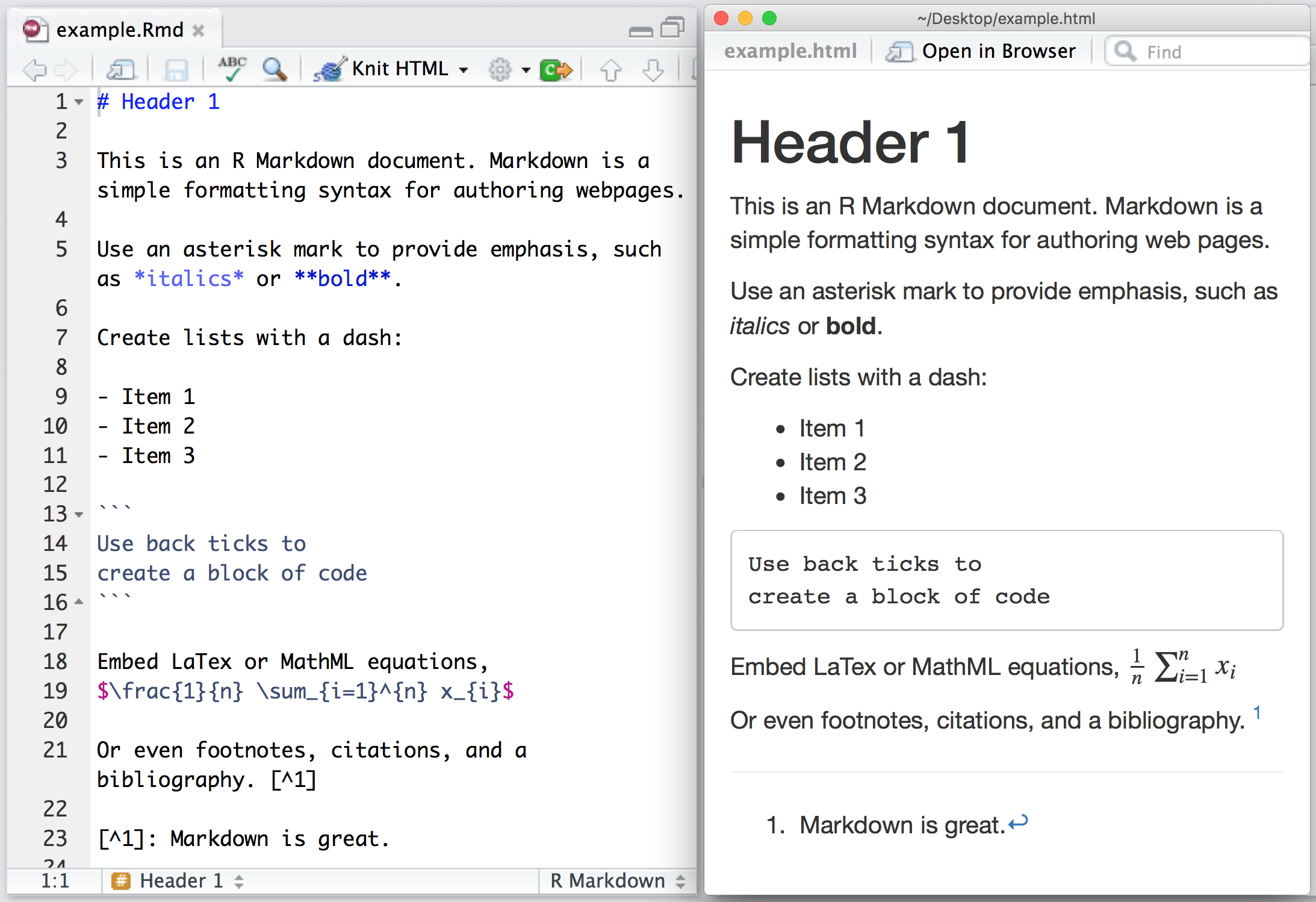
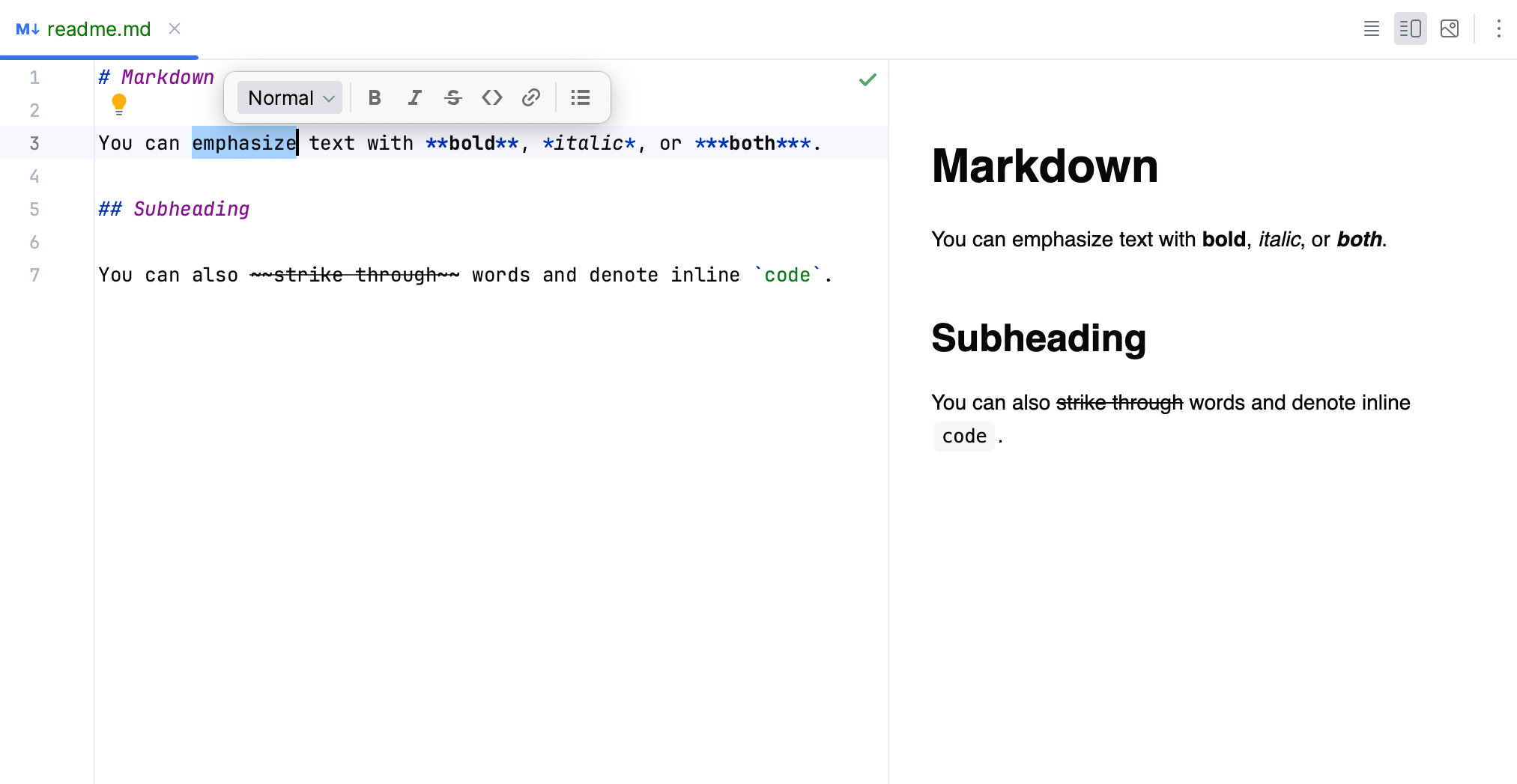
- Simplicity: The syntax is deliberately minimal. Common formatting elements like headings, bold text, italics, lists, and links are achieved with single characters or simple combinations. For instance, a heading is created by prefixing it with a hash (#), bold text with double asterisks (*), and italics with single asterisks ().
- Plain Text Foundation: Markdown documents are saved as plain text files (typically with a
.mdextension). This portability and compatibility are crucial. They can be opened and edited by virtually any text editor on any operating system, ensuring your content is accessible and future-proof. - Conversion to HTML (and beyond): While Markdown is designed for readability in plain text, its true power lies in its ability to be easily converted into other formats, most notably HTML. This conversion process is handled by Markdown processors (also known as parsers or compilers), which interpret the Markdown syntax and generate the corresponding HTML code. This seamless transition allows you to write in a simple format and then deploy it to the web or other platforms that support HTML.
The beauty of Markdown lies in its ability to abstract away the complexities of web development while still providing the necessary tools for structured and formatted content. This accessibility has led to its widespread adoption across a multitude of platforms and applications.
Markdown in the Tech Ecosystem: Efficiency for Developers and Enthusiasts
The world of technology thrives on clear, concise documentation and rapid communication. From software development to explaining complex AI concepts, Markdown has become the de facto standard for a reason. Its simplicity and ease of use directly address the needs of tech professionals and enthusiasts.
Streamlining Documentation and Technical Writing
For software developers, comprehensive and accessible documentation is non-negotiable. Markdown shines in this domain:
- README Files: The ubiquitous
README.mdfile in GitHub and other code repositories is a prime example. It serves as the first point of contact for users and contributors, explaining the project’s purpose, installation instructions, usage examples, and contribution guidelines. Markdown’s ability to render headings, code blocks, lists, and links makes these READMEs informative and easy to navigate. - API Documentation: Generating clear and structured documentation for APIs is crucial for developers to integrate with them. Markdown allows for the creation of well-organized guides with code snippets, parameter descriptions, and example requests, all rendered in a clean, readable format.
- Technical Tutorials and Guides: Whether you’re explaining how to set up a new AI tool, troubleshoot a software issue, or dive into the intricacies of a programming language, Markdown provides a straightforward way to structure your tutorials with clear steps, code examples, and emphasis on important notes.
- Issue Tracking and Project Management: Many project management tools and bug trackers leverage Markdown for creating and formatting descriptions, comments, and task details. This ensures that all team members can easily contribute and understand the project’s progress.
Enhancing Communication and Collaboration
Beyond formal documentation, Markdown significantly improves daily communication within tech teams and communities:
- Forums and Chat Platforms: Platforms like Discord, Slack, and many developer forums support Markdown, allowing users to format their messages with bolding, italics, code blocks, and lists for better clarity and emphasis. This is invaluable when discussing technical challenges or sharing snippets of code.
- Note-Taking and Knowledge Management: For individual tech enthusiasts, Markdown is an excellent choice for personal note-taking. Apps like Obsidian, Typora, and Notion allow users to create interconnected notes using Markdown, fostering a personal knowledge base that is easy to search and organize.
- Personal Blogs and Websites: Many static site generators (SSGs) like Jekyll, Hugo, and Gatsby use Markdown as their primary content format. This allows tech bloggers to focus on writing about their expertise without getting bogged down in complex web design.
The inherent flexibility of Markdown, combined with its seamless integration into the tools developers and tech enthusiasts use daily, makes it an indispensable asset for anyone communicating in the technological sphere.
Markdown for Brand Building: Crafting Clear and Consistent Messaging
In the competitive landscape of branding and marketing, consistent and compelling communication is key to establishing a strong corporate identity and fostering lasting customer relationships. Markdown, with its emphasis on clarity and structure, offers a practical advantage for brand professionals.
Elevating Brand Strategy and Content Creation
From internal brand guidelines to external marketing collateral, Markdown provides a foundation for creating well-organized and accessible content.
- Brand Guidelines and Style Guides: Developing comprehensive brand guidelines is a critical aspect of corporate identity. Markdown enables the creation of well-structured documents that outline brand voice, typography, color palettes, logo usage, and messaging principles. The ability to use headings, lists, and bold text makes these guides easy to navigate and understand for all stakeholders, ensuring brand consistency across the organization.
- Marketing Collateral and Copywriting: For marketers, writing persuasive copy for websites, social media, email campaigns, and brochures is an ongoing task. Markdown simplifies the drafting process by allowing writers to focus on the message and structure. The ease of converting to HTML means that this content can be quickly integrated into various digital platforms.
- Case Studies and White Papers: Presenting in-depth information like case studies and white papers requires clear organization and logical flow. Markdown’s heading structure, bullet points, and ability to embed links are ideal for creating these detailed documents, ensuring that key findings and information are easily digestible for clients and partners.
- Personal Branding for Professionals: For individuals looking to build their personal brand, whether as consultants, freelancers, or thought leaders, Markdown can be used to draft bios, portfolio descriptions, and website content. Its simplicity allows them to focus on articulating their unique value proposition without technical distractions.
Enhancing Collaboration and Accessibility in Brand Teams
The collaborative nature of brand development and marketing benefits greatly from Markdown’s straightforward approach.
- Internal Communication and Project Briefs: Within marketing and design teams, Markdown can be used for drafting project briefs, summarizing campaign objectives, and sharing feedback. Its plain text nature ensures that everyone, regardless of their technical expertise, can easily contribute to discussions and understand project requirements.
- Content Management Systems (CMS): Many modern CMS platforms either natively support Markdown or can be integrated with Markdown processors. This allows content creators to manage website copy, blog posts, and landing pages efficiently, focusing on crafting compelling brand narratives.
- Prototyping and Wireframing (Text-Based): While not a visual design tool, Markdown can be used for text-based wireframing or outlining content structures for websites and applications. This can be a quick and effective way to brainstorm and communicate layout ideas before moving to more sophisticated design tools.
By providing a consistent and accessible format for content creation, Markdown empowers brand professionals to communicate their vision with clarity, ensure brand integrity, and foster more efficient collaboration within their teams.
Markdown for the World of Money: Simplifying Financial Communication
In the realm of personal finance, investing, and online income, clear and accessible information is paramount. Whether you’re explaining complex investment strategies, outlining budgeting tips, or sharing strategies for generating online income, Markdown offers a vital advantage in making financial literacy more attainable.
Empowering Financial Content Creators and Educators
The ability to present financial information in an organized and easy-to-understand manner is crucial for building trust and facilitating informed decision-making.
- Personal Finance Blogs and Websites: For bloggers and content creators focusing on personal finance, Markdown is an ideal format. It allows for the clear structuring of articles on topics like budgeting, saving, debt management, and credit scores. The ability to use bullet points for tips, numbered lists for steps, and bold text for emphasis makes complex financial advice more digestible for a broad audience.
- Investment Guides and Market Analysis: Explaining investment vehicles, market trends, or trading strategies requires precision and clarity. Markdown enables the creation of well-organized guides with sections dedicated to different asset classes, risk factors, and analytical techniques. Code blocks can be used to present hypothetical investment scenarios or data snippets.
- Online Income and Side Hustle Tutorials: Aspiring entrepreneurs and individuals looking for side hustles benefit from clear, step-by-step tutorials. Markdown’s formatting capabilities are perfect for outlining the process of setting up an online store, starting a freelance service, or creating passive income streams.
- Financial Literacy Resources: Educational institutions and non-profit organizations aiming to improve financial literacy can leverage Markdown to create accessible learning materials. The simplicity of the format ensures that these resources can be easily shared and understood by individuals with varying levels of financial knowledge.
Facilitating Financial Tools and Reporting
Beyond content creation, Markdown’s underlying principles of plain text and structure have subtle but significant applications within financial tools and reporting.
- Note-Taking for Personal Finance Management: Individuals can use Markdown editors to keep track of their expenses, savings goals, and investment portfolios. The ability to create structured notes and easily search through them makes personal financial management more organized.
- Simple Data Presentation: While not a data visualization tool, Markdown can be used to present simple financial data in tables or lists within documents, providing quick overviews of budgets, income streams, or expense breakdowns.
- Integration with Financial Software (Indirectly): Many applications used in the financial world, especially those related to development and data analysis, often integrate with or support Markdown for documentation and reporting. For example, a developer building a financial app might use Markdown to document its API.
- Creating Clear Instructions for Financial Tools: When developing or explaining how to use financial software or apps, Markdown can be used to write user manuals and tutorials, ensuring that instructions are easy to follow.
By simplifying the process of creating and sharing financial information, Markdown plays a vital role in demystifying complex topics and empowering individuals to make more informed financial decisions, thereby contributing to greater financial well-being.
The Future of Markdown: Adaptability and Ubiquity
As the digital landscape continues to evolve, Markdown’s enduring appeal lies in its adaptability and its ability to seamlessly integrate into new workflows and technologies. Its core principles of simplicity, readability, and plain text portability ensure its continued relevance across the Tech, Brand, and Money sectors, and beyond.
The increasing reliance on cloud-based collaboration tools, the rise of static site generators, and the demand for easily accessible documentation all point to a future where Markdown will continue to be a fundamental component of how we create, share, and consume information. Whether you’re a seasoned developer documenting your code, a brand manager crafting a compelling narrative, or a financial advisor simplifying complex concepts, mastering Markdown is an investment in efficient, clear, and impactful communication. It’s a testament to the power of simplicity in a world that often gravitates towards complexity, and its impact will undoubtedly continue to shape how we interact with digital content for years to come.
aViewFromTheCave is a participant in the Amazon Services LLC Associates Program, an affiliate advertising program designed to provide a means for sites to earn advertising fees by advertising and linking to Amazon.com. Amazon, the Amazon logo, AmazonSupply, and the AmazonSupply logo are trademarks of Amazon.com, Inc. or its affiliates. As an Amazon Associate we earn affiliate commissions from qualifying purchases.