
The world has collectively navigated the initial storm of the COVID-19 pandemic. Vaccines have been developed, treatments have improved, and public health measures have evolved. However, for a significant portion of the population, the story doesn’t end with a negative test result. A persistent and often debilitating aftermath known as “Long Term COVID,” or Post-COVID Conditions (PCC), has emerged as a profound public health challenge. This article delves into the multifaceted nature of Long Term COVID, exploring its varied manifestations, the impact it has on individuals and society, and how we can begin to navigate this ongoing challenge, drawing parallels to the adaptive strategies we employ in the realms of technology, branding, and finance.
Understanding the Spectrum of Long Term COVID Symptoms
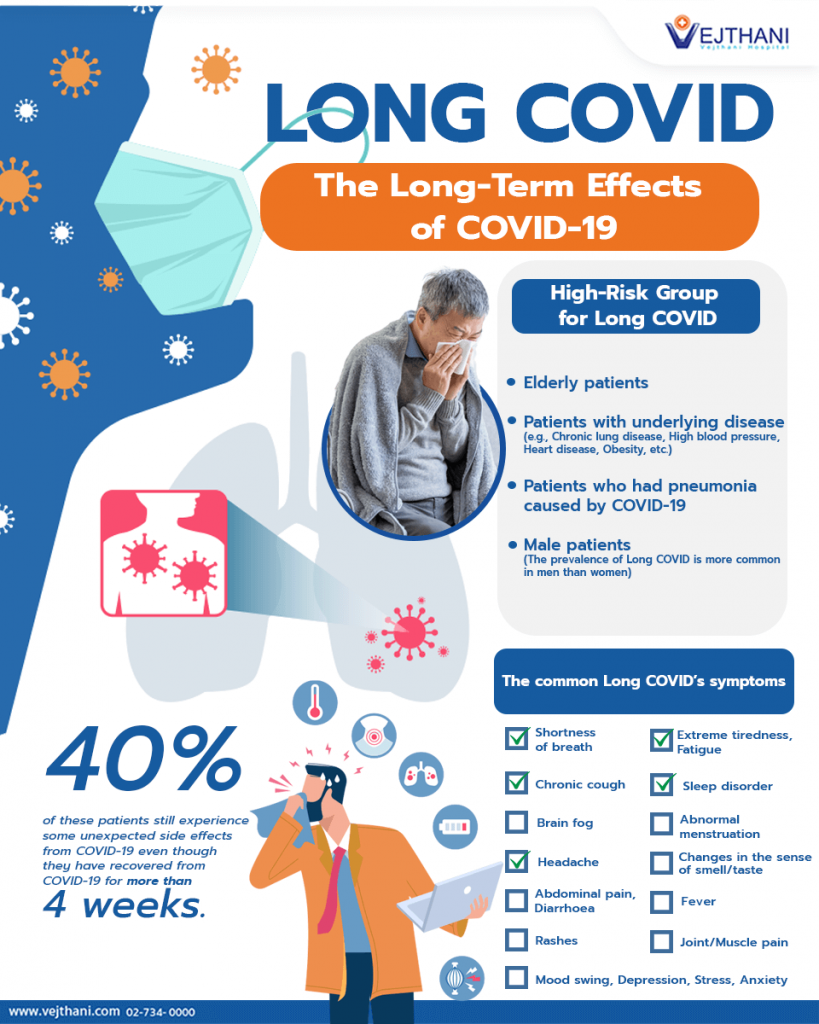
Long Term COVID is not a singular, monolithic condition. Instead, it encompasses a wide array of symptoms that can persist for weeks, months, or even years after an initial SARS-CoV-2 infection. The severity and combination of these symptoms can vary dramatically from person to person, making diagnosis and treatment a complex undertaking.
The Neurological and Cognitive Labyrinth
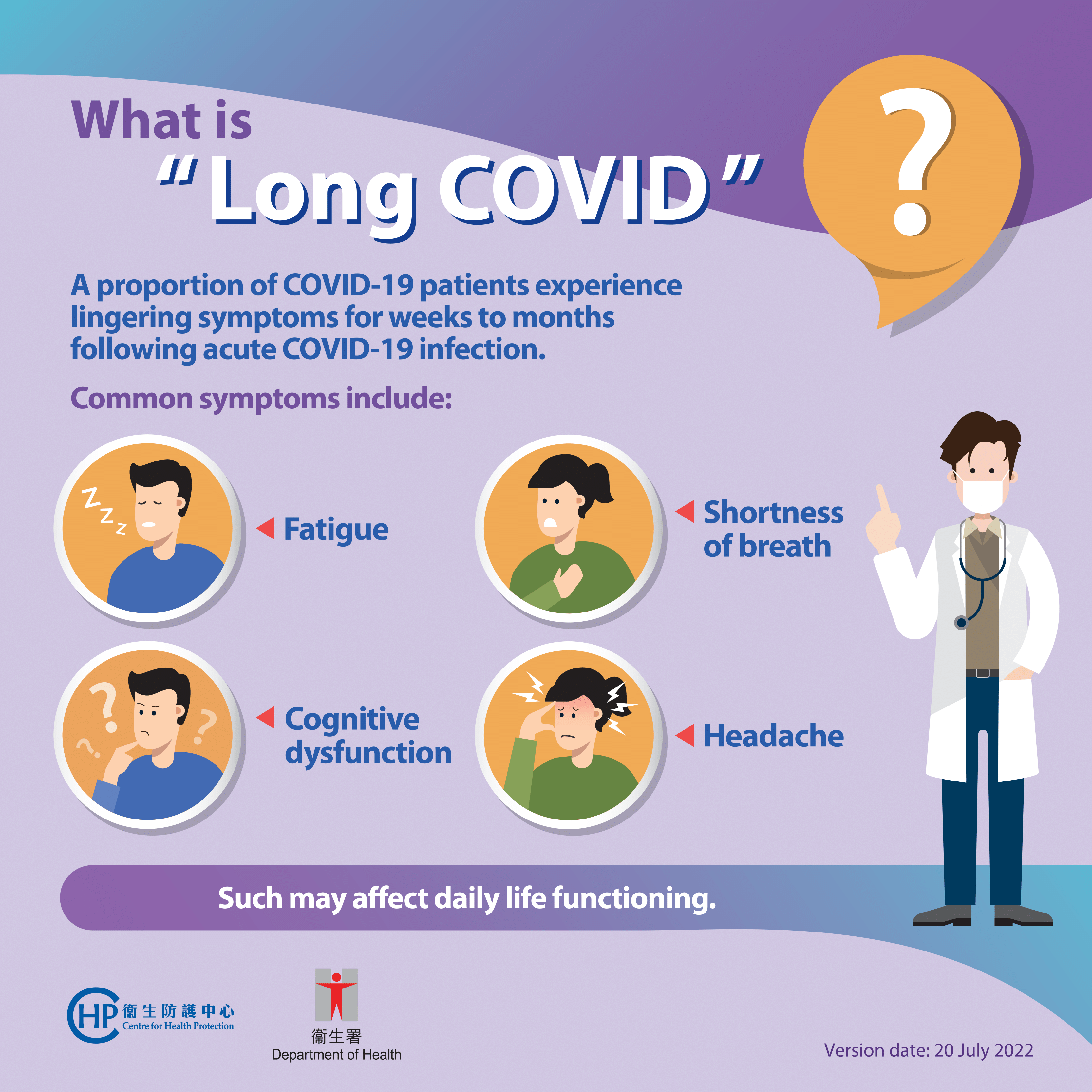
One of the most commonly reported and distressing aspects of Long Term COVID involves the neurological and cognitive domains. Often referred to as “brain fog,” this symptom manifests as difficulty with concentration, memory recall, and executive function. Individuals may find themselves struggling with tasks they once performed effortlessly, impacting their work, education, and daily lives. This cognitive impairment can extend to word-finding difficulties, slowed processing speeds, and a general sense of mental fatigue.
Beyond brain fog, other neurological symptoms can include persistent headaches, dizziness, and vertigo. Some individuals report experiencing sensory changes, such as a diminished sense of smell or taste (anosmia/ageusia), which can persist long after the acute infection has resolved. In more severe cases, Long Term COVID has been linked to nerve pain, tingling, and numbness (neuropathy), and even a heightened risk of stroke or other cerebrovascular events. The long-term implications of these neurological sequelae are still being studied, but they underscore the profound and pervasive impact the virus can have on the central and peripheral nervous systems.
The Respiratory and Cardiovascular Reckoning
While the initial focus of COVID-19 was on the respiratory system, Long Term COVID often continues to present with significant pulmonary and cardiac issues. Shortness of breath, even at rest or with minimal exertion, is a hallmark symptom for many. This can be accompanied by a persistent cough and chest pain. Imaging studies may reveal abnormalities in lung tissue, such as scarring or inflammation, which can impair lung function over time.
The cardiovascular system is also heavily implicated. Individuals may experience palpitations, a racing heart, or irregular heart rhythms (arrhythmias). Persistent chest discomfort, fatigue, and an inability to tolerate physical activity are common. The virus’s ability to induce inflammation throughout the body can contribute to carditis (inflammation of the heart muscle), myocarditis (inflammation of the heart lining), and an increased risk of blood clots. These cardiovascular complications can have serious long-term consequences, necessitating ongoing monitoring and management.
The Multifaceted Systemic Impact: Fatigue, Pain, and Beyond
Beyond the neurological and cardiorespiratory systems, Long Term COVID can manifest as a widespread systemic illness. Profound and debilitating fatigue is perhaps the most pervasive symptom, often described as an overwhelming exhaustion that is not alleviated by rest. This fatigue can be so severe that it significantly impairs daily functioning, leading to a decline in quality of life.
Musculoskeletal pain, including joint pain and muscle aches, is another common complaint. Individuals may experience widespread tenderness and discomfort that limits their mobility and ability to perform everyday activities. Gastrointestinal issues, such as nausea, diarrhea, and abdominal pain, can also persist. Furthermore, mental health challenges, including anxiety and depression, are frequently observed, often exacerbated by the chronic nature of the illness and its impact on an individual’s life. The psychological toll of living with persistent, unexplained symptoms cannot be overstated.
The Elusive Nature of Diagnosis and the Path to Recovery
The diagnosis of Long Term COVID is often a process of exclusion and careful clinical evaluation, as there isn’t a single definitive test. This ambiguity can be frustrating for patients and clinicians alike.
Navigating the Diagnostic Maze: When is it Long Term COVID?
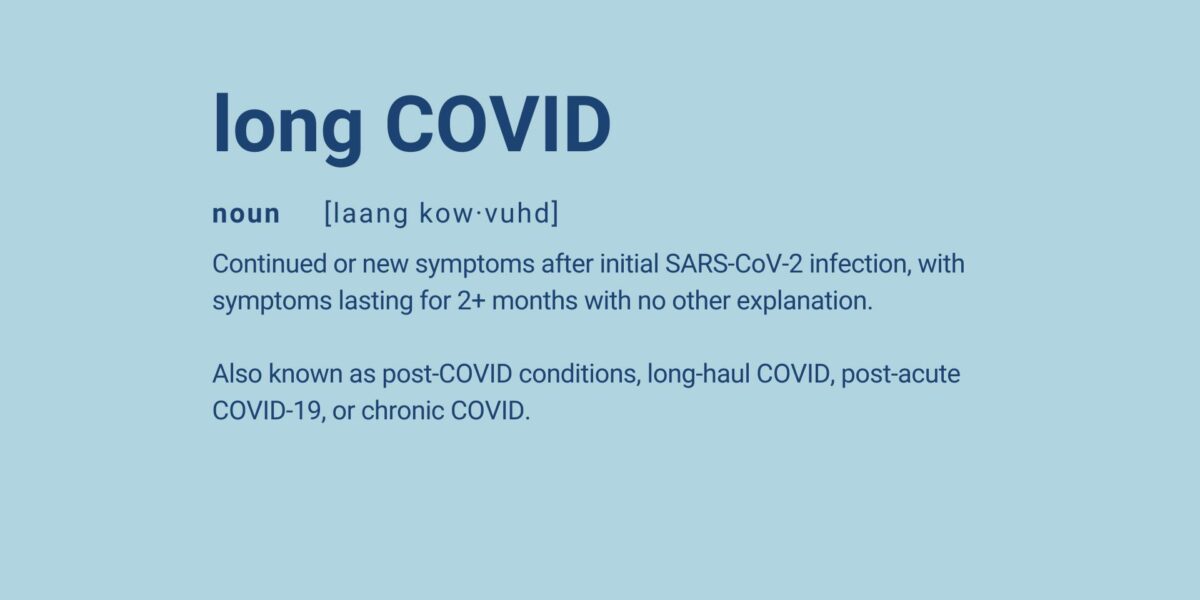
Defining Long Term COVID typically involves identifying new, returning, or ongoing health problems that occur four or more weeks after the initial COVID-19 infection. The Centers for Disease Control and Prevention (CDC) and the World Health Organization (WHO) have provided case definitions that generally include a range of symptoms across multiple organ systems that cannot be attributed to other conditions.
The diagnostic process often begins with a thorough medical history and physical examination. Clinicians will assess the reported symptoms, their duration, and their impact on the individual’s life. Blood tests may be ordered to rule out other underlying conditions, such as autoimmune disorders or vitamin deficiencies. Imaging studies, such as chest X-rays or CT scans, might be used to evaluate lung function. Cardiac assessments, including electrocardiograms (ECGs) and echocardiograms, may be performed to investigate potential heart issues. Neurological evaluations can help identify cognitive deficits or other neurological impairments. The multidisciplinary nature of the symptoms often requires input from various medical specialists, including pulmonologists, cardiologists, neurologists, and infectious disease experts.
Embracing a Tech-Forward Approach to Understanding and Management
Just as the tech industry constantly innovates and adapts to new challenges, our approach to understanding and managing Long Term COVID can benefit from a similar mindset. The application of technology can be instrumental in several key areas.
Data Analytics and AI for Pattern Recognition: The sheer volume of data generated by individuals experiencing Long Term COVID presents an unparalleled opportunity for data analytics and artificial intelligence (AI). By pooling anonymized patient data from electronic health records, wearable devices, and patient-reported outcomes, AI algorithms can identify subtle patterns and correlations that might elude human observation. This could lead to a better understanding of the underlying biological mechanisms, predict which individuals are at higher risk of developing Long Term COVID, and even identify potential therapeutic targets. AI-powered tools can also assist in the early detection of subtle cognitive decline through specialized software that analyzes speech patterns, reaction times, and cognitive tasks.
Telehealth and Remote Monitoring: Bridging the Geographical Divide: For individuals with debilitating fatigue or mobility issues, accessing regular medical care can be a significant hurdle. Telehealth platforms offer a vital solution, allowing patients to consult with healthcare providers remotely, saving time and energy. Furthermore, wearable devices, such as smartwatches and fitness trackers, can continuously monitor vital signs like heart rate, blood oxygen levels, and sleep patterns. This real-time data can be invaluable for tracking symptom progression, identifying exacerbations, and informing treatment decisions, especially for those living in remote areas or with limited access to specialized care.
Digital Therapeutics and Personalized Interventions: The development of digital therapeutics (DTx) holds promise for managing the chronic and often fluctuating symptoms of Long Term COVID. These software-based interventions can provide personalized cognitive rehabilitation programs, guided meditation and mindfulness exercises to manage anxiety and improve sleep, and tailored physical therapy protocols. Gamified approaches can make rehabilitation more engaging and sustainable. Furthermore, the integration of apps and platforms that facilitate symptom tracking and journaling can empower individuals to better understand their triggers and patterns, fostering a more proactive role in their recovery.
The Brand of Resilience: Rebuilding Lives and Reframing Perceptions
Long Term COVID profoundly impacts an individual’s personal brand and their ability to engage with the world. Rebuilding a sense of self and purpose after such a significant health challenge requires a strategic and resilient approach, akin to a strong corporate or personal branding strategy.
Redefining Identity: From Productivity to Purpose
For many, their identity has been closely tied to their work, their hobbies, and their ability to contribute actively to society. When Long Term COVID strikes, this can lead to a crisis of identity as these capacities are diminished. The initial focus might be on regaining lost productivity. However, a more sustainable approach involves a reframing of identity, shifting the emphasis from external achievements to internal values and a broader definition of purpose.
Personal Branding in the Face of Adversity: Just as a brand needs to adapt its messaging and identity during challenging times, individuals with Long Term COVID must learn to redefine their personal brand. This doesn’t mean abandoning who they are, but rather finding new ways to express their strengths and contributions. It might involve:
- Authenticity and Vulnerability: Sharing their experiences, when comfortable, can foster understanding and connection. This vulnerability can be a powerful element of a personal brand, showcasing resilience and strength in the face of adversity.
- Focus on Adaptability and Learning: Highlighting the skills developed through navigating a complex illness – such as patience, self-advocacy, and the ability to adapt to changing circumstances – can be valuable assets. These are transferable skills that can be applied in new contexts.
- Redefining Success: Shifting the definition of success from purely external markers to internal well-being, meaningful relationships, and small, consistent victories can be liberating. This requires a conscious effort to celebrate progress, however incremental.
Corporate and Community Identity: Fostering Supportive Ecosystems
The impact of Long Term COVID extends beyond individuals, affecting workplaces, communities, and broader societal structures. Businesses and organizations play a crucial role in fostering supportive environments.
Corporate Identity and Employee Well-being: Companies have a responsibility to recognize and accommodate employees experiencing Long Term COVID. This includes implementing flexible work arrangements, providing access to mental health resources, and fostering a culture of empathy and understanding. The “brand” of a company is increasingly judged by its commitment to employee well-being, and proactive support for those with chronic conditions can significantly enhance its reputation. Case studies of companies that have successfully integrated employees with Long Term COVID into their workforce can serve as valuable blueprints for others.
Community Identity and Social Support Networks: Strong community support networks are vital for individuals navigating the challenges of Long Term COVID. This can involve peer support groups, online forums, and community initiatives that raise awareness and provide practical assistance. The collective “brand” of a community is strengthened when it demonstrates compassion and inclusivity towards all its members, particularly those facing prolonged health challenges.
The Financial Imperative: Navigating Economic Uncertainty and Securing Future Stability
The financial implications of Long Term COVID can be profound, impacting earning potential, healthcare costs, and long-term financial security. This necessitates a strategic approach to personal and business finance.
The Economic Toll of Chronic Illness
Long Term COVID can lead to significant financial strain through several avenues:
- Lost Income and Reduced Earning Capacity: The inability to work due to persistent symptoms directly impacts income. This can lead to a reduction in current earnings and, in some cases, a permanent decrease in earning potential, especially if skills become outdated due to extended absence from the workforce.
- Increased Healthcare Costs: The ongoing need for medical consultations, therapies, medications, and assistive devices can result in substantial out-of-pocket expenses, even for those with insurance.
- Impact on Retirement Planning: Reduced income and increased expenses can derail retirement savings plans, potentially impacting long-term financial independence.
Strategic Financial Planning: Building Resilience in Uncertain Times
Just as individuals and businesses leverage financial tools and strategies to navigate market fluctuations, those affected by Long Term COVID must adopt proactive financial planning.
Personal Finance: Prioritizing and Adapting Budgets: For individuals experiencing Long Term COVID, a critical step is to reassess their financial situation and create a realistic budget. This involves:
- Understanding Income Sources: Identifying all sources of income, including disability benefits, sick pay, and any potential for part-time or remote work.
- Prioritizing Essential Expenses: Distinguishing between essential needs and discretionary spending, and making adjustments accordingly.
- Exploring Financial Assistance: Researching available government programs, charitable organizations, and grants that can provide financial support.
- Seeking Professional Advice: Consulting with financial advisors who specialize in helping individuals manage chronic illnesses can be invaluable for navigating complex financial decisions and planning for the future.
Investing and Side Hustles: Long-Term Vision and Adaptable Income Streams: While immediate financial concerns may be paramount, a long-term perspective remains crucial.
- Re-evaluating Investment Strategies: For those with existing investments, it may be necessary to review and adjust their portfolio based on their current financial capacity and risk tolerance. This might involve shifting towards more conservative investments or exploring passive income opportunities.
- Exploring Online Income and Side Hustles: For individuals who are able to work remotely or on a flexible schedule, online income streams and side hustles can provide a valuable supplement to their primary income. This could involve freelance work, online tutoring, or selling crafts, leveraging digital platforms to create adaptable income opportunities. The key is to find activities that are manageable with their current energy levels and cognitive capacity.
Business Finance: Adapting Operations and Supporting Employees: For small business owners or entrepreneurs who develop Long Term COVID, the financial implications can be even more complex. Adapting business operations, exploring remote work solutions for staff, and accessing business loans or grants designed for small businesses facing unforeseen challenges are crucial. Furthermore, understanding and leveraging employee benefits, such as disability insurance, can provide a crucial financial safety net for affected employees.
In conclusion, Long Term COVID is a complex and evolving public health challenge that demands a comprehensive and adaptive approach. By drawing parallels to the innovative spirit of the tech world, the strategic thinking behind branding, and the fundamental principles of financial management, we can begin to build a more resilient future – one that acknowledges the lingering shadows of the pandemic while actively working towards understanding, recovery, and a renewed sense of purpose and stability for all affected. The journey is ongoing, but through collaboration, innovation, and a commitment to supporting one another, we can navigate the complexities of Long Term COVID and emerge stronger.
aViewFromTheCave is a participant in the Amazon Services LLC Associates Program, an affiliate advertising program designed to provide a means for sites to earn advertising fees by advertising and linking to Amazon.com. Amazon, the Amazon logo, AmazonSupply, and the AmazonSupply logo are trademarks of Amazon.com, Inc. or its affiliates. As an Amazon Associate we earn affiliate commissions from qualifying purchases.