
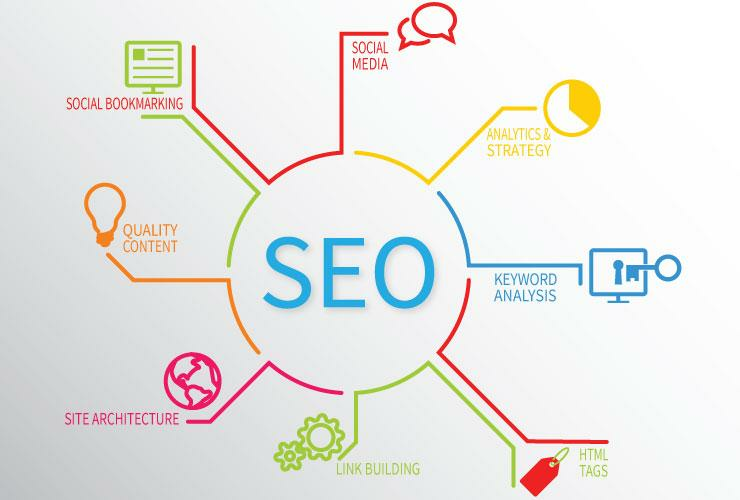
In the ever-evolving landscape of digital marketing, Search Engine Optimization (SEO) stands as a cornerstone for businesses aiming to increase their online visibility. At its heart, SEO is about making your website more attractive to search engines like Google, so they rank your pages higher when users search for relevant terms. While on-page optimization (like keyword research and content creation) and technical SEO (site speed, mobile-friendliness) are crucial, one of the most potent off-page strategies is link building.
Link building, in its simplest form, is the process of acquiring hyperlinks from other websites to your own. These hyperlinks are like votes of confidence in the digital world. When one website links to another, it signals to search engines that the linked content is valuable, trustworthy, and relevant. The more high-quality links pointing to your website, the more authoritative and credible it appears in the eyes of search engines, ultimately leading to higher rankings in search engine results pages (SERPs).
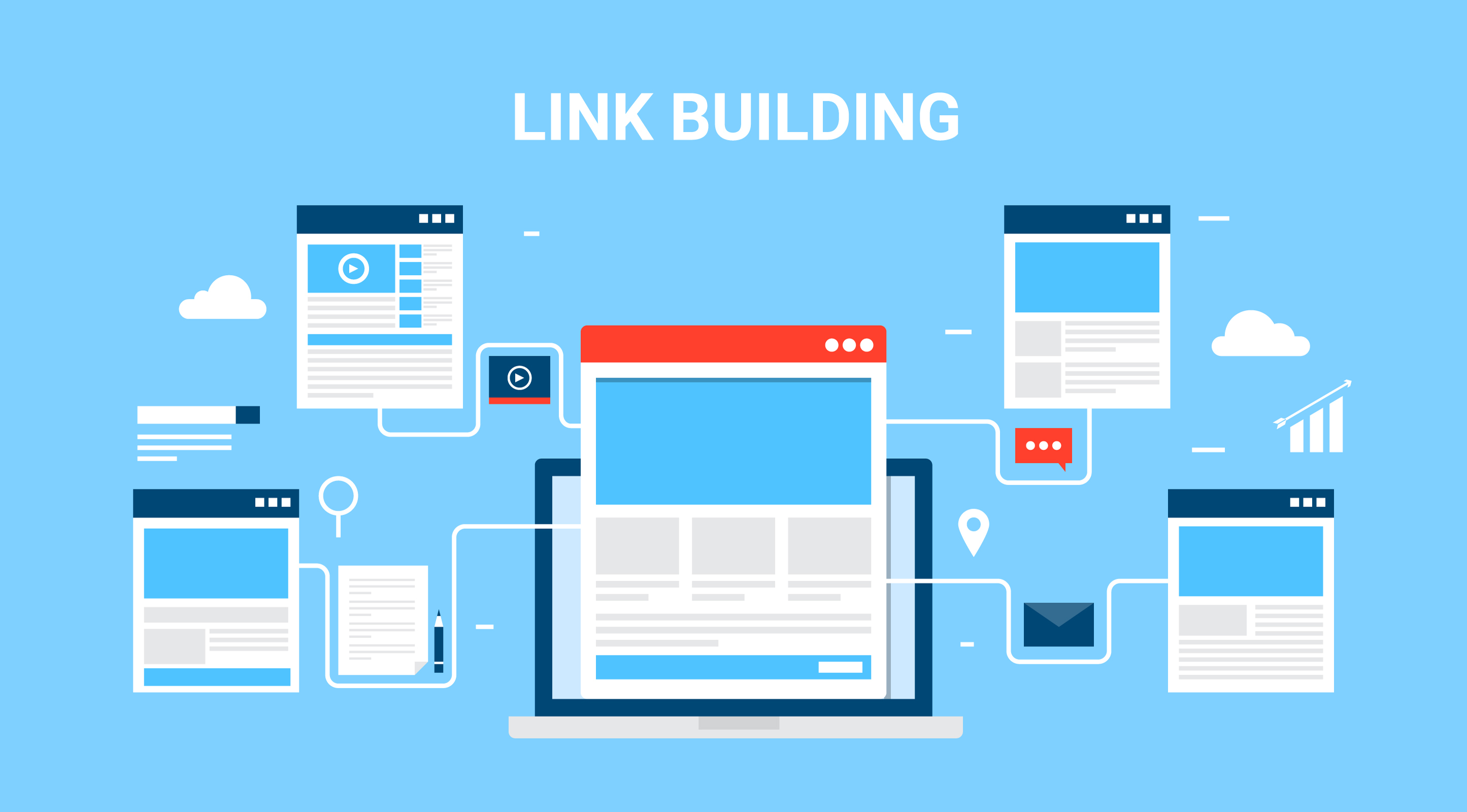
Think of it like this: imagine you’re researching a complex topic. You come across a well-written and informative article. If that article then references another expert resource, you’re more likely to trust and explore that referenced resource. Search engines operate on a similar principle. They crawl the web, following links to discover new content and assess the authority of existing pages.
This article will delve into the multifaceted world of link building, exploring its fundamental principles, its critical role across various business domains, and effective strategies to implement it for your online success.
The Foundational Pillars of Link Building
Understanding what makes a “good” link is paramount to successful link building. It’s not just about the quantity of links; it’s about the quality and relevance. Search engines have become increasingly sophisticated, able to discern between genuine, authoritative links and manipulative, spammy ones.
The Significance of Link Authority and Relevance
Link Authority: This refers to the perceived credibility and trustworthiness of the linking website. Websites that are themselves well-established, regularly updated with quality content, and have a strong backlink profile are considered authoritative. A link from a highly authoritative domain carries significantly more weight than a link from a brand-new, low-authority website. Search engines like Google use various metrics to assess authority, with PageRank being an early influential algorithm that contributed to this concept. While PageRank is no longer the sole determinant, the idea of a website’s “authority” remains central.
Link Relevance: Thematic alignment between the linking website and your website is equally crucial. If a tech blog links to an article on your AI software development company, that link is highly relevant and valuable. Conversely, a link from a seemingly unrelated industry, like a gardening blog (unless there’s a clear connection, e.g., an article about smart gardening tech), might be considered less relevant and therefore less impactful. Search engines aim to provide users with the most relevant results, and links from thematically aligned sources help reinforce that relevance.
Navigating the Different Types of Links
Not all links are created equal. Understanding the nuances between different types of links helps in developing a targeted link-building strategy.
- Editorial Links: These are the most valuable type of links. They are earned organically when another website’s author or editor decides your content is so valuable and relevant that they choose to link to it naturally within their own published material. These are typically earned through creating exceptional content that others want to cite.
- Resource Page Links: Many websites curate lists of useful resources for their audience. If your content is comprehensive and valuable in a particular niche, you might be able to get your website listed on such resource pages. This often involves outreach to website owners.
- Guest Blogging Links: This involves writing an article for another website in your industry. While the primary goal is often to share expertise and reach a new audience, a well-placed link back to your website within the author bio or in relevant contextual text can be a valuable outcome. However, it’s important that guest blogging is done with genuine value for the host site’s audience, not just for link acquisition.
- Broken Link Building: This is a clever strategy where you identify broken links on other websites. You then suggest your relevant content as a replacement for the broken link. This benefits the linking website by fixing a broken link and benefits you by acquiring a new, relevant backlink.
- Directory Submissions: While less impactful than they once were, submitting your website to high-quality, niche-specific directories can still provide some value, especially if the directory is well-respected and relevant to your industry. Avoid low-quality, spammy directories.
Link Building Across Key Business Domains
The principles of link building are universally applicable, but the specific strategies and the types of content that attract links can vary significantly depending on the industry. Let’s explore how link building plays a vital role in Tech, Brand, and Money-focused sectors.
The Tech Sector: Fueling Innovation and Expertise
In the rapidly advancing tech world, link building is crucial for establishing authority, showcasing innovation, and attracting users and potential clients.
- Technology Trends & Software Reviews: For businesses offering software or SaaS products, or those writing about emerging tech, high-quality backlinks are essential. A review of your new AI tool from a reputable tech publication or a mention in an article about the top productivity apps can drive significant traffic and establish credibility. Creating in-depth tutorials or comparisons of software can naturally attract links from users and developers seeking information.
- AI Tools & Gadget Reviews: Companies developing AI-powered solutions need to demonstrate their expertise. Links from authoritative AI research blogs or tech news sites reviewing their products can validate their offerings. Similarly, gadget review websites are constantly looking for new and interesting products, making them prime targets for link building through product samples and informative press releases.
- Digital Security & Productivity: In these sensitive areas, trust is paramount. Links from cybersecurity forums, government digital safety initiatives, or well-respected productivity blogs can significantly boost a brand’s perceived trustworthiness. Case studies demonstrating how your security software protected a major organization or how your productivity app improved workflow for a well-known company can be powerful link-worthy assets.
Link Building Strategies for Tech:
- Produce Original Research & Data: Tech companies are well-positioned to generate unique data and insights. Publishing original research papers, benchmark reports, or industry surveys can attract links from academic institutions, research bodies, and news outlets.
- Develop Free Tools & Resources: Offering free, valuable tools (e.g., a simple AI chatbot builder, a digital security checklist, a project management template) can be a powerful way to earn backlinks as others link to these useful resources.
- Engage with Tech Journalists & Influencers: Building relationships with prominent tech journalists and influencers can lead to product reviews, mentions, and features, all of which generate valuable backlinks.

The Brand Sector: Cultivating Reputation and Influence
For businesses focused on branding, marketing, and design, link building is about building a reputation as a thought leader and a trusted source.
- Brand Strategy & Personal Branding: Companies offering brand consulting services or personal branding workshops can attract links by publishing comprehensive guides on brand development, successful case studies of brand turnarounds, or expert interviews with industry leaders. A link from a reputable business publication discussing your innovative branding approach can be incredibly impactful.
- Corporate Identity & Marketing Case Studies: Demonstrating success through detailed case studies is a hallmark of the brand sector. When you showcase a successful rebranding project or a marketing campaign that delivered exceptional results, other businesses and marketing professionals will want to reference your work, leading to valuable backlinks.
- Reputation Management: In the realm of reputation management, demonstrating expertise is key. Publishing articles on crisis communication, the impact of online reviews, or how to build a positive corporate image can attract links from business news sites, public relations forums, and industry publications.
Link Building Strategies for Brand:
- Publish High-Quality Case Studies: As mentioned, detailed and results-driven case studies are gold. Ensure they are well-written, visually appealing, and showcase tangible achievements.
- Create Infographics & Visual Content: Complex brand strategies or marketing data can be effectively communicated through infographics. These are highly shareable and often attract links from blogs and news sites looking to enhance their content.
- Offer Expert Commentary: Position your brand or key personnel as experts who can provide commentary on industry trends, consumer behavior, or marketing news. Proactive outreach to journalists seeking expert opinions can lead to valuable media mentions and backlinks.
The Money Sector: Establishing Trust and Financial Acumen
In the financial world, trust and expertise are non-negotiable. Link building helps establish credibility and authority for personal finance advisors, investment firms, and online income platforms.
- Personal Finance & Investing: For bloggers or platforms offering advice on personal finance, budgeting, or investing, links from reputable financial news sites, educational institutions, or established personal finance communities are crucial. A well-researched guide on retirement planning or an analysis of market trends can naturally attract links from individuals and other financial advisors.
- Online Income & Side Hustles: As the gig economy and remote work grow, individuals are seeking reliable information on generating income online. Links from platforms that review online job boards, articles on freelancing tips, or resources for starting a side business can drive significant traffic and build authority.
- Business Finance & Financial Tools: For companies offering financial software or consulting services, links from business management blogs, accounting professional bodies, or entrepreneurship websites are vital. A detailed comparison of accounting software or a guide to securing small business loans can attract organic backlinks.
Link Building Strategies for Money:
- Develop Comprehensive Financial Guides & Calculators: Create in-depth guides on complex financial topics (e.g., mortgage refinancing, investment portfolio diversification) or build useful financial calculators (e.g., compound interest calculator, loan repayment calculator). These are highly valuable resources that attract backlinks.
- Publish Expert Market Analysis: Regular, insightful analysis of financial markets, economic trends, or investment opportunities can position your brand as a go-to source. Sharing this analysis with financial journalists and publications can lead to valuable citations.
- Partner with Financial Influencers & Educators: Collaborating with well-respected financial bloggers, YouTubers, or educators can expose your brand to a relevant audience and generate authentic backlinks through endorsements or shared content.
Building Your Link Acquisition Strategy: From Tactics to Ethics
Effective link building isn’t just about knowing what links are valuable; it’s about having a structured approach to acquiring them while adhering to ethical SEO practices.
Crafting Link-Worthy Content
The foundation of any successful link-building strategy is exceptional content. Search engines and users alike are drawn to content that is informative, engaging, unique, and provides genuine value.
- Deep Dives & Comprehensive Guides: Instead of superficial articles, create in-depth, long-form content that thoroughly explores a topic. This could be a definitive guide, an ultimate resource, or a detailed tutorial.
- Original Research & Data-Driven Insights: As discussed, original research, surveys, and unique data are highly linkable assets. They offer new perspectives and are sought after by journalists, bloggers, and academics.
- Compelling Visuals: Infographics, high-quality images, and engaging videos can make your content more shareable and thus more likely to attract backlinks.
- Tools & Resources: As previously mentioned, free tools, templates, calculators, or checklists can serve as powerful link magnets.
Ethical Link Building vs. Black Hat Tactics
It’s crucial to distinguish between ethical link building (white hat SEO) and manipulative practices (black hat SEO) that can lead to severe penalties from search engines.
- White Hat Link Building: This involves earning links naturally through high-quality content, genuine outreach, and building relationships. It focuses on providing value to users and earning backlinks as a result. Examples include guest blogging for reputable sites, creating shareable content, and participating in relevant online communities.
- Black Hat Link Building: These tactics are designed to manipulate search engine rankings and often violate search engine guidelines. Examples include buying links, excessive link exchanges, keyword-stuffed anchor text in low-quality directories, and private blog networks (PBNs). These practices carry a high risk of de-indexing or significant ranking drops.
The Role of Outreach and Relationship Building
While content is king, effective outreach is the queen that helps spread the word and secure those valuable backlinks.
- Personalized Outreach: Generic, mass emails are unlikely to yield results. Instead, personalize your outreach messages, demonstrating that you’ve familiarized yourself with the prospect’s website and explaining why a link to your content would be mutually beneficial.
- Focus on Value Exchange: Frame your outreach around the value you can bring to the linking website’s audience, rather than solely asking for something. This could be suggesting a more relevant resource, offering to write a guest post, or providing unique data.
- Building Relationships: Link building is often a long-term game. Nurturing relationships with website owners, journalists, and influencers can lead to ongoing backlink opportunities and greater brand recognition.
In conclusion, link building is a dynamic and essential component of any successful SEO strategy. By understanding the principles of link quality and relevance, tailoring approaches to specific industry needs, and prioritizing ethical, value-driven tactics, businesses can effectively leverage link building to enhance their online authority, improve search engine rankings, and ultimately achieve their digital marketing goals. It’s a continuous process that requires patience, creativity, and a commitment to providing genuine value to the online community.
aViewFromTheCave is a participant in the Amazon Services LLC Associates Program, an affiliate advertising program designed to provide a means for sites to earn advertising fees by advertising and linking to Amazon.com. Amazon, the Amazon logo, AmazonSupply, and the AmazonSupply logo are trademarks of Amazon.com, Inc. or its affiliates. As an Amazon Associate we earn affiliate commissions from qualifying purchases.