
In our increasingly complex world, the ability to make sound judgments is not just a desirable trait; it’s a fundamental skill that underpins success across all facets of life. From the rapid evolution of technology to the intricate dance of brand building and the ever-present concerns of personal and business finance, judgment acts as our compass, guiding us through a labyrinth of choices. But what exactly is judgment? It’s more than just a simple decision; it’s a nuanced process of evaluating information, weighing options, and arriving at a reasoned conclusion. This article delves into the multifaceted nature of judgment, exploring its significance within the domains of Tech, Brand, and Money, and how cultivating this essential skill can empower us to navigate the modern landscape with greater confidence and effectiveness.
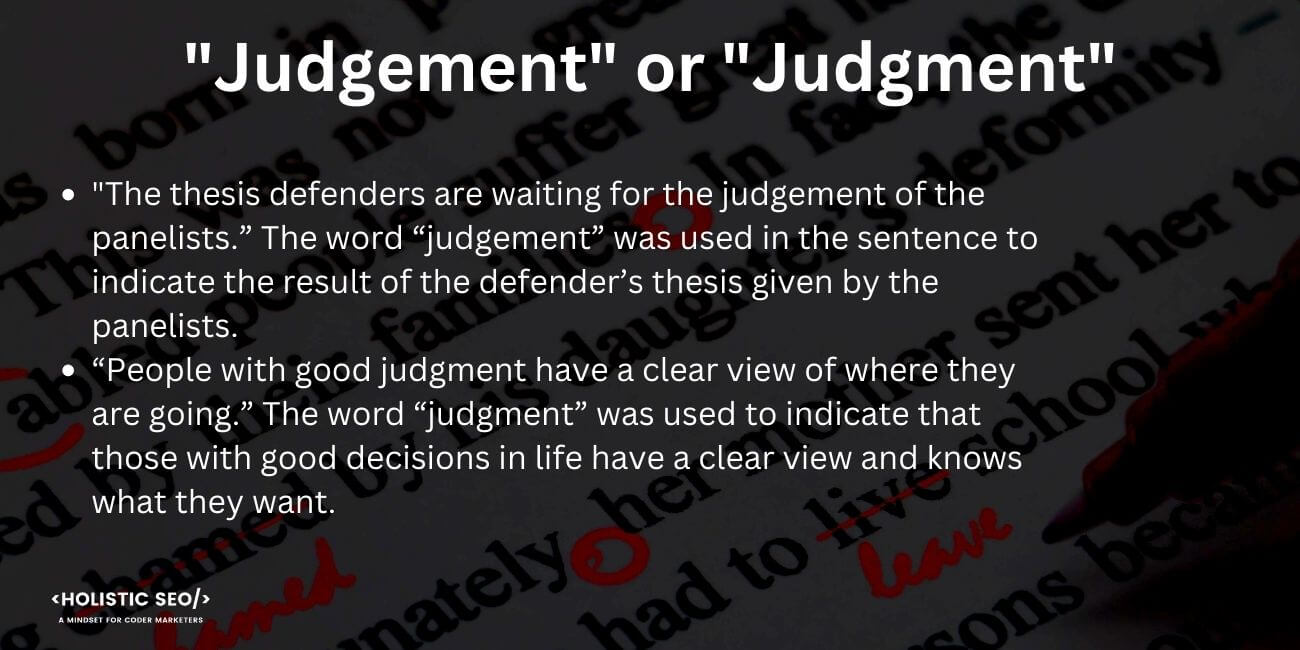
The Cognitive Engine of Judgement: How We Evaluate and Decide
At its core, judgment is a cognitive process that involves perception, analysis, and synthesis. We encounter situations, gather information (consciously or unconsciously), and then process this information to form an opinion or make a decision. This process is influenced by a complex interplay of factors, including our past experiences, existing knowledge, values, beliefs, and even our emotional state.
Perception and Information Gathering: The Foundation of Informed Choices
The first step in any act of judgment is perception – how we observe and interpret the world around us. In the context of technology, this could mean noticing a new app that promises to revolutionize productivity, observing a trend in AI tools, or identifying a potential digital security vulnerability. For brands, it involves understanding market shifts, consumer sentiment, or competitor actions. In the realm of money, it might be recognizing an investment opportunity, spotting a red flag in a financial statement, or assessing the viability of a side hustle.
The quality of our judgment is directly proportional to the quality of information we gather. This means actively seeking out diverse perspectives, verifying sources, and being aware of our own biases that might color our perception. In the fast-paced world of tech, for instance, relying solely on marketing claims for a new gadget can lead to poor judgment; diligent research into user reviews, technical specifications, and independent testing is crucial. Similarly, a brand’s reputation can be severely damaged by failing to perceive negative customer feedback or market dissatisfaction. For financial decisions, understanding the underlying economics, market dynamics, and potential risks is paramount.
Analysis and Synthesis: Connecting the Dots
Once information is gathered, we move to analysis – breaking down the information into its component parts to understand relationships and implications. This is where critical thinking comes into play. We ask “why” and “how,” dissecting claims, identifying assumptions, and evaluating the credibility of evidence. In tech, this might involve analyzing the architecture of a new software, understanding the underlying algorithms of an AI tool, or assessing the security protocols of a digital platform.
Synthesis, on the other hand, is about bringing these analyzed components back together to form a coherent understanding. It’s about seeing the bigger picture and how different pieces of information fit together. For a brand, synthesis allows for the creation of a cohesive brand strategy, ensuring that all marketing, design, and communication efforts align with the corporate identity. In finance, it means integrating data from various sources – market trends, economic indicators, company performance – to make informed investment decisions or to build a sound personal finance plan.
The Role of Biases and Heuristics: Shortcuts and Pitfalls
Our judgment processes are not always perfectly rational. We often rely on mental shortcuts, known as heuristics, to make decisions quickly. While these can be efficient, they can also lead to systematic errors in judgment, known as cognitive biases. For example, the confirmation bias might lead us to seek out information that confirms our pre-existing beliefs, ignoring evidence that contradicts them. This can be detrimental in tech, where adopting unproven trends based on initial enthusiasm can lead to wasted resources. In branding, it can result in sticking to outdated strategies that are no longer effective. And in finance, it can lead to holding onto losing investments because we are “sure” they will rebound.
Understanding common biases like the availability heuristic (overestimating the likelihood of events that are easily recalled) or the anchoring bias (over-reliance on the first piece of information offered) is crucial for improving our judgment. By being aware of these mental traps, we can consciously work to mitigate their influence and make more objective decisions.
Judgment in Action: Navigating Tech, Brand, and Money
The principles of judgment are not abstract; they manifest in tangible ways across the domains of Tech, Brand, and Money.
The Ever-Evolving Landscape of Technology
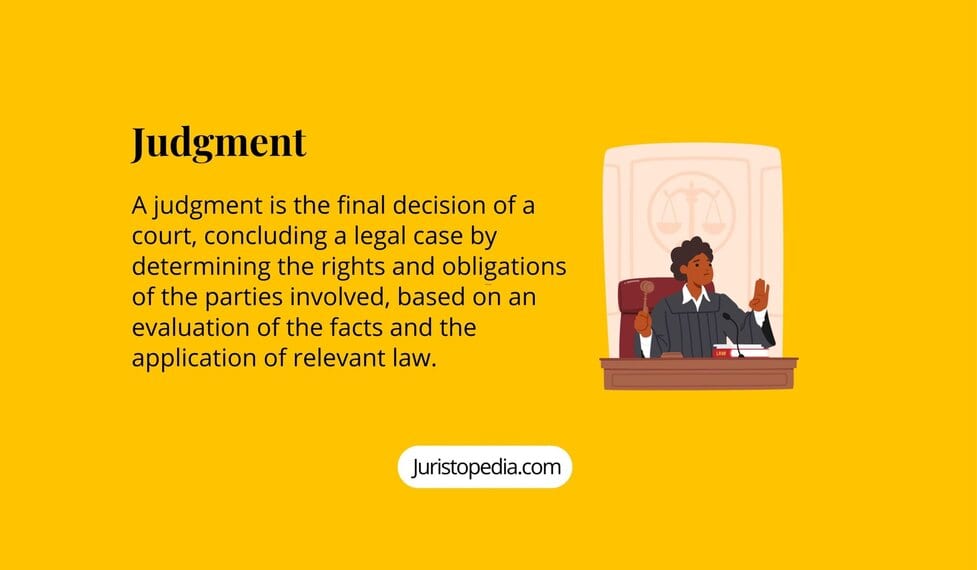
In the fast-paced world of technology, judgment is a daily necessity. When evaluating new software or apps, we must judge their utility, usability, and security. Are they truly innovative, or just repackaged old ideas? Do they offer a genuine productivity boost, or are they a distraction? The emergence of powerful AI tools presents a particularly rich area for judgment. Deciding which AI tools to adopt for creative work, content generation, or data analysis requires careful consideration of their capabilities, ethical implications, and potential impact on workflows.
Digital security demands constant vigilance and sound judgment. Choosing strong passwords, recognizing phishing attempts, and deciding which apps to grant permissions to are all acts of judgment that protect our digital lives. Reviews and tutorials, while helpful, are not definitive guides; we must apply our own judgment to discern their credibility and applicability to our specific needs. Furthermore, the rapid obsolescence of gadgets means we must constantly judge whether an upgrade is truly necessary or simply a consumerist impulse.
Crafting and Protecting Your Brand Identity
Brand building and management are deeply rooted in judgment. Developing a compelling brand strategy requires understanding market dynamics, identifying target audiences, and crafting a unique value proposition. Personal branding, in particular, involves making strategic judgments about how to present oneself to the world – what skills to highlight, what platforms to use, and what message to convey.
Corporate identity is a carefully constructed judgment about an organization’s values, mission, and personality. Marketing efforts are a series of continuous judgments, from selecting advertising channels to designing campaigns that resonate with consumers. Case studies offer valuable insights, but they must be analyzed with a critical eye; we must judge their relevance to our own situation and extract transferable lessons. Reputation management is arguably the most crucial aspect of brand judgment. A single misstep, a poorly handled crisis, or a failure to perceive shifting consumer expectations can have devastating consequences. Brands that demonstrate good judgment in their communications and actions build trust and loyalty.
The Prudent Path to Financial Well-being
Financial decisions are often high-stakes and require a high degree of judgment. Personal finance involves making informed choices about budgeting, saving, and spending. Investing requires the ability to judge market trends, assess risk, and select assets that align with one’s financial goals. The proliferation of online income opportunities and side hustles necessitates careful judgment to distinguish legitimate ventures from scams or unsustainable models.
Business finance demands even more rigorous judgment, from evaluating investment proposals and managing cash flow to making strategic decisions about expansion or acquisition. Financial tools, while helpful, are only as effective as the judgment with which they are used. Understanding the implications of interest rates, inflation, and economic policies is crucial for making sound financial judgments that safeguard and grow one’s wealth.
Cultivating Superior Judgment: A Lifelong Pursuit
The good news is that judgment is not a fixed trait; it’s a skill that can be developed and honed over time. By consciously engaging in practices that foster critical thinking, self-awareness, and continuous learning, we can elevate our decision-making capabilities.
The Power of Reflection and Learning from Experience
One of the most effective ways to improve judgment is through reflection. After making a decision, take the time to analyze its outcome. What went well? What could have been done differently? This process of learning from both successes and failures is invaluable. In the tech world, reviewing the impact of a new tool on your workflow or the success of a digital marketing campaign provides crucial data for future judgments. For brands, analyzing the ROI of different marketing initiatives or the long-term effects of a brand refresh allows for iterative improvement. Financially, dissecting investment performance or the effectiveness of a budgeting strategy offers tangible lessons.
Seeking Diverse Perspectives and Feedback
No one has a monopoly on good judgment. Actively seeking out diverse perspectives can challenge your assumptions and broaden your understanding. This could involve discussing a new tech product with colleagues from different departments, consulting with marketing experts for brand strategy, or seeking advice from a financial advisor. Constructive feedback, when delivered and received openly, can be a powerful tool for identifying blind spots and refining your decision-making processes.
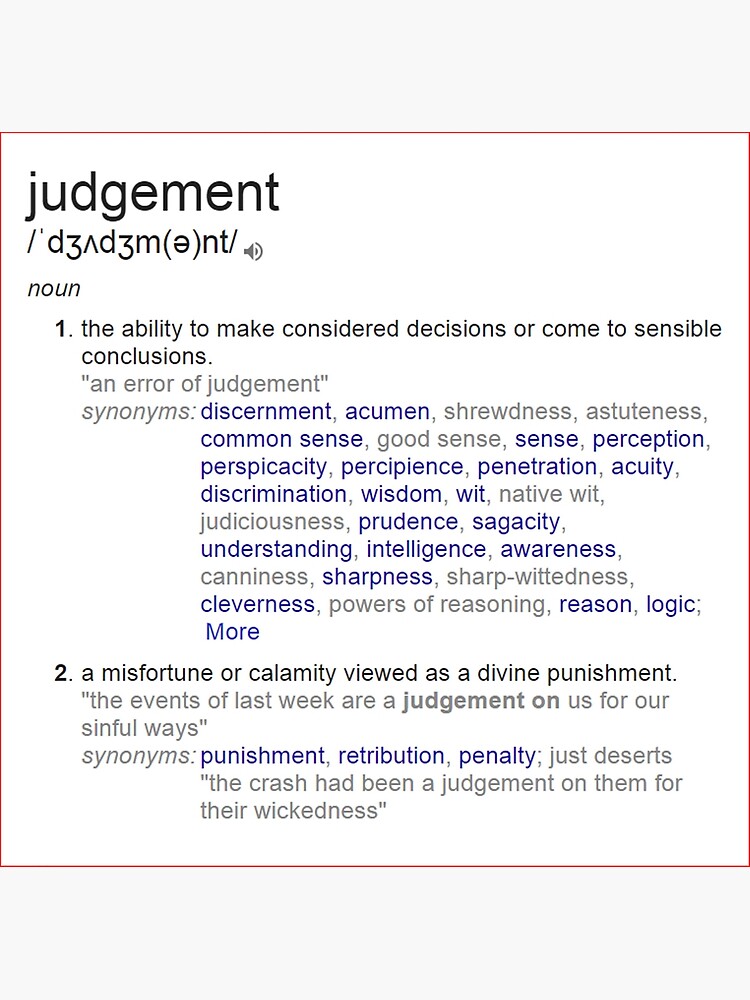
Embracing Intellectual Humility and Adaptability
Intellectual humility is the recognition that we don’t know everything and that our knowledge is always evolving. This mindset encourages us to remain open to new information and to question our own conclusions. In the rapidly changing fields of technology and finance, this adaptability is paramount. What was the best approach yesterday may not be the best approach today. Similarly, brands must be agile enough to adapt to evolving consumer preferences and market conditions. Embracing intellectual humility allows us to learn, grow, and make more robust judgments in the face of uncertainty.
In conclusion, judgment is the critical faculty that enables us to navigate the complexities of modern life. By understanding its cognitive underpinnings, recognizing its manifestations in Tech, Brand, and Money, and actively cultivating its development, we can empower ourselves to make better decisions, achieve greater success, and build a more fulfilling future. It is a skill that, when honed, transforms the challenges of our interconnected world into opportunities for growth and innovation.
aViewFromTheCave is a participant in the Amazon Services LLC Associates Program, an affiliate advertising program designed to provide a means for sites to earn advertising fees by advertising and linking to Amazon.com. Amazon, the Amazon logo, AmazonSupply, and the AmazonSupply logo are trademarks of Amazon.com, Inc. or its affiliates. As an Amazon Associate we earn affiliate commissions from qualifying purchases.