
In today’s rapidly evolving digital landscape, staying ahead means understanding the intricate workings of both technology and our own bodies. While our focus often shifts to the latest AI breakthroughs, the newest productivity apps, or optimizing our personal brands for online success, there’s a fundamental biological process that underpins our overall well-being and directly impacts our ability to thrive in this fast-paced world: insulin sensitivity.
Understanding Insulin’s Vital Role: The Body’s Sugar Regulator
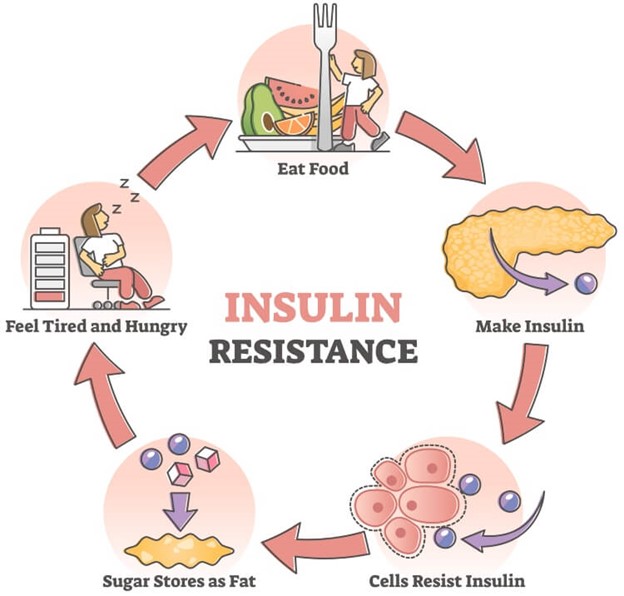
At its core, insulin is a hormone produced by your pancreas. Its primary job is to act as a key, unlocking cells throughout your body to allow glucose (sugar) from your bloodstream to enter. Glucose is our body’s main source of energy. After you eat, particularly carbohydrate-rich foods, your blood glucose levels rise. In response, your pancreas releases insulin. This insulin then circulates in your blood, signaling your cells (like muscle cells, fat cells, and liver cells) to absorb glucose. This process helps to:
- Regulate Blood Sugar Levels: By removing excess glucose from the blood, insulin prevents it from accumulating to unhealthy levels, which can cause damage over time.
- Provide Energy: The glucose that enters your cells is then used for immediate energy needs or stored for later use.
- Store Excess Energy: When you consume more glucose than your body needs immediately, insulin helps to convert and store it as glycogen in your liver and muscles, or as fat in adipose tissue.
Without insulin, or if your body doesn’t respond properly to it, glucose would remain trapped in your bloodstream, leading to a cascade of health problems.
Insulin Sensitivity: The Measure of Insulin’s Effectiveness
This is where the concept of “insulin sensitivity” comes into play. Insulin sensitivity refers to how effectively your body’s cells respond to insulin. When you are insulin sensitive, your cells are highly responsive to insulin’s signal. This means that a relatively small amount of insulin is needed to move glucose from your bloodstream into your cells. Consequently, your blood glucose levels are well-managed, and your pancreas doesn’t have to work overtime to produce excessive amounts of insulin.
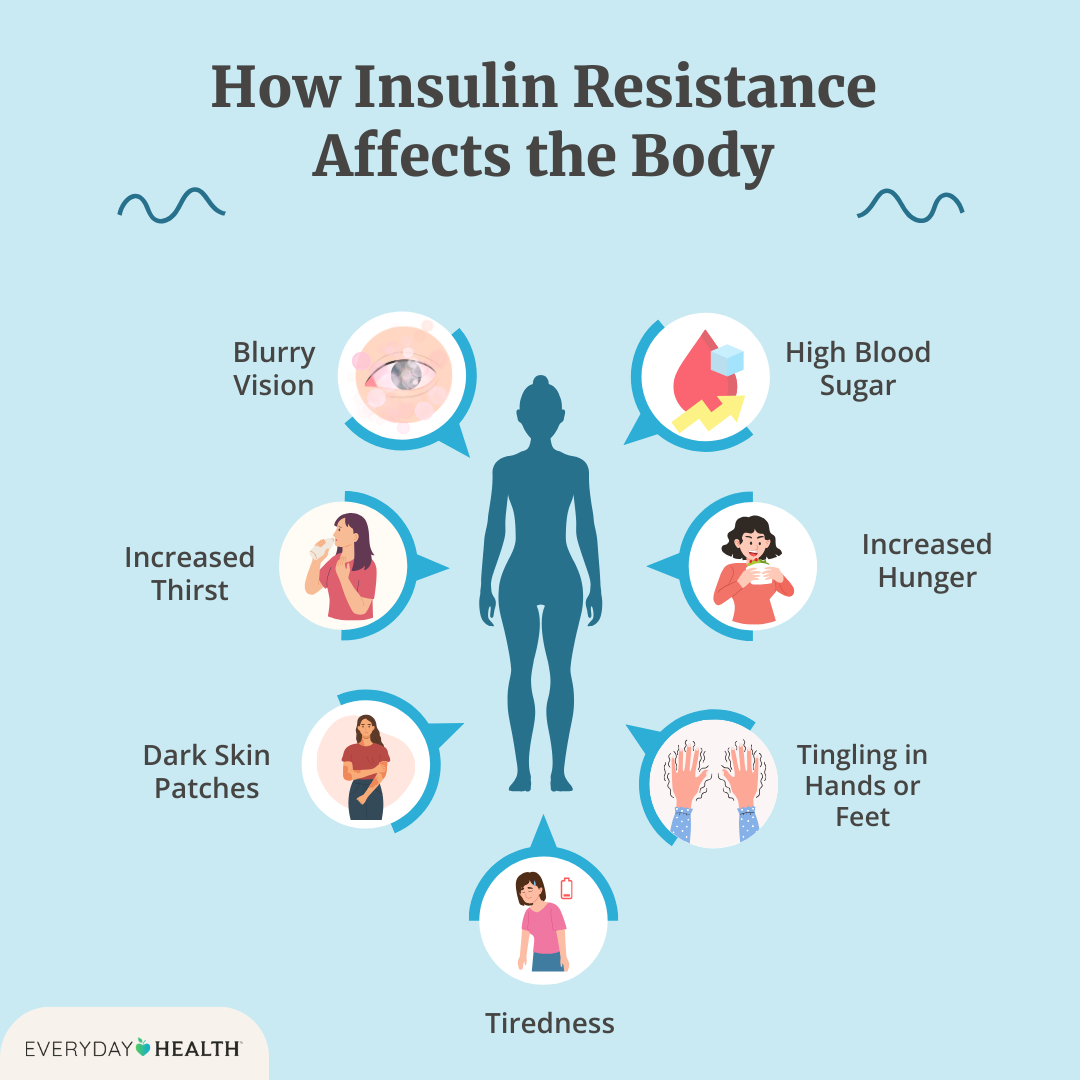
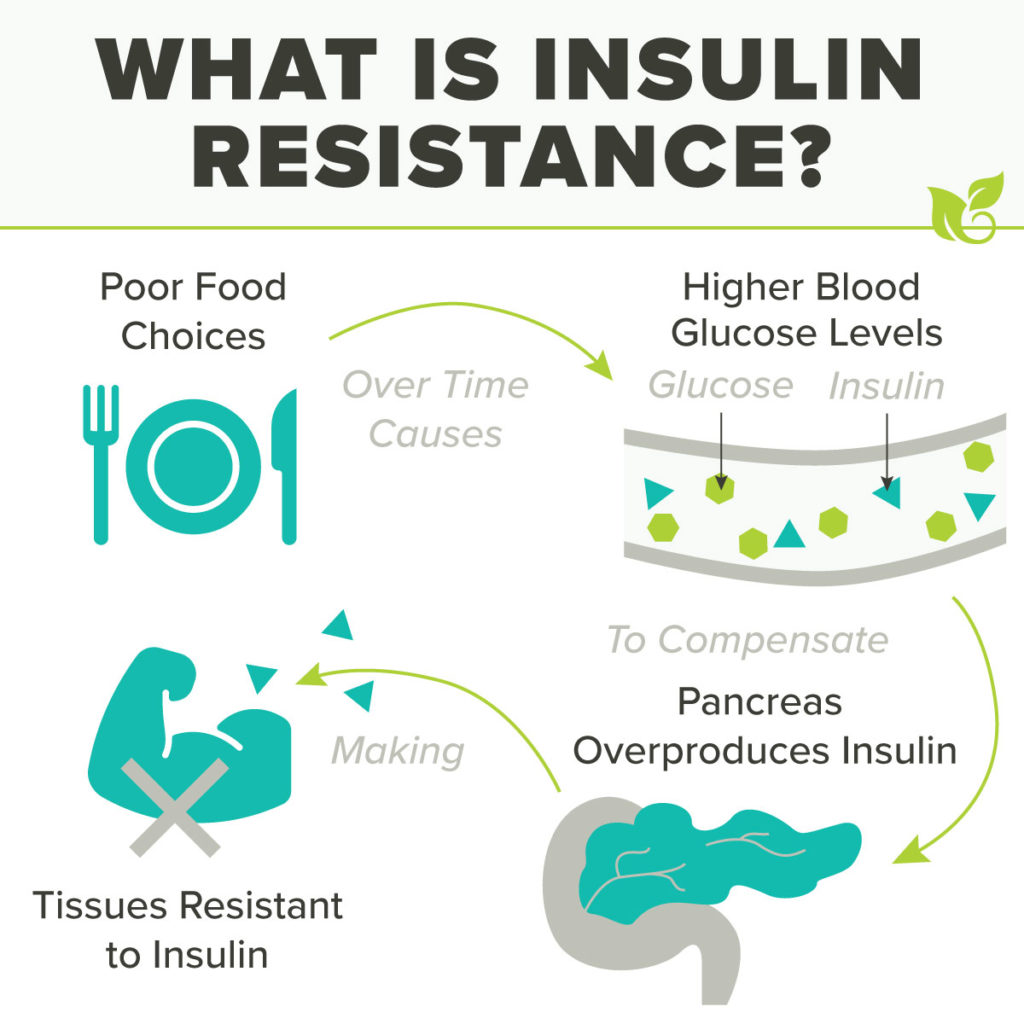
Conversely, insulin resistance is the opposite of insulin sensitivity. In a state of insulin resistance, your cells become less responsive to insulin’s signal. This means that more and more insulin is required to achieve the same effect – moving glucose into cells. To compensate, your pancreas starts to produce larger quantities of insulin. Initially, this can keep blood glucose levels within a normal range, but over time, the pancreas may struggle to keep up with the demand, leading to elevated blood glucose levels.
The Spectrum of Insulin Response: From High Sensitivity to Significant Resistance
It’s important to understand that insulin sensitivity exists on a spectrum.
-
High Insulin Sensitivity: Individuals with high insulin sensitivity require very little insulin to regulate their blood glucose. This is often seen in younger, physically active individuals with a healthy diet. Their bodies efficiently utilize glucose for energy, and their blood sugar levels tend to be stable.
-
Normal Insulin Sensitivity: This represents a balanced state where the body effectively responds to insulin, maintaining healthy blood glucose levels without undue strain on the pancreas.
-
Insulin Resistance: As mentioned, this is a state where cells become less responsive to insulin. It’s a growing concern globally and is a precursor to more serious health conditions.
-
Metabolic Syndrome and Type 2 Diabetes: If insulin resistance progresses and the pancreas can no longer produce enough insulin to overcome the resistance, blood glucose levels will rise significantly. This can lead to prediabetes, metabolic syndrome, and eventually, Type 2 Diabetes.
Factors Influencing Insulin Sensitivity: A Multifaceted Equation
Our insulin sensitivity isn’t a fixed trait; it’s a dynamic metric influenced by a complex interplay of lifestyle, genetics, and other environmental factors. Understanding these influencers is key to optimizing our metabolic health, especially in our tech-driven lives where sedentary habits can easily creep in.
Lifestyle Choices: The Cornerstones of Metabolic Health
The choices we make daily have a profound impact on our insulin sensitivity. These are the areas where we have the most agency and can implement positive changes.
-
Dietary Habits: What we eat directly affects our blood glucose and insulin response.
- Processed Foods and Sugary Drinks: Consuming a diet high in refined carbohydrates, added sugars, and unhealthy fats can lead to rapid spikes in blood glucose, prompting the pancreas to release more insulin. Over time, this can contribute to insulin resistance.
- Whole, Unprocessed Foods: A diet rich in whole grains, lean proteins, healthy fats (like those found in avocados and nuts), and plenty of fruits and vegetables promotes more stable blood glucose levels and better insulin sensitivity. Fiber, in particular, plays a crucial role in slowing down glucose absorption.
- Meal Timing and Frequency: While not as critical as the quality of food, consistent meal patterns can help regulate blood sugar. Skipping meals or experiencing large glucose fluctuations throughout the day can place extra stress on the insulin-regulating system.
-
Physical Activity: Exercise is a powerful tool for improving insulin sensitivity.
- Muscle Engagement: During physical activity, your muscles use glucose for energy. This process helps to clear glucose from the bloodstream, effectively lowering blood sugar levels.
- Improved Glucose Uptake: Regular exercise makes your muscle cells more receptive to insulin’s signal, even when you’re not actively working out. This means your body needs less insulin to manage your blood sugar.
- Types of Exercise: Both aerobic exercise (like running, swimming, cycling) and resistance training (lifting weights) have been shown to be beneficial. A combination of both is often recommended for optimal metabolic health.
-
Weight Management: Excess body fat, particularly visceral fat (fat around the organs), is strongly linked to insulin resistance.
- Fat Tissue and Inflammation: Adipose tissue, especially visceral fat, releases inflammatory substances that can interfere with insulin signaling.
- Healthy Body Composition: Maintaining a healthy weight and body composition, characterized by a higher proportion of muscle mass to fat mass, is crucial for good insulin sensitivity.
-
Sleep Quality: Often overlooked, adequate and quality sleep is vital for metabolic health.
- Hormonal Regulation: Sleep plays a role in regulating hormones that control appetite and glucose metabolism.
- Circadian Rhythms: Disrupted sleep patterns can throw off your body’s natural circadian rhythms, negatively impacting insulin sensitivity. Lack of sleep can increase cortisol levels, which can promote insulin resistance.
-
Stress Management: Chronic stress can also negatively impact insulin sensitivity.
- Cortisol and Blood Sugar: The stress hormone cortisol can raise blood glucose levels by signaling the liver to produce more glucose. Over time, this can contribute to insulin resistance.
- Behavioral Factors: Stress can also lead to poor dietary choices and reduced physical activity, further exacerbating metabolic issues.
Other Contributing Factors: Beyond Daily Choices
While lifestyle plays a dominant role, other factors can also influence insulin sensitivity.
- Genetics: Some individuals may have a genetic predisposition to insulin resistance. However, even with a genetic predisposition, lifestyle choices can significantly mitigate or worsen the risk.
- Age: Insulin sensitivity tends to decrease with age. This is partly due to natural physiological changes and often compounded by lifestyle factors that become more ingrained over time.
- Medical Conditions: Certain medical conditions, such as Polycystic Ovary Syndrome (PCOS), can increase the risk of insulin resistance.
- Medications: Some medications, like certain corticosteroids, can affect insulin sensitivity.
The Tech and Brand Connection: Optimizing for Health in a Digital World
In our digitally driven era, the concepts of insulin sensitivity and metabolic health are more relevant than ever. As we leverage technology for productivity, personal branding, and financial growth, we must also be mindful of how our digital lifestyles might inadvertently impact our biological well-being.
Leveraging Tech for Metabolic Health: Tools and Strategies
The same innovative spirit that drives technological advancements can be harnessed to monitor and improve our insulin sensitivity.
- Wearable Technology: Smartwatches and fitness trackers are invaluable tools. They can monitor activity levels, heart rate, and even sleep patterns, providing data that can inform lifestyle adjustments. Some advanced wearables are beginning to incorporate more sophisticated health metrics.
- Continuous Glucose Monitors (CGMs): While traditionally used by individuals with diabetes, CGMs are becoming more accessible for those interested in understanding their real-time blood glucose responses to food and exercise. This data offers invaluable insights into how different foods and activities affect your body’s insulin response.
- Health and Fitness Apps: A plethora of apps can help with meal tracking, exercise logging, sleep monitoring, and stress management. These tools can provide personalized feedback and encourage healthy habits. Think of them as your digital personal trainers and nutritionists, readily available on your smartphone.
- AI-Powered Health Platforms: Emerging AI platforms are starting to analyze vast datasets of health information to provide personalized recommendations for diet, exercise, and lifestyle modifications to optimize metabolic health. These tools can identify patterns and suggest interventions that might be missed by manual tracking.
Personal Branding and Your Health: Authenticity Starts Within
Your personal brand is an extension of who you are, and that includes your health. Projecting an image of vitality and well-being, whether in your professional or personal life, is significantly enhanced when it’s grounded in genuine health.
- Authenticity and Energy: Feeling good physically translates into more energy, better focus, and a more positive outlook – all qualities that contribute to a strong and authentic personal brand. When you’re struggling with metabolic health, it can subtly (or not so subtly) impact your demeanor and capacity.
- Long-Term Sustainability: A strong personal brand is a long-term endeavor. Investing in your health, including optimizing insulin sensitivity, ensures you have the sustained energy and mental clarity to maintain and grow your brand over time. It’s about building a resilient foundation for all your endeavors.
- Leading by Example: For entrepreneurs and professionals, demonstrating a commitment to personal well-being can inspire others and reinforce a positive company culture, especially in industries that often prioritize demanding work schedules.
The Financial Implications of Metabolic Health
The connection between metabolic health and money might not be immediately obvious, but it’s substantial.
- Healthcare Costs: Poor insulin sensitivity and its progression to conditions like Type 2 Diabetes can lead to significant medical expenses, including doctor’s visits, medications, and potential hospitalizations. Investing in your health now can save you substantial financial resources in the future.
- Productivity and Earning Potential: When you feel well and have sustained energy, you are more productive. This increased productivity can directly translate into higher earning potential and better financial outcomes, whether through your primary job, side hustles, or business ventures.
- Financial Planning: Understanding health metrics like insulin sensitivity is part of comprehensive personal finance planning. It’s about managing your most valuable asset – yourself – to ensure you can enjoy the fruits of your financial labor.
Taking Control: Actionable Steps Towards Better Insulin Sensitivity
Understanding what insulin sensitivity is is the first step. The next is taking actionable steps to improve it. Fortunately, the most effective strategies are often rooted in simple, sustainable lifestyle changes.
- Prioritize a Whole-Foods Diet: Focus on incorporating plenty of vegetables, fruits, lean proteins, and healthy fats. Limit processed foods, sugary drinks, and refined carbohydrates.
- Move Your Body Regularly: Aim for at least 150 minutes of moderate-intensity aerobic activity or 75 minutes of vigorous-intensity activity per week, along with muscle-strengthening activities at least two days a week. Find activities you enjoy to make it sustainable.
- Manage Your Weight: If you are overweight, aim for gradual, sustainable weight loss through diet and exercise. Focus on building lean muscle mass.
- Prioritize Sleep: Aim for 7-9 hours of quality sleep per night. Establish a regular sleep schedule and create a relaxing bedtime routine.
- Manage Stress: Find healthy ways to cope with stress, such as mindfulness, meditation, yoga, spending time in nature, or engaging in hobbies.
- Stay Hydrated: Drink plenty of water throughout the day.
- Consider Professional Guidance: Consult with your doctor or a registered dietitian for personalized advice, especially if you have concerns about your metabolic health. They can help you understand your individual risk factors and create a tailored plan.
In conclusion, while the digital world offers unparalleled opportunities for growth and connection, maintaining our biological health is paramount. Insulin sensitivity is a critical, yet often underestimated, indicator of our metabolic well-being. By understanding its intricacies and proactively adopting healthy lifestyle habits, we can not only enhance our physical health but also bolster our capacity to thrive in all aspects of our lives, from our professional pursuits and personal brands to our financial security.
aViewFromTheCave is a participant in the Amazon Services LLC Associates Program, an affiliate advertising program designed to provide a means for sites to earn advertising fees by advertising and linking to Amazon.com. Amazon, the Amazon logo, AmazonSupply, and the AmazonSupply logo are trademarks of Amazon.com, Inc. or its affiliates. As an Amazon Associate we earn affiliate commissions from qualifying purchases.