
Inflammation. It’s a word we hear often, usually associated with pain, swelling, and discomfort. We might experience it as a sore throat, a scraped knee, or a headache. But beyond these familiar symptoms, what exactly is inflammation, and why does our body engage in this seemingly destructive process? Far from being simply a sign of damage, inflammation is a sophisticated, vital, and incredibly complex biological response – a fundamental defense mechanism that plays a crucial role in our health and survival.
At its core, inflammation is the body’s initial reaction to injury, infection, or irritation. It’s a signal from your immune system, telling your body that something is wrong and that resources need to be mobilized to address the problem. Think of it as your internal emergency response team, kicking into high gear to protect you from harm and initiate the healing process. Without this innate defense, even the smallest cut could lead to a catastrophic infection, and our bodies would be far more vulnerable to the constant onslaught of pathogens and environmental stressors.

This article will delve into the intricate world of inflammation, exploring its nature, its causes, and its far-reaching implications for our well-being. While the core concept of inflammation is biological, its understanding and management are increasingly intertwined with the advancements and trends we see in technology, brand awareness, and even personal finance. We’ll explore how these seemingly disparate fields can offer unique perspectives and solutions in navigating the complexities of this essential bodily process.
The Dual Nature of Inflammation: Acute vs. Chronic
To truly understand inflammation, it’s crucial to recognize its two primary forms: acute and chronic. These are not just different labels; they represent distinct processes with vastly different impacts on our health.
Acute Inflammation: The Body’s Swift and Necessary Response
Acute inflammation is the immediate, short-term response to a harmful stimulus. It’s the body’s first line of defense, designed to eliminate the threat and begin the repair process. You’ve likely experienced acute inflammation many times without consciously realizing it. When you stub your toe, for instance, the immediate pain, redness, and swelling are hallmarks of acute inflammation.
The hallmark signs of acute inflammation are often remembered by the acronym “PRISH”:
- Pain: This is a signal to protect the injured area and to limit its use.
- Redness (Rubor): Increased blood flow to the affected area causes the skin to appear red.
- Immobility (or Loss of Function): Pain and swelling can limit the movement of the affected body part.
- Swelling (Tumor): The accumulation of fluid and immune cells in the tissues leads to swelling.
- Heat (Calor): Increased blood flow and metabolic activity contribute to a feeling of warmth in the area.
When a pathogen invades or tissue is damaged, specialized cells within the immune system, such as neutrophils and macrophages, are dispatched to the site. They release chemical mediators, like histamine and prostaglandins, which cause blood vessels to widen (vasodilation) and become more permeable. This allows immune cells, antibodies, and healing factors to flood the injured area, effectively isolating the threat, clearing debris, and initiating tissue repair.
Think of acute inflammation as the urgent deployment of emergency services. The goal is to quickly contain the problem, neutralize the threat, and begin reconstruction. Once the issue is resolved, the inflammatory process subsides, and the body returns to its normal state. This type of inflammation is essential for survival and healing.
Chronic Inflammation: The Lingering Threat
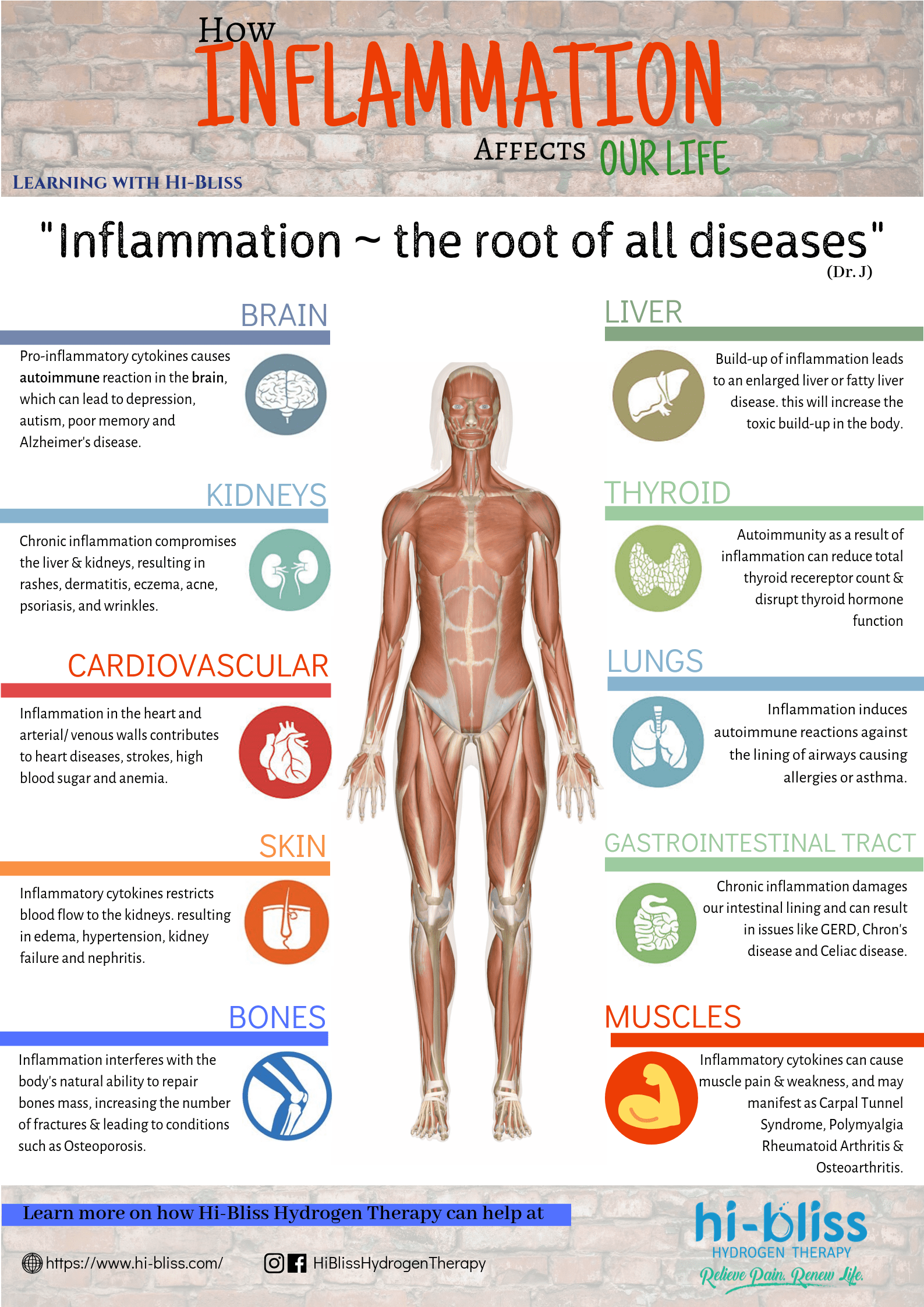
While acute inflammation is a beneficial and necessary process, chronic inflammation is its detrimental counterpart. Chronic inflammation occurs when the body’s inflammatory response doesn’t subside, persisting for weeks, months, or even years. This prolonged state of low-grade, simmering inflammation can be triggered by various factors, including persistent infections, exposure to irritants, autoimmune disorders, and unhealthy lifestyle choices.
Unlike the sharp, localized symptoms of acute inflammation, chronic inflammation is often insidious, manifesting with subtle and generalized symptoms like fatigue, persistent pain, and unexplained weight gain or loss. The constant presence of inflammatory cells and mediators can begin to damage healthy tissues and organs. This ongoing assault can contribute to the development and progression of a wide range of chronic diseases.
The link between chronic inflammation and disease is a major focus of modern medicine. Conditions such as:
- Heart disease: Inflammation contributes to the buildup of plaque in arteries.
- Diabetes: Chronic inflammation can impair insulin sensitivity.
- Cancer: Persistent inflammation can create an environment conducive to tumor growth.
- Autoimmune diseases: Conditions like rheumatoid arthritis and lupus are characterized by the immune system mistakenly attacking the body’s own tissues, leading to chronic inflammation.
- Neurodegenerative diseases: Emerging research suggests a role for chronic inflammation in conditions like Alzheimer’s and Parkinson’s disease.
Understanding the distinction between acute and chronic inflammation is paramount to recognizing when inflammation is a helpful ally and when it has become a dangerous adversary.
The Multifaceted Triggers of Inflammation
The body’s inflammatory response can be triggered by a diverse array of factors, highlighting its role as a universal defense mechanism. These triggers can be broadly categorized into internal and external stimuli.
External Triggers: The Immediate Threats
These are the most commonly recognized causes of inflammation, directly impacting the body from the outside.
- Pathogens: This is perhaps the most critical external trigger. Bacteria, viruses, fungi, and parasites are foreign invaders that the immune system is programmed to detect and combat. An infection, whether a common cold or a more serious condition, will inevitably elicit an acute inflammatory response to neutralize and clear the pathogens.
- Physical Injury: Trauma, such as cuts, burns, sprains, and fractures, directly damages tissues. The body’s immediate response is to initiate inflammation to control bleeding, prevent infection, and begin the complex process of tissue repair and regeneration.
- Chemical Irritants: Exposure to certain chemicals, like those found in smoke, pollution, or harsh cleaning products, can irritate tissues and provoke an inflammatory reaction. This is often seen as redness and discomfort in the eyes, skin, or respiratory tract.
- Allergens: For individuals with allergies, exposure to allergens like pollen, dust mites, or certain foods triggers an overactive immune response. While not inherently harmful, the immune system perceives these substances as threats, leading to the release of inflammatory mediators that cause symptoms like itching, swelling, and difficulty breathing.
Internal Triggers: The Body’s Own Signals
Sometimes, the inflammatory response is triggered by factors originating within the body, often indicative of internal dysregulation.
- Autoimmune Disorders: In these conditions, the immune system malfunctions and mistakenly identifies the body’s own healthy cells and tissues as foreign. This leads to a persistent attack on the body, characterized by chronic inflammation. Examples include rheumatoid arthritis (inflammation of the joints), inflammatory bowel disease (inflammation of the digestive tract), and multiple sclerosis (inflammation of the nervous system).
- Cellular Damage and Death: When cells within the body are damaged due to genetic mutations, metabolic dysfunction, or aging, they can release signals that trigger inflammation. This is a normal part of cellular turnover and repair, but if widespread or persistent, it can contribute to chronic inflammation.
- Metabolic Imbalances: Conditions like obesity and metabolic syndrome are closely linked to chronic inflammation. Excess adipose tissue, particularly visceral fat, can release inflammatory molecules that contribute to a systemic low-grade inflammatory state.
- Stress: Chronic psychological stress can have a profound impact on the immune system, leading to increased levels of pro-inflammatory cytokines. This can exacerbate existing inflammatory conditions and potentially contribute to the development of new ones.
Navigating Inflammation in the Digital Age: Technology, Branding, and Finance
The concept of inflammation, while fundamentally biological, has increasingly become a topic of discussion and concern in the modern world. This is where the interconnectedness of our lives comes into play, with advancements in technology, the power of branding, and the intricacies of personal finance offering unique lenses through which to understand and address inflammation.
Harnessing Technology for Inflammation Insight and Management
Technology is revolutionizing how we understand, monitor, and manage inflammation. From cutting-edge diagnostic tools to personalized wellness platforms, digital innovations are empowering individuals and medical professionals alike.
- AI-Powered Diagnostics and Research: Artificial intelligence (AI) is rapidly transforming healthcare. In the realm of inflammation, AI algorithms can analyze vast datasets of medical images, genetic information, and patient records to identify subtle patterns indicative of inflammatory conditions. This can lead to earlier and more accurate diagnoses, potentially distinguishing between acute and chronic inflammation with greater precision. AI is also accelerating drug discovery and the development of targeted therapies for inflammatory diseases.
- Wearable Technology and Health Tracking: Smartwatches and fitness trackers are no longer just for counting steps. These devices can now monitor heart rate variability, sleep patterns, and even subtle physiological changes that may be linked to inflammatory markers. While not diagnostic tools, they can provide individuals with valuable insights into their body’s responses, prompting them to seek medical advice or adjust their lifestyle. Apps designed for symptom tracking and diet logging can help individuals identify potential triggers for their inflammatory responses.
- Telemedicine and Remote Monitoring: For individuals managing chronic inflammatory conditions, telemedicine offers a convenient way to consult with specialists and receive ongoing care without frequent in-person visits. Remote monitoring devices can transmit vital health data to healthcare providers, allowing for proactive intervention if an inflammatory flare-up is detected.
- Digital Therapeutics: The development of digital therapeutics (DTx) is an exciting frontier. These are software-based interventions that can be prescribed by healthcare professionals to treat or manage medical conditions. For inflammatory diseases, DTx could offer personalized programs for exercise, nutrition, stress management, and cognitive behavioral therapy, all delivered through digital platforms.
The Role of Branding in Health Awareness and Lifestyle Choices
Brand messaging and marketing play a significant role in shaping public perception and influencing health-related behaviors, including those related to inflammation.
- Health and Wellness Brands: The rise of health and wellness brands has brought increased attention to topics like inflammation. Through their marketing campaigns, product development, and content creation, these brands can educate consumers about the importance of a healthy lifestyle in managing inflammation. This includes promoting products and services that support anti-inflammatory diets, stress reduction, and exercise.
- Corporate Identity and Employee Well-being: For corporations, a strong brand identity often extends to fostering a healthy work environment. Companies are increasingly investing in employee well-being programs that address stress, nutrition, and physical activity, all of which can impact inflammation levels. A brand that prioritizes its employees’ health demonstrates a commitment to their long-term well-being, which can positively influence its reputation.
- Personal Branding and Health Advocacy: Individuals who build a personal brand around health and wellness can become powerful advocates for raising awareness about inflammation. By sharing their knowledge, experiences, and evidence-based advice, they can empower others to make informed decisions about their health and adopt practices that mitigate chronic inflammation.
- Transparency and Trust in Health Information: In an era of abundant online information, the credibility of health claims is paramount. Brands that are transparent about their research, ingredients, and the scientific basis for their recommendations build trust with consumers. This is particularly important when discussing complex health topics like inflammation, where misinformation can be detrimental.
Financial Wellness as a Foundation for Managing Inflammation
While not immediately obvious, financial well-being can have a significant indirect impact on inflammation. Financial stress is a potent trigger for chronic inflammation, and conversely, good financial health can provide the resources and peace of mind needed to prioritize health.
- Stress and Inflammation: Financial worries are a major source of chronic stress. This persistent stress response releases cortisol and other hormones that can disrupt the immune system and promote inflammation. Conversely, having a stable financial situation can reduce this stress, creating a more conducive environment for the body to regulate its inflammatory processes.
- Access to Healthy Resources: Financial stability often equates to better access to resources that can help manage inflammation. This includes the ability to afford nutritious foods, join fitness classes or gyms, access healthcare professionals, and invest in ergonomic equipment for home or office.
- Investment in Prevention: Financial planning can involve investing in preventative healthcare. This might include regular check-ups, diagnostic screenings, and even the purchase of health insurance that covers preventative services. Proactive measures can catch inflammatory markers early, allowing for timely intervention and preventing the escalation of chronic conditions.
- Side Hustles and Income Diversification: For some, exploring side hustles or diversifying income streams can alleviate financial pressure and reduce stress. This improved financial security can, in turn, have a positive impact on their overall health, including their inflammatory load.
- Financial Tools for Health: Various financial tools can be utilized to support health goals. This might include setting up dedicated savings accounts for health-related expenses, utilizing flexible spending accounts (FSAs) or health savings accounts (HSAs), or leveraging budgeting apps to allocate funds towards healthy food choices and wellness activities.

Conclusion: A Holistic Approach to Understanding and Managing Inflammation
Inflammation, in its essence, is a testament to the remarkable resilience and intricate design of the human body. It is our built-in defense system, a vital mechanism that protects us from harm and facilitates healing. However, as we’ve explored, this powerful ally can, under certain circumstances, transform into a persistent adversary, contributing to a host of chronic diseases.
The journey to understanding inflammation is becoming increasingly holistic. While the biological mechanisms remain at the forefront, the influence of technology, branding, and our financial well-being cannot be overstated. AI-driven diagnostics are refining our understanding, wearable tech is empowering us with personal insights, and the clear communication and trustworthy branding of health information are crucial for informed decision-making. Furthermore, the often-overlooked link between financial stress and inflammation highlights the interconnectedness of our physical and mental health with our economic realities.
By embracing a comprehensive approach that integrates biological knowledge with insights from technology, mindful branding, and sound financial practices, we can move towards a future where inflammation is better understood, effectively managed, and ultimately, where we are empowered to foster greater health and well-being.
aViewFromTheCave is a participant in the Amazon Services LLC Associates Program, an affiliate advertising program designed to provide a means for sites to earn advertising fees by advertising and linking to Amazon.com. Amazon, the Amazon logo, AmazonSupply, and the AmazonSupply logo are trademarks of Amazon.com, Inc. or its affiliates. As an Amazon Associate we earn affiliate commissions from qualifying purchases.