
Phenergan is a well-known medication often prescribed for a variety of conditions, from nausea and vomiting to allergies and motion sickness. While its therapeutic uses are widely recognized, a deeper dive into what makes Phenergan effective can be fascinating, especially when we consider the underlying science and how pharmaceutical innovation intersects with the broader landscape of technology, brand perception, and even financial considerations in healthcare. This article aims to demystify the composition of Phenergan, exploring its active ingredients, their mechanisms of action, and the broader context in which such medications are developed and utilized.
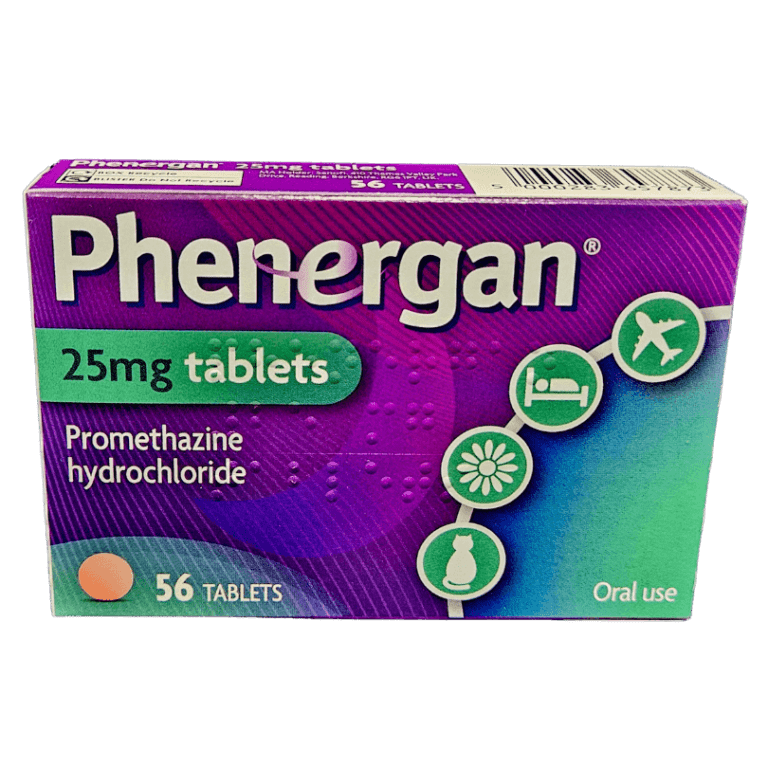
The Core of Phenergan: Understanding Promethazine Hydrochloride
At the heart of Phenergan lies its active pharmaceutical ingredient: promethazine hydrochloride. This compound is a potent antihistamine belonging to the phenothiazine class. To truly understand what’s in Phenergan, we must first understand promethazine itself.
Promethazine: An Antihistamine’s Dual Nature
Promethazine hydrochloride functions primarily as an H1 receptor antagonist. Histamine is a chemical released by the body during allergic reactions. It binds to H1 receptors, triggering symptoms like itching, sneezing, runny nose, watery eyes, and hives. By blocking these H1 receptors, promethazine effectively prevents histamine from exerting its effects, thereby alleviating these allergic symptoms. This antihistamine action is the foundation of Phenergan’s utility in treating allergic conditions.
However, promethazine’s therapeutic profile extends beyond simple histamine blockade. It also possesses significant sedative, antiemetic (anti-nausea and anti-vomiting), and anticholinergic properties. These additional actions contribute to its broad range of applications.
- Sedative Effects: Promethazine readily crosses the blood-brain barrier and acts on the central nervous system, leading to drowsiness. This sedative effect can be beneficial in cases of severe itching that disrupt sleep or as a pre-operative sedative. However, it’s also a notable side effect that requires caution.
- Antiemetic Properties: The exact mechanism by which promethazine exerts its antiemetic effects is not fully understood but is believed to involve antagonism of dopamine receptors in the chemoreceptor trigger zone (CTZ) of the brain. The CTZ is a region that plays a crucial role in initiating the vomiting reflex. By blocking dopamine’s action here, promethazine can effectively reduce nausea and vomiting, making it a valuable treatment for conditions like motion sickness and post-operative nausea.
- Anticholinergic Effects: Promethazine also has anticholinergic activity, meaning it blocks the action of acetylcholine, a neurotransmitter involved in various bodily functions, including muscle movement, digestion, and glandular secretions. This can contribute to side effects such as dry mouth, blurred vision, and constipation.
The Phenothiazine Framework: A Structural Insight
Promethazine belongs to the phenothiazine family of drugs. This class is characterized by a tricyclic structure consisting of two benzene rings fused to a central thiazine ring. The specific chemical modifications to this core structure determine the pharmacological properties of individual phenothiazine derivatives. In promethazine, the side chain attached to the nitrogen atom in the thiazine ring is crucial for its antihistamine and other effects. Understanding this chemical architecture provides a deeper insight into the drug’s mechanism and potential interactions.
Beyond the Active Ingredient: Formulation and Pharmaceutical Science
While promethazine hydrochloride is the star player, the effectiveness and administration of Phenergan are also influenced by its formulation. Pharmaceutical companies invest heavily in research and development to create various dosage forms that optimize drug delivery, stability, and patient compliance.
Dosage Forms and Their Significance
Phenergan is available in several forms, each designed for specific needs:

- Tablets and Capsules: These are the most common oral forms, offering convenience for many patients. The inactive ingredients (excipients) in these formulations play a vital role in the tablet’s disintegration, dissolution, and absorption into the bloodstream. These can include binders, fillers, disintegrants, and lubricants.
- Syrup/Elixir: The liquid form is particularly useful for children or individuals who have difficulty swallowing pills. The syrup base typically contains sweeteners, flavorings, preservatives, and solvents (like water or alcohol) to ensure the promethazine remains stable and palatable.
- Injectable Solution: For rapid or severe symptom relief, Phenergan can be administered intravenously or intramuscularly. The injectable formulation is sterile and typically contains promethazine hydrochloride dissolved in a sterile solution, often with pH adjusters and stabilizers to maintain its integrity.
The choice of dosage form can significantly impact the onset and duration of the drug’s action. For instance, injectable forms provide a faster onset of action compared to oral formulations. The development of these different forms showcases the application of chemical engineering and material science within the pharmaceutical industry.
The Broader Ecosystem: Technology, Branding, and Market Dynamics
The journey of a drug like Phenergan from discovery to widespread use is a complex interplay of scientific innovation, strategic branding, and market forces, all of which can be viewed through the lenses of our core website topics.
Technological Advancements in Drug Development
The development of promethazine, and indeed all modern pharmaceuticals, is underpinned by significant advancements in technology.
- Chemical Synthesis and Analysis: Sophisticated chemical synthesis techniques are employed to produce promethazine hydrochloride in a pure and consistent manner. Analytical chemistry tools, such as mass spectrometry and high-performance liquid chromatography (HPLC), are crucial for quality control, ensuring the identification and quantification of the active ingredient and any potential impurities.
- Pharmacological Research: AI tools and machine learning algorithms are increasingly being used in drug discovery and development. These technologies can analyze vast datasets to identify potential drug candidates, predict their efficacy and safety, and optimize clinical trial design. While Phenergan is a well-established drug, ongoing research may utilize these tools to explore new therapeutic applications or improve existing formulations.
- Manufacturing Processes: Automation and advanced manufacturing techniques are essential for producing medications like Phenergan efficiently and at scale, while adhering to stringent regulatory standards. This includes process optimization to minimize waste and energy consumption, contributing to both economic and environmental sustainability.
Brand Perception and Marketing Strategies
The name “Phenergan” itself has become synonymous with relief from various symptoms. This brand recognition is the result of decades of marketing and consistent product performance.
- Brand Strategy: Pharmaceutical companies invest heavily in brand strategy to establish trust and recognition for their products. This involves creating a strong corporate identity, developing compelling marketing materials, and ensuring consistent messaging across all communication channels. The brand name “Phenergan” evokes reliability and effectiveness for many healthcare professionals and patients.
- Reputation Management: Maintaining a positive reputation is paramount in the pharmaceutical industry. This involves not only delivering safe and effective products but also engaging in transparent communication about their benefits and risks. Case studies showcasing successful patient outcomes and adherence to ethical marketing practices contribute to this reputation.
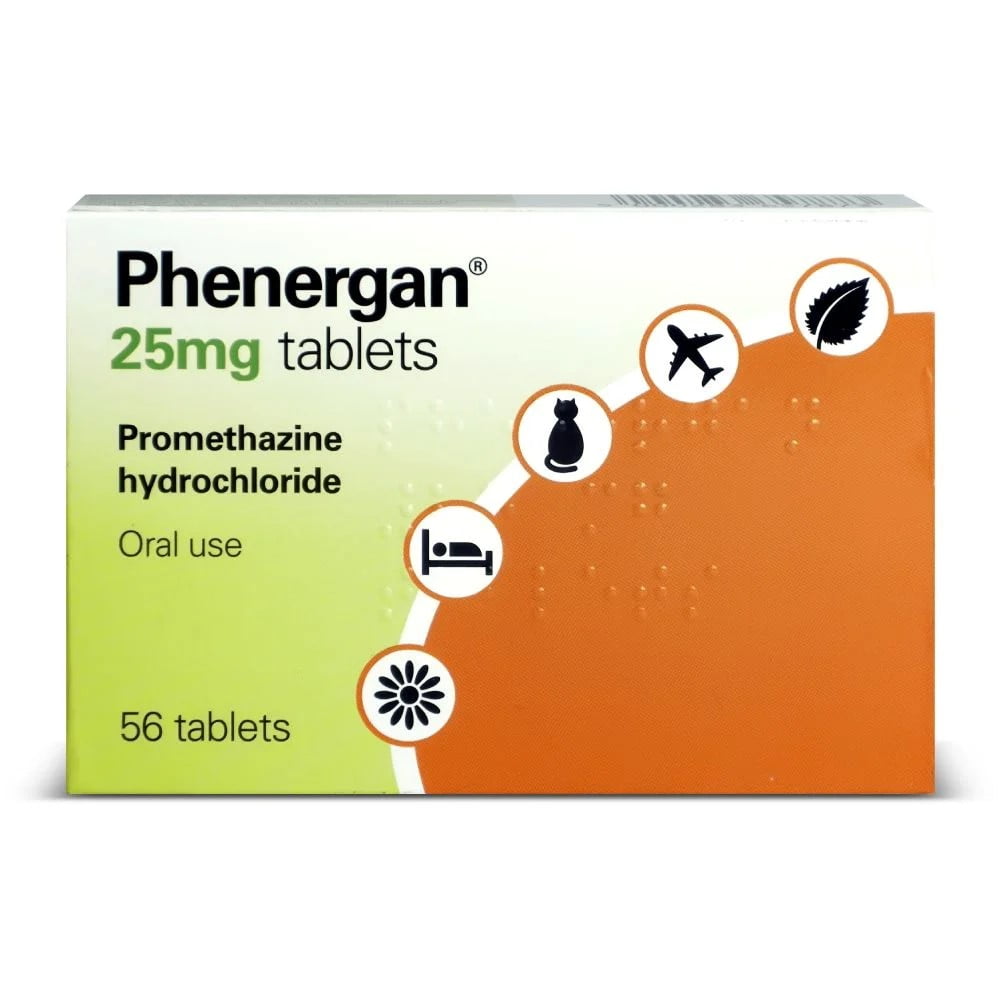
- Design and Packaging: Even the design of Phenergan’s packaging plays a role in its brand perception. Clear labeling, user-friendly designs, and adherence to safety standards all contribute to a positive patient experience and reinforce the brand’s commitment to quality.
Financial Considerations in Pharmaceutical Access
The cost and accessibility of medications are significant issues, falling under the umbrella of money and personal finance.
- Research and Development Costs: Developing a new drug from initial discovery to market approval can cost billions of dollars. These substantial business finance investments necessitate a pricing strategy that allows companies to recoup their R&D expenses and fund future innovations.
- Pricing and Reimbursement: The price of Phenergan, like other medications, is influenced by factors such as manufacturing costs, market demand, patent protection, and reimbursement policies from insurance providers and government health programs. Understanding these financial tools and market dynamics is crucial for both patients and healthcare providers.
- Online Income and Accessibility: While Phenergan is a prescription medication, the rise of online pharmacies and digital health platforms has changed how patients access their medications. However, it’s critical to ensure that these online channels are legitimate and regulated to prevent the distribution of counterfeit or substandard drugs. The accessibility of healthcare and medication ultimately impacts individual personal finance and overall well-being.
Conclusion: A Multifaceted Perspective on Phenergan
In essence, “what is in Phenergan” goes beyond simply listing its active ingredient. It encompasses the intricate science behind promethazine hydrochloride’s therapeutic actions, the sophisticated engineering involved in its various formulations, and the complex ecosystem of technology, brand building, and financial considerations that govern its existence in the healthcare market. From the molecular level to global market dynamics, Phenergan serves as a compelling example of how diverse fields converge to deliver a medication that impacts countless lives. Understanding these multifaceted aspects provides a richer appreciation for the pharmaceuticals we rely on.
aViewFromTheCave is a participant in the Amazon Services LLC Associates Program, an affiliate advertising program designed to provide a means for sites to earn advertising fees by advertising and linking to Amazon.com. Amazon, the Amazon logo, AmazonSupply, and the AmazonSupply logo are trademarks of Amazon.com, Inc. or its affiliates. As an Amazon Associate we earn affiliate commissions from qualifying purchases.