
The allure of a quick fix for aches and pains is undeniable. From nagging headaches to post-workout soreness, over-the-counter (OTC) painkillers are a staple in medicine cabinets worldwide. But have you ever stopped to wonder what exactly is in those unassuming pills that offer such potent relief? Beyond the brand names and attractive packaging, lies a fascinating world of chemistry, biology, and sometimes, surprisingly, advanced technology.
While the primary function of painkillers is to alleviate discomfort, understanding their composition and mechanisms can empower us to use them more effectively and safely. This exploration delves into the core ingredients of common painkillers, the science that makes them work, and how a broader understanding of these compounds intersects with our everyday lives, touching upon technology, branding, and even financial considerations.
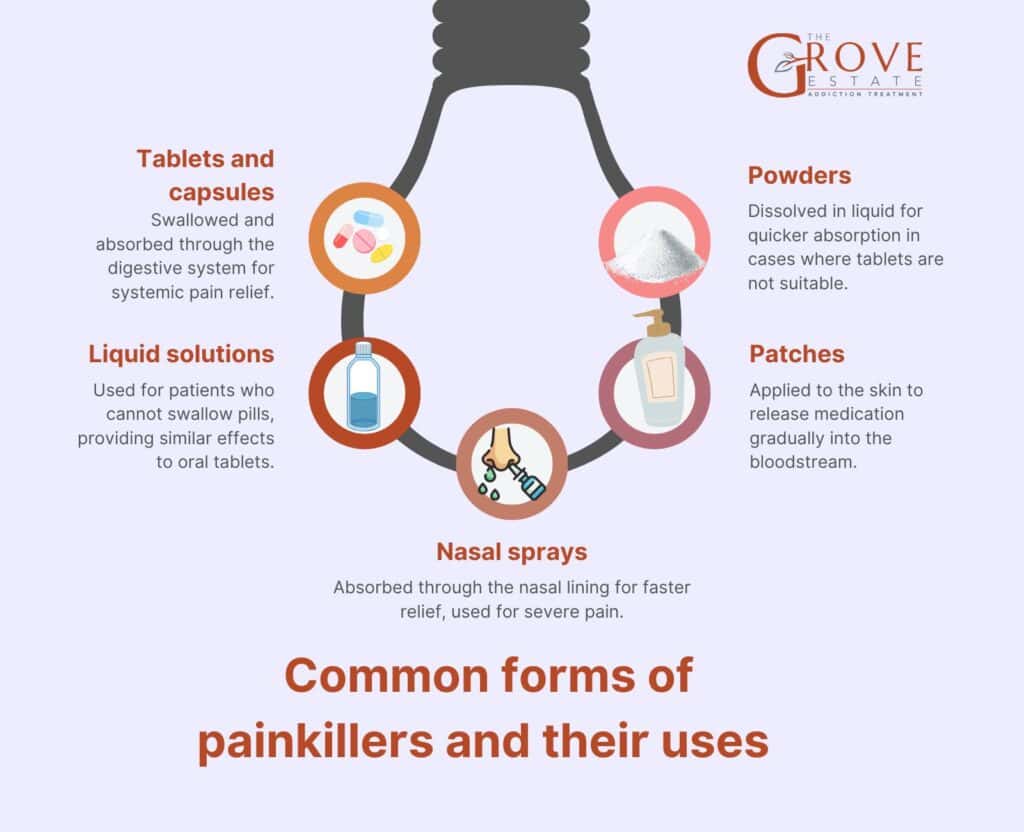
The Core Ingredients: A Chemical Approach to Comfort
At their heart, most common painkillers are chemical compounds designed to interfere with the body’s pain signaling pathways. While the specific mechanisms vary, they generally target inflammation or the transmission of pain signals to the brain. Let’s break down the most prevalent active ingredients found in OTC painkillers.
Acetaminophen: The Gentle Warrior
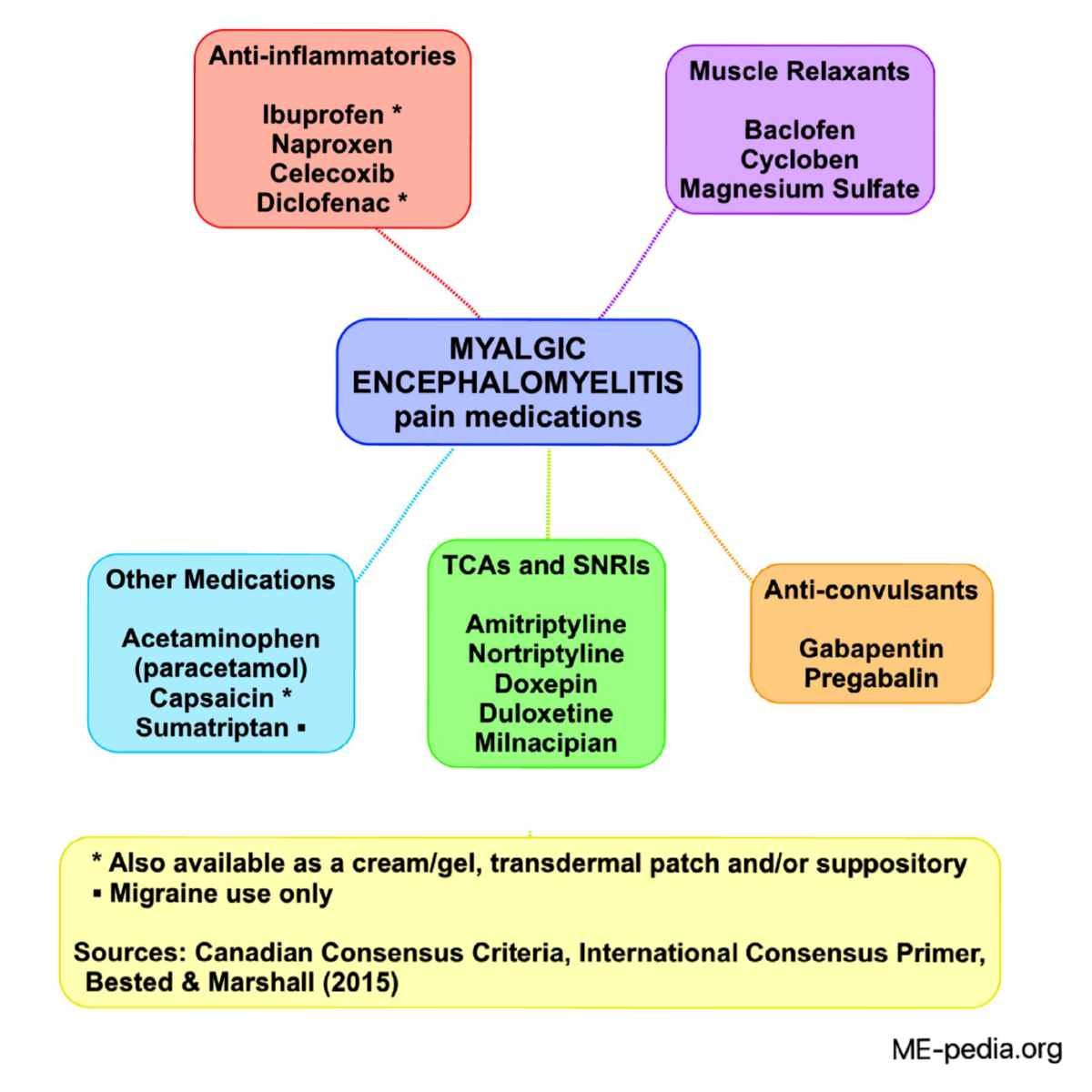
Acetaminophen, known globally by brand names like Tylenol, is one of the most widely used pain relievers and fever reducers. Its exact mechanism of action is still debated among scientists, but it’s understood to work primarily in the central nervous system (brain and spinal cord).
How it Works: Acetaminophen is believed to inhibit cyclooxygenase (COX) enzymes, particularly COX-2, which are involved in the production of prostaglandins. Prostaglandins are chemicals that play a role in pain and fever. By reducing prostaglandin levels, acetaminophen can lessen pain perception and lower body temperature. Unlike NSAIDs (Non-Steroidal Anti-Inflammatory Drugs), acetaminophen has minimal anti-inflammatory effects. This makes it a preferred choice for individuals who cannot tolerate NSAIDs due to stomach issues or other sensitivities.
Where it Shines: Acetaminophen is effective for mild to moderate pain, such as headaches, muscle aches, backaches, toothaches, and the common cold. It’s also a safe and common choice for pain relief during pregnancy, though always under the guidance of a healthcare professional.
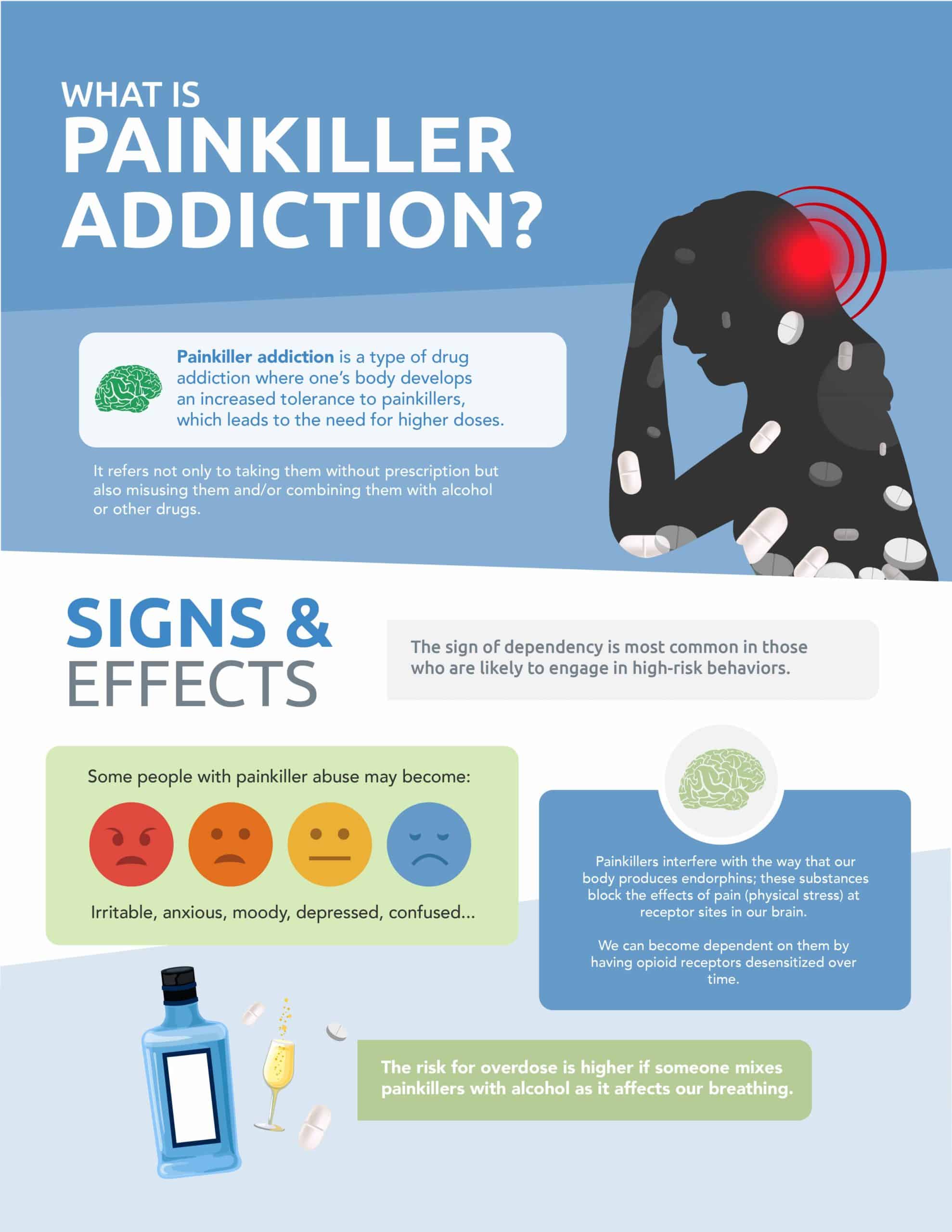
The Risks: While generally safe when taken as directed, overdose of acetaminophen can lead to severe liver damage. It’s crucial to be aware of the acetaminophen content in all medications you take, including combination cold and flu remedies, to avoid accidental overdose. This highlights the importance of careful label reading and understanding the active ingredients in any medication, a skill that can be enhanced with digital tools.
Non-Steroidal Anti-Inflammatory Drugs (NSAIDs): The Power Duo of Pain and Inflammation Reduction
NSAIDs represent a broad class of medications that are incredibly effective at tackling both pain and inflammation. This category includes widely recognized names such as ibuprofen (Advil, Motrin) and naproxen sodium (Aleve).
How They Work: NSAIDs work by inhibiting COX enzymes, specifically COX-1 and COX-2, throughout the body. COX-1 is involved in protecting the stomach lining and kidney function, while COX-2 is primarily responsible for producing prostaglandins that cause pain and inflammation. By blocking these enzymes, NSAIDs reduce the production of prostaglandins, thereby alleviating pain, reducing swelling, and bringing down fever.
- Ibuprofen: This is a workhorse NSAID, offering rapid relief from pain and inflammation. It’s commonly used for headaches, menstrual cramps, arthritis pain, muscle strains, and minor injuries. Its relatively short duration of action means it can be taken every 4-6 hours as needed.
- Naproxen Sodium: Known for its longer-lasting effects, naproxen sodium can provide relief for up to 12 hours. This makes it a convenient option for managing chronic pain conditions like arthritis or persistent back pain, where less frequent dosing is preferred.
The Benefits: The dual action of NSAIDs – pain relief and anti-inflammatory properties – makes them particularly useful for conditions where swelling is a significant component of the pain, such as injuries, sprains, and inflammatory arthritis.
The Risks: The inhibition of COX-1, while necessary for pain and inflammation relief, can also lead to side effects. The most common concerns with NSAIDs include gastrointestinal issues like stomach upset, heartburn, ulcers, and bleeding. They can also affect kidney function and increase the risk of cardiovascular events like heart attack and stroke, particularly with prolonged use or in individuals with pre-existing conditions. It is paramount to use the lowest effective dose for the shortest possible duration and to consult a healthcare provider if you have any underlying health concerns. The increasing sophistication of health-tracking apps and wearable technology can sometimes help individuals monitor subtle changes that might be related to medication side effects, prompting timely consultation with a doctor.
Beyond the Basics: Understanding Additives and Formulations
While the active ingredients are the stars of the pain-relief show, painkillers also contain a host of inactive ingredients, often referred to as excipients. These components play crucial roles in the pill’s stability, appearance, and how effectively the active ingredient is absorbed by your body.
The Supporting Cast: Excipients and Their Roles
These “inactive” ingredients are far from insignificant. They are carefully chosen to ensure the medication performs as intended and remains safe and stable.
- Binders: These ingredients hold the tablet together, giving it structural integrity. Common binders include starch, cellulose derivatives, and gelatin.
- Fillers (Diluents): These add bulk to the tablet, making it a practical size for swallowing and ensuring consistent dosing of the active ingredient, which may be present in very small amounts. Lactose, microcrystalline cellulose, and calcium phosphate are common examples.
- Disintegrants: These help the tablet break apart in the stomach or intestines, allowing the active ingredient to be released and absorbed into the bloodstream. Croscarmellose sodium and sodium starch glycolate are often used for this purpose.
- Lubricants: These prevent the ingredients from sticking to the tablet-making machinery during the manufacturing process, ensuring smooth production. Magnesium stearate and stearic acid are frequently employed.
- Coatings: Many tablets are coated to mask unpleasant tastes, improve ease of swallowing (e.g., film coatings), protect the stomach from the active ingredient (enteric coatings), or control the release of the medication over time (extended-release coatings). These coatings can be made from polymers like hydroxypropyl methylcellulose (HPMC).
- Colorants and Flavorings: These are added for identification purposes, to make the tablets more visually appealing, or to improve palatability, especially in liquid formulations for children.
The careful selection and precise measurement of these excipients are a testament to sophisticated pharmaceutical manufacturing processes, often overseen by highly automated systems.
Technological Advancements in Pain Relief Formulations
The world of pharmaceuticals is constantly evolving, driven by technological innovation. This applies not only to the discovery of new active ingredients but also to how existing ones are delivered.
- Controlled-Release Technologies: Modern painkiller formulations often employ advanced technologies to ensure a steady release of the active ingredient over an extended period. This can mean fewer doses throughout the day and more consistent pain management, reducing peaks and troughs in medication levels. Techniques like osmotic pump delivery systems and matrix tablet designs are examples of this technological prowess.
- Nanotechnology in Drug Delivery: While still in its nascent stages for mainstream OTC painkillers, nanotechnology holds immense potential. Researchers are exploring ways to use nanoparticles to improve the solubility of poorly soluble drugs, enhance their absorption, and even target them more specifically to areas of inflammation, potentially reducing systemic side effects.
- 3D Printing of Pharmaceuticals: This futuristic technology is becoming a reality, allowing for the precise creation of personalized medication dosages and complex drug release profiles. Imagine a painkiller tailored not just to your pain level but also to your individual metabolism and schedule. While not yet commonplace for OTC painkillers, its implications are vast.
These technological advancements underscore how fields like material science, engineering, and advanced manufacturing directly impact the effectiveness and safety of the medications we rely on.
Branding, Marketing, and Your Painkiller Choices
In a crowded market, how do brands stand out and influence our purchasing decisions when it comes to something as personal as pain relief? The strategies employed in branding and marketing play a significant role.
The Power of Brand Recognition and Trust
From the iconic red and white of Tylenol to the bold blue of Advil, brand names become shorthand for relief. This recognition is built over years through consistent messaging, perceived efficacy, and the establishment of trust.
- Emotional Connection: Brands often tap into emotional appeals, promising a return to normal life, the ability to participate in activities you enjoy, or simply a release from discomfort. Slogans like “Take back your day” or “Fast-acting relief” resonate deeply with consumers experiencing pain.
- Perceived Efficacy and Safety: Through advertising, endorsements, and sometimes decades of use, brands cultivate an image of reliability. This can influence consumer choice even when generic alternatives offer the same active ingredient. The marketing budgets behind these brands are substantial, reflecting the importance of positioning in the consumer mind.
- “Science-Backed” Messaging: Many painkiller brands leverage the idea of scientific backing, using terms like “clinically proven” or highlighting research to instill confidence in their product’s effectiveness. This can be particularly persuasive in a category where consumers seek proven solutions.
The sophistication of digital marketing, including targeted advertising based on search history and online behavior, further refines how these brands reach potential customers. Understanding these marketing tactics can help consumers make more objective choices based on ingredients and needs rather than solely on brand loyalty or advertising.
Navigating the Marketplace: Informed Choices
The sheer variety of pain relief options available can be overwhelming. Making informed choices involves understanding not just what’s in the pill but also how to choose the right one for your specific needs and how to approach the cost.
- Understanding Generic vs. Brand-Name: For most OTC painkillers, the active ingredient is the same in both brand-name and generic versions. Generics are typically much cheaper and are subject to the same rigorous FDA approval processes for safety and efficacy. While branding can build trust, for the active ingredient, the choice often comes down to cost-effectiveness.
- Cost and Value Considerations: When it comes to managing recurring pain, the financial aspect becomes increasingly important. Comparing prices per milligram of active ingredient, considering pack sizes, and looking for store brands can lead to significant savings over time. This aligns with personal finance principles, where small, consistent savings can add up. Exploring online pharmacies and comparing prices across different retailers can also yield better value.
- The Role of Digital Tools: While not directly related to the chemical composition, digital tools can empower us in our pain management journey. Health apps can help track medication usage, monitor symptoms, and even provide reminders for doctor’s appointments. Online resources from reputable health organizations can offer unbiased information about different pain relief options. Furthermore, comparison websites and price-tracking tools can aid in finding the best deals on medications, blending the worlds of health and financial savvy.
Ultimately, understanding what’s in your painkillers is about more than just chemistry; it’s about making informed, safe, and cost-effective decisions that contribute to your overall well-being. The convergence of scientific understanding, smart branding, and accessible technology empowers consumers to navigate the complex world of pain relief with confidence.
aViewFromTheCave is a participant in the Amazon Services LLC Associates Program, an affiliate advertising program designed to provide a means for sites to earn advertising fees by advertising and linking to Amazon.com. Amazon, the Amazon logo, AmazonSupply, and the AmazonSupply logo are trademarks of Amazon.com, Inc. or its affiliates. As an Amazon Associate we earn affiliate commissions from qualifying purchases.