
The term “electrolytes” often conjures images of vibrant sports drinks and promises of peak performance. But beyond the athletic arena, what are electrolytes, and why are they so crucial for our bodies? This article delves into the fundamental science behind these essential compounds, exploring their role in maintaining bodily functions and how their balance impacts our overall health. We’ll also touch upon how understanding these concepts can relate to broader themes of well-being, akin to how we analyze trends in tech, build strong brands, or manage our personal finances.
The Electrical Foundation of Life
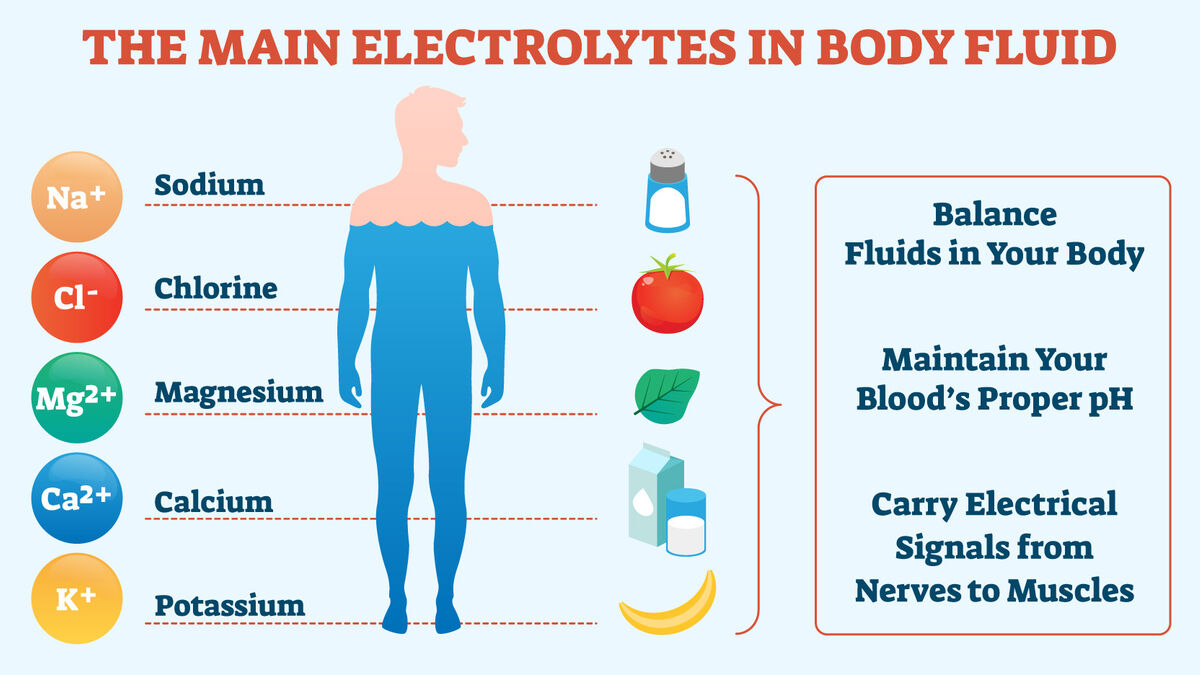
At their core, electrolytes are minerals that carry an electric charge when dissolved in a liquid, such as bodily fluids like blood, sweat, and urine. This electrical conductivity is not just a scientific curiosity; it’s fundamental to countless physiological processes. Imagine your body as a complex electrical circuit. Electrolytes are the essential components that allow signals to flow, enabling everything from muscle contractions to nerve impulses.
This electrical property arises from their chemical structure. Electrolytes are typically salts that dissociate into positively charged ions (cations) and negatively charged ions (anions) when they come into contact with water. Common examples of these vital ions include sodium (Na+), potassium (K+), calcium (Ca2+), magnesium (Mg2+), chloride (Cl-), phosphate (PO43-), and bicarbonate (HCO3-).
Sodium: The Extracellular Gatekeeper
Sodium is arguably the most recognized electrolyte, primarily found in the fluid outside our cells. Its primary role is to maintain fluid balance, regulating the amount of water in and around our cells. Think of sodium as a gatekeeper for water; where sodium goes, water tends to follow. This is crucial for maintaining blood volume and blood pressure. When we consume sodium, it influences how much fluid our body retains.
Beyond fluid regulation, sodium is a critical player in nerve function. Neurons, our nerve cells, communicate through electrical signals. Sodium ions are essential for generating the electrical impulse, the action potential, that travels down the nerve fiber. Without adequate sodium, these signals would falter, impacting everything from our ability to feel a touch to our capacity for complex thought.
The Double-Edged Sword of Sodium Intake
While essential, the modern diet often leads to an excess of sodium. High sodium intake can contribute to elevated blood pressure, a significant risk factor for heart disease and stroke. This highlights a common theme across different domains: balance is key. Just as an over-reliance on one technology can lead to obsolescence, or a brand focused solely on one message can become stale, an imbalance in our electrolyte intake can have detrimental health consequences. Understanding recommended daily allowances and being mindful of processed foods, which are often loaded with hidden sodium, is a crucial aspect of personal health management, mirroring the importance of understanding market trends in tech or prudent investment strategies in finance.
Potassium: The Intracellular Powerhouse
If sodium reigns supreme outside the cells, potassium is its intracellular counterpart, predominantly found inside our cells. Potassium plays a vital role in maintaining the cell’s resting membrane potential, a state of electrical charge difference across the cell membrane that is crucial for nerve and muscle function. It works in tandem with sodium, often referred to as the “sodium-potassium pump,” a mechanism that actively transports these ions across cell membranes, generating the electrical gradients necessary for cellular communication.
Potassium is also indispensable for muscle contractions, including the most vital muscle of all: the heart. Adequate potassium levels ensure that our heart beats rhythmically and efficiently. It also plays a role in regulating blood pressure by helping to balance the effects of sodium.
Sources and Sensitivities
Potassium is abundant in fruits and vegetables like bananas, spinach, sweet potatoes, and avocados. For individuals with certain medical conditions, such as kidney disease, managing potassium intake becomes particularly important. This emphasizes the need for personalized health strategies, much like tailoring an investment portfolio to individual risk tolerance or customizing software to meet specific business needs.
Calcium and Magnesium: The Unsung Heroes
While sodium and potassium often steal the spotlight, calcium and magnesium are equally vital electrolytes with far-reaching implications for our health.
Calcium: The Structural and Signaling Backbone
Calcium is perhaps best known for its role in building and maintaining strong bones and teeth. However, its functions extend far beyond structural support. Calcium ions are critical for muscle contraction, blood clotting, nerve signal transmission, and the release of hormones. It’s a veritable workhorse in cellular communication and function.
Magnesium: The Master Regulator
Magnesium is involved in over 300 biochemical reactions in the body. It plays a crucial role in energy production, protein synthesis, DNA replication, and muscle and nerve function. It also helps regulate blood glucose levels and blood pressure, and is essential for maintaining a healthy immune system. Magnesium is often referred to as the “master mineral” due to its pervasive influence.

Chloride: The Fluid Balance Partner
Chloride, often found in table salt (sodium chloride), is another important electrolyte. It works closely with sodium to maintain fluid balance and blood volume. Chloride is also a key component of stomach acid (hydrochloric acid), which is essential for digestion.
The Delicate Dance: Electrolyte Balance
The human body is remarkably adept at maintaining a precise balance of electrolytes. This delicate equilibrium is crucial for optimal physiological function. When this balance is disrupted, either by an excess or deficiency of specific electrolytes, it can lead to a range of health issues.
Causes of Electrolyte Imbalance
Several factors can lead to electrolyte imbalances:
- Dehydration: Excessive sweating, vomiting, diarrhea, or insufficient fluid intake can lead to a loss of electrolytes. This is why sports drinks are often fortified with electrolytes – to replenish what’s lost during strenuous activity.
- Medical Conditions: Kidney disease, heart failure, and certain hormonal disorders can impair the body’s ability to regulate electrolyte levels.
- Medications: Diuretics, for instance, can increase the excretion of electrolytes, while other medications might affect their absorption or retention.
- Dietary Factors: While less common in developed nations, severe malnutrition can lead to electrolyte deficiencies. Conversely, as mentioned, excessive intake of certain electrolytes like sodium can also be problematic.
Symptoms and Consequences
The symptoms of electrolyte imbalance can vary depending on the specific electrolyte affected and the severity of the imbalance. They can range from mild to life-threatening and may include:
- Fatigue and Weakness: Low levels of potassium or magnesium can lead to muscle weakness and fatigue.
- Muscle Cramps and Spasms: This is a common symptom of dehydration and electrolyte loss, particularly sodium and potassium.
- Nausea and Vomiting: Imbalances can disrupt the digestive system.
- Heart Palpitations and Irregular Heartbeat: Calcium, potassium, and magnesium play critical roles in heart function, and imbalances can be dangerous.
- Headaches and Confusion: Severe electrolyte disturbances can affect brain function.
- Seizures: In extreme cases, electrolyte imbalances can trigger seizures.
Maintaining Your Internal Ecosystem: A Holistic Approach
Understanding electrolytes underscores the interconnectedness of our bodily systems, much like understanding how different technological trends can converge to create new innovations, or how a robust brand identity underpins successful marketing campaigns. Just as we aim for financial stability through careful planning and diversification, maintaining electrolyte balance requires a conscious and holistic approach to our well-being.
Hydration is Key
The simplest yet most effective way to maintain electrolyte balance is to stay adequately hydrated. This means drinking enough fluids, especially water, throughout the day. During prolonged periods of strenuous exercise or in hot weather, it becomes even more critical to replenish fluids and electrolytes lost through sweat. This mirrors the importance of staying informed about emerging technologies to remain competitive or regularly reviewing financial statements to track business health.
A Balanced Diet: Nature’s Electrolyte Pharmacy
A diet rich in fruits, vegetables, and whole grains is the best way to ensure you’re getting a spectrum of essential electrolytes.
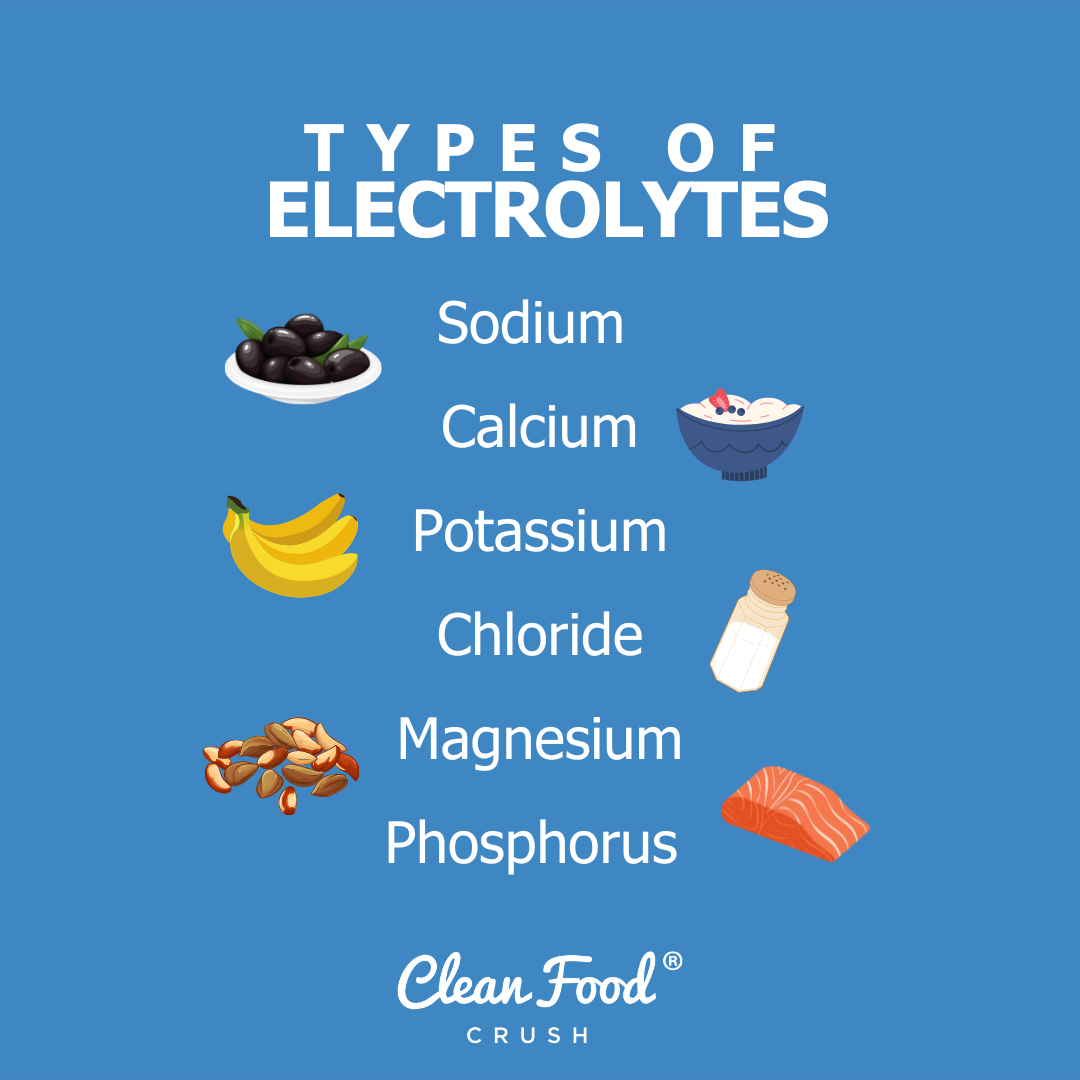
- Sodium: While we need to be mindful of excess, a small amount is necessary. It’s naturally found in many foods, and moderate consumption of table salt is generally not an issue for healthy individuals.
- Potassium: Bananas, potatoes, spinach, beans, and yogurt are excellent sources.
- Calcium: Dairy products, leafy greens, fortified plant milks, and sardines are good choices.
- Magnesium: Nuts, seeds, whole grains, dark chocolate, and leafy greens are rich in magnesium.
- Chloride: Found in table salt, but also in seaweed and some fruits and vegetables.
This focus on a balanced diet for electrolytes resonates with the principles of building a strong personal brand, which requires a diverse set of skills and experiences, or the strategic allocation of resources in business finance.
When to Seek Professional Advice
While most individuals can maintain healthy electrolyte levels through diet and hydration, certain circumstances warrant professional guidance. If you experience persistent symptoms of electrolyte imbalance, have underlying health conditions, or are taking medications that may affect electrolyte balance, consulting a doctor or a registered dietitian is crucial. They can assess your individual needs, recommend appropriate dietary adjustments, or suggest supplements if necessary. This is akin to seeking expert advice on complex investment strategies or troubleshooting advanced software issues.
In conclusion, electrolytes are far more than just a component of sports drinks. They are fundamental minerals that enable the electrical activity of our cells, supporting everything from nerve communication to muscle function and fluid balance. By understanding their roles and prioritizing hydration and a balanced diet, we can actively contribute to maintaining our internal equilibrium, a vital aspect of overall health and well-being, mirroring the ongoing effort required to stay ahead in the ever-evolving landscapes of technology, branding, and personal finance.
aViewFromTheCave is a participant in the Amazon Services LLC Associates Program, an affiliate advertising program designed to provide a means for sites to earn advertising fees by advertising and linking to Amazon.com. Amazon, the Amazon logo, AmazonSupply, and the AmazonSupply logo are trademarks of Amazon.com, Inc. or its affiliates. As an Amazon Associate we earn affiliate commissions from qualifying purchases.