
In the ever-expanding universe of technology, the concept of an “array” is fundamental. It’s a term that pops up in programming, data analysis, and even in the design of digital systems. But what exactly is an array, and why is it so pervasive and important across various domains, from the cutting edge of AI to the practicalities of personal finance? This exploration delves into the heart of what an array is, its diverse applications, and its significance in shaping our digital experiences, drawing connections to the core tenets of Tech, Brand, and Money.
The Fundamental Nature of Arrays: A Structured Container
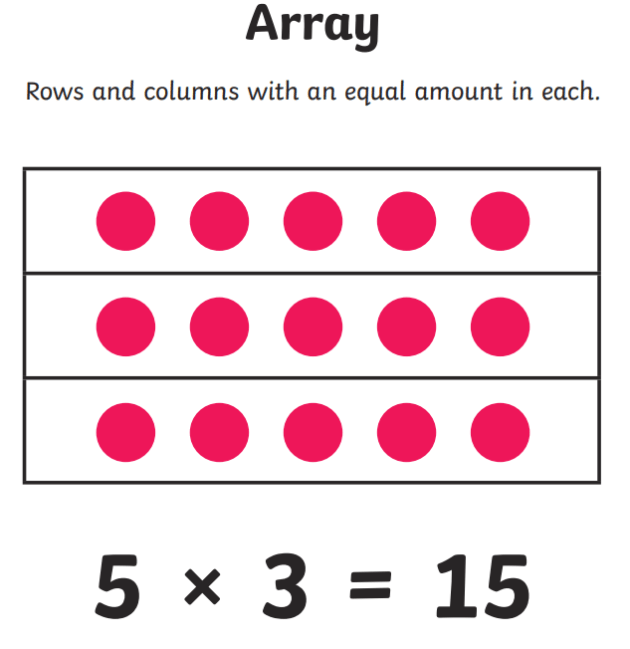
At its most basic, an array is a collection of elements, typically of the same data type, stored in contiguous memory locations. Imagine a row of neatly organized boxes, each holding a specific item. This is the conceptual blueprint of an array. The key characteristics that define an array are:
- Ordered Collection: Elements in an array have a defined order, meaning each element can be accessed via its index, which is its position within the array, starting from zero. So, the first element is at index 0, the second at index 1, and so on.
- Fixed Size (often): In many programming languages, arrays have a predetermined size that cannot be changed after they are created. This predictability allows for efficient memory management. However, dynamic arrays or lists exist that can grow or shrink as needed.
- Homogeneous Data Type (typically): While some languages offer variations, the classic definition of an array implies that all elements within it are of the same data type, such as integers, strings, or floating-point numbers. This consistency simplifies operations and boosts performance.
Beyond the Basic: Multidimensional Arrays
While one-dimensional arrays are the most common, arrays can extend into multiple dimensions, creating more complex structures.
Two-Dimensional Arrays: Grids and Tables
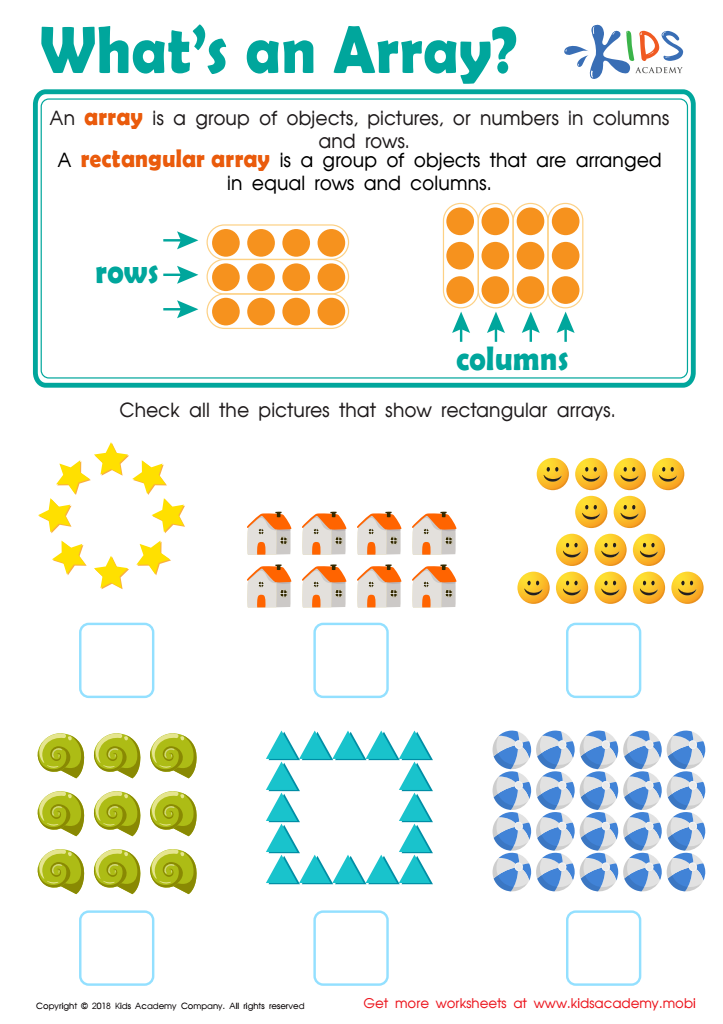
A two-dimensional array can be visualized as a grid or a table, like a spreadsheet. It consists of rows and columns. Each element is accessed using two indices: one for the row and one for the column. This structure is incredibly useful for representing data that naturally fits into a tabular format.
Higher-Dimensional Arrays: Unlocking Complexity
Arrays can have three, four, or even more dimensions. While harder to visualize, these higher-dimensional arrays are powerful tools in fields like scientific computing, image processing, and machine learning, where data can have intricate relationships and multiple attributes.
Arrays in the Realm of Tech: Powering Digital Innovation
The Tech landscape is arguably where the concept of arrays finds its most profound and widespread application. From the fundamental operations of software to the sophisticated algorithms driving AI, arrays are an indispensable building block.
Software Development: The Backbone of Data Handling
In software development, arrays are foundational data structures. Programmers use them extensively for:
- Storing and Managing Data: Whether it’s a list of user names, a set of product prices, or sensor readings, arrays provide an efficient way to store and retrieve this information.
- Implementing Algorithms: Many common algorithms, such as sorting (e.g., bubble sort, quicksort) and searching (e.g., linear search, binary search), are designed to operate on arrays.
- Building User Interfaces: Arrays can represent lists of items in menus, rows in tables, or grids of icons within an application’s interface.
Dynamic Arrays and Lists: Flexibility in Action
Modern programming languages often provide “dynamic arrays” or “lists” which are essentially arrays that can automatically resize. This offers the best of both worlds: the efficiency of contiguous memory for common operations and the flexibility to add or remove elements without manual memory management. This is crucial for applications that deal with unpredictable amounts of data, such as social media feeds or real-time analytics dashboards.
AI and Machine Learning: The Language of Data
In the context of Artificial Intelligence (AI) and Machine Learning (ML), arrays are not just data structures; they are the native language of data representation.
Numerical Computations and Matrix Operations
Machine learning models are essentially complex mathematical functions applied to data. This data is almost universally represented as arrays, often in the form of matrices (two-dimensional arrays) or tensors (multidimensional arrays). Libraries like NumPy in Python are specifically designed for efficient numerical computations on arrays, forming the bedrock of most ML frameworks.
- Feature Vectors: When you represent a data point (like an image or a customer profile) for an ML model, you often convert its characteristics into a numerical array called a feature vector.
- Model Parameters: The weights and biases of a neural network, which are learned during the training process, are stored and manipulated as arrays.
- Image and Video Processing: Images are essentially grids of pixels, each with color values. These are naturally represented as multidimensional arrays. Video streams are sequences of image arrays.
Data Preprocessing and Transformation
Before data can be fed into an AI model, it often needs to be cleaned, normalized, and transformed. These operations are predominantly performed on arrays, utilizing array manipulation techniques to prepare the data for optimal model performance.
Digital Security: Guarding Sensitive Information
While not as immediately obvious as in programming or AI, arrays play a role in digital security too.
- Encryption and Hashing: Cryptographic algorithms often operate on blocks of data. These blocks are frequently treated as arrays of bytes or characters, allowing for systematic manipulation during encryption and decryption processes.
- Network Packet Analysis: Network traffic is broken down into packets, each containing data. These packets, and the data within them, can be analyzed as arrays to detect malicious patterns or anomalies.
Arrays in Brand Building: Structuring Identity and Marketing
The principles of organization and structure that define arrays also resonate within the domain of Brand. While not a direct technological implementation, the conceptual framework of an array offers valuable insights into how brands build and manage their identity and marketing efforts.
Brand Strategy: Building a Coherent Identity
A strong brand is built upon a consistent and cohesive identity. This can be seen as an array of brand elements, each contributing to the overall perception.

Core Brand Pillars as Array Elements
Think of a brand’s core values, its mission statement, its unique selling propositions, and its target audience as distinct elements. For a brand to be effective, these elements must be clearly defined and work in harmony, much like elements in an array having a defined purpose and relationship.
Marketing Campaigns as Structured Arrays
A successful marketing campaign isn’t a haphazard collection of activities. It’s a structured, organized effort with defined objectives, target audiences, messaging, channels, and timelines. This structured approach, akin to an array, ensures that each component of the campaign contributes to the overarching goal, maximizing impact and efficiency.
Personal Branding: Curating Your Digital Persona
For individuals seeking to build a personal brand, understanding the concept of structured data is equally relevant.
Skill Sets and Experiences as Indexed Attributes
Your skills, experiences, education, and personal attributes can be thought of as elements within an array representing your professional profile. To effectively present yourself, these elements need to be organized and highlighted in a logical sequence, making it easy for others to understand your value proposition.
Online Presence Management: A Coordinated Array
Your social media profiles, website, portfolio, and any other online presence form a collection of digital touchpoints. A strong personal brand ensures that these touchpoints are consistent in messaging and visual identity, creating a unified and powerful impression, much like a well-constructed array.
Design and Visual Identity: The Art of Arrangement
Visual elements in branding, such as logos, color palettes, typography, and imagery, are designed to be perceived as a unified whole.
- Layout and Composition: Designers often use grid systems, which are inherently based on array-like structures, to arrange visual elements on a page or screen, ensuring balance, hierarchy, and aesthetic appeal.
- Asset Management: Brands maintain libraries of visual assets (images, icons, templates). These assets are often organized in a structured, array-like manner, making them easily accessible and ensuring consistent use across different platforms.
Arrays in Money Matters: Organizing Financial Data and Strategies
The world of finance, both personal and corporate, relies heavily on structured data and organized processes. Arrays, in their conceptual and practical applications, play a significant role in managing money effectively.
Personal Finance: Tracking and Budgeting
For individuals, managing personal finances often boils down to organizing and analyzing data.
- Budgeting Categories: A personal budget can be viewed as an array of spending categories (e.g., housing, food, transportation, entertainment). Each category contains a budgeted amount and actual expenditure, allowing for tracking and control.
- Transaction Records: Bank statements and financial transaction logs are essentially arrays of individual transactions, each with a date, description, and amount. Analyzing these arrays helps in understanding spending habits.
- Investment Portfolios: A portfolio of stocks, bonds, or other investments can be represented as an array, where each element holds information about a specific asset, its quantity, and its current value.
Financial Tools and Apps: Array-Powered Insights
Many personal finance apps leverage array-based data structures to provide users with insights.
- Data Visualization: Charts and graphs that display spending trends or investment growth are often generated by processing array data.
- Goal Tracking: Saving for a down payment or retirement can be managed as an array of progress markers, allowing users to see how close they are to their financial goals.
Online Income and Side Hustles: Structuring Revenue Streams
For those generating income online or pursuing side hustles, organization is key to profitability.
- Income Streams: Different sources of online income (e.g., freelance work, affiliate marketing, digital product sales) can be viewed as distinct elements in an array of revenue streams. Tracking the performance of each element is crucial for optimizing income.
- Project Management for Freelancers: Freelancers often manage multiple projects simultaneously. Each project can be treated as an array of tasks, deadlines, and client communications, requiring careful organization to ensure timely delivery and client satisfaction.
Business Finance: The Foundation of Operations
For businesses, accurate financial management is paramount for survival and growth.
- Accounting Ledgers: The core of business accounting involves structured records of financial transactions, often stored and processed in array-like formats.
- Financial Reporting: Balance sheets, income statements, and cash flow statements are complex reports derived from organized financial data, frequently processed using array-based calculations.
- Inventory Management: For businesses dealing with physical products, inventory is a prime example of a data set best managed as an array. Each item in stock can be an element with attributes like product ID, quantity, cost, and selling price.
Financial Tools and Analytics: Leveraging Data Structures
Businesses utilize sophisticated financial software and analytical tools that heavily rely on array manipulation for:
- Forecasting and Projections: Predicting future financial performance involves analyzing historical data, often stored and processed as arrays.
- Risk Assessment: Identifying and quantifying financial risks often requires the analysis of large datasets represented as arrays.
- Performance Metrics: Key performance indicators (KPIs) for a business are calculated and tracked using data that is organized and processed in array formats.
Conclusion: The Ubiquitous Power of the Array
From the intricate algorithms that power our AI assistants to the carefully crafted messages that define a brand, and the organized data that underpins our financial stability, the array, in its myriad forms, is a fundamental building block of the digital age. It represents structure, order, and efficiency – principles that are universally valuable. Understanding “what is in an array” is not just an academic exercise for programmers; it’s a gateway to comprehending how technology is built, how brands are perceived, and how we can better manage our financial lives. As technology continues to evolve, the humble array will undoubtedly remain at the core of innovation, a testament to the enduring power of organized information.
aViewFromTheCave is a participant in the Amazon Services LLC Associates Program, an affiliate advertising program designed to provide a means for sites to earn advertising fees by advertising and linking to Amazon.com. Amazon, the Amazon logo, AmazonSupply, and the AmazonSupply logo are trademarks of Amazon.com, Inc. or its affiliates. As an Amazon Associate we earn affiliate commissions from qualifying purchases.