
The persistent worry that one is suffering from a serious, undiagnosed illness, even in the absence of clear medical evidence, is a condition that has been recognized for centuries. While once primarily discussed in clinical settings, the advent of the internet and readily accessible health information has brought the concept of “hypochondriasis” – now more accurately termed Illness Anxiety Disorder – into mainstream conversation. This article will explore the nature of this condition, its manifestations, and crucially, how the technological landscape and the financial implications of managing health anxiety intersect in the modern era.

Understanding Illness Anxiety Disorder
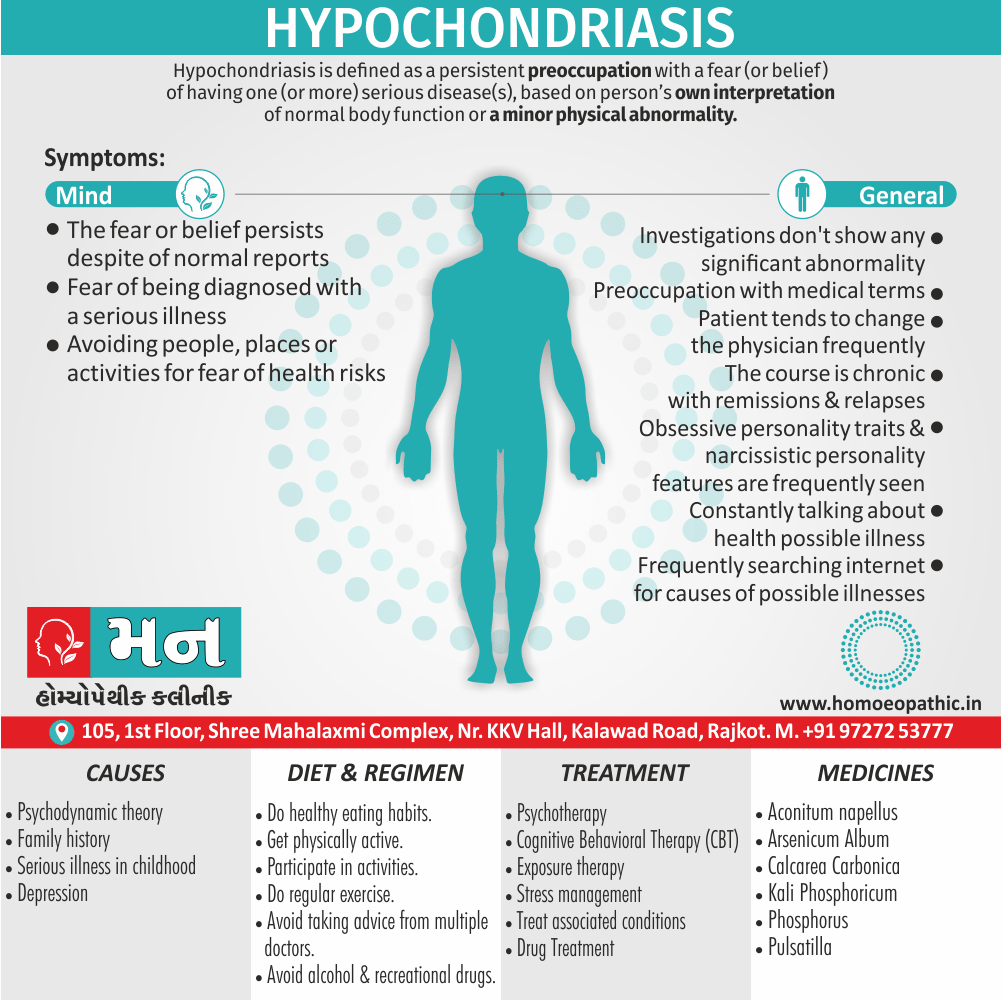
Illness Anxiety Disorder (IAD), formerly known as hypochondriasis, is characterized by a profound and often distressing preoccupation with having or acquiring a serious illness. This preoccupation is not necessarily about the physical symptoms themselves, but rather the fear of what those symptoms might signify. Individuals with IAD experience significant anxiety about their health, which can lead to considerable distress and impairment in their daily lives.
The Core of the Anxiety: Misinterpretation and Reassurance Seeking
At its heart, IAD involves the misinterpretation of normal bodily sensations or minor symptoms as evidence of severe disease. A slight headache might be perceived as a brain tumor, a fleeting stomachache as impending bowel cancer, or a minor skin irritation as a sign of a dangerous dermatological condition. This misinterpretation is fueled by a deep-seated fear and a heightened bodily vigilance.
This vigilance often leads to a cycle of reassurance-seeking. Individuals may repeatedly visit doctors, undergo numerous medical tests, and constantly search for information online to alleviate their fears. However, this reassurance is often short-lived, as new bodily sensations or anxieties emerge, perpetuating the cycle. The intense focus on health can detract from other important aspects of life, such as work, relationships, and hobbies, leading to significant social and occupational dysfunction.
Distinguishing IAD from Legitimate Health Concerns
It is crucial to differentiate IAD from legitimate concerns about one’s health. Individuals experiencing IAD often:
- Exaggerate Minor Symptoms: Normal bodily fluctuations are perceived as catastrophic.
- Focus on Disease Rather Than Symptoms: The worry is about having a specific disease, rather than the discomfort of the symptom itself.
- Persist Despite Reassurance: Even when medical professionals provide clear evidence that there is no serious illness, the anxiety remains.
- Engage in Excessive Health-Related Behaviors: This can include frequent doctor visits, obsessive self-examination, or excessive online research.
- Experience Significant Distress: The anxiety about illness is persistent and causes significant emotional suffering.
It’s important to note that IAD is not about “faking” an illness. The distress and anxiety experienced by individuals are very real, even if the underlying physical cause for their fears is not present.
The Digital Landscape and the Amplification of Health Anxiety
The rise of the internet has undeniably revolutionized access to information, including health-related content. While this offers immense benefits for genuine health concerns and education, it has also inadvertently created fertile ground for the exacerbation of Illness Anxiety Disorder. The accessibility and sheer volume of medical information online can empower and overwhelm individuals with health anxieties.
The Double-Edged Sword of Online Health Information
The “Dr. Google” Phenomenon: For individuals prone to health anxiety, the internet becomes a constant, readily available tool for self-diagnosis. A minor symptom, searched on Google, can quickly lead down a rabbit hole of terrifying possibilities. Algorithms designed to show relevant content can, in the context of anxiety, prioritize worst-case scenarios, amplifying fear and distress. This phenomenon, often dubbed “cyberchondria,” is a significant factor in the modern manifestation of IAD.
The Illusion of Control: Online resources can offer a sense of control for those who feel powerless against potential illness. However, this is often an illusion. The vastness of medical knowledge can be interpreted in ways that confirm pre-existing fears, rather than allaying them. The ability to constantly research and seek information can become an addictive behavior, further entrenching the cycle of anxiety.
Impact on Healthcare Seeking: While some individuals may delay seeking professional medical advice due to online research, others may use their online findings to confront their doctors with predetermined diagnoses, leading to frustration and a breakdown in the doctor-patient relationship. This can further isolate individuals and make them less likely to receive appropriate care.
Leveraging Technology for Better Health Management
Despite the challenges, technology also offers powerful tools for managing health anxiety and improving overall well-being.
Mental Health Apps and Digital Therapeutics: A growing number of mobile applications are designed to support mental health. These can include guided meditation and mindfulness exercises, cognitive behavioral therapy (CBT) techniques, mood tracking tools, and symptom journaling. These digital tools can provide accessible, on-demand support for individuals struggling with anxiety, helping them to develop coping mechanisms and reframe their thoughts.
Telehealth and Remote Monitoring: Telehealth services offer a more convenient and less intimidating way to connect with healthcare professionals. For individuals with IAD, this can reduce the anxiety associated with in-person appointments and the perceived stigma of seeking mental health support. Remote monitoring devices, such as wearable fitness trackers, can also provide objective data that, when used under the guidance of a healthcare provider, can help to contextualize bodily sensations and reduce anxiety driven by subjective interpretation.
Reputable Online Health Resources: While caution is advised, curated and reputable online health platforms can be valuable. Websites from established medical institutions, government health organizations, and well-vetted patient advocacy groups can provide accurate, evidence-based information. Learning to discern credible sources from unreliable ones is a crucial digital literacy skill for anyone managing health concerns, especially those prone to anxiety.
Personalized Digital Health Tools: AI-powered tools are beginning to offer personalized health insights. While these should never replace professional medical advice, they can help individuals understand general health trends, track healthy habits, and identify potential areas for discussion with their doctor. The key is to approach these tools with a critical and informed perspective, recognizing their limitations.
Financial Implications of Illness Anxiety Disorder
The impact of Illness Anxiety Disorder extends beyond emotional distress; it also carries significant financial burdens, both for the individual and for the healthcare system.
The Cost of Constant Reassurance
Medical Expenses: Individuals with IAD often incur substantial medical expenses. Frequent doctor visits, diagnostic tests, and specialist consultations, even when they reveal no underlying illness, add up rapidly. This can strain personal finances, leading to out-of-pocket costs, increased insurance premiums, and deductibles.
Lost Productivity: The pervasive anxiety and preoccupation with health can significantly impact an individual’s ability to work effectively. This can lead to reduced productivity, missed workdays, and even job loss, resulting in a loss of income. The mental energy consumed by health worries can leave little capacity for professional responsibilities.
Impact on Relationships and Lifestyle: The financial strain can also affect personal relationships and lifestyle choices. Reduced disposable income may necessitate cutting back on leisure activities, social engagements, and even essential needs. This can further exacerbate feelings of isolation and distress.
Navigating Financial Wellness with Health Anxiety
Managing the financial aspects of Illness Anxiety Disorder requires a multi-pronged approach, focusing on both practical financial planning and addressing the underlying anxiety.
Budgeting and Financial Planning: Creating a realistic budget is paramount. This involves meticulously tracking income and expenses, identifying areas where spending can be reduced, and prioritizing essential financial obligations. For those with IAD, this budget should also account for potential medical expenses, even if they are for reassurance-seeking behaviors.
Seeking Professional Financial Advice: A qualified financial advisor can provide invaluable guidance. They can help individuals develop a sound financial plan, explore investment opportunities, and create a strategy to manage debt. For those with IAD, a financial advisor can also help them understand the long-term financial consequences of their health-related spending and develop strategies to mitigate those risks.
Leveraging Financial Tools: Various financial tools can aid in managing money more effectively. Budgeting apps, expense trackers, and investment platforms can provide structure and insights. Online banking and digital payment systems can streamline financial transactions, reducing the need for time-consuming and potentially anxiety-inducing in-person visits to financial institutions.
Focusing on Preventative Financial Health: Just as one focuses on physical health, prioritizing “preventative financial health” is crucial. This includes building an emergency fund to cover unexpected expenses (including potential medical bills), regularly reviewing insurance coverage, and making regular contributions to savings and retirement accounts.
Addressing the Root Cause: Ultimately, the most effective way to manage the financial burden of IAD is to address the underlying anxiety. Seeking professional mental health support, such as therapy (particularly CBT), can help individuals develop coping mechanisms, challenge their anxious thoughts, and reduce their reliance on reassurance-seeking behaviors, thereby decreasing unnecessary medical and financial expenditures.
Conclusion: Towards a Balanced Approach
Illness Anxiety Disorder, or hypochondriasis, is a complex condition that has been profoundly shaped by the digital age. While the internet offers unprecedented access to health information, it can also be a catalyst for escalating anxiety for those prone to misinterpreting bodily sensations. However, technology also presents powerful solutions, from mental health apps to telehealth services, that can empower individuals to manage their anxiety more effectively.
Navigating the financial landscape of IAD requires a combination of astute financial planning and proactive engagement with mental health support. By understanding the financial implications and leveraging available resources, individuals can work towards a more balanced and less anxiety-ridden life. The journey from pervasive health worry to genuine well-being is often long, but with the right strategies, tools, and support, it is a path that can be successfully traversed.
aViewFromTheCave is a participant in the Amazon Services LLC Associates Program, an affiliate advertising program designed to provide a means for sites to earn advertising fees by advertising and linking to Amazon.com. Amazon, the Amazon logo, AmazonSupply, and the AmazonSupply logo are trademarks of Amazon.com, Inc. or its affiliates. As an Amazon Associate we earn affiliate commissions from qualifying purchases.