
Hypertension, commonly known as high blood pressure, is a pervasive health concern affecting millions worldwide. While the term itself might sound clinical, understanding its implications is crucial for everyone, especially in our increasingly interconnected and technology-driven lives. This article aims to demystify hypertension, exploring what it means for your health, how it’s managed, and how modern advancements in tech, branding, and even finance are playing a role in addressing this silent but significant condition.
Understanding the Basics: What is Hypertension?
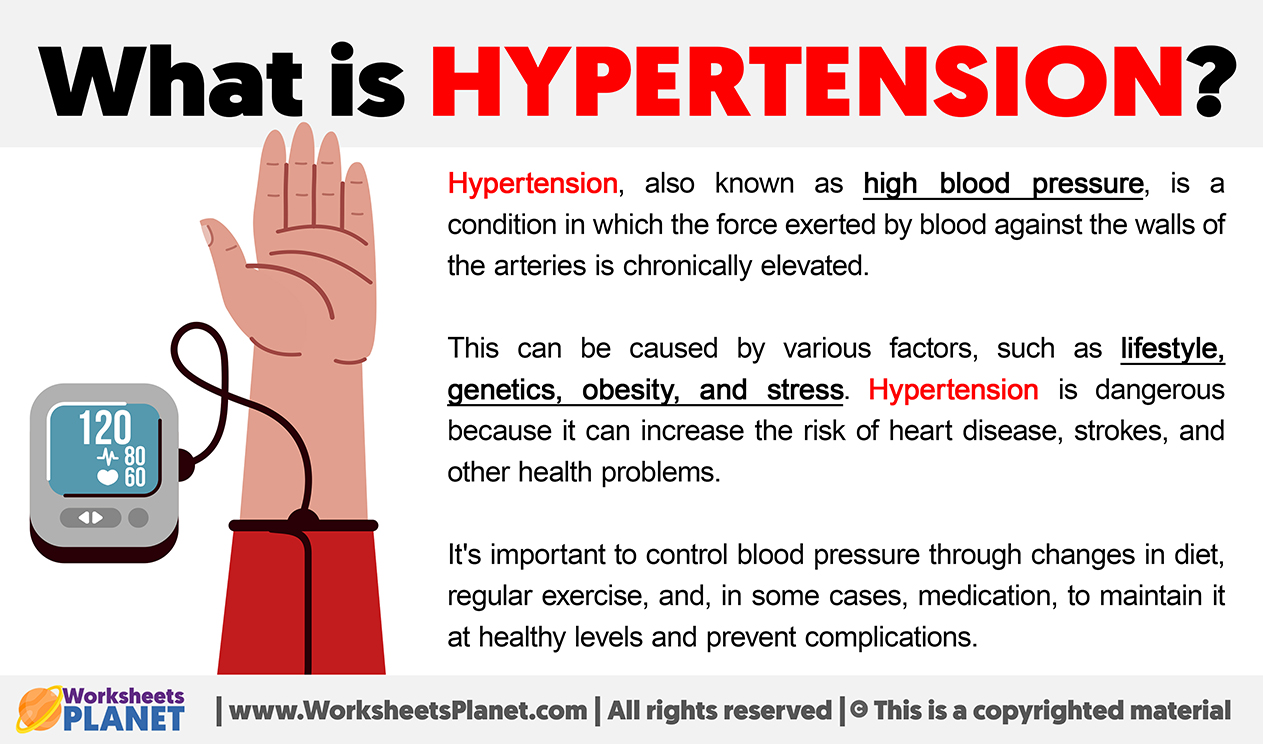
At its core, hypertension refers to a condition where the force of blood against your artery walls is consistently too high. Blood pressure is measured in millimeters of mercury (mm Hg) and is expressed as two numbers: systolic pressure (the top number) and diastolic pressure (the bottom number). Systolic pressure measures the pressure in your arteries when your heart beats, while diastolic pressure measures the pressure in your arteries when your heart rests between beats.

A blood pressure reading of 120/80 mm Hg is generally considered normal. However, hypertension is typically diagnosed when readings are consistently 130/80 mm Hg or higher. This elevated pressure forces your heart to work harder to pump blood, and over time, it can damage blood vessels and vital organs.
The Silent Killer: Why is Hypertension a Concern?
Hypertension is often dubbed the “silent killer” because it rarely presents with obvious symptoms, especially in its early stages. Many people live with high blood pressure for years without realizing it, unaware of the silent damage it’s inflicting on their bodies. This lack of early warning signs makes regular blood pressure checks all the more vital.
The long-term consequences of untreated hypertension can be severe and far-reaching. These include:
- Heart Disease: High blood pressure is a major risk factor for heart attacks, heart failure, and other cardiovascular diseases. The constant strain on the heart can lead to thickening and weakening of the heart muscle.
- Stroke: Damaged blood vessels in the brain are more prone to blockages or ruptures, leading to strokes.
- Kidney Disease: The kidneys play a crucial role in filtering waste from the blood. Hypertension can damage the delicate blood vessels in the kidneys, impairing their function and potentially leading to kidney failure.
- Vision Loss: High blood pressure can damage the blood vessels in the eyes, leading to vision problems, including blindness.
- Peripheral Artery Disease (PAD): This condition affects blood flow to the limbs, particularly the legs, causing pain and increasing the risk of infections and amputations.
- Aneurysms: The sustained high pressure can weaken artery walls, leading to bulges or aneurysms, which can be life-threatening if they rupture.
- Cognitive Decline: Emerging research suggests a link between hypertension and an increased risk of dementia and cognitive impairment.
Factors Contributing to Hypertension
Hypertension is often multifactorial, meaning it can be influenced by a combination of genetics, lifestyle, and environmental factors.
Lifestyle Factors
- Diet: A diet high in sodium, saturated fats, and cholesterol, and low in fruits, vegetables, and whole grains, can contribute to high blood pressure.
- Physical Inactivity: Lack of regular exercise can lead to weight gain and weakened cardiovascular health, both of which are risk factors for hypertension.
- Obesity: Being overweight or obese puts extra strain on the heart and blood vessels.
- Smoking: Nicotine in cigarettes narrows blood vessels, increasing blood pressure and damaging artery walls.
- Excessive Alcohol Consumption: Heavy drinking can raise blood pressure significantly.
- Stress: Chronic stress can lead to temporary spikes in blood pressure, and over time, can contribute to sustained hypertension.
- Sleep Apnea: This sleep disorder, characterized by pauses in breathing during sleep, is strongly linked to hypertension.
Genetic and Other Factors
- Age: The risk of hypertension increases with age, as arteries tend to become stiffer.
- Family History: Having a family history of high blood pressure increases your genetic predisposition.
- Race: Certain racial groups, such as African Americans, tend to develop hypertension at younger ages and often have more severe forms of the condition.
- Underlying Medical Conditions: Conditions like diabetes, kidney disease, and thyroid problems can contribute to secondary hypertension.
Managing Hypertension: A Multifaceted Approach
The good news is that hypertension is largely manageable. A proactive approach involving lifestyle modifications and, when necessary, medication can significantly lower blood pressure and reduce the risk of complications.
Lifestyle Modifications: The Foundation of Management
The cornerstone of hypertension management often lies in adopting healthier lifestyle habits. These changes can be highly effective, and for some individuals, they may even be enough to bring blood pressure within a healthy range without medication.
-
Dietary Changes:
- Reduce Sodium Intake: Aim for less than 2,300 milligrams of sodium per day, or even less (1,500 mg) if recommended by your doctor. This means cutting back on processed foods, fast food, and adding less salt to your meals.
- Embrace Fruits and Vegetables: These are rich in potassium, magnesium, and fiber, which can help lower blood pressure. The Dietary Approaches to Stop Hypertension (DASH) eating plan is a well-researched and effective dietary pattern for managing hypertension.
- Choose Healthy Fats: Opt for monounsaturated and polyunsaturated fats found in olive oil, avocados, nuts, and seeds, while limiting saturated and trans fats.
- Limit Red Meat and Processed Meats: These are often high in saturated fat and sodium.
- Choose Whole Grains: Opt for brown rice, whole wheat bread, and oats over refined grains.
-
Regular Physical Activity: Aim for at least 150 minutes of moderate-intensity aerobic activity or 75 minutes of vigorous-intensity aerobic activity per week, along with muscle-strengthening activities at least two days a week. Activities like brisk walking, jogging, swimming, cycling, and dancing are excellent choices.
-
Maintain a Healthy Weight: Losing even a small amount of weight can make a significant difference in blood pressure. A target of a body mass index (BMI) between 18.5 and 24.9 is generally considered healthy.
-
Quit Smoking: This is one of the most impactful steps you can take for your overall health, including blood pressure control.
-
Limit Alcohol Intake: If you drink alcohol, do so in moderation. This means up to one drink per day for women and up to two drinks per day for men.
-
Manage Stress: Incorporate stress-reducing techniques into your daily routine, such as meditation, yoga, deep breathing exercises, spending time in nature, or engaging in hobbies.
-
Ensure Adequate Sleep: Aim for 7-9 hours of quality sleep per night. If you suspect sleep apnea, seek medical evaluation and treatment.
Medical Interventions: When Lifestyle Isn’t Enough
For many, lifestyle modifications alone may not be sufficient to achieve and maintain healthy blood pressure levels. In such cases, healthcare professionals will often prescribe antihypertensive medications. There are various classes of medications available, each working in different ways to lower blood pressure. Your doctor will determine the most appropriate medication or combination of medications based on your individual health profile, the severity of your hypertension, and other existing medical conditions.
- Diuretics: These medications help your body eliminate excess sodium and water, reducing blood volume.
- Beta-Blockers: They reduce the workload on the heart and widen blood vessels.
- ACE Inhibitors and ARBs: These medications block the production or action of substances that narrow blood vessels.
- Calcium Channel Blockers: They relax blood vessels by preventing calcium from entering muscle cells.
- Alpha-Blockers: These medications relax certain muscles and help small blood vessels remain open.
It is crucial to take prescribed medications exactly as directed and to attend regular follow-up appointments with your doctor to monitor your blood pressure and adjust treatment as needed.
The Role of Technology in Hypertension Management
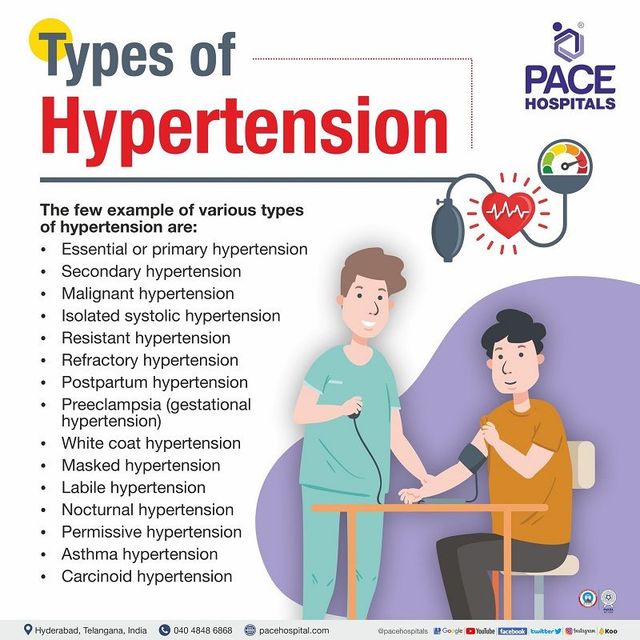
The technological landscape is rapidly evolving, and this has significant implications for how we understand, monitor, and manage chronic conditions like hypertension. From smart gadgets to AI-powered insights, technology is empowering individuals and healthcare providers alike.
Smart Devices for Monitoring and Tracking
The proliferation of wearable technology and smart home devices has revolutionized personal health monitoring. For individuals with hypertension, this means:
- Connected Blood Pressure Monitors: Many modern blood pressure cuffs connect wirelessly to smartphones or tablets. This allows for automatic logging of readings, easy tracking of trends over time, and seamless sharing of data with healthcare providers. Some devices even offer insights into potential patterns or anomalies.
- Wearable Fitness Trackers: While not directly measuring blood pressure, these devices can track activity levels, sleep patterns, and heart rate, all of which are vital indicators for overall cardiovascular health and can indirectly inform hypertension management.
- Health Apps: Numerous mobile applications are designed to help users log their blood pressure readings, track medication adherence, set reminders, and access educational resources about hypertension. Some apps use gamification to encourage healthy habits.
AI and Machine Learning in Diagnostics and Treatment
Artificial intelligence (AI) and machine learning (ML) are poised to transform hypertension management in several key areas:
- Predictive Analytics: AI algorithms can analyze vast datasets of patient information, including genetic predispositions, lifestyle factors, and medical history, to predict an individual’s risk of developing hypertension or experiencing complications. This allows for earlier intervention and personalized prevention strategies.
- Personalized Treatment Plans: By analyzing individual patient data, AI can help clinicians identify the most effective treatment regimens, including optimal medication choices and dosages, and tailor lifestyle recommendations.
- Remote Patient Monitoring: AI-powered platforms can analyze data from connected devices in real-time, alerting healthcare providers to concerning trends or critical readings, enabling timely interventions and reducing the need for frequent in-person visits.
- Drug Discovery and Development: AI is accelerating the process of identifying new drug targets and developing novel antihypertensive medications.
Digital Security and Data Privacy in Health Tech
As we embrace the convenience of health-related technologies, ensuring the security and privacy of our personal health information is paramount. The increasing use of apps, wearables, and online platforms means that sensitive data is being collected and transmitted.
- Secure Data Transmission: It’s vital for users to ensure that the devices and apps they use employ robust encryption protocols to protect data during transmission.
- Privacy Policies: Understanding the privacy policies of health apps and connected device manufacturers is crucial. Users should be aware of what data is collected, how it is used, and with whom it is shared.
- Strong Passwords and Authentication: Employing strong, unique passwords and enabling two-factor authentication for health accounts adds an essential layer of security.
- Regular Software Updates: Keeping device firmware and app software updated is critical, as updates often include crucial security patches.
Branding and Awareness: Communicating the Importance of Hypertension Management
Effective communication and strategic branding are vital in raising public awareness about hypertension and encouraging proactive health management. This extends beyond public health campaigns to encompass how healthcare providers and technology companies present information and services.
Personal and Corporate Branding in Health
- Healthcare Provider Branding: Hospitals, clinics, and individual physicians often build their brand around trust, expertise, and patient-centered care. Highlighting their commitment to managing chronic conditions like hypertension, offering innovative treatment options, and providing accessible educational resources can attract and retain patients.
- Health Tech Company Branding: Companies developing health apps, wearables, and AI solutions need to build a brand that conveys reliability, user-friendliness, and scientific backing. Testimonials, case studies demonstrating positive outcomes, and endorsements from reputable medical professionals can bolster their brand reputation.
- Personal Branding for Health Advocates: Individuals who have successfully managed their hypertension or are passionate about raising awareness can use personal branding to share their stories, educate others, and build a community. This can involve social media presence, blogging, or public speaking.
Marketing and Design for Health Information
The way health information is presented significantly influences its impact:
- Clear and Accessible Language: Health content, especially regarding complex conditions like hypertension, needs to be communicated in clear, easy-to-understand language, avoiding excessive medical jargon.
- Visually Appealing Design: Infographics, well-designed websites, and engaging video content can make health information more digestible and memorable. The use of color, layout, and imagery should be professional and trustworthy.
- Targeted Messaging: Marketing campaigns should be tailored to specific demographics, addressing their unique concerns and cultural contexts. For example, messaging for younger adults might focus on long-term prevention, while messaging for older adults might emphasize managing existing conditions.
- Case Studies and Success Stories: Showcasing real-life examples of individuals who have successfully managed their hypertension through lifestyle changes or medical interventions can be incredibly motivating and effective.
Reputation Management in the Health Sector
Maintaining a strong reputation is paramount in the healthcare industry. For organizations involved in hypertension management:
- Patient Testimonials and Reviews: Positive patient feedback is a powerful form of social proof. Actively encouraging and showcasing testimonials can build trust.
- Transparency and Ethical Practices: Adhering to strict ethical guidelines in research, marketing, and patient care is fundamental to building and maintaining a positive reputation.
- Responding to Feedback: Promptly and professionally addressing any negative feedback or concerns can demonstrate a commitment to continuous improvement and customer satisfaction.
Financial Considerations in Hypertension Management
Managing hypertension, like any chronic health condition, has financial implications. Understanding these aspects can help individuals plan and make informed decisions about their healthcare.
Personal Finance and Healthcare Costs
- Medication Costs: Antihypertensive medications can be a significant ongoing expense. Individuals should explore options like generic alternatives, patient assistance programs, and comparing prices at different pharmacies.
- Doctor’s Visits and Tests: Regular check-ups, blood pressure monitoring, and diagnostic tests all contribute to healthcare costs. Understanding your insurance coverage, including co-pays and deductibles, is essential.
- Healthy Lifestyle Investments: While seemingly an added expense, investing in healthier food choices, gym memberships, or fitness equipment can lead to long-term savings by preventing more costly health issues down the line.
Investing in Health and Well-being
Viewing health as an investment, rather than just an expense, is a crucial mindset shift.
- Health Savings Accounts (HSAs) and Flexible Spending Accounts (FSAs): These tax-advantaged accounts can be used to pay for eligible medical expenses, including prescription drugs and doctor visits related to hypertension.
- Insurance Coverage: Ensuring you have adequate health insurance that covers preventive care, specialist visits, and prescription medications is fundamental.
Business Finance and Health Tech Innovation
The growing market for hypertension management solutions presents significant opportunities for businesses.
- Venture Capital and Investment: Companies developing innovative diagnostic tools, treatment platforms, and digital health solutions for hypertension attract considerable investment from venture capitalists and other financial institutions. This funding fuels research, development, and market expansion.
- Market Opportunities: The global burden of hypertension creates a sustained demand for effective management strategies, offering a substantial market for pharmaceutical companies, medical device manufacturers, and digital health startups.
- Return on Investment (ROI) in Employee Health: Companies that invest in workplace wellness programs, including initiatives to manage employee hypertension, often see a positive ROI through reduced healthcare costs, decreased absenteeism, and increased productivity.
In conclusion, hypertension is a serious but manageable condition. By understanding its causes, embracing a healthy lifestyle, utilizing available medical treatments, and leveraging the power of modern technology, individuals can effectively control their blood pressure and lead healthier, longer lives. The interconnectedness of technology, strategic communication, and financial planning plays an increasingly vital role in this ongoing endeavor.
aViewFromTheCave is a participant in the Amazon Services LLC Associates Program, an affiliate advertising program designed to provide a means for sites to earn advertising fees by advertising and linking to Amazon.com. Amazon, the Amazon logo, AmazonSupply, and the AmazonSupply logo are trademarks of Amazon.com, Inc. or its affiliates. As an Amazon Associate we earn affiliate commissions from qualifying purchases.