
In today’s world, where technology seamlessly integrates into our daily lives, understanding the function and benefits of various gadgets has become increasingly important. Beyond the flashy smartphones and powerful laptops, there exists a category of devices dedicated to enhancing our well-being and comfort in subtle yet significant ways. Among these, the humidifier stands out as a remarkably useful piece of technology, often overlooked but crucial for maintaining optimal indoor environments.
While the title “What is a Humidifier?” might seem straightforward, delving into its functionality, types, and the myriad benefits it offers reveals a complex interplay of engineering, health science, and even a touch of smart living. This article aims to demystify the humidifier, exploring its core purpose, the different technological approaches it employs, and how it contributes to our overall health and productivity, drawing parallels to the broader themes of technology trends, personal well-being, and even financial considerations.
The Core Function: Combating Dry Air
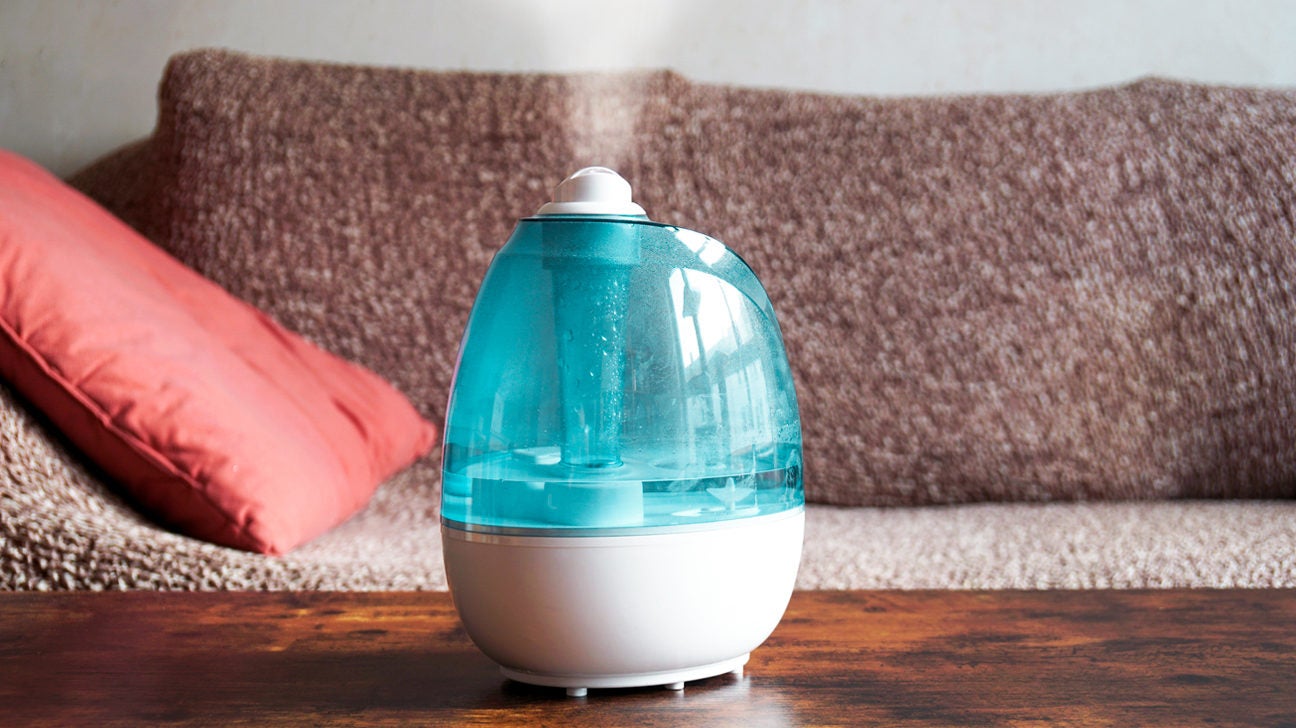
At its most fundamental level, a humidifier is a device designed to increase the level of humidity – the amount of water vapor – in the air within a enclosed space. This might sound simple, but the impact of dry air on our lives is far-reaching.
Why Does Dry Air Matter?
Our bodies and many of our possessions are highly sensitive to the moisture content in the air. When the air becomes too dry, typically due to heating systems in winter or arid climates, a cascade of issues can arise:
- Respiratory Discomfort: Dry air can irritate your nasal passages, throat, and lungs, leading to a dry cough, sore throat, and increased susceptibility to colds and flu. The mucus membranes, which act as a natural defense against pathogens, dry out and become less effective.
- Skin and Hair Problems: Your skin can become dry, itchy, and flaky, and your hair can lose its luster and become brittle. This is especially noticeable during prolonged periods indoors with artificial heating.
- Eye Irritation: Dry eyes can lead to discomfort, redness, and a gritty sensation, making it difficult to focus, especially for those who spend long hours in front of screens.
- Static Electricity: The dreaded static shocks are a direct consequence of dry air. This not only can be startling but can also damage sensitive electronic components.
- Damage to Furnishings: Wood furniture, musical instruments, and even books can be negatively affected by extremely dry air, leading to warping, cracking, and deterioration.
A humidifier actively combats these issues by releasing a fine mist of water into the air, raising the relative humidity to a more comfortable and healthier range, typically between 30% and 50%.
Technological Approaches to Humidification
The “Tech” aspect of our discussion comes to the forefront when we examine the various ways humidifiers achieve their goal. While the underlying principle is simple, the execution involves different technological mechanisms, each with its own advantages and considerations.
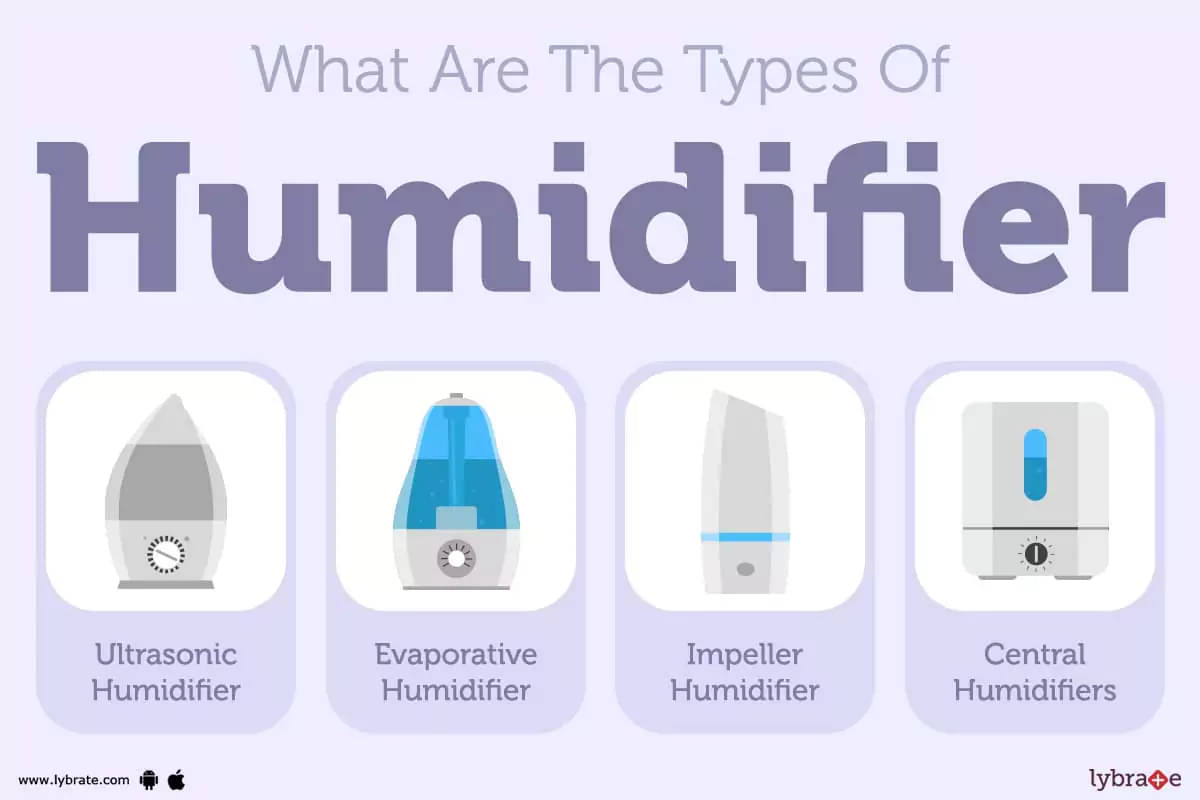
1. Evaporative Humidifiers: The Natural Approach
Evaporative humidifiers are one of the oldest and most straightforward types. They work by drawing dry air through a wet wick filter.
- Mechanism: A fan pulls air from the room and blows it across a saturated wick. As the air passes over the wet surface, water evaporates naturally, adding moisture to the air that is then released back into the room.
- Advantages: They are generally energy-efficient, self-regulating (they won’t over-humidify the air beyond a certain point as evaporation slows down with increased humidity), and less prone to releasing mineral dust into the air compared to some other types.
- Considerations: The wick filter needs regular replacement to prevent mold and bacteria growth and to maintain efficiency. They can also be slightly noisier due to the fan.
2. Ultrasonic Humidifiers: The Quiet Whisper
Ultrasonic humidifiers employ a high-frequency vibrating diaphragm to break water into microscopic droplets, creating a fine mist.
- Mechanism: A metal diaphragm vibrates at an ultrasonic frequency, causing the water in the tank to break into tiny droplets. A small fan then pushes this cool mist into the room.
- Advantages: They are exceptionally quiet, making them ideal for bedrooms and nurseries. They are also very energy-efficient. Many models offer adjustable mist output.
- Considerations: If you use tap water, the minerals present can be released into the air as a fine white dust (though this is mostly cosmetic and harmless). Using distilled or demineralized water is often recommended to prevent this. Regular cleaning is essential to prevent bacterial growth.
3. Steam Humidifiers (Warm Mist): The Sanitizing Powerhouse
Steam humidifiers, also known as warm mist humidifiers, heat water to boiling point and release steam into the air.
- Mechanism: A heating element boils the water in the tank, creating steam which is then released into the room.
- Advantages: The boiling process kills most bacteria and mold present in the water, making the emitted mist more sanitary. The warm mist can also feel more comforting in cold weather and can help to open up airways.
- Considerations: They consume more energy due to the heating element. The hot steam can pose a burn risk, making them less ideal for homes with young children or pets. They can also be noisier due to the boiling process.
4. Impeller Humidifiers: The Diffuser Alternative
Impeller humidifiers use a rotating disc to fling water at a diffuser, which breaks it into fine droplets.
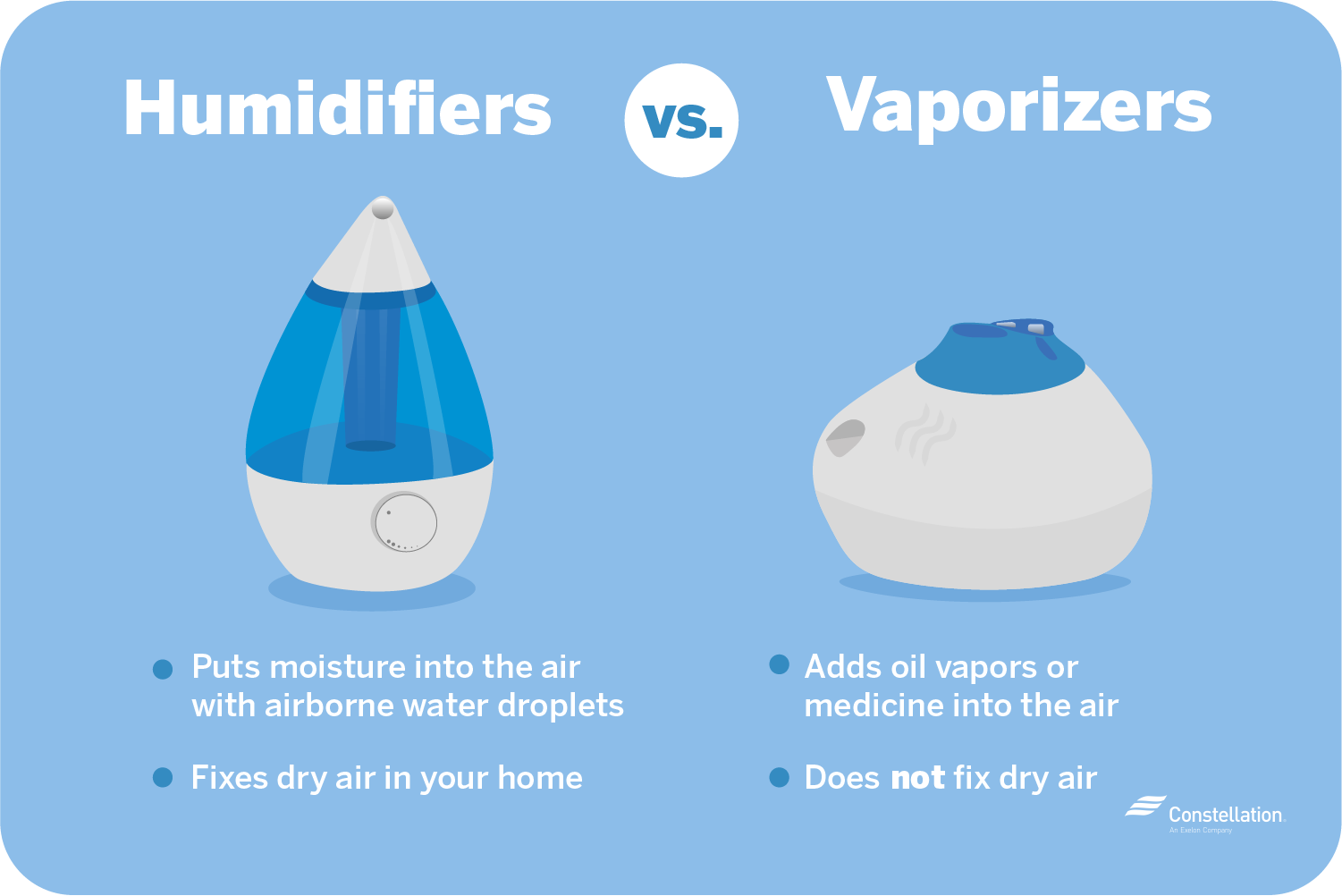
- Mechanism: A rotating disc draws water from the tank and flings it against a diffuser screen, creating a cool mist.
- Advantages: They are generally safe as they don’t use heat and are typically less expensive than ultrasonic models.
- Considerations: They can be a bit noisier than ultrasonic humidifiers and, like other cool mist types, require regular cleaning to prevent microbial growth. They can also produce white dust if tap water is used.
Humidifiers as a Tech Gadget for Productivity and Brand Wellbeing
The “Tech” umbrella also encompasses how these devices integrate into our digital lives and contribute to our overall sense of well-being, which in turn can impact our “Brand” – both personal and professional.
Smart Humidifiers and Connectivity
The evolution of technology has brought us “smart” humidifiers. These devices often connect to your home Wi-Fi and can be controlled via a smartphone app.
- App Control: You can adjust mist settings, schedule operation times, monitor humidity levels, and even receive maintenance alerts directly from your phone.
- Integration with Smart Home Systems: Some smart humidifiers can be integrated with platforms like Amazon Alexa or Google Assistant, allowing for voice control.
- Data and Insights: Advanced models might track your home’s humidity over time, providing data that can inform your decisions about HVAC usage and overall environmental control.
This level of integration transforms a simple appliance into a data-driven tool that contributes to a more comfortable and controlled living or working environment. For professionals working from home, a consistently comfortable environment can lead to enhanced focus, reduced fatigue, and ultimately, improved productivity.
The “Brand” of a Healthy Environment
Consider the concept of “Personal Branding.” While often associated with outward appearances and online presence, your personal brand is also deeply connected to your well-being. When you feel physically comfortable and healthy, you exude more confidence and energy. A humidifier, by mitigating the negative effects of dry air, contributes to this fundamental aspect of personal well-being.
Similarly, for businesses, creating a healthy and comfortable environment for employees contributes to their overall well-being and can positively impact morale, productivity, and even customer experience if the environment is customer-facing. A well-humidified office can reduce sick days and create a more pleasant atmosphere, indirectly bolstering the company’s “Corporate Identity” and “Reputation” as a caring and thoughtful organization.
Financial Considerations of Humidifier Use
While the primary focus of a humidifier is health and comfort, there are “Money” related aspects to consider, both in terms of initial investment and ongoing costs, as well as the potential for savings.
Initial Investment and Long-Term Value
Humidifiers range in price from under $50 for basic models to several hundred dollars for advanced smart humidifiers. The initial cost is a factor, but it’s important to weigh this against the long-term benefits.
- Health Savings: By reducing the incidence of colds, flu, and dry skin issues, a humidifier can potentially lead to fewer doctor’s visits and medication costs.
- Preserving Valuables: For those who own valuable wooden furniture, musical instruments, or extensive book collections, a humidifier can act as a protective measure, preventing costly damage and repairs.
- Energy Efficiency: While some types consume more power than others, modern humidifiers are becoming increasingly energy-efficient. The cost of running a humidifier is generally modest compared to the benefits it provides.
Ongoing Costs and Smart Financial Management
Beyond the initial purchase, there are ongoing costs associated with owning a humidifier:
- Electricity: The power consumption varies by type and usage.
- Replacement Filters/Wicks: For evaporative models, these are a recurring expense.
- Distilled Water: If you opt for distilled water to avoid mineral dust, this is an ongoing purchase.
- Cleaning Supplies: Regular cleaning is essential for hygiene.
Smart financial management involves choosing a humidifier that suits your needs and budget, considering the long-term running costs, and implementing good maintenance practices to ensure its longevity and efficiency. For instance, a slightly more expensive but energy-efficient model might prove more cost-effective over time.
Conclusion: The Unsung Hero of Indoor Comfort
In conclusion, a humidifier is far more than just a simple appliance; it’s a technological solution designed to address a fundamental aspect of our indoor environment: air quality. From the basic need to alleviate dry air discomfort to its integration into smart home ecosystems and its subtle impact on our personal and professional brands, the humidifier plays a crucial role in enhancing our health, comfort, and overall well-being.
By understanding the different technological approaches, the benefits they offer, and the financial considerations involved, we can make informed decisions about incorporating this essential gadget into our lives. Whether you’re a tech enthusiast, a health-conscious individual, or someone looking to optimize your living or working space, a humidifier is an investment in a more comfortable, productive, and healthier future. It’s a testament to how even seemingly simple technology can have a profound and positive impact on our daily lives, making it a true unsung hero of indoor comfort.
aViewFromTheCave is a participant in the Amazon Services LLC Associates Program, an affiliate advertising program designed to provide a means for sites to earn advertising fees by advertising and linking to Amazon.com. Amazon, the Amazon logo, AmazonSupply, and the AmazonSupply logo are trademarks of Amazon.com, Inc. or its affiliates. As an Amazon Associate we earn affiliate commissions from qualifying purchases.