
The human papillomavirus (HPV) represents a pervasive group of viruses, some strains of which are unequivocally linked to various forms of cancer. While the core medical understanding of HPV cancer remains foundational, the contemporary landscape of our battle against these malignancies is profoundly shaped by an accelerating wave of technological innovation. To truly comprehend “what is HPV cancer” in the 21st century is to appreciate the sophisticated technological ecosystems that enable its early detection, facilitate effective prevention, and refine targeted treatment strategies. This article will delve into the technological frontier that defines our approach to HPV-related cancers, transforming how we identify, mitigate, and increasingly, overcome this global health challenge through a purely technological lens.
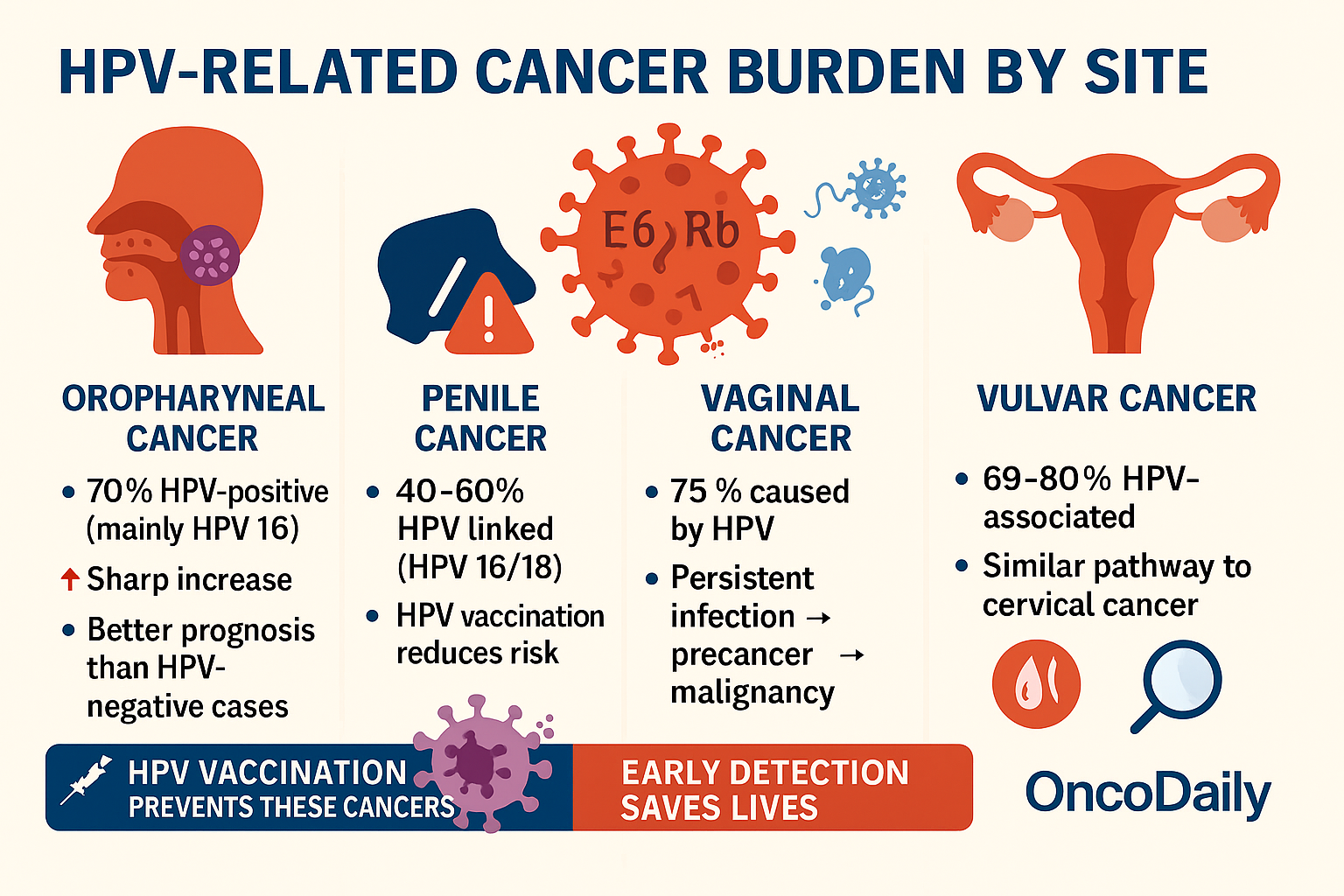
Diagnostic Innovations: Unmasking HPV-Related Cancers with Precision
The precision and accessibility of HPV cancer diagnostics have been revolutionized by technological breakthroughs. Moving beyond traditional methods, modern techniques leverage advanced molecular science and artificial intelligence to offer unprecedented accuracy and speed.
Advanced Molecular Testing
At the forefront of diagnostic innovation are molecular testing methods that directly detect the presence of high-risk HPV DNA or RNA. Technologies like Polymerase Chain Reaction (PCR) and next-generation sequencing have become indispensable tools. PCR amplification allows for the detection of even minute quantities of viral genetic material, identifying specific oncogenic HPV types long before cellular changes become evident. DNA sequencing provides detailed genetic profiles, helping researchers understand viral evolution and resistance patterns. Furthermore, RNA testing for viral oncogenes (E6/E7) offers even greater specificity for identifying clinically significant infections that are actively driving cellular transformation, differentiating transient infections from those poised for progression. These technologies significantly enhance the accuracy and reliability of screening programs, such as those for cervical cancer, allowing for earlier intervention and improved patient outcomes by pinpointing the exact viral culprits.
Artificial Intelligence in Pathology
Artificial intelligence (AI) is rapidly transforming diagnostic pathology, particularly in the interpretation of complex cellular and tissue samples related to HPV-associated cancers. AI-powered image analysis systems can scrutinize stained slides (e.g., Pap tests, biopsies) with a speed and consistency that surpasses human capabilities, flagging suspicious cells or regions for pathologist review. Machine learning algorithms are trained on vast datasets of cancer and non-cancer images, learning to identify subtle morphological changes indicative of dysplasia or malignancy. This not only enhances diagnostic accuracy and reduces inter-observer variability but also significantly accelerates the diagnostic workflow, allowing pathologists to focus on the most challenging cases. AI also holds promise in predictive analytics, using a combination of imaging data, patient history, and molecular markers to forecast cancer progression and treatment response.
Non-Invasive Screening Technologies
Technology is also driving the development of more accessible and less invasive screening methods, democratizing early detection. Self-sampling kits, for instance, allow individuals to collect their own vaginal or anal samples in privacy, which can then be sent to a lab for HPV DNA testing. This innovation is particularly impactful in overcoming cultural barriers, geographic limitations, and discomfort associated with clinical examinations, thereby increasing screening participation rates globally. Beyond self-sampling, advancements in liquid biopsies are exploring the detection of circulating tumor DNA (ctDNA) or circulating HPV DNA in blood plasma as a potential non-invasive method for both early detection and monitoring of HPV-related cancers. Point-of-care diagnostics, leveraging microfluidics and rapid molecular detection technologies, are also emerging, offering quick and actionable results in resource-limited settings.
Proactive Defense: The Technology Behind HPV Vaccination and Prevention
The monumental success of HPV vaccines stands as a testament to biotechnological ingenuity. Concurrently, digital technologies are playing an increasingly critical role in disseminating information and encouraging widespread adoption of preventative measures.
Next-Generation Vaccine Development
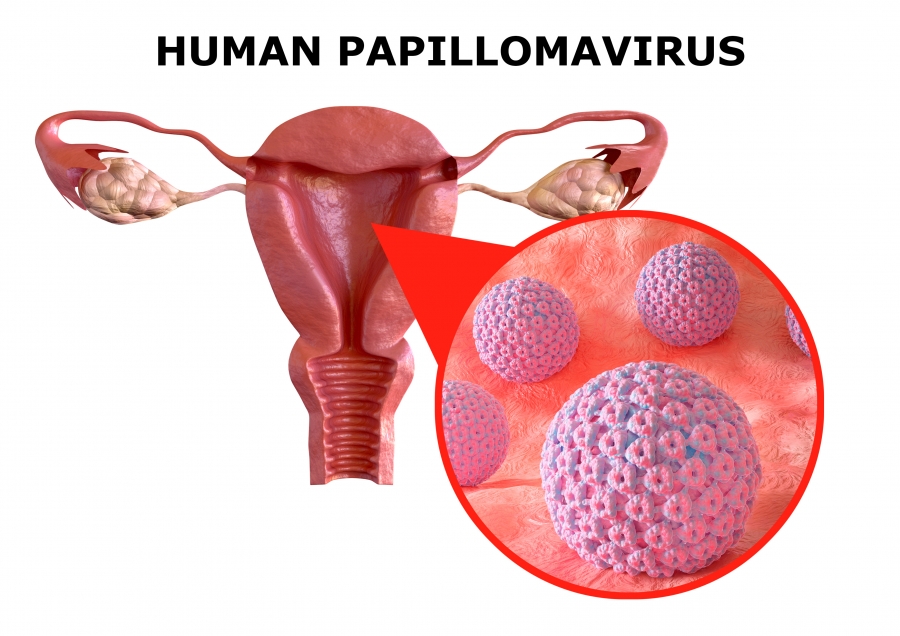
The HPV vaccine itself is a triumph of bioengineering. Utilizing virus-like particle (VLP) technology, these vaccines contain no live virus or viral DNA, eliminating any risk of infection while effectively stimulating a robust immune response. VLPs are empty protein shells that mimic the outer coat of the virus, tricking the body into producing protective antibodies. Ongoing research focuses on developing next-generation vaccines that cover an even broader spectrum of oncogenic HPV types, potentially offering universal protection. Advancements in vaccine delivery systems, stability, and manufacturing processes continually aim to improve efficacy, reduce costs, and enhance global accessibility, particularly for low-income countries where the burden of HPV-related cancers is highest. The technological sophistication behind these prophylactic vaccines has fundamentally altered the trajectory of HPV cancer prevention.
Digital Health Platforms for Awareness and Uptake
Technology extends beyond vaccine creation to its effective deployment. Digital health platforms are pivotal in public health campaigns aimed at increasing HPV vaccination rates and general awareness. Mobile applications provide personalized reminders for vaccine schedules, disseminate reliable information about HPV and cancer prevention, and connect users with local vaccination centers. Telehealth platforms enable remote consultations with healthcare providers, allowing individuals to discuss their concerns about vaccination from the comfort of their homes. Social media analytics help public health agencies tailor messages to specific demographics, combat misinformation, and identify communication strategies that resonate most effectively. Gamification elements within apps can incentivize participation in health screenings or educational modules, making critical health information more engaging and accessible, particularly for younger demographics targeted by vaccination programs.
Telemedicine and Remote Consultation
Telemedicine has emerged as a crucial technological tool in expanding access to expert advice and screening guidance, especially in underserved regions. For HPV cancer prevention, this means individuals in rural or remote areas can consult with specialists without the need for extensive travel. Remote consultations can facilitate discussions about HPV vaccination, provide counseling regarding abnormal screening results, and offer follow-up advice. Digital imaging and data sharing technologies allow specialists to review pathology slides or colposcopy images remotely, ensuring that diagnostic expertise is not confined by geographical boundaries. This technological integration helps bridge gaps in healthcare access, ensuring more equitable distribution of preventative and diagnostic services related to HPV.
Targeted Therapeutics: Leveraging Technology for Treatment
For those diagnosed with HPV-related cancers, technological advancements are driving the development of more precise, less invasive, and highly effective treatment modalities. These innovations span from advanced biotechnologies to sophisticated medical devices.
Immunotherapy and Gene Editing
The landscape of cancer treatment has been dramatically reshaped by immunotherapies, which harness the body’s own immune system to fight cancer. For HPV-driven cancers, this often involves technologies like checkpoint inhibitors, which block proteins that prevent T-cells from attacking cancer cells. Another frontier is the development of therapeutic HPV vaccines designed to treat existing infections or cancers by stimulating an immune response against HPV-infected cells. Furthermore, revolutionary gene-editing technologies like CRISPR-Cas9 offer the potential to precisely modify the genetic material of cancer cells, including targeting the HPV viral genes integrated into the host genome. While still largely experimental for HPV cancers, CAR T-cell therapies—where a patient’s T-cells are genetically engineered to recognize and destroy cancer cells—are also being explored, representing a highly personalized and technologically intensive approach to treatment. Oncolytic viruses, genetically modified to selectively replicate in and destroy cancer cells while sparing healthy ones, also represent a promising biotechnological therapeutic avenue.
Precision Radiation Oncology and Robotics
In radiation oncology, technology has ushered in an era of unprecedented precision. Image-Guided Radiotherapy (IGRT) uses advanced imaging techniques (e.g., CT, MRI) taken during the treatment course to precisely target tumors and minimize damage to surrounding healthy tissues. Intensity-Modulated Radiotherapy (IMRT) further refines this by shaping radiation beams to conform to the three-dimensional shape of the tumor, delivering varying doses to different parts of the target volume. Robotic surgery, exemplified by systems like the da Vinci Surgical System, allows surgeons to perform complex procedures for HPV-related cancers (e.g., head and neck, cervical) with enhanced dexterity, precision, and visualization. These minimally invasive techniques result in smaller incisions, reduced blood loss, shorter hospital stays, and quicker recovery times, significantly improving patient quality of life post-surgery.
Drug Discovery and Computational Biology
The journey from a novel molecular target to an effective drug is long and arduous, but computational biology and AI are accelerating this process. AI algorithms can analyze vast chemical libraries and biological data to predict potential drug candidates that interact with specific proteins or pathways involved in HPV-driven carcinogenesis. Machine learning models can simulate drug-target interactions, optimize molecular structures, and predict drug efficacy and toxicity with remarkable speed. This “in silico” drug discovery process drastically reduces the time and cost associated with traditional pharmaceutical research. Furthermore, computational biology contributes to personalized medicine by analyzing individual patient genomic and proteomic data to recommend therapies most likely to be effective for their specific tumor profile, including those driven by HPV.
The Data Frontier: Big Data, AI, and Public Health Strategies
Beyond individual patient care, big data analytics and AI are reshaping our understanding of HPV epidemiology and informing large-scale public health interventions.
Epidemiological Tracking and Predictive Modeling
Leveraging vast datasets from population registries, public health surveys, and clinical records, big data analytics provides critical insights into HPV prevalence, transmission patterns, and the incidence of HPV-related cancers. AI and machine learning models can process this information to identify trends, predict future outbreaks or shifts in viral strains, and model the impact of vaccination programs. This predictive modeling helps public health agencies allocate resources effectively, refine intervention strategies, and anticipate future healthcare needs, ensuring a more proactive rather than reactive approach to HPV control.
AI-Driven Risk Assessment
AI is enabling more sophisticated risk assessment models that go beyond traditional demographic factors. By integrating diverse data inputs—including genetic markers, lifestyle factors, environmental exposures, and viral load—AI algorithms can identify individuals or populations at higher risk for HPV infection or progression to cancer with greater accuracy. Such personalized risk profiles can guide targeted screening efforts and preventative interventions, allowing for more efficient use of healthcare resources and potentially saving lives by identifying at-risk individuals earlier.
Global Health Informatics for HPV Control
The digital age facilitates unprecedented levels of information sharing and collaboration in global health. Global health informatics platforms enable researchers, clinicians, and public health officials worldwide to share data, research findings, and best practices related to HPV control. These interconnected systems help standardize diagnostic protocols, monitor the effectiveness of vaccines and treatments across diverse populations, and rapidly disseminate new scientific discoveries. This global technological infrastructure is crucial for coordinating international efforts against HPV-related cancers, ensuring that advancements in one region can benefit populations across the globe.
Conclusion
In concluding our exploration of “what is HPV cancer,” it becomes evident that the definition is no longer confined to merely its biological and pathological characteristics. Instead, it is inextricably linked with the technological advancements that empower us to understand, prevent, diagnose, and treat it with ever-increasing efficacy. From the molecular precision of diagnostic tests and the bioengineered marvel of prophylactic vaccines to the targeted assault of immunotherapies and the strategic foresight offered by big data analytics, technology is continuously redefining our capabilities against HPV-related malignancies. The future promises even more profound integrations, with AI and biotechnology poised to further personalize prevention and treatment, potentially rendering HPV-driven cancers a disease of the past. The dynamic interplay between medical science and cutting-edge technology truly encapsulates the modern answer to “what is HPV cancer” – a challenge increasingly met and conquered through innovation.
aViewFromTheCave is a participant in the Amazon Services LLC Associates Program, an affiliate advertising program designed to provide a means for sites to earn advertising fees by advertising and linking to Amazon.com. Amazon, the Amazon logo, AmazonSupply, and the AmazonSupply logo are trademarks of Amazon.com, Inc. or its affiliates. As an Amazon Associate we earn affiliate commissions from qualifying purchases.