
In today’s hyper-connected world, where technology and data often dominate our conversations, it’s easy to overlook the fundamental biological indicators that underpin our well-being. While we might be optimizing our digital lives and financial portfolios, a crucial aspect of our personal operating system—our health—can sometimes take a backseat. This is where understanding basic medical tests, like the HGB test, becomes paramount. The HGB test, a shorthand for hemoglobin, is a cornerstone of routine blood work, offering invaluable insights into your body’s ability to transport oxygen and, by extension, its overall health.
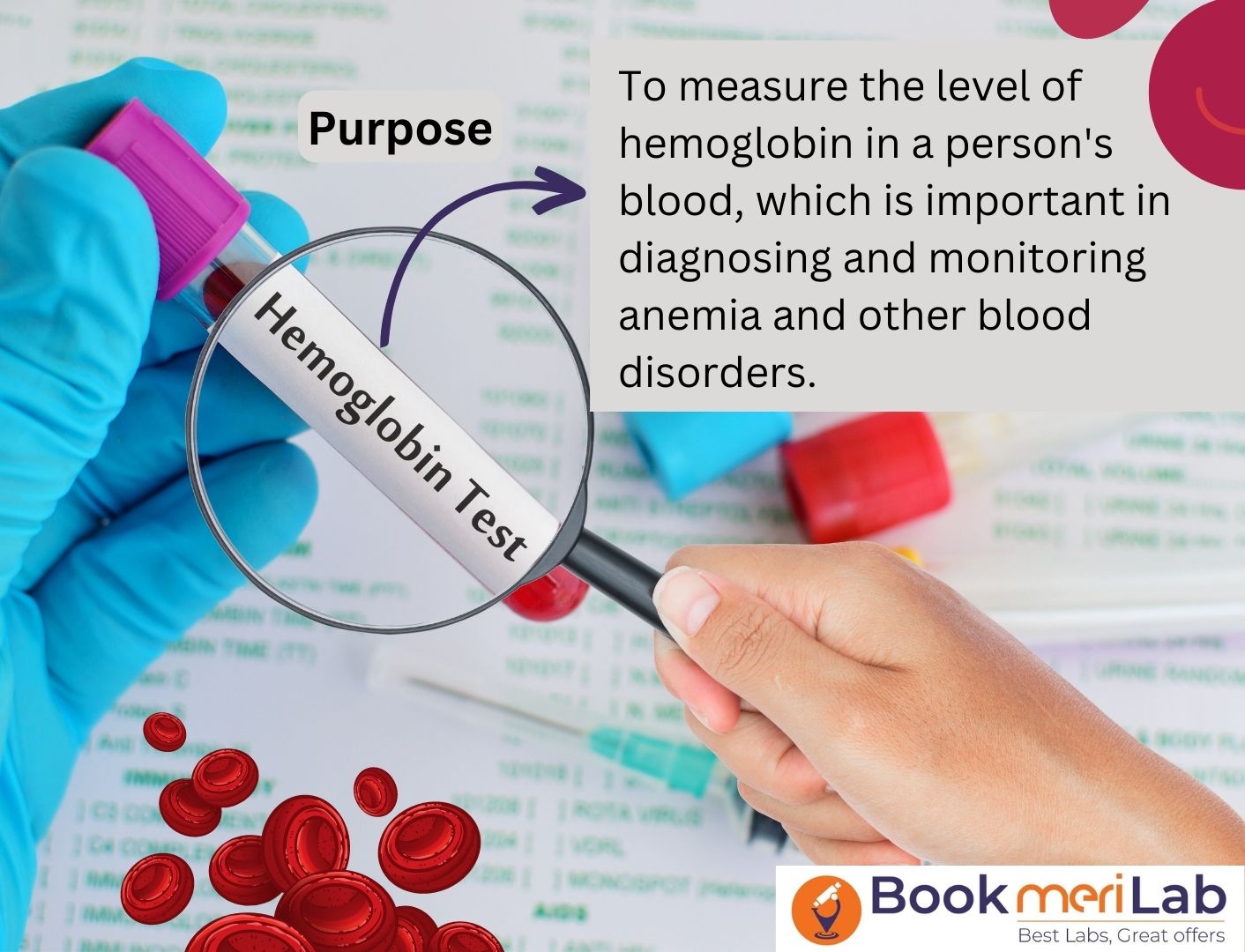
This article delves into the “what is HGB test” question, exploring its significance not just from a purely medical standpoint, but also within the broader context of personal wellness and how it intersects with the domains of technology, branding (in a sense of personal branding for health), and even financial implications. We’ll unpack what hemoglobin is, why measuring it is important, what the results mean, and how this seemingly simple test can be a powerful tool in your personal health management toolkit, much like the productivity apps you use to streamline your day or the financial dashboards you monitor for investment growth.
Understanding Hemoglobin: The Oxygen Carrier of Your Blood
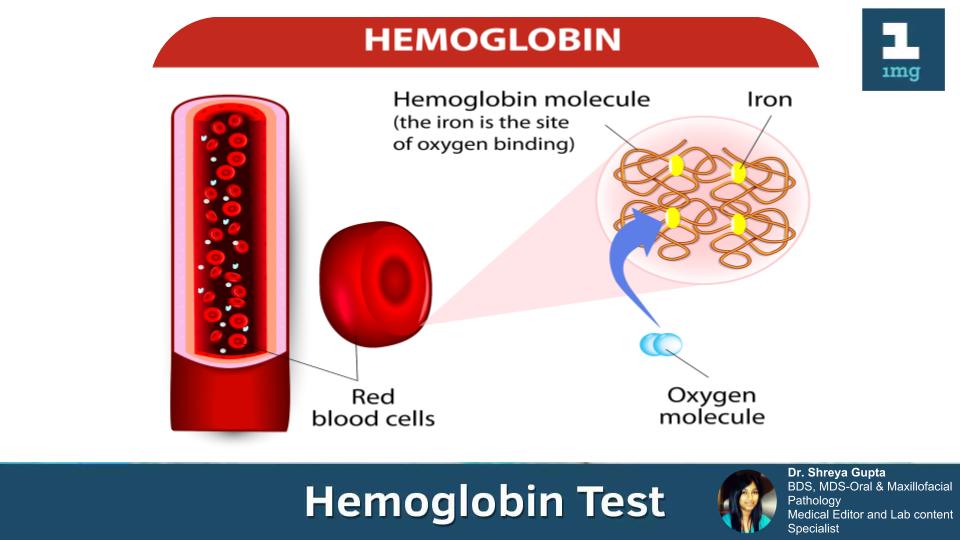
At its core, hemoglobin is a complex protein found within your red blood cells. Its primary and most vital function is to bind to oxygen in your lungs and then transport it to all the tissues and organs throughout your body. Think of it as the tiny, efficient delivery service within your bloodstream, ensuring every cell gets the life-sustaining oxygen it needs to perform its functions. Each red blood cell contains millions of hemoglobin molecules, and their capacity to carry oxygen is directly dependent on the amount of hemoglobin present.
Hemoglobin is also responsible for carrying carbon dioxide, a waste product of cellular metabolism, from the tissues back to the lungs for exhalation. This dual role highlights hemoglobin’s critical importance in maintaining the delicate balance of gases within your body.
The Iron Connection: Why Iron is Key to Hemoglobin Function
A significant component of hemoglobin is iron. Specifically, each molecule of hemoglobin contains four iron atoms, and it’s these iron atoms that are crucial for binding with oxygen. This is why iron deficiency is so intimately linked to problems with hemoglobin production and, consequently, oxygen transport. When your body doesn’t have enough iron, it cannot produce sufficient amounts of functional hemoglobin, leading to a condition known as anemia.
This direct link between iron and hemoglobin underscores the importance of a balanced diet rich in iron, or the need for supplementation if dietary intake is insufficient. In essence, your body’s ability to create and utilize hemoglobin is a testament to the intricate interplay of various nutrients and biological processes, much like a sophisticated software system relies on the right programming languages and hardware to function optimally.
The HGB Test: What It Measures and Why It Matters
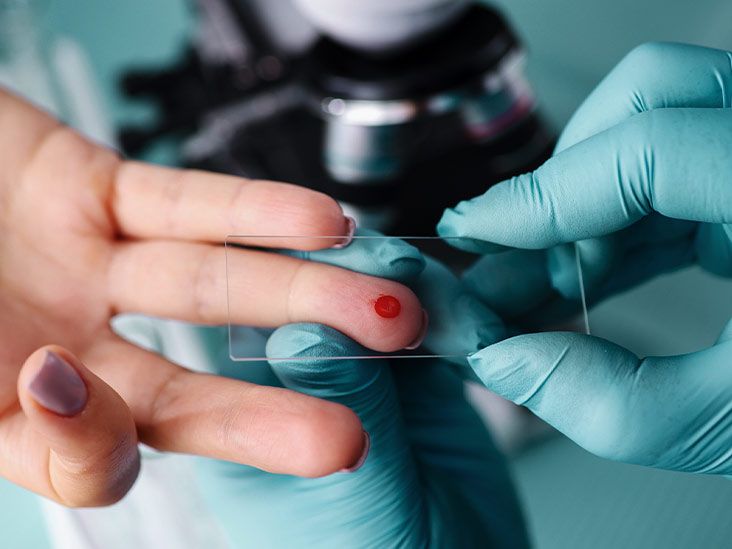
The HGB test, also known as the hemoglobin test or hemoglobin assay, is a simple blood test that measures the total amount of hemoglobin in your blood. This is typically reported in grams per deciliter (g/dL). It is usually performed as part of a complete blood count (CBC), which is a common blood panel used to evaluate your overall health and detect a wide range of disorders, including anemia, infection, and leukemia.
Why is Measuring Hemoglobin So Crucial?
The significance of the HGB test lies in its ability to act as a sensitive indicator of various physiological states and potential health issues. Low hemoglobin levels can signal a variety of problems, while consistently high levels might also warrant investigation.
- Detecting Anemia: This is arguably the most common reason for ordering an HGB test. Anemia is a condition characterized by a deficiency of red blood cells or hemoglobin, resulting in reduced oxygen transport to the body’s tissues. Symptoms can include fatigue, weakness, pale skin, shortness of breath, and dizziness. The HGB test provides a quantitative measure of this deficiency, helping doctors diagnose different types of anemia, such as iron-deficiency anemia, vitamin-deficiency anemia, or anemia of chronic disease.
- Monitoring Chronic Conditions: For individuals managing chronic illnesses like kidney disease, inflammatory conditions, or certain types of cancer, regular HGB testing is essential. These conditions can impact red blood cell production and hemoglobin levels, and monitoring these values helps physicians assess the severity of the illness and the effectiveness of treatment.
- Assessing Blood Loss: Significant blood loss, whether from injury, surgery, or internal bleeding, will directly reduce hemoglobin levels. The HGB test can help quantify the extent of blood loss and guide treatment decisions, such as the need for blood transfusions.
- Evaluating Nutritional Status: As discussed, iron is crucial for hemoglobin production. The HGB test, when combined with other iron-related tests, can provide insights into your body’s iron stores and identify potential nutritional deficiencies that may be impacting your energy levels and overall health.
- Pre-Surgical Assessment: Before undergoing surgery, a HGB test is often performed to ensure the patient has adequate red blood cell mass to withstand potential blood loss during the procedure.
- Donating Blood: Blood donation centers routinely screen donors with an HGB test to ensure they have sufficient hemoglobin levels to donate safely without becoming anemic themselves.
From a personal branding perspective, think of your health as your ultimate personal brand. Just as you wouldn’t launch a new product with a faulty core component, you wouldn’t aim for peak performance in any area of your life if your body’s fundamental oxygen delivery system is compromised. The HGB test is a crucial diagnostic tool for ensuring this core system is functioning optimally, allowing you to project your best self in all endeavors.
Interpreting Your HGB Test Results: What Do the Numbers Mean?
Understanding the numbers from your HGB test is key to taking informed action about your health. However, it’s crucial to remember that these results should always be interpreted in conjunction with your medical history, other lab results, and a healthcare professional’s evaluation.
Normal Hemoglobin Ranges
Normal hemoglobin ranges can vary slightly depending on the laboratory, age, sex, and even altitude. However, general guidelines are as follows:
- Adult Males: Approximately 13.5 to 17.5 grams per deciliter (g/dL)
- Adult Females: Approximately 12.0 to 15.5 grams per deciliter (g/dL)
- Children: Ranges vary significantly with age and development.
Low Hemoglobin Levels (Anemia)
When your HGB test reveals levels below the normal range, it indicates anemia. As mentioned, this means your body isn’t carrying enough oxygen to its tissues, which can manifest in various symptoms. The severity of anemia is categorized as mild, moderate, or severe based on the hemoglobin level.
Possible causes of low hemoglobin include:
- Iron Deficiency: The most common cause, often due to inadequate dietary intake, poor absorption, or blood loss.
- Vitamin Deficiencies: Lack of Vitamin B12 or folate can also impair red blood cell production.
- Chronic Diseases: Kidney disease, rheumatoid arthritis, lupus, and certain cancers can suppress red blood cell production.
- Hemolytic Anemia: Conditions where red blood cells are destroyed faster than they can be produced.
- Bone Marrow Disorders: Such as aplastic anemia or leukemia, which affect the production of blood cells.
- Blood Loss: Acute or chronic bleeding.
High Hemoglobin Levels (Polycythemia)
While less common than anemia, elevated hemoglobin levels (polycythemia) can also be a sign of an underlying medical condition. This means you have too many red blood cells or too much hemoglobin, which can make your blood thicker and harder to pump, increasing the risk of blood clots.
Possible causes of high hemoglobin include:
- Dehydration: When you’re dehydrated, your blood becomes more concentrated, leading to a falsely elevated HGB reading.
- Lung Disease: Chronic lung conditions like COPD can lead to lower oxygen levels in the blood, prompting the body to produce more red blood cells to compensate.
- Heart Disease: Certain congenital heart defects can lead to reduced oxygenation.
- Kidney Tumors: Some kidney tumors can produce a hormone that stimulates red blood cell production.
- Polycythemia Vera: A rare bone marrow disorder where the body makes too many red blood cells.
- Living at High Altitudes: People who live at high altitudes naturally have higher hemoglobin levels due to lower oxygen availability.
- Smoking: Smoking can lead to higher hemoglobin levels due to the body’s response to carbon monoxide.
Connecting HGB Health to Your Digital and Financial Well-being
The HGB test, while a medical diagnostic, has fascinating parallels and implications that extend into the realms of technology, personal branding, and even financial planning.
HGB as a Foundation for Productivity and Performance (Tech Intersection)
Just as you’d perform regular diagnostics on your computer or smartphone to ensure optimal performance, your body requires its own regular check-ups. Hemoglobin’s role in oxygen delivery is fundamental to cognitive function, energy levels, and physical stamina. When your HGB levels are suboptimal, you might experience fatigue, reduced concentration, and a general lack of drive. This directly impacts your ability to engage with and leverage technology effectively for productivity.
Imagine trying to use the latest AI tools for creative writing or complex data analysis when you’re feeling sluggish and unfocused due to low hemoglobin. The cognitive fog created by insufficient oxygen can be as debilitating as a slow internet connection or a malfunctioning app. Therefore, maintaining healthy HGB levels is akin to ensuring your personal “operating system” is running smoothly, allowing you to harness the full potential of the technological advancements designed to enhance your life.
Think of health apps that track your activity and sleep, providing data-driven insights. An HGB test provides a crucial, foundational piece of biological data that can explain fluctuations in your reported energy levels or exercise performance. It’s a fundamental metric that informs your overall wellness dashboard.
Personal Branding for Health: Your Body as Your Ultimate Brand
In the modern landscape, personal branding is about cultivating a compelling and authentic representation of yourself to the world. While this often focuses on professional skills and online presence, your physical health is undeniably a cornerstone of your personal brand. Your energy, vitality, and resilience are all outward manifestations of your inner well-being.
A person who consistently demonstrates energy and a proactive approach to life, partly due to good health facilitated by adequate hemoglobin levels, projects an image of competence and capability. Conversely, persistent fatigue or illness can inadvertently detract from this perception, regardless of one’s professional achievements.
The HGB test is a tool for actively managing this crucial aspect of your personal brand. By understanding and addressing your hemoglobin levels, you are investing in your own long-term capacity to perform, create, and engage at your highest level. It’s about ensuring the physical foundation supports the polished persona you aim to present.
Financial Implications of HGB Health
While seemingly disparate, there are financial implications tied to hemoglobin health.
- Productivity and Income: As discussed, low HGB can lead to reduced productivity, impacting your ability to earn income, whether through traditional employment or online ventures. Missed workdays due to illness stemming from anemia can result in lost wages.
- Healthcare Costs: Diagnosing and treating the underlying causes of anemia or polycythemia can incur significant medical expenses, including doctor’s visits, laboratory tests, medications, and potentially hospitalizations.
- Preventative Measures: Investing in a balanced diet rich in iron and other essential nutrients, which directly support hemoglobin production, can be seen as a form of preventative healthcare that can save on future medical costs. The cost of iron-rich foods or supplements is often far less than the cost of treating severe anemia.
- Insurance Premiums: While not always directly tied to specific test results, overall health status can influence insurance premiums in the long run. Maintaining good health, including optimal hemoglobin levels, can contribute to a better health profile.
Understanding your HGB test results and taking proactive steps to maintain healthy levels can therefore be viewed as a smart financial decision, contributing to your overall financial well-being by preserving your earning potential and minimizing future healthcare expenditures.
Conclusion: Empowering Your Health Through Knowledge
The HGB test is far more than just a number on a lab report; it’s a critical window into your body’s capacity to sustain life and vitality. By understanding “what is HGB test” and its significance, you gain a powerful tool for proactive health management. In an era where we embrace technology to optimize every facet of our lives, from our work to our finances, it’s imperative to extend that same diligent approach to our biological well-being.
Your hemoglobin levels are a fundamental metric that underpins your energy, cognitive function, and overall resilience. By staying informed, engaging with healthcare professionals, and making conscious choices about your nutrition and lifestyle, you can ensure your body’s oxygen delivery system is operating at its peak. This not only contributes to your physical health but also strengthens your ability to pursue your goals, enhance your personal brand, and ultimately, achieve a more fulfilling and productive life. Treat your HGB test as a vital data point in your personal wellness dashboard, a key indicator that empowers you to invest wisely in your most valuable asset: your health.
aViewFromTheCave is a participant in the Amazon Services LLC Associates Program, an affiliate advertising program designed to provide a means for sites to earn advertising fees by advertising and linking to Amazon.com. Amazon, the Amazon logo, AmazonSupply, and the AmazonSupply logo are trademarks of Amazon.com, Inc. or its affiliates. As an Amazon Associate we earn affiliate commissions from qualifying purchases.