
You’ve just had your annual check-up, and the doctor hands you a report that looks like a secret code. Among the rows of numbers and abbreviations, you spot “HGB.” What exactly is HGB on a blood test, and why is it so important? This seemingly simple measurement plays a crucial role in understanding your overall health, and its implications can even ripple into areas we might not immediately associate with medicine, such as productivity and even financial well-being.
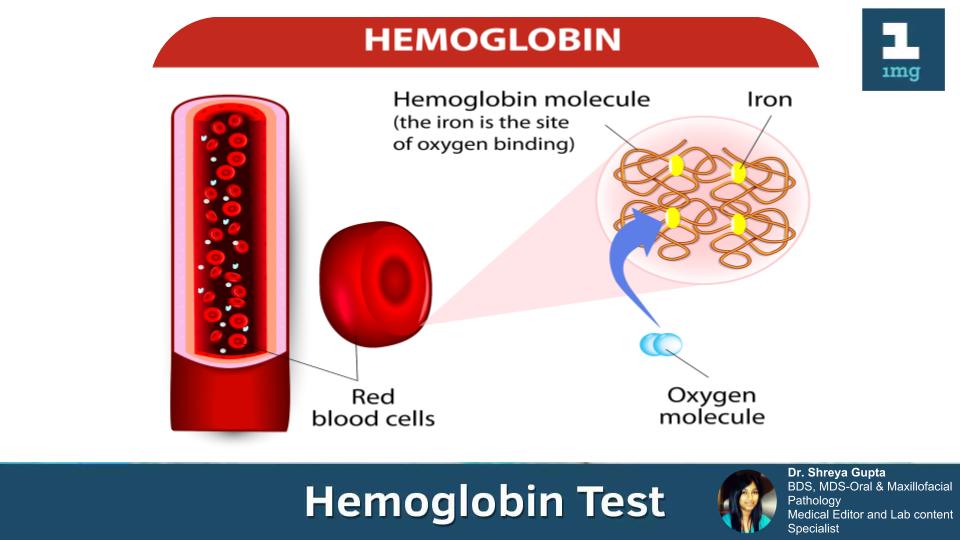
On the surface, HGB refers to hemoglobin. But to truly understand its significance, we need to dive deeper. Hemoglobin is a complex protein found within your red blood cells, and its primary job is to carry oxygen from your lungs to every cell in your body. Think of it as the tiny, efficient transport system that fuels your organs, muscles, and brain. Without sufficient hemoglobin, your body struggles to get the oxygen it needs to function optimally.
This article will unpack the meaning of HGB on your blood test, explore the factors that influence its levels, and discuss the potential health implications of both low and high hemoglobin. We’ll also touch upon how understanding these levels can indirectly impact your productivity, your ability to pursue side hustles, and even inform smart financial planning.
The Vital Role of Hemoglobin in Your Body
Hemoglobin’s importance cannot be overstated. It’s not just about breathing; it’s about the energy production at the cellular level. Every breath you take brings oxygen into your lungs, where hemoglobin molecules latch onto it. These oxygen-rich red blood cells then travel through your bloodstream, delivering this vital gas to your tissues. In return, hemoglobin picks up carbon dioxide, a waste product of cellular metabolism, and carries it back to the lungs to be exhaled. This constant cycle is fundamental to life and is directly measured by the HGB value on your blood test.
What Your HGB Number Actually Means
Your HGB level is typically reported in grams per deciliter (g/dL). The “normal” range can vary slightly depending on the laboratory, your age, and your sex, but generally:
- For adult males: Typically between 13.5 to 17.5 g/dL.
- For adult females: Typically between 12.0 to 15.5 g/dL.
- For children: Ranges vary more significantly based on age.
When your doctor reviews your HGB result, they are looking at how this number falls within these established reference ranges. It’s a key indicator of your body’s oxygen-carrying capacity and a crucial component of a Complete Blood Count (CBC), a routine diagnostic test used to evaluate your overall health and detect a wide range of disorders, including anemia, infection, and cancer.
Factors Influencing Hemoglobin Levels
Several factors can influence your HGB levels, and understanding these nuances is key to interpreting your results:
1. Diet and Nutrition
The building blocks for hemoglobin production come directly from your diet. Iron is the most critical component. Your body needs iron to synthesize heme, the molecule within hemoglobin that binds to oxygen.
- Iron-Rich Foods: Red meat, poultry, fish, beans, lentils, spinach, and fortified cereals are excellent sources of dietary iron.
- Vitamin C: This vitamin enhances iron absorption from plant-based foods. Consuming vitamin C-rich fruits and vegetables alongside iron sources can significantly boost your body’s ability to utilize iron.
- Vitamin B12 and Folate: These vitamins are also essential for red blood cell production. Deficiencies in B12 or folate can lead to megaloblastic anemia, characterized by abnormally large red blood cells and impaired hemoglobin synthesis.
2. Hydration Levels
Dehydration can temporarily affect your HGB levels. When you are dehydrated, your blood plasma volume decreases. This can make your red blood cells appear more concentrated, leading to a falsely elevated HGB reading. Conversely, overhydration can dilute your blood, potentially lowering your HGB reading. It’s important to be well-hydrated for accurate blood test results.
3. Altitude
Living at higher altitudes presents a unique challenge. The air at higher elevations has less oxygen. In response to this lower oxygen environment, your body will produce more red blood cells, and consequently, more hemoglobin, to try and compensate. This means that individuals living at high altitudes will naturally have higher HGB levels than those living at sea level.
4. Underlying Medical Conditions
Many medical conditions can impact hemoglobin levels.
- Anemia: This is the most common reason for low HGB. Anemia is a condition characterized by a deficiency of red blood cells or hemoglobin, leading to reduced oxygen transport. There are various types of anemia, each with different causes, including iron deficiency anemia, B12 deficiency anemia, folate deficiency anemia, and anemia of chronic disease.
- Kidney Disease: Healthy kidneys produce a hormone called erythropoietin (EPO), which stimulates the bone marrow to produce red blood cells. Impaired kidney function can lead to reduced EPO production, resulting in anemia.
- Bone Marrow Disorders: Conditions affecting the bone marrow, where red blood cells are produced, such as leukemia or myelodysplastic syndromes, can significantly impact HGB levels.
- Blood Loss: Chronic or acute blood loss, due to conditions like gastrointestinal bleeding or heavy menstrual periods, can deplete iron stores and lead to anemia.
- Hemolytic Anemia: This occurs when red blood cells are destroyed faster than they can be produced.
- Polycythemia Vera: This is a rare disorder where the bone marrow produces too many red blood cells, leading to an abnormally high HGB level. This can increase the risk of blood clots.
- Lung Disease: Conditions that impair lung function can affect oxygen intake, indirectly influencing red blood cell production.
5. Medications
Certain medications can affect your HGB levels. For example, some chemotherapy drugs and immunosuppressants can suppress bone marrow function, leading to lower HGB. Conversely, EPO injections are sometimes used to treat anemia associated with chronic kidney disease or chemotherapy, which would artificially increase HGB.
Understanding Low HGB: The Implication of Anemia
When your HGB level falls below the normal range, it signifies anemia. This is a widespread condition with a significant impact on your daily life and long-term health.
Symptoms and Consequences of Low HGB
The symptoms of anemia can range from mild to severe, depending on the underlying cause and the extent of the HGB deficiency. Common signs include:
- Fatigue and Weakness: This is the most prevalent symptom, as your body’s cells are not receiving enough oxygen to function efficiently.
- Pale Skin: Reduced hemoglobin in the blood can make your skin, lips, and nail beds appear paler than usual.
- Shortness of Breath: Especially during exertion, as your body struggles to deliver adequate oxygen to meet increased demand.
- Headaches and Dizziness: Lack of oxygen to the brain can manifest in these symptoms.
- Cold Hands and Feet: Poor circulation due to reduced oxygen transport can lead to extremities feeling cold.
- Irregular Heartbeat: Your heart may have to work harder to pump oxygenated blood throughout the body.

The consequences of untreated anemia can be serious. Beyond the debilitating fatigue and reduced quality of life, chronic anemia can:
- Impair Cognitive Function: Especially in children, anemia can lead to developmental delays and learning difficulties. In adults, it can affect concentration, memory, and overall cognitive performance.
- Worsen Existing Health Conditions: Anemia can exacerbate conditions like heart disease and lung disease.
- Lead to Complications: In severe cases, anemia can lead to heart problems, pregnancy complications, and increased susceptibility to infections.
Addressing Low HGB: Diagnosis and Treatment
If your HGB is low, your doctor will conduct further tests to determine the specific cause. This might involve:
- Iron Studies: To check for iron deficiency.
- Vitamin B12 and Folate Levels: To assess for deficiencies in these essential vitamins.
- Peripheral Blood Smear: To examine the size and shape of red blood cells.
- Stool Occult Blood Test: To check for hidden blood loss in the digestive tract.
Treatment for low HGB is tailored to the underlying cause. This could involve:
- Dietary Changes: Increasing intake of iron-rich foods and vitamin C.
- Iron Supplements: Prescribed for iron deficiency anemia.
- Vitamin Supplements: For B12 or folate deficiencies.
- Treating Underlying Conditions: Addressing kidney disease, gastrointestinal bleeding, or other contributing factors.
- Blood Transfusions: In severe cases of anemia or acute blood loss.
When HGB is Too High: Understanding Polycythemia
While low HGB is more commonly discussed, an elevated HGB level, known as polycythemia, can also be a cause for concern.
Causes and Risks of High HGB
Polycythemia means your blood has a higher than normal concentration of red blood cells, and therefore, hemoglobin. This can occur due to:
- Dehydration: As mentioned earlier, a temporary reduction in plasma volume can falsely elevate HGB.
- Living at High Altitude: A physiological adaptation to low oxygen.
- Smoking: Carbon monoxide from smoking reduces the oxygen-carrying capacity of hemoglobin, prompting the body to produce more red blood cells.
- Certain Lung Diseases: Conditions like COPD can lead to chronic low oxygen levels, stimulating increased red blood cell production.
- Polycythemia Vera: A rare bone marrow disorder.
- Tumors: Some tumors can secrete erythropoietin, stimulating excessive red blood cell production.
The primary risk associated with high HGB is an increased blood viscosity, making your blood thicker and more prone to clotting. This can lead to serious complications such as:
- Blood Clots: Increasing the risk of stroke, heart attack, deep vein thrombosis (DVT), and pulmonary embolism.
- Headaches and Dizziness: Due to impaired blood flow.
- Itchy Skin: Particularly after a warm bath.
Managing Elevated HGB
The management of high HGB depends on the cause. If it’s due to dehydration or altitude, it may resolve on its own or with simple adjustments. For smoking-related polycythemia, quitting smoking is crucial. In cases of polycythemia vera or other chronic conditions, treatment may involve:
- Phlebotomy: A procedure where a specific amount of blood is drawn to reduce red blood cell count.
- Medications: To suppress bone marrow activity.
The Ripple Effect: HGB and Your Broader Well-being
While HGB is a purely biological marker, its implications extend far beyond the confines of a medical chart, touching on aspects of productivity, income generation, and even financial planning.
HGB and Productivity: Fueling Your Performance
Imagine trying to run complex software on a computer with a slow processor. That’s analogous to what your body experiences with low HGB. When your cells aren’t getting enough oxygen, your energy levels plummet. This directly impacts your:
- Cognitive Function: Reduced oxygen supply to the brain can lead to difficulty concentrating, poor memory, slower processing speeds, and decreased problem-solving abilities. This makes tackling complex tech projects, developing innovative software solutions, or even learning new AI tools a significant challenge.
- Physical Stamina: Whether you’re a developer working long hours, a designer pushing creative boundaries, or an entrepreneur networking at events, low HGB can leave you feeling drained and unmotivated. This can hinder your ability to complete tasks efficiently and meet deadlines.
- Decision-Making: Impaired brain function due to low oxygen can lead to poor judgment and rash decisions, which can be detrimental in business strategy, investment choices, or even selecting the right tech gadgets.
Conversely, optimal HGB levels ensure your body and brain are well-supplied with oxygen, allowing you to perform at your peak. This enhanced focus, sustained energy, and improved cognitive function are invaluable assets in any demanding field, from developing cutting-edge technology to crafting a compelling brand narrative.
HGB and Income Generation: Enabling Your Hustle
For those looking to supplement their income through online ventures or side hustles, maintaining good health is paramount.
- Side Hustles: Whether it’s freelance writing, web development, graphic design, or managing an e-commerce store, these activities require consistent effort and mental acuity. Fatigue and poor concentration stemming from low HGB can make it difficult to dedicate the time and focus needed to build and sustain a successful side hustle.
- Personal Branding: Developing a strong personal brand requires consistent effort in content creation, networking, and showcasing your expertise. When you’re battling fatigue and brain fog, this becomes an uphill battle. A healthy HGB level provides the energy and clarity needed to effectively market yourself and build your reputation.
- Entrepreneurship: The demands of starting and running a business are immense. Optimal health, supported by adequate oxygen transport facilitated by healthy HGB levels, is crucial for navigating the stresses and long hours often associated with entrepreneurship.

HGB and Financial Health: A Foundation for Fiscal Fitness
While HGB doesn’t directly impact your bank balance, its influence on your overall health and productivity indirectly affects your financial well-being.
- Earning Potential: If low HGB leads to chronic fatigue and impaired cognitive function, it can limit your career advancement and earning potential in your primary job. The ability to focus, learn new skills, and perform consistently is directly linked to your physical and mental energy levels.
- Healthcare Costs: Untreated anemia or other conditions causing abnormal HGB levels can lead to more serious health issues, resulting in significant medical expenses. Proactive management of your HGB can help prevent these costly complications.
- Investment Returns: Making sound investment decisions requires a clear mind and the ability to analyze information thoroughly. Brain fog and fatigue can cloud judgment, leading to suboptimal financial choices.
- Financial Tools and Planning: Effectively utilizing financial tools, understanding market trends, and developing long-term financial plans all demand mental focus and sustained effort. Good health, supported by adequate oxygenation, provides the foundation for these activities.
In essence, understanding and maintaining healthy HGB levels is not just about avoiding illness; it’s about building a robust foundation for a productive, fulfilling, and financially secure life. Regular blood tests, including a CBC with HGB measurement, are a simple yet powerful tool for staying informed about your body’s inner workings and taking proactive steps towards optimal well-being. If you have any concerns about your HGB levels, always consult with your healthcare provider for personalized advice and guidance.
aViewFromTheCave is a participant in the Amazon Services LLC Associates Program, an affiliate advertising program designed to provide a means for sites to earn advertising fees by advertising and linking to Amazon.com. Amazon, the Amazon logo, AmazonSupply, and the AmazonSupply logo are trademarks of Amazon.com, Inc. or its affiliates. As an Amazon Associate we earn affiliate commissions from qualifying purchases.