
Hemoglobin, or HGB, is a term you’ll frequently encounter on a blood work report. Often listed alongside other crucial blood cell counts, it’s a protein that plays an undeniably vital role in our overall health. But what exactly is it, why is it measured, and what do fluctuations in its levels signify? Understanding HGB is more than just deciphering a lab result; it’s about grasping a fundamental mechanism that keeps our bodies functioning.
While the direct analysis of HGB might not immediately seem linked to the cutting-edge world of tech, the dynamic realm of personal finance, or the strategic intricacies of branding, a closer examination reveals compelling connections. From the sophisticated technology that powers modern diagnostic tools to the financial implications of health and the branding of wellness, HGB’s story unfolds in surprising and relevant ways within the context of our website’s core themes.
The Science Behind Hemoglobin: The Oxygen Transporter
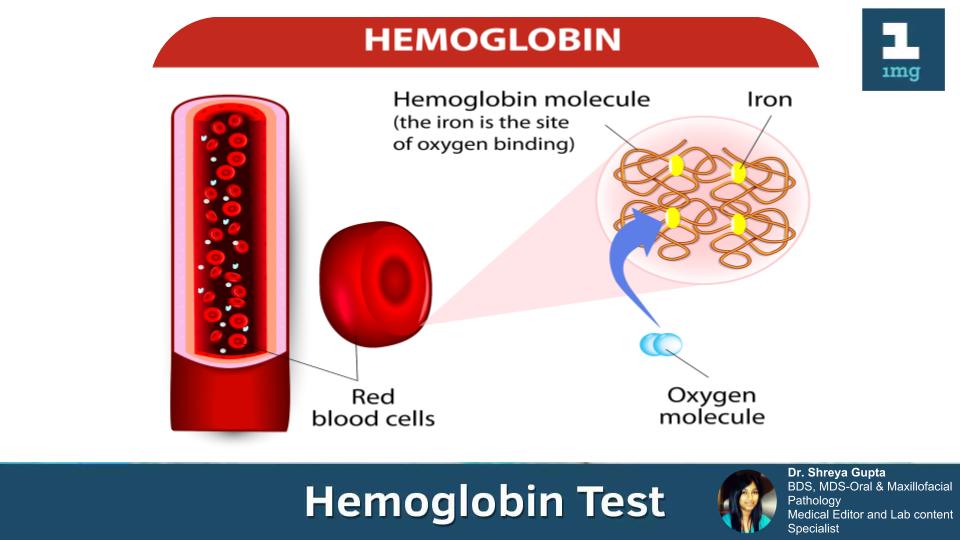
At its core, hemoglobin is a complex protein found within red blood cells. Each red blood cell contains millions of hemoglobin molecules, and their primary function is the transport of oxygen from the lungs to every cell in the body. This oxygen is essential for cellular respiration, the process by which cells generate energy to perform their functions. Without adequate hemoglobin, our bodies would be starved of the oxygen they need to survive.
How Hemoglobin Works: A Molecular Marvel
Each hemoglobin molecule is composed of four protein chains (globin chains) and four heme groups. Each heme group contains an iron atom. It’s this iron atom that is the star of the show when it comes to oxygen binding. Oxygen molecules readily attach themselves to the iron atoms within the heme groups. As blood circulates through the lungs, where oxygen concentration is high, hemoglobin efficiently picks up oxygen.
Once the oxygenated blood reaches tissues with lower oxygen levels, such as muscles during exercise or organs requiring energy, the oxygen detaches from the hemoglobin and is released to the cells. Simultaneously, hemoglobin plays a crucial role in carbon dioxide transport. While most carbon dioxide is transported in the plasma (the liquid component of blood), a portion also binds to hemoglobin for transport back to the lungs, where it is exhaled. This dual role as an oxygen and carbon dioxide carrier makes hemoglobin indispensable for life.
Red Blood Cells: The Hemoglobin Carriers
It’s important to distinguish hemoglobin from red blood cells themselves. Red blood cells, also known as erythrocytes, are the biconcave disc-shaped cells produced in the bone marrow. They are essentially specialized bags filled with hemoglobin. The abundance of hemoglobin is what gives blood its characteristic red color. The production of red blood cells, and consequently hemoglobin, is a tightly regulated process influenced by hormones like erythropoietin, which is produced by the kidneys in response to low oxygen levels.
The Complete Blood Count (CBC): Where HGB is Measured
Hemoglobin levels are typically measured as part of a Complete Blood Count (CBC). A CBC is a routine blood test that provides a broad overview of the different types of blood cells in your body – red blood cells, white blood cells, and platelets. It’s one of the most common blood tests ordered by healthcare professionals for a variety of reasons, from routine check-ups to diagnosing specific medical conditions. The HGB measurement within a CBC provides a quantitative value, usually expressed in grams per deciliter (g/dL) or grams per liter (g/L), indicating the concentration of hemoglobin in the blood.
Why HGB Levels Matter: Indicators of Health and Disease
The measurement of hemoglobin is not merely a technical detail of blood analysis; it’s a critical diagnostic tool. Deviations from the normal range for HGB can signal a wide array of health conditions, ranging from mild deficiencies to serious diseases. Understanding these variations is key to proactive health management.
Normal HGB Ranges: A Baseline for Health
Normal hemoglobin levels vary slightly between individuals and depend on factors such as age, sex, and even altitude. However, general reference ranges are established by medical professionals. For adult males, a typical range is approximately 13.5 to 17.5 g/dL, while for adult females, it’s around 12.0 to 15.5 g/dL. Pregnant women often have slightly lower HGB levels due to increased blood volume. Pediatric ranges also differ based on age. These ranges serve as benchmarks against which your individual results are compared.
Low HGB Levels: The Specter of Anemia
Perhaps the most common reason for a low HGB reading is anemia. Anemia is a condition characterized by a deficiency of red blood cells or hemoglobin, leading to reduced oxygen transport throughout the body. This can manifest in a variety of symptoms, including fatigue, weakness, pale skin, shortness of breath, dizziness, and headaches.
There are numerous types of anemia, each with its own underlying cause:
- Iron Deficiency Anemia: This is the most prevalent form of anemia. Iron is a crucial component of hemoglobin. If the body doesn’t have enough iron, it cannot produce sufficient hemoglobin. Causes include inadequate dietary iron intake, blood loss (e.g., from menstruation, gastrointestinal bleeding), or poor iron absorption.
- Vitamin Deficiency Anemia: Deficiencies in vitamin B12 and folate (folic acid) can also lead to anemia. These vitamins are essential for the production of healthy red blood cells. Pernicious anemia, a type of B12 deficiency, occurs when the body cannot absorb B12 properly.
- Anemia of Chronic Disease: This type of anemia is associated with long-term illnesses such as kidney disease, cancer, autoimmune disorders (like rheumatoid arthritis), and infections. The chronic inflammation or disease process can interfere with the body’s ability to produce red blood cells or utilize iron effectively.
- Hemolytic Anemia: This occurs when red blood cells are destroyed faster than the bone marrow can produce them. Causes can include genetic disorders (like sickle cell anemia or thalassemia), autoimmune reactions, or certain infections and medications.
- Aplastic Anemia: A rare but serious condition where the bone marrow stops producing enough new blood cells, including red blood cells. This can be caused by genetic disorders, certain infections, toxins, or radiation therapy.
High HGB Levels: When Too Much is a Concern
While less common than low HGB, elevated hemoglobin levels can also indicate underlying health issues. This condition is often referred to as polycythemia.
- Dehydration: One of the simplest explanations for high HGB is dehydration. When the body lacks sufficient fluid, the blood becomes more concentrated, leading to a higher apparent concentration of red blood cells and hemoglobin.
- Lung Disease: Chronic lung conditions, such as emphysema or chronic bronchitis, can lead to consistently low oxygen levels in the blood. In response, the body may produce more red blood cells to try and compensate for the oxygen deficit, thus increasing HGB.
- Kidney Tumors: Certain kidney tumors can produce excess erythropoietin, stimulating the bone marrow to produce more red blood cells and leading to polycythemia.
- Polycythemia Vera: This is a chronic bone marrow disorder in which the bone marrow produces too many red blood cells, as well as white blood cells and platelets. It’s a serious condition that can increase the risk of blood clots, stroke, and heart attack.
- High Altitude Living: Individuals who live at high altitudes naturally have higher HGB levels because the air contains less oxygen. Their bodies adapt by producing more red blood cells to capture what oxygen is available.
Technological Advancements and HGB Measurement

The accuracy and accessibility of HGB measurement today are a testament to rapid advancements in technology. The diagnostic landscape has been revolutionized by sophisticated equipment and innovative software, making blood work more efficient and reliable.
Automated Hematology Analyzers: The Backbone of HGB Testing
The ubiquitous hematology analyzers found in clinical laboratories are marvels of modern engineering. These automated systems perform a CBC, including HGB measurement, with remarkable speed and precision. They utilize a variety of technologies, including:
- Electrical Impedance: This method counts cells by measuring changes in electrical resistance as they pass through a small aperture.
- Flow Cytometry and Light Scattering: More advanced analyzers use lasers to count and differentiate cells based on how they scatter light. This allows for more detailed analysis of cell populations.
- Spectrophotometry: This is the primary technology for HGB measurement. A sample of blood is mixed with a lysing agent that breaks open the red blood cells, releasing the hemoglobin. This solution is then passed through a spectrophotometer, which measures how much light of a specific wavelength is absorbed. The amount of light absorbed is directly proportional to the concentration of hemoglobin.
The integration of advanced algorithms and AI within these analyzers allows for real-time data processing, flagging of abnormal results, and even preliminary diagnostic suggestions. This technological leap has transformed how HGB is measured, moving from manual, time-consuming processes to rapid, automated analysis.
Digital Health and Remote Monitoring
The rise of digital health platforms and wearable technology is further changing how we interact with our health data, including blood work results. While direct HGB measurement via a smartwatch isn’t yet commonplace, the infrastructure is being built for more proactive health management.
- App-Based Health Tracking: Health and wellness apps can integrate with laboratory results, allowing individuals to track their HGB levels over time, alongside other health metrics. This can provide valuable insights into long-term health trends and the impact of lifestyle changes.
- Telemedicine and Remote Consultations: The ability to securely share blood work reports electronically with healthcare providers via telemedicine platforms facilitates remote consultations. This is particularly beneficial for individuals in remote areas or those with mobility issues, allowing for quicker assessment of HGB levels and subsequent treatment plans.
- AI in Diagnostic Interpretation: While human expertise remains paramount, AI tools are being developed to assist clinicians in interpreting complex blood work patterns. These AI systems can identify subtle anomalies in HGB and other CBC parameters that might be missed by the human eye, potentially leading to earlier diagnoses.
Financial Implications of HGB Levels and Health
The financial implications of HGB levels and the conditions associated with them are significant, touching upon both personal finance and broader economic considerations.
The Cost of Anemia and Other HGB-Related Conditions
Anemia and other conditions affecting hemoglobin levels can incur substantial costs, both directly and indirectly:
- Medical Expenses: Diagnosis, treatment, and ongoing management of anemia and related disorders involve costs for doctor’s visits, lab tests, medications (e.g., iron supplements, vitamin B12 injections), and potentially hospitalizations. For conditions like polycythemia vera, treatments such as phlebotomy (blood removal) and specialized medications add to the financial burden.
- Lost Productivity and Income: Chronic fatigue and weakness due to low HGB can significantly impact an individual’s ability to work, leading to reduced productivity, missed workdays, and potential loss of income. This has a ripple effect on personal finances and can strain household budgets.
- Impact on Long-Term Health Investments: For individuals actively investing in their health through fitness, nutrition, and preventative care, unaddressed HGB issues can undermine these efforts and lead to unforeseen health complications that require more significant financial investment down the line.
Investing in Preventative Health and Early Detection
The connection to personal finance becomes clear when considering the proactive approach to health. Investing in regular blood work, including CBCs to monitor HGB, can be viewed as a form of preventative health investment. Early detection of low or high HGB can lead to timely interventions, potentially preventing the development of more severe and costly conditions.
- Dietary Investments: Understanding the role of iron, B12, and folate in HGB production encourages informed dietary choices. Investing in nutrient-rich foods is a fundamental aspect of personal health and financial well-being.
- Insurance and Financial Planning: For individuals with chronic conditions affecting HGB, understanding health insurance coverage and budgeting for ongoing medical expenses is crucial for financial stability.
- Side Hustles and Income Streams: In some cases, the debilitating effects of severe anemia might necessitate exploring side hustles or alternative income streams if regular employment becomes challenging. However, the ideal scenario is to maintain optimal health through preventative measures, allowing for consistent earning potential.
Branding Your Wellness: The Narrative of Health
While not directly about selling a product, the concept of branding can be applied to how individuals and organizations present and manage their health narrative. Understanding HGB and its implications is part of building a strong “personal brand” of wellness.
Personal Branding Through Health Literacy
Possessing knowledge about key health indicators like HGB contributes to a more empowered and informed individual. This self-awareness is a crucial element of personal branding – how you present yourself to the world, including your capacity for a healthy and active life.
- Proactive Health Management: Individuals who regularly monitor their HGB and take steps to address any deviations are effectively “branding” themselves as proactive and responsible about their health. This narrative can lead to greater confidence and a more positive outlook.
- Corporate Wellness Programs: Companies increasingly invest in corporate identity and employee well-being through wellness programs. Measuring and educating employees about HGB levels can be part of a broader initiative to foster a healthy workforce, indirectly contributing to the company’s brand as an employer that values its people.

The Brand of Healthcare Providers and Diagnostics
The reputation and brand of healthcare providers and diagnostic laboratories are built on accuracy, reliability, and patient care. The technology and processes behind HGB measurement are fundamental to maintaining this trust.
- Case Studies in Diagnostic Excellence: The development and widespread adoption of precise HGB measurement technologies serve as case studies for innovation in healthcare diagnostics. The reliability of these results underpins the trust patients place in their doctors and the systems that provide their care.
- Marketing Health Awareness: Public health campaigns and the marketing efforts of healthcare organizations often focus on raising awareness about common health issues, including anemia. The messaging around HGB levels and the importance of blood tests plays a role in shaping public perception of health priorities.
In conclusion, hemoglobin (HGB) is far more than just a letter and a number on a blood test. It’s the tireless oxygen carrier that fuels our every cell. Understanding its function, the potential implications of its fluctuations, the technological marvels that measure it, the financial prudence of monitoring it, and even how it contributes to our personal narrative of wellness, offers a comprehensive picture of its profound importance. By demystifying HGB, we empower ourselves to take greater control of our health journey, fostering a future that is both healthier and more financially secure.
aViewFromTheCave is a participant in the Amazon Services LLC Associates Program, an affiliate advertising program designed to provide a means for sites to earn advertising fees by advertising and linking to Amazon.com. Amazon, the Amazon logo, AmazonSupply, and the AmazonSupply logo are trademarks of Amazon.com, Inc. or its affiliates. As an Amazon Associate we earn affiliate commissions from qualifying purchases.