
Hepatitis A is a viral infection that primarily targets the liver, causing inflammation and affecting its ability to function. While often associated with poor hygiene and contaminated food or water, understanding Hepatitis A is crucial for proactive health management. In a world increasingly driven by technology, where information spreads rapidly and global connectivity is the norm, staying informed about infectious diseases like Hepatitis A is as vital as understanding the latest AI tools or mastering personal branding. This article aims to demystify Hepatitis A, exploring its causes, symptoms, transmission, and most importantly, how to prevent it, drawing parallels to the importance of robust digital security and sound financial planning in our modern lives.
Understanding the Hepatitis A Virus and its Impact
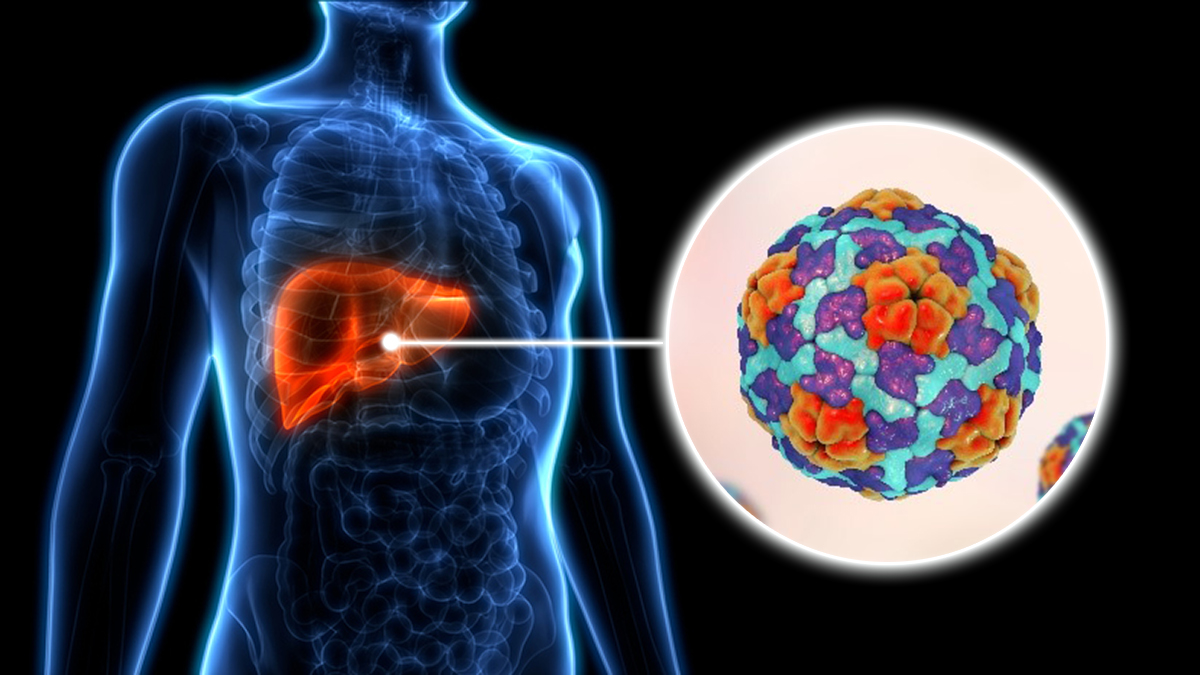
Hepatitis A is caused by the Hepatitis A virus (HAV), a type of virus that replicates in the liver. Unlike Hepatitis B and C, Hepatitis A is an acute illness, meaning it is a short-term infection that typically resolves on its own within a few weeks to months. It does not lead to chronic liver disease. However, during the acute phase, it can cause significant discomfort and illness.
The virus is shed in the feces of infected individuals, even before they show symptoms. This makes it highly contagious. When someone ingests the virus, it travels to the liver, where it infects liver cells. The immune system then mounts a response to clear the virus, leading to inflammation of the liver – the hallmark of hepatitis.
The severity of Hepatitis A can vary greatly. Some individuals may experience mild, flu-like symptoms that are easily overlooked, while others can become severely ill, requiring hospitalization. Older adults and individuals with pre-existing liver conditions are at a higher risk of developing more severe complications.
The Transmission Pathways: How Hepatitis A Spreads
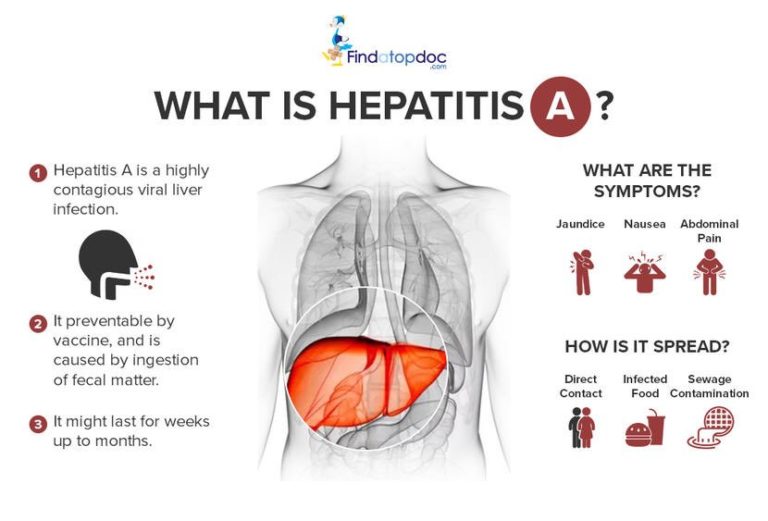
The primary mode of transmission for Hepatitis A is through the fecal-oral route. This means the virus spreads when microscopic traces of feces from an infected person enter the mouth of another person. This can happen in several ways:
- Contaminated Food and Water: This is the most common way Hepatitis A spreads globally. Food prepared by an infected individual who hasn’t washed their hands thoroughly after using the restroom can become contaminated. Similarly, drinking water or eating food washed with contaminated water can lead to infection. This is particularly prevalent in areas with inadequate sanitation and water treatment.
- Close Personal Contact: Living with or caring for someone who has Hepatitis A increases the risk of transmission. This includes activities like sharing utensils, towels, or toothbrushes, and engaging in sexual contact with an infected person.
- Contaminated Surfaces: While less common, touching contaminated surfaces and then touching your mouth can also lead to infection.
Understanding these transmission pathways is akin to understanding the vulnerabilities in a digital system. Just as a weak password or unpatched software can open the door to cyber threats, poor hygiene and inadequate sanitation create an environment where Hepatitis A can thrive. The principle of prevention is the same: identifying the entry points and fortifying them.
Symptoms: Recognizing the Signs of Hepatitis A
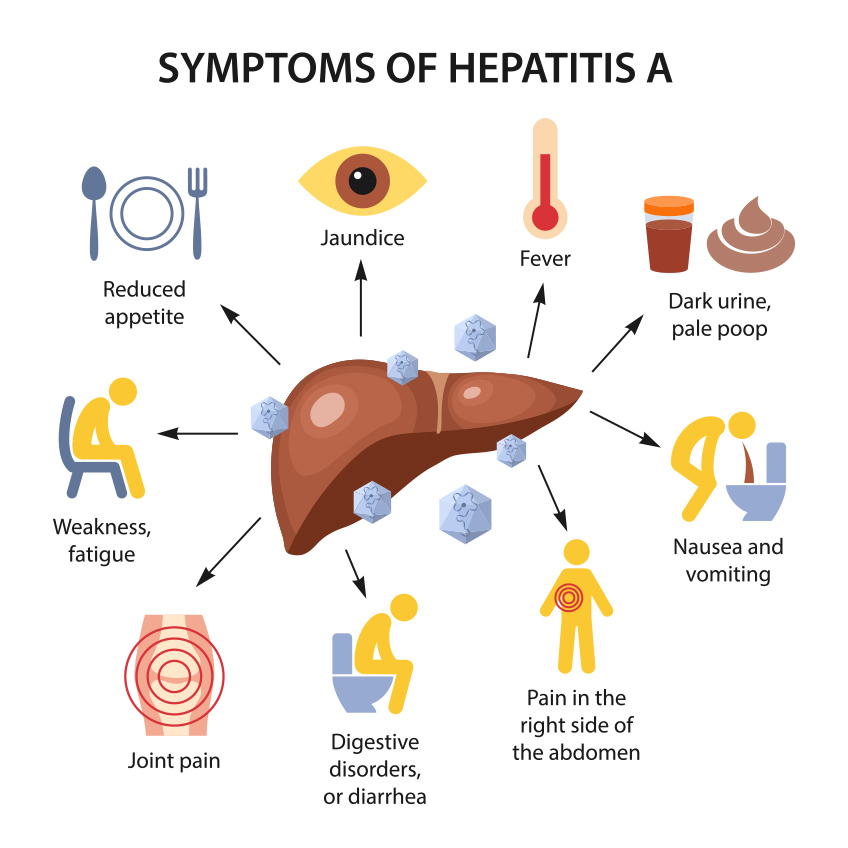
The incubation period for Hepatitis A, the time from exposure to the virus to the onset of symptoms, is typically between 15 and 50 days, with an average of 28 days. Many people, especially children, may have no symptoms at all, or their symptoms might be so mild that they are mistaken for a common cold or stomach bug.
When symptoms do occur, they often appear suddenly and can include:
- Fatigue: An overwhelming sense of tiredness and lack of energy is a common early symptom.
- Nausea and Vomiting: Feeling sick to your stomach and experiencing episodes of vomiting.
- Abdominal Pain and Discomfort: Particularly in the upper right side of the abdomen, where the liver is located.
- Loss of Appetite: A reduced desire to eat.
- Fever: A mild to moderate fever can be present.
- Jaundice: This is a hallmark symptom of liver inflammation. It’s characterized by a yellowing of the skin and the whites of the eyes. The urine may also turn dark brown, and the stools may become pale.
- Joint Pain: Aching in the joints can also occur.
It’s important to note that jaundice can take a few weeks to develop and may persist for several weeks after other symptoms have subsided.
Prevention: The Power of Proactive Measures
Just as meticulous planning and robust strategies are essential for successful brand building or securing personal finances, preventing Hepatitis A requires a proactive and informed approach. The good news is that Hepatitis A is a preventable disease, and the most effective tools we have are hygiene and vaccination.
Vaccination: Your Strongest Defense
The Hepatitis A vaccine is a safe and highly effective way to protect yourself from the virus. It is typically administered in two doses, with the second dose given 6 to 12 months after the first. The vaccine provides long-lasting immunity, offering protection for many years, potentially lifelong.
- Who should get vaccinated? Public health recommendations generally advise vaccination for:
- All children aged 1 year and older.
- Travelers to countries where Hepatitis A is common.
- Men who have sex with men.
- People who use recreational drugs.
- People with chronic liver disease.
- People who work with primates infected with Hepatitis A or in Hepatitis A research laboratories.
- Anyone who wants to be protected.
Getting vaccinated against Hepatitis A is akin to investing in a secure digital infrastructure for your personal data. It’s a preventative measure that shields you from significant future problems.
Hygiene Practices: The Everyday Shields
Beyond vaccination, consistent and rigorous hygiene practices are crucial in preventing the spread of Hepatitis A. These practices are the everyday equivalents of strong passwords and regular software updates in the digital realm.
-
Handwashing: This is the single most effective way to prevent the spread of Hepatitis A. Wash your hands thoroughly with soap and warm water for at least 20 seconds:
- After using the toilet.
- After changing diapers or cleaning up a young child who has used the toilet.
- Before preparing or eating food.
- After touching raw meat, poultry, or seafood.
- After touching garbage.
- After touching an animal or animal feces.
-
Safe Food and Water:
- When traveling to areas where Hepatitis A is common, drink bottled water, use purified water, or boil water before drinking.
- Avoid raw or undercooked shellfish, as they can be a source of contamination.
- Ensure food is thoroughly cooked.
- When eating out, choose reputable establishments that practice good hygiene.
-
Safe Sexual Practices: If you are sexually active and your partner’s Hepatitis A status is unknown, consider vaccination.
These hygiene practices are the foundational elements of good health, much like sound financial habits are the bedrock of financial security. Neglecting them can lead to unforeseen and costly consequences, not just in terms of health but also in lost productivity and potential medical expenses.
Diagnosis and Treatment: Managing Hepatitis A
If you suspect you have Hepatitis A, it’s important to consult a healthcare professional. They can diagnose the infection through blood tests that detect antibodies to the Hepatitis A virus.
Diagnosis: Confirming the Infection
- Blood Tests: The primary diagnostic tool is a blood test that looks for immunoglobulin M (IgM) antibodies specific to Hepatitis A. The presence of these antibodies indicates a recent or current infection. Later in the course of the illness, immunoglobulin G (IgG) antibodies may also be detected, indicating past infection and immunity.
Treatment: Supportive Care for Recovery
There is no specific antiviral medication to treat Hepatitis A. The body’s immune system is responsible for clearing the virus. Treatment focuses on supportive care to help the body recover and manage symptoms:
- Rest: Getting plenty of rest is crucial for allowing the liver to heal.
- Hydration: Staying well-hydrated by drinking plenty of fluids, such as water, clear broths, and electrolyte drinks, is important, especially if experiencing nausea and vomiting.
- Nutrition: Maintaining a balanced diet is essential. Some people may find it easier to eat small, frequent meals. It’s generally recommended to avoid alcohol and certain medications that can put extra stress on the liver, such as acetaminophen (Tylenol), unless advised otherwise by a doctor.
- Medical Supervision: In severe cases, hospitalization may be necessary to manage dehydration, nausea, and other complications. Healthcare providers will monitor liver function and overall health throughout the recovery period.
The recovery period can range from a few weeks to several months. Once a person has recovered from Hepatitis A, they are typically immune to future infections.
Long-Term Outlook: A Return to Health
The prognosis for Hepatitis A is generally very good. Most individuals recover completely without any long-term liver damage. However, as mentioned, severe cases can occur, particularly in those with underlying liver conditions.
Understanding Hepatitis A, much like understanding the nuances of a new tech gadget or the complexities of the stock market, empowers us to make informed decisions about our health, our finances, and our digital lives. By embracing preventative measures like vaccination and rigorous hygiene, we can effectively shield ourselves from this liver-infecting virus, ensuring a healthier and more secure future. This proactive approach to health mirrors the importance of forward-thinking strategies in branding and the disciplined approach required for sound financial management.
aViewFromTheCave is a participant in the Amazon Services LLC Associates Program, an affiliate advertising program designed to provide a means for sites to earn advertising fees by advertising and linking to Amazon.com. Amazon, the Amazon logo, AmazonSupply, and the AmazonSupply logo are trademarks of Amazon.com, Inc. or its affiliates. As an Amazon Associate we earn affiliate commissions from qualifying purchases.