
The term “hepatic cirrhosis” might sound daunting, conjuring images of severe illness and irreversible damage. While it represents a significant health concern, understanding what hepatic cirrhosis is, how it develops, and its implications is crucial for proactive health management. This article aims to demystify this complex condition, exploring its origins, its impact on the body, and the importance of early detection and intervention, all viewed through the lens of how such information can empower individuals in their pursuit of well-being.
While the website’s primary focus lies in the dynamic realms of Tech, Brand, and Money, the underlying principle of empowerment through knowledge is universally applicable. Just as understanding the latest AI tools can optimize your workflow, or a strong brand strategy can elevate your business, comprehending your health is fundamental to living a fulfilling life. Hepatic cirrhosis, often a silent progression, underscores the need for vigilance and informed decision-making in safeguarding our most vital organs.
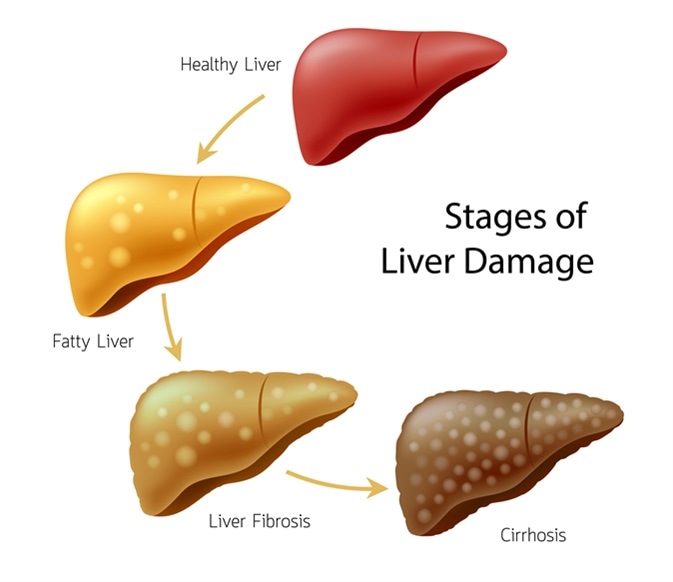
The Liver: A Master Multi-Tasker and the Genesis of Cirrhosis
Before delving into cirrhosis itself, it’s essential to appreciate the liver’s remarkable capabilities. This powerhouse organ, nestled in the upper right quadrant of your abdomen, is responsible for over 500 vital functions. It acts as a sophisticated processing plant, detoxifying your blood, metabolizing nutrients from food, producing bile essential for digestion, synthesizing proteins crucial for clotting and immunity, and storing energy reserves like glycogen. Its resilience is legendary; it can regenerate damaged tissue to a remarkable extent.
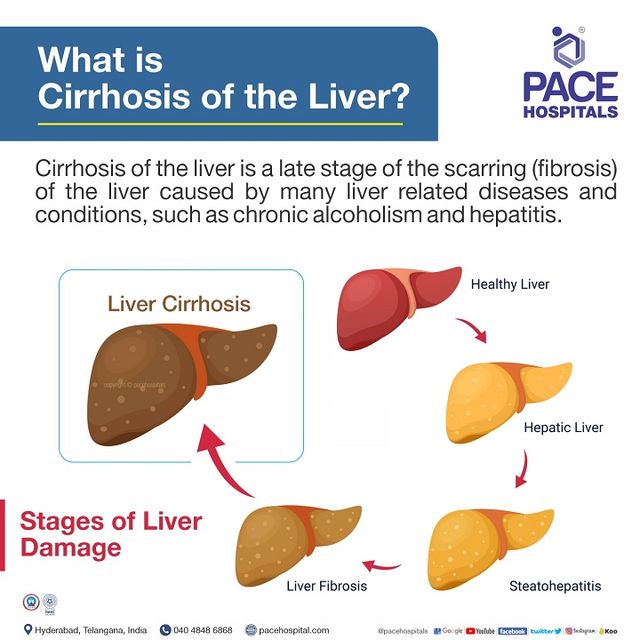
However, this remarkable regenerative capacity has its limits. When the liver is subjected to chronic injury or inflammation over an extended period, its healing processes can go awry. Instead of repairing itself efficiently, the liver begins to form scar tissue. This scar tissue, known as fibrosis, is a hallmark of liver damage. As fibrosis progresses and becomes more widespread, it starts to disrupt the liver’s intricate structure and function. This advanced stage of scarring is what we define as hepatic cirrhosis.
The Chronic Insults: What Triggers Liver Scarring?
Cirrhosis doesn’t develop overnight. It’s the cumulative result of persistent damage to the liver. Several factors can instigate this chronic insult:
- Chronic Viral Hepatitis: Hepatitis B and Hepatitis C viruses are significant culprits worldwide. These infections can lead to long-term inflammation, progressively scarring the liver over years or even decades.
- Alcoholic Liver Disease: Excessive and prolonged alcohol consumption is a major cause of cirrhosis, particularly in Western countries. Alcohol is directly toxic to liver cells, leading to inflammation and subsequent scarring.
- Non-Alcoholic Fatty Liver Disease (NAFLD): This condition is increasingly prevalent, especially in individuals with obesity, type 2 diabetes, high cholesterol, and metabolic syndrome. In NAFLD, fat accumulates in the liver, which can progress to inflammation (NASH – Non-Alcoholic Steatohepatitis) and eventually cirrhosis.
- Autoimmune Hepatitis: In this condition, the body’s own immune system mistakenly attacks liver cells, causing inflammation and damage.
- Genetic Disorders: Certain inherited diseases can affect the liver. Examples include hemochromatosis (excess iron buildup), Wilson’s disease (excess copper buildup), and alpha-1 antitrypsin deficiency.
- Bile Duct Diseases: Conditions that block or damage the bile ducts, preventing bile from draining from the liver, can lead to liver damage and cirrhosis. Primary biliary cholangitis and primary sclerosing cholangitis are examples.
- Certain Medications and Toxins: Long-term exposure to certain medications, industrial chemicals, and toxins can also contribute to liver damage.
The insidious nature of cirrhosis often lies in its early stages. Many individuals remain asymptomatic, unaware of the silent damage occurring within their liver. This is where proactive awareness and regular health screenings become paramount, akin to staying updated on cybersecurity threats to protect your digital assets.
The Domino Effect: How Cirrhosis Impairs Liver Function
As the scar tissue replaces healthy liver tissue in cirrhosis, the liver’s ability to perform its myriad functions is progressively compromised. This disruption triggers a cascade of problems, impacting various bodily systems.
Impaired Detoxification and Metabolism
One of the liver’s primary roles is to filter toxins from the blood. In cirrhosis, the scarred liver struggles to efficiently remove waste products and harmful substances. This can lead to a buildup of toxins, particularly ammonia, which can affect brain function, leading to a condition called hepatic encephalopathy. Furthermore, the liver’s ability to metabolize nutrients, drugs, and hormones is diminished. This can result in imbalances in blood sugar, protein levels, and even the effectiveness of medications.
Reduced Bile Production and Flow
Bile, produced by the liver, is crucial for digesting fats and absorbing fat-soluble vitamins. In cirrhosis, bile production can be reduced, and the flow of bile can be obstructed by scar tissue. This can lead to malabsorption of fats, vitamin deficiencies, and the development of jaundice – a yellowing of the skin and eyes due to a buildup of bilirubin, a waste product of red blood cell breakdown.
Decreased Protein Synthesis
The liver synthesizes many essential proteins, including albumin, which helps maintain fluid balance in the bloodstream, and clotting factors, essential for stopping bleeding. In cirrhosis, the liver’s ability to produce these proteins declines. Low albumin levels can lead to fluid accumulation in the abdomen (ascites) and swelling in the legs and feet (edema). A deficiency in clotting factors increases the risk of easy bruising and prolonged bleeding.
Portal Hypertension: A Critical Consequence
As scar tissue obstructs blood flow through the liver, pressure builds up in the portal vein – the main vein that carries blood from the digestive organs to the liver. This elevated pressure is known as portal hypertension. Portal hypertension is a significant complication of cirrhosis and can lead to several serious issues:
- Esophageal and Gastric Varices: Blood can back up into smaller veins in the esophagus and stomach, causing them to enlarge and become fragile. These varices can rupture and bleed profusely, leading to life-threatening hemorrhages.
- Ascites: The increased pressure in the portal vein, coupled with low albumin levels, causes fluid to leak from blood vessels into the abdominal cavity.
- Splenomegaly: The spleen, which filters blood, can enlarge as it tries to accommodate the backed-up blood flow. This enlarged spleen can trap and destroy blood cells, leading to anemia, low white blood cell counts, and low platelet counts.
Understanding these interconnected consequences highlights the systemic impact of cirrhosis, emphasizing the importance of a holistic approach to health and well-being, not dissimilar to how a comprehensive business strategy considers multiple facets of a company’s operations.
Navigating the Path Forward: Diagnosis, Management, and Prevention
While cirrhosis represents advanced liver scarring, the journey doesn’t necessarily end there. Early detection, comprehensive management, and preventative measures are key to improving outcomes and quality of life.
Recognizing the Signs: When to Seek Medical Attention
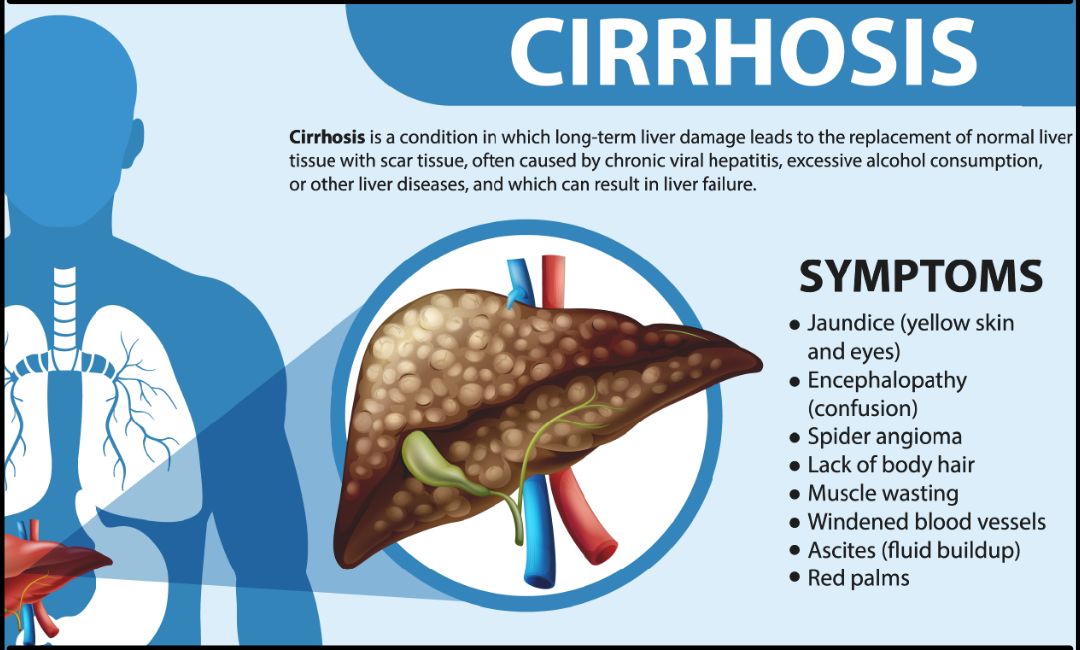
The symptoms of cirrhosis can be subtle in its early stages and may be mistaken for other ailments. As the condition progresses, more noticeable signs may emerge. It’s crucial to consult a healthcare professional if you experience any of the following:
- Fatigue and weakness
- Loss of appetite and unexplained weight loss
- Nausea and vomiting
- Abdominal pain and swelling
- Jaundice (yellowing of skin and eyes)
- Easy bruising and bleeding
- Swelling in the legs and ankles (edema)
- Itchy skin
- Dark urine or pale stools
- Confusion, disorientation, or changes in mental state (hepatic encephalopathy)
A thorough medical history, physical examination, and a series of diagnostic tests are employed to diagnose cirrhosis. These may include blood tests to assess liver function, viral hepatitis screening, and tests for genetic disorders. Imaging techniques such as ultrasound, CT scans, or MRI can help visualize the liver and detect scarring or complications. In some cases, a liver biopsy – the removal of a small tissue sample for microscopic examination – may be necessary for a definitive diagnosis and to assess the extent of damage.
Managing the Condition: A Multi-faceted Approach
Managing cirrhosis focuses on slowing its progression, preventing complications, and managing existing symptoms. Treatment strategies are tailored to the underlying cause and the severity of the disease.
- Treating the Underlying Cause: If cirrhosis is caused by hepatitis B or C, antiviral medications are crucial. For alcoholic cirrhosis, complete abstinence from alcohol is paramount. For NAFLD, lifestyle modifications such as weight loss, a healthy diet, and exercise are vital. Genetic disorders are managed with specific therapies, and autoimmune conditions require immunosuppressive medications.
- Lifestyle Modifications: A balanced diet, rich in fruits, vegetables, and whole grains, while limiting salt intake (especially if ascites is present), is recommended. Avoiding alcohol and certain medications that can be hard on the liver is essential.
- Medications: Medications may be prescribed to manage specific symptoms and complications, such as diuretics to reduce fluid buildup, medications to manage hepatic encephalopathy, and beta-blockers to reduce portal pressure and the risk of variceal bleeding.
- Monitoring and Prevention of Complications: Regular check-ups are vital to monitor liver function and screen for complications like varices and liver cancer. Endoscopic procedures may be used to screen for and treat esophageal varices.
- Liver Transplantation: For individuals with end-stage liver disease and severe complications, a liver transplant may be the only option for survival. This is a complex procedure requiring significant commitment and involves lifelong immunosuppression.
Prevention: The Power of Proactive Health Choices
The most effective strategy against cirrhosis is prevention. This involves adopting healthy lifestyle choices and seeking prompt medical attention for any potential liver concerns.
- Vaccination: Get vaccinated against Hepatitis A and B.
- Safe Practices: Practice safe sex and avoid sharing needles to prevent Hepatitis B and C transmission.
- Moderate Alcohol Consumption: If you drink alcohol, do so in moderation.
- Maintain a Healthy Weight: Combat obesity and metabolic syndrome through diet and exercise.
- Manage Chronic Conditions: Effectively manage conditions like diabetes and high cholesterol.
- Be Cautious with Medications: Use over-the-counter and prescription medications as directed, and discuss potential liver-damaging drugs with your doctor.
- Regular Health Check-ups: Undergo regular medical check-ups, especially if you have risk factors for liver disease.
Understanding hepatic cirrhosis is not about dwelling on the negative, but about empowering ourselves with knowledge. Just as we leverage technology to streamline our lives, manage our finances effectively, and build strong personal brands, understanding our health allows us to make informed decisions that promote longevity and well-being. By prioritizing liver health and being vigilant for its signs, we can navigate the complexities of our bodies and live healthier, more fulfilling lives.
aViewFromTheCave is a participant in the Amazon Services LLC Associates Program, an affiliate advertising program designed to provide a means for sites to earn advertising fees by advertising and linking to Amazon.com. Amazon, the Amazon logo, AmazonSupply, and the AmazonSupply logo are trademarks of Amazon.com, Inc. or its affiliates. As an Amazon Associate we earn affiliate commissions from qualifying purchases.