
In the rapidly evolving landscape of health and wellness, understanding key health indicators is paramount. While technology offers us unprecedented tools for tracking fitness and diet, and the digital realm empowers us with information, sometimes the most crucial insights lie within our own bodies. One such vital metric, particularly relevant for long-term health management, is Hemoglobin A1C. When this number is high, it signals a need for attention and a deeper understanding of what it signifies. This article, drawing parallels to how we dissect trends in tech, brand identity, and financial investments, will demystify Hemoglobin A1C, explain why a high reading is a concern, and explore the implications for your well-being.
The Science Behind Hemoglobin A1C: A Glycated Snapshot
At its core, Hemoglobin A1C (often abbreviated as HbA1c) is a measure of your average blood glucose (sugar) levels over the past two to three months. To understand this, we need to delve into the basic biology. Hemoglobin is a protein found in red blood cells, responsible for carrying oxygen from your lungs to the rest of your body. Glucose, the primary source of energy for your cells, circulates in your bloodstream.
When there’s an excess of glucose in your blood, some of it inevitably attaches to hemoglobin in your red blood cells. This process is called glycation. The higher your blood glucose levels are over time, the more glucose molecules will bind to your hemoglobin.
Think of it like this: imagine your red blood cells are tiny delivery trucks, and glucose is the cargo. When the roads (your bloodstream) are congested with too much cargo (high blood sugar), a lot of that cargo inevitably spills over and sticks to the trucks. Hemoglobin A1C is essentially a measurement of how much of that “spilled over” cargo is stuck to your delivery trucks over a sustained period.
Red blood cells have a lifespan of about 120 days. As they age and are replaced by new ones, the glycated hemoglobin reflects the average glucose levels during their lifespan. This makes HbA1c a more stable and reliable indicator of long-term glucose control than a single fasting blood sugar test, which can fluctuate significantly based on recent meals and activity.
The HbA1c test measures the percentage of hemoglobin that has glucose attached to it. For instance, a result of 5.7% means that 5.7% of your hemoglobin has glucose attached.
What Does a “High” Hemoglobin A1C Mean?
The interpretation of HbA1c levels is crucial for understanding your health status. These levels are typically categorized to help identify individuals at risk or those already affected by conditions related to elevated blood sugar.
Normal Ranges and Pre-diabetes
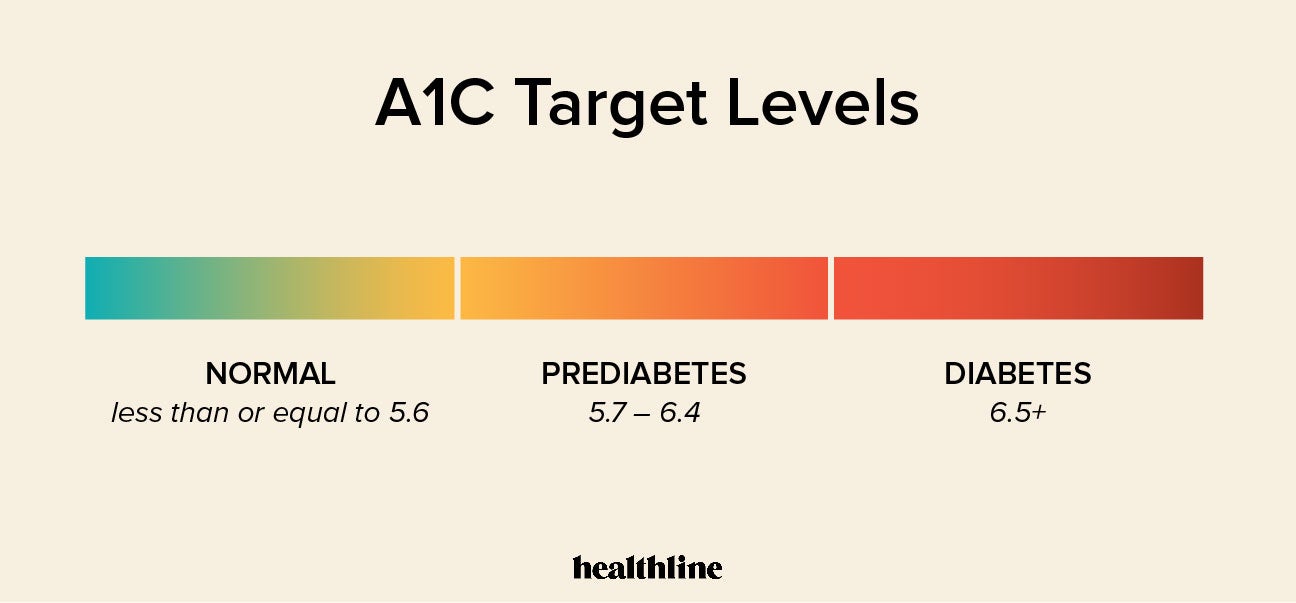
Generally, the following interpretations are used:
- Below 5.7%: This range is considered normal. It indicates that your average blood glucose levels have been within a healthy range over the past few months.
- 5.7% to 6.4%: This range is classified as prediabetes. This is a critical warning sign. It means your blood glucose levels are higher than normal but not yet high enough to be diagnosed as type 2 diabetes. Prediabetes signifies an increased risk of developing type 2 diabetes, heart disease, and stroke. It’s a pivotal moment for intervention and lifestyle changes to prevent or delay the progression to diabetes.
Diabetes Diagnosis and Control
- 6.5% and above: This range indicates diabetes. A diagnosis of diabetes is typically confirmed with two separate HbA1c tests performed on different occasions, especially if the first result is borderline or if symptoms are not present. For individuals already diagnosed with diabetes, the HbA1c target is usually lower, often aiming for below 7%. This target aims to significantly reduce the risk of developing or worsening diabetes-related complications. However, the ideal target can vary depending on individual factors such as age, health status, and the presence of other medical conditions, which is why personalized care from a healthcare professional is essential.
The significance of a high HbA1c reading cannot be overstated. It’s a direct reflection of chronic hyperglycemia, which, over time, can have profound and damaging effects on various organs and systems in your body. This is where the analogy to understanding trends in other domains becomes relevant. Just as a consistent downward trend in user engagement might signal a problem with a tech product, or a negative brand perception can damage corporate identity, persistently high HbA1c signals a physiological issue that requires attention.
The Long-Term Consequences of High Hemoglobin A1C
The dangers of chronically elevated blood glucose, as indicated by a high HbA1c, are multifaceted and can lead to severe health complications. These complications often develop gradually over years, making the proactive monitoring of HbA1c a vital preventative measure.
Cardiovascular Disease: A Primary Concern
One of the most significant risks associated with high HbA1c is an increased likelihood of cardiovascular disease. High blood sugar damages blood vessels, making them less flexible and more prone to atherosclerosis, the buildup of plaque. This can lead to:
- Heart attacks: When plaque ruptures in the coronary arteries, it can block blood flow to the heart muscle.
- Strokes: Similarly, blockages in the blood vessels supplying the brain can lead to a stroke.
- Peripheral artery disease (PAD): This affects blood flow to the limbs, often causing pain and difficulty walking.

The impact of high HbA1c on the cardiovascular system is akin to how poor investment strategies can erode financial security over time. Both represent a slow but steady degradation of vital systems that, if left unaddressed, can lead to significant crises.
Kidney Damage (Nephropathy)
The tiny blood vessels in your kidneys, responsible for filtering waste products from your blood, are particularly vulnerable to damage from high blood sugar. Over time, this damage can impair kidney function, leading to diabetic nephropathy. In severe cases, this can progress to kidney failure, requiring dialysis or a kidney transplant.
Nerve Damage (Neuropathy)
High blood glucose can also damage nerves throughout the body, a condition known as diabetic neuropathy. This can manifest in various ways, including:
- Peripheral neuropathy: Often affecting the hands and feet, causing tingling, numbness, burning sensations, and pain. This can increase the risk of foot injuries and infections that may not heal properly.
- Autonomic neuropathy: Affecting the nerves that control internal organs, leading to problems with digestion, blood pressure regulation, heart rate, and sexual function.
Eye Damage (Retinopathy)
The blood vessels in the retina, the light-sensitive tissue at the back of the eye, can also be damaged by high blood sugar. This condition, diabetic retinopathy, can lead to blurred vision, floaters, and even blindness. Regular eye exams are crucial for individuals with elevated HbA1c levels to detect and manage this complication early.
Other Complications
Beyond these major concerns, persistently high HbA1c can also contribute to:
- Foot problems: Due to nerve damage and poor circulation, even minor cuts or sores on the feet can become serious infections and may require amputation.
- Skin conditions: Increased susceptibility to bacterial and fungal infections.
- Dental problems: Higher risk of gum disease and tooth loss.
- Hearing impairment: Studies have shown a link between diabetes and hearing loss.
The cascading negative effects of high HbA1c mirror how a flawed brand strategy or a series of security breaches can impact a company’s reputation and financial stability. One issue can lead to another, creating a complex web of problems that are difficult to untangle.
Managing High Hemoglobin A1C: A Proactive Approach
The good news is that a high HbA1c reading is not necessarily a life sentence. It’s a powerful indicator that prompts a necessary shift towards proactive health management. Just as we leverage technology to optimize workflows, refine marketing campaigns, or manage investments, we can apply similar principles to managing our health.
Lifestyle Modifications: The Cornerstones of Control
The most effective strategies for lowering HbA1c involve sustainable lifestyle changes:
- Dietary Adjustments:
- Reduce intake of refined carbohydrates and sugary drinks: Opt for whole grains, fruits, vegetables, and lean proteins.
- Control portion sizes: Be mindful of how much you eat, even healthy foods.
- Increase fiber intake: Fiber helps slow down sugar absorption, leading to more stable blood glucose levels.
- Limit unhealthy fats: Saturated and trans fats can contribute to heart disease, which is already a risk for individuals with high HbA1c.
- Regular Physical Activity:
- Aim for at least 150 minutes of moderate-intensity aerobic exercise per week: Activities like brisk walking, swimming, or cycling.
- Incorporate strength training: Building muscle mass can improve insulin sensitivity.
- Be consistent: Regular exercise is more beneficial than sporadic bursts of activity.
- Weight Management:
- Losing even a small amount of weight (5-10% of body weight) can significantly improve HbA1c levels.
- Focus on sustainable weight loss through diet and exercise.
- Stress Management:
- Chronic stress can elevate blood glucose levels.
- Practice relaxation techniques such as mindfulness, meditation, yoga, or deep breathing exercises.
- Adequate Sleep:
- Aim for 7-9 hours of quality sleep per night.
- Poor sleep can negatively impact blood sugar control.

Medical Interventions and Monitoring
Depending on the severity of the elevated HbA1c and the presence of other health conditions, a healthcare professional may recommend:
- Medications: For individuals diagnosed with diabetes or prediabetes that doesn’t respond adequately to lifestyle changes, medications may be prescribed to help lower blood glucose levels. These can include oral medications or insulin therapy.
- Regular Blood Glucose Monitoring: While HbA1c provides a long-term view, regular self-monitoring of blood glucose levels using a glucose meter or continuous glucose monitor (CGM) can provide immediate feedback on how diet, exercise, and medications are affecting blood sugar in real-time. This is akin to using analytics tools to track user behavior or financial dashboards to monitor portfolio performance.
- Ongoing Medical Check-ups: Regular appointments with your doctor are crucial to monitor your HbA1c, assess for any developing complications, and adjust your treatment plan as needed.
The journey to manage high HbA1c is much like building a strong personal brand or developing a successful business strategy. It requires consistent effort, strategic planning, adaptation, and a commitment to long-term goals. By understanding the implications of your HbA1c and taking proactive steps, you can significantly reduce your risk of developing serious health issues and live a healthier, more fulfilling life.
aViewFromTheCave is a participant in the Amazon Services LLC Associates Program, an affiliate advertising program designed to provide a means for sites to earn advertising fees by advertising and linking to Amazon.com. Amazon, the Amazon logo, AmazonSupply, and the AmazonSupply logo are trademarks of Amazon.com, Inc. or its affiliates. As an Amazon Associate we earn affiliate commissions from qualifying purchases.