
The question of “what Hamas is fighting for” is complex, multifaceted, and often clouded by a deluge of conflicting narratives. To truly understand the motivations and objectives of this Palestinian Islamist militant group, we must move beyond simplistic labels and delve into the core tenets of their ideology, their stated political goals, and the strategic landscape in which they operate. While the group’s actions are frequently characterized by violence, a comprehensive analysis requires examining the underlying “why” from a perspective informed by strategic thinking, ideological principles, and a deep understanding of the historical context.
The Ideological Bedrock: Faith, Identity, and Resistance
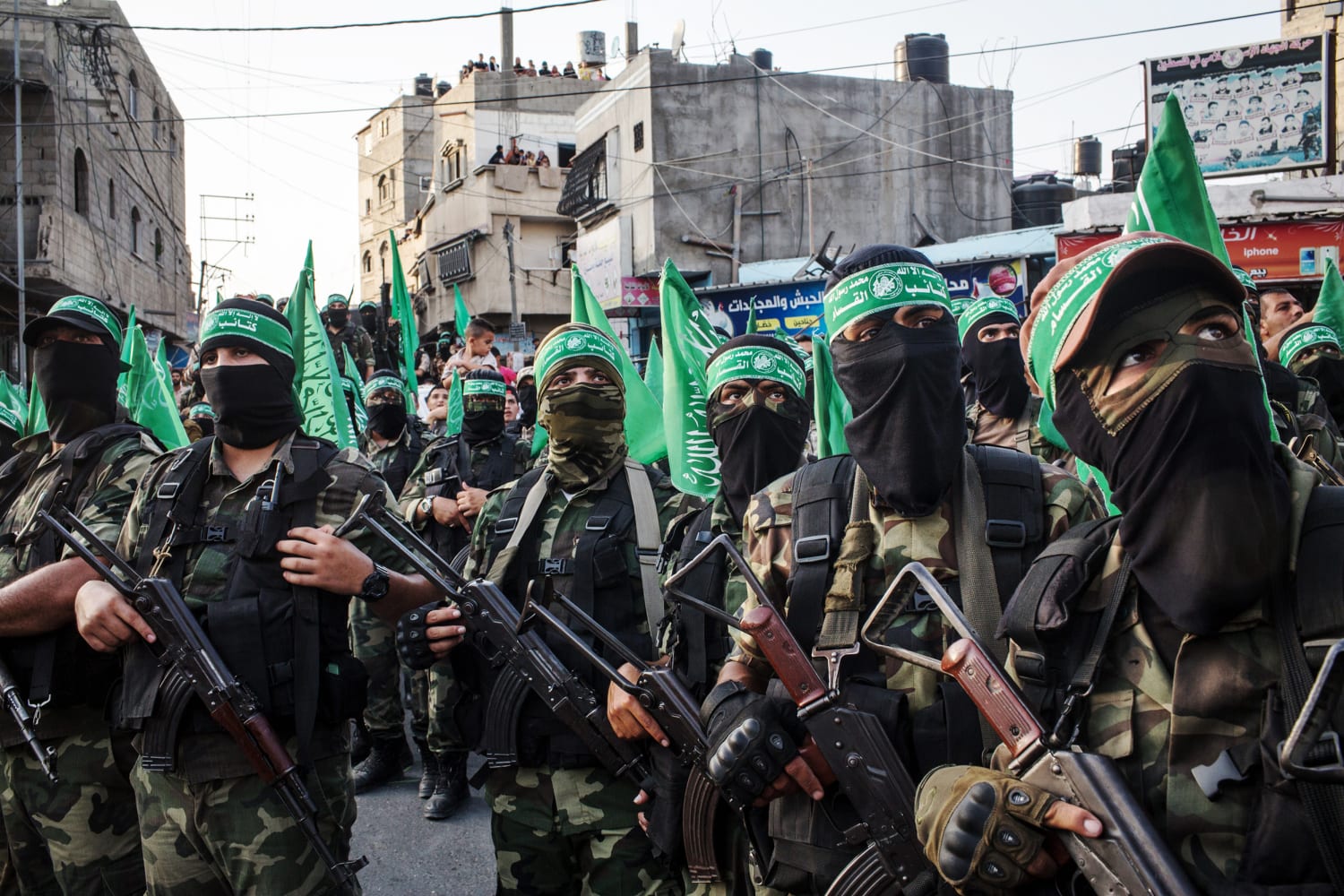
At the heart of Hamas’s struggle lies a potent blend of religious conviction and national aspiration. Its foundational charter, though amended over time, consistently emphasizes a commitment to Islam as the guiding principle for life and governance. This is not merely a matter of personal piety; it is a deeply held belief that the land of historic Palestine is an Islamic Waqf (endowment), sacred and inalienable, and therefore not subject to negotiation or partition.
Religious Imperative: A Sacred Duty
For Hamas, the struggle is framed as a religious duty – a jihad – to reclaim this perceived Islamic land from what they consider foreign occupation. This religious framing imbues their actions with a sense of divine mandate, making compromise appear not only undesirable but also a betrayal of sacred trust. This perspective draws parallels with other religiously motivated movements throughout history, where faith provides a powerful impetus for collective action and resistance against perceived oppression. The language used by Hamas often reflects this, invoking divine support and portraying their fight as a righteous cause ordained by God. This religious dimension is crucial for understanding the unwavering commitment of many of its members and supporters, who see their participation as a spiritual obligation.
National Identity and Self-Determination: The Palestinian Cause
Intertwined with its religious ideology is the fierce nationalism that fuels Hamas. The group asserts itself as a vanguard of the Palestinian people’s right to self-determination and liberation. They view the establishment of Israel in 1948 as the “Nakba” (catastrophe), a displacement and dispossession of Palestinians from their ancestral homeland. Hamas, therefore, fundamentally rejects the existence of Israel as a legitimate state within any borders. Their primary political objective, as consistently articulated, is the liberation of all of historic Palestine and the establishment of an independent Palestinian state, with Jerusalem as its capital. This aspiration is not unique to Hamas; it is a deeply ingrained desire shared by a significant portion of the Palestinian population. However, Hamas’s approach to achieving this goal is diametrically opposed to that of more moderate factions.
Rejection of the Two-State Solution: A Fundamental Stance
Unlike the Palestinian Authority, which has largely pursued a two-state solution through diplomatic means, Hamas has historically rejected this framework. Their insistence on the liberation of all of historic Palestine means that any agreement that cedes territory to Israel and establishes a Palestinian state alongside it is deemed insufficient. This uncompromising stance is a defining characteristic of Hamas’s political platform and a significant impediment to peace negotiations. Their supporters often see this as a principled stand against what they perceive as concessions that legitimize the ongoing occupation and erase Palestinian rights.
Strategic Objectives: Beyond Mere Existence
While the ideological underpinnings are vital, understanding what Hamas is fighting for also necessitates an examination of its strategic objectives. These goals are dynamic and have evolved in response to changing political realities and the group’s evolving capacity.
Challenging Israeli Occupation and Control: The Primary Battlefield
The most immediate and tangible objective of Hamas’s fight is to challenge and ultimately end the Israeli occupation of Palestinian territories, particularly the Gaza Strip, the West Bank, and East Jerusalem. This involves a multi-pronged strategy encompassing armed resistance, political maneuvering, and the provision of social services to gain popular support.
Armed Resistance: The Tool of Leverage
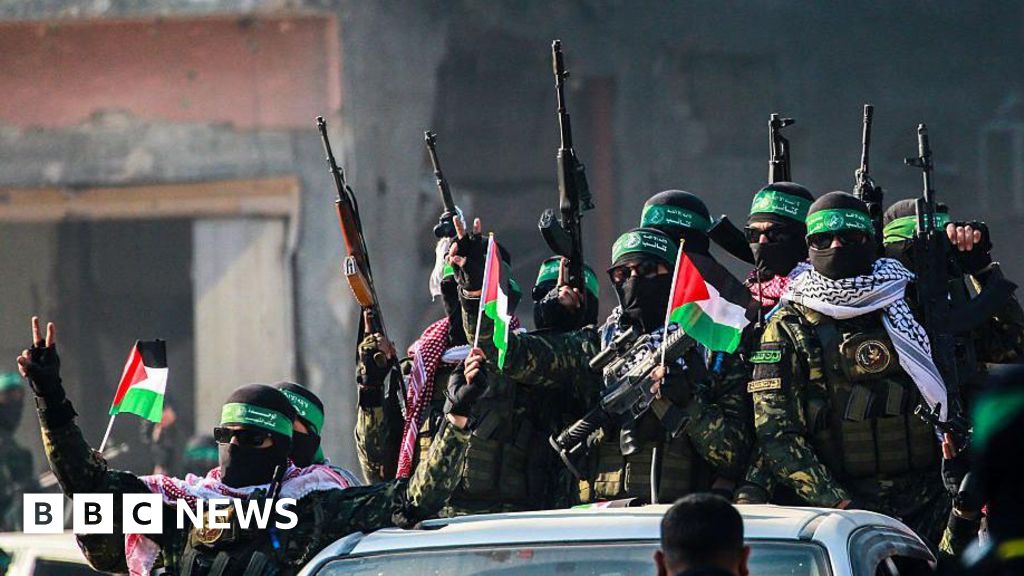
Hamas views armed resistance as a legitimate and necessary tool to resist occupation and force concessions from Israel. This includes rocket attacks, incursions, and other forms of violent confrontation. The group’s leadership often frames these actions as defensive measures, a response to Israeli aggression and policies that they believe aim to annex Palestinian land and subjugate its people. The efficacy of this strategy is debated, with proponents arguing it keeps the Palestinian issue on the international agenda and forces Israel to engage, while critics point to the immense human cost and the international condemnation it elicits.
Political and Diplomatic Engagement: A Parallel Track
Despite its emphasis on armed struggle, Hamas has also engaged in the political arena. It participated in Palestinian elections in 2006, winning a majority of seats in the Palestinian Legislative Council, a victory that significantly altered the Palestinian political landscape. This demonstrated a desire to govern and implement its agenda through political means, albeit on its own terms. Their subsequent control of Gaza, following internal conflict with Fatah, further solidified their political standing in that territory. While their international recognition remains minimal, they continuously seek avenues for diplomatic engagement that align with their core objectives.
Unifying the Palestinian Cause: The Dream of a Single Front
A significant, though often unrealized, strategic objective for Hamas is the unification of the Palestinian national movement under a single, cohesive leadership that espouses their vision. Internal divisions within the Palestinian leadership, particularly the rift between Hamas and Fatah (the dominant faction in the Palestinian Authority), have been a persistent challenge. Hamas views the current Palestinian Authority as having capitulated to Israeli demands and seeks to present itself as the true representative of Palestinian aspirations for full liberation. Their efforts to bridge this divide, often through reconciliation talks, are driven by the belief that a united front would be far more effective in achieving their ultimate goals.
International Pressure and De-legitimization of Israel: Shaping Perceptions
Hamas actively seeks to mobilize international pressure against Israel and to delegitimize its actions and existence. This involves leveraging international forums, engaging with media outlets, and utilizing social media to disseminate their narrative and garner global sympathy. They aim to highlight alleged Israeli human rights abuses, discriminatory policies, and the impact of the occupation, hoping to sway international opinion and potentially lead to sanctions or other forms of diplomatic pressure against Israel.
The “What Else?” Beyond the Core: Social Services and Governance
The narrative of Hamas is often incomplete without acknowledging its role in providing social services and its de facto governance within Gaza. This aspect is crucial for understanding its popular support and its ability to sustain its operations.
Social Welfare and Community Support: Building a Base
Beyond its militant wing, Hamas operates an extensive network of social institutions, including schools, hospitals, orphanages, and welfare programs. These services are particularly vital in Gaza, a territory facing severe economic hardship and blockades. By providing essential services that the official Palestinian Authority or international aid bodies have struggled to adequately deliver, Hamas cultivates a strong base of popular support and loyalty. This demonstrates a pragmatic approach to governance, ensuring the well-being of the population it claims to represent, thereby reinforcing its legitimacy in the eyes of many Gazans.

Shaping Public Discourse and Identity: The Long Game
Hamas also invests significantly in shaping public discourse through media, religious sermons, and educational curricula. This is a long-term strategy aimed at reinforcing its ideology, promoting its narrative of resistance, and fostering a sense of Palestinian national and religious identity aligned with its worldview. By controlling information channels and influencing the ideological development of future generations, Hamas seeks to ensure the continuity of its cause.
In conclusion, the question of “what Hamas is fighting for” reveals a complex interplay of deeply ingrained religious ideology, fervent Palestinian nationalism, and pragmatic strategic objectives. Their fight is fundamentally rooted in a belief in the sacredness of the land, a rejection of Israeli occupation, and an aspiration for an independent Palestinian state across all of historic Palestine. While their methods are contentious and their goals appear distant to many, understanding the ideological bedrock, strategic aims, and the practical aspects of their governance is essential for any meaningful engagement with the enduring Palestinian question. The answer is not a single pronouncement, but a nuanced understanding of their multifaceted motivations and their relentless pursuit of a vision that defines their struggle.
aViewFromTheCave is a participant in the Amazon Services LLC Associates Program, an affiliate advertising program designed to provide a means for sites to earn advertising fees by advertising and linking to Amazon.com. Amazon, the Amazon logo, AmazonSupply, and the AmazonSupply logo are trademarks of Amazon.com, Inc. or its affiliates. As an Amazon Associate we earn affiliate commissions from qualifying purchases.