
Graphic design is the art and practice of planning and projecting ideas and experiences with visual and textual content. It’s the silent language that speaks volumes, influencing how we perceive brands, understand information, and interact with the world around us. More than just making things look pretty, graphic design is a strategic discipline that blends creativity with problem-solving, utilizing typography, imagery, color, and layout to communicate messages effectively. In today’s visually saturated digital landscape, understanding graphic design is crucial for businesses, individuals, and anyone looking to make an impact.
The core purpose of graphic design is to communicate. Whether it’s to inform, persuade, entertain, or evoke emotion, graphic designers are tasked with translating abstract concepts into tangible visual forms. This can range from the logo that represents a multi-billion dollar corporation to the intuitive interface of a mobile app, from an eye-catching advertisement to a thought-provoking poster.
The Pillars of Graphic Design: Visual Elements and Principles
At its heart, graphic design is built upon a foundation of visual elements and principles. Understanding these building blocks is key to appreciating the craft and its impact.
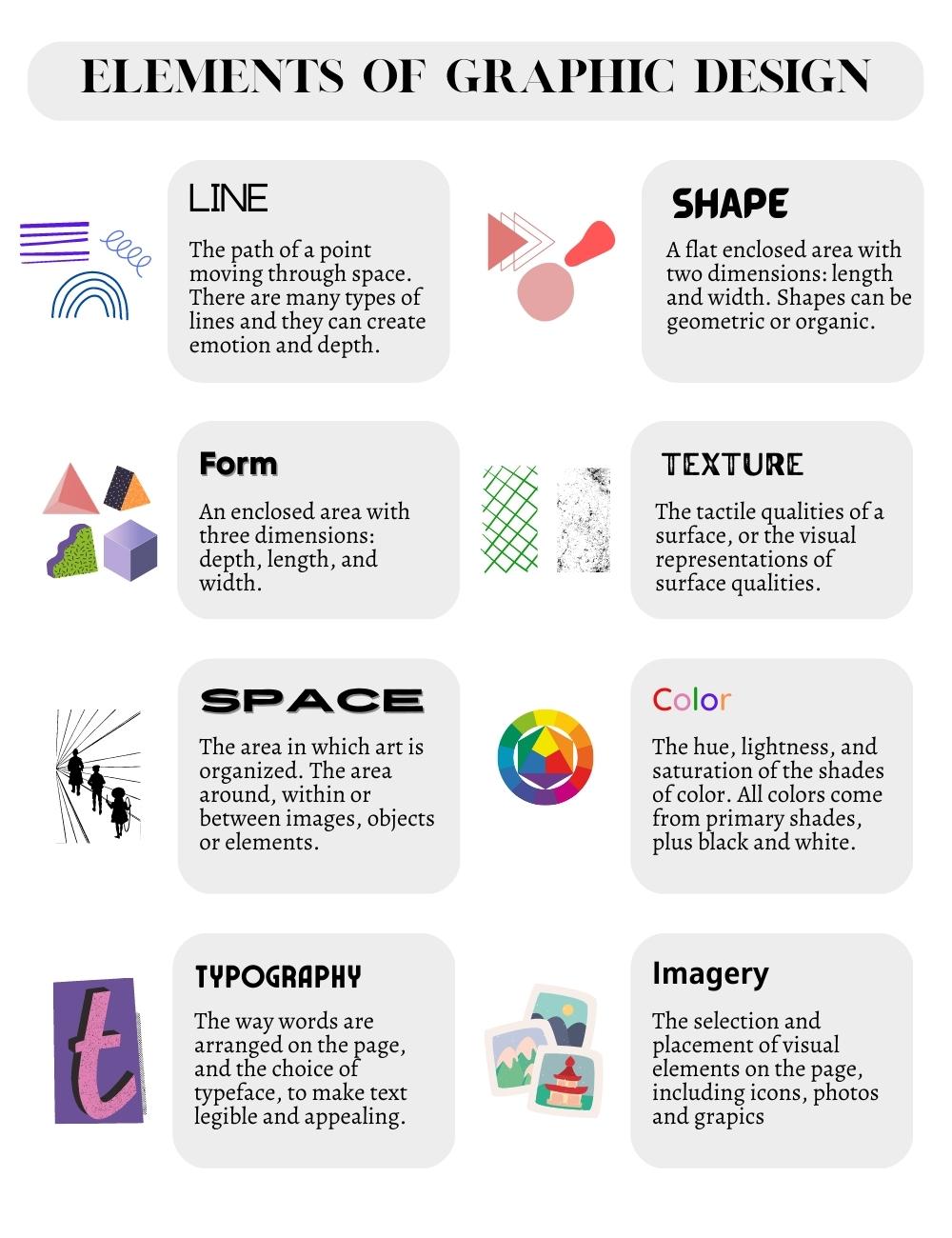
Visual Elements: The Designer’s Palette
These are the fundamental components that designers use to construct their visual language:
- Line: Lines can be straight, curved, thick, thin, dashed, or solid. They can be used to create shapes, divide space, guide the eye, and convey a sense of movement or direction. Think of the clean lines of a minimalist logo or the dynamic lines in a sports advertisement.
- Shape: Shapes are two-dimensional areas defined by lines or color. They can be geometric (squares, circles, triangles) or organic (free-flowing, irregular). Shapes are powerful for creating visual interest, establishing hierarchy, and forming recognizable symbols. A company’s logo is often a prime example of effective shape usage.
- Color: Color is perhaps the most potent visual element. It evokes emotions, sets moods, creates associations, and can significantly influence perception. Understanding color theory, including complementary, analogous, and monochromatic schemes, is vital for designers. Think about how the color red can signify passion or danger, while blue might suggest trust and stability.
- Texture: Texture refers to the perceived surface quality of an object. While graphic design is primarily two-dimensional, designers can simulate texture through patterns, shading, or the use of imagery. This can add depth, realism, and a tactile feel to designs, even on a screen.
- Typography: Typography is the art and technique of arranging type. It involves selecting fonts, controlling their size, spacing (kerning, leading, tracking), and color to enhance readability and convey specific messages or moods. The choice of font can dramatically alter the tone of a document or website, from formal and authoritative to friendly and casual.
- Space: Space, or negative space, is the area around and between elements in a design. It’s not just empty space; it’s a crucial element that can give breathing room to your design, highlight important elements, and create a sense of balance and sophistication. Overcrowded designs often struggle to communicate their message effectively.
Design Principles: The Architect’s Blueprint
These principles guide how the visual elements are arranged to create effective and aesthetically pleasing compositions:
- Balance: Balance refers to the distribution of visual weight in a design. This can be symmetrical (elements mirrored on either side of a central axis) or asymmetrical (elements arranged in a way that creates visual equilibrium without perfect mirroring). Balanced designs feel stable and harmonious.
- Contrast: Contrast is the juxtaposition of opposing elements, such as light and dark colors, large and small shapes, or different font styles. Contrast helps to create visual interest, draw attention to key elements, and improve readability by differentiating information.
- Emphasis (Hierarchy): Emphasis is about making certain elements stand out more than others. This is achieved through various techniques like size, color, contrast, or placement. Hierarchy guides the viewer’s eye through the design, ensuring they see the most important information first.
- Repetition: Repetition involves reusing certain elements, such as colors, shapes, or fonts, throughout a design. This creates a sense of unity, consistency, and strengthens the overall visual identity. Think of a brand that consistently uses its specific color palette and font across all its materials.
- Proximity: Proximity is the principle of grouping related items together. This helps to organize information, create visual relationships, and make the design easier to understand. Elements that are close to each other are perceived as belonging together.
- Alignment: Alignment refers to the placement of elements along common edges or centers. Well-aligned designs appear organized, clean, and professional. Misaligned elements can make a design look sloppy and unprofessional.
- White Space (Negative Space): As mentioned under space, white space is critical for giving elements room to breathe and for creating focus. It enhances readability and can contribute significantly to the overall aesthetic.
The Diverse World of Graphic Design Applications
Graphic design isn’t confined to a single medium. Its principles are applied across a vast array of industries and platforms, touching nearly every aspect of modern life.
Branding and Corporate Identity
At the forefront of graphic design’s impact is branding. A strong brand identity is built on consistent and memorable visual communication. This encompasses:
- Logos: The iconic symbol that represents a company or organization. A well-designed logo is instantly recognizable, versatile, and encapsulates the brand’s essence.
- Brand Guidelines: A comprehensive document that outlines how a brand’s visual elements should be used, including color palettes, typography, logo usage, and imagery style. This ensures consistency across all marketing and communication materials.
- Stationery: Business cards, letterheads, and envelopes that carry the brand’s visual identity, projecting professionalism and recognition.
- Packaging: The design of product packaging, which is crucial for attracting consumers, conveying product information, and differentiating from competitors on crowded shelves.
Marketing and Advertising
Graphic design plays a pivotal role in capturing attention and persuading audiences in marketing and advertising. This includes:
- Advertisements: Print ads, digital banners, social media graphics, and video graphics designed to promote products or services.
- Brochures and Flyers: Informational materials used to detail offerings and promotions.
- Infographics: Visually engaging representations of data and information, making complex topics easily digestible and shareable.
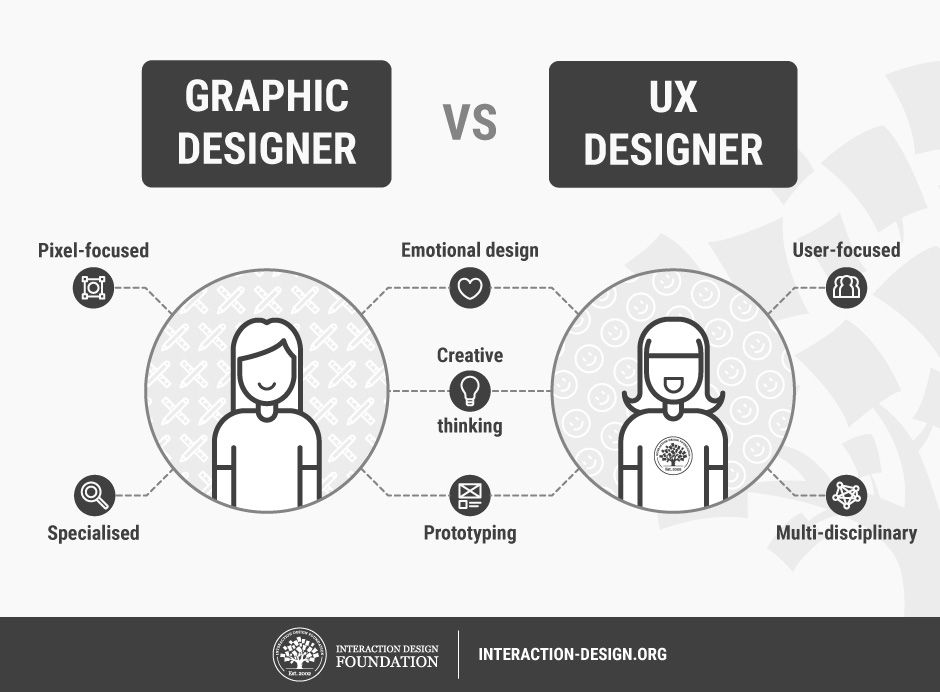
- Website Design & UI/UX: While a broad field, the visual design of websites and user interfaces (UI) falls under graphic design. This ensures a brand’s online presence is attractive, user-friendly, and aligns with its overall identity. User Experience (UX) design focuses on how a user interacts with a product or service, and visual design is a key component of that experience.
Digital Media and User Interface Design
In the digital realm, graphic design is indispensable for creating engaging and intuitive experiences:
- Website Graphics: Images, icons, and layout elements that contribute to the overall look and feel of a website.
- Mobile App Design (UI/UX): The visual interface of apps, ensuring ease of use, aesthetic appeal, and brand consistency.
- Social Media Graphics: Eye-catching visuals for platforms like Instagram, Facebook, and Twitter, optimized for engagement and sharing.
- Email Marketing Graphics: Designing visually appealing newsletters and promotional emails.

Publications and Print Design
Despite the digital shift, print remains a vital medium where graphic design excels:
- Book Covers and Layouts: Designing compelling covers that attract readers and arranging interior text and images for readability and aesthetic appeal.
- Magazine and Newspaper Layouts: Organizing articles, images, and advertisements to create visually appealing and informative publications.
- Posters and Signage: Creating impactful visuals for events, public spaces, and promotions.
The Evolution of Graphic Design: From Analog to Digital and Beyond
Graphic design has undergone a dramatic transformation since its inception. Initially, design was a laborious, hands-on process involving physical materials. The advent of technology, however, has revolutionized the field.
The Analog Era
In the early days, designers worked with tools like pencils, ink, paper, and typewriters. Layouts were meticulously assembled by hand, with headlines and body text often being physically set by typesetters. Photography involved darkrooms and manual printing processes. Every element was physical and required significant time and skill to manipulate.
The Digital Revolution
The introduction of personal computers and graphic design software like Adobe Photoshop, Illustrator, and InDesign marked a paradigm shift. This digital era brought about:
- Efficiency and Speed: Designers could now create, edit, and manipulate visuals with unprecedented speed and ease.
- Versatility: Digital tools allowed for a wider range of effects, color manipulation, and graphic styles that were previously impossible or incredibly difficult.
- Accessibility: While professional software can be expensive, the digital nature of design has made creative tools more accessible to a broader audience, fostering a new generation of designers.
- New Mediums: The rise of the internet and digital devices opened up entirely new avenues for graphic design, from web design to app interfaces.
The Influence of AI and Emerging Technologies
Today, graphic design is at another inflection point with the rapid advancement of Artificial Intelligence (AI) and other emerging technologies.
- AI-Powered Design Tools: AI is increasingly being integrated into design software, assisting with tasks such as image generation, content creation, layout suggestions, and even automating repetitive design processes. Tools like Midjourney, DALL-E, and Adobe Firefly are democratizing aspects of visual creation.
- Automation and Efficiency: AI can streamline workflows, allowing designers to focus more on conceptualization and strategy rather than manual execution.
- Personalization and Data-Driven Design: AI can analyze user data to inform design decisions, leading to more personalized and effective user experiences.
- Ethical Considerations: The rise of AI in graphic design also brings forth important discussions around originality, copyright, the future of the design profession, and the potential for AI-generated content to devalue human creativity.
The Role of Graphic Designers in the Modern Landscape
In an era overflowing with information and visual stimuli, the role of a graphic designer is more critical than ever. They are not just artists but strategists, communicators, and problem-solvers.
Beyond Aesthetics: Problem-Solving and Strategy
A graphic designer’s primary function is to solve visual communication problems. This involves understanding a client’s goals, target audience, and the message they wish to convey. The design is not an end in itself but a means to achieve a specific objective, whether it’s increasing sales, building brand loyalty, or educating the public.
Essential Skills for Graphic Designers
To excel in this dynamic field, graphic designers need a blend of technical and soft skills:
- Creativity and Artistic Vision: The ability to generate original ideas and translate them into compelling visual forms.
- Proficiency in Design Software: Mastery of industry-standard tools like Adobe Creative Suite (Photoshop, Illustrator, InDesign) and increasingly, AI-powered platforms.
- Understanding of Design Principles: A strong grasp of typography, color theory, layout, and composition.
- Communication and Collaboration: The ability to understand client briefs, articulate design choices, and work effectively with teams.
- Problem-Solving Aptitude: Approaching design challenges with a strategic and analytical mindset.
- Adaptability and Continuous Learning: Staying abreast of new trends, technologies, and software.
- Brand Awareness: Understanding how design contributes to building and maintaining a strong brand identity.
Conclusion: The Enduring Power of Visual Communication
In conclusion, graphic design is a multifaceted discipline that weaves together art, technology, and strategy to communicate effectively in a visual world. From the logos that define our favorite brands to the interfaces that guide our digital interactions, graphic design shapes our perceptions, influences our decisions, and enriches our experiences. As technology continues to evolve, so too will the tools and techniques of graphic design, but its fundamental purpose – to convey meaning through compelling visuals – will remain constant. Whether you’re a business owner looking to make your mark, an aspiring creative, or simply a curious observer, understanding what graphic design is and the impact it has is an essential part of navigating our increasingly visual landscape.
aViewFromTheCave is a participant in the Amazon Services LLC Associates Program, an affiliate advertising program designed to provide a means for sites to earn advertising fees by advertising and linking to Amazon.com. Amazon, the Amazon logo, AmazonSupply, and the AmazonSupply logo are trademarks of Amazon.com, Inc. or its affiliates. As an Amazon Associate we earn affiliate commissions from qualifying purchases.