
Gonorrhea, a common sexually transmitted infection (STI), is often spoken about in hushed tones, leading to misinformation and stigma. However, understanding its cause is the first step towards prevention, early detection, and effective treatment. At its core, gonorrhea is a bacterial infection, a microscopic organism that, when transmitted, can lead to a range of health issues if left untreated. This article will delve into the specific culprit behind gonorrhea and explore the broader implications of understanding infectious agents in our increasingly digital and interconnected world, touching upon elements of technology, brand perception, and financial implications.
The Culprit: Neisseria gonorrhoeae – A Microscopic Adversary
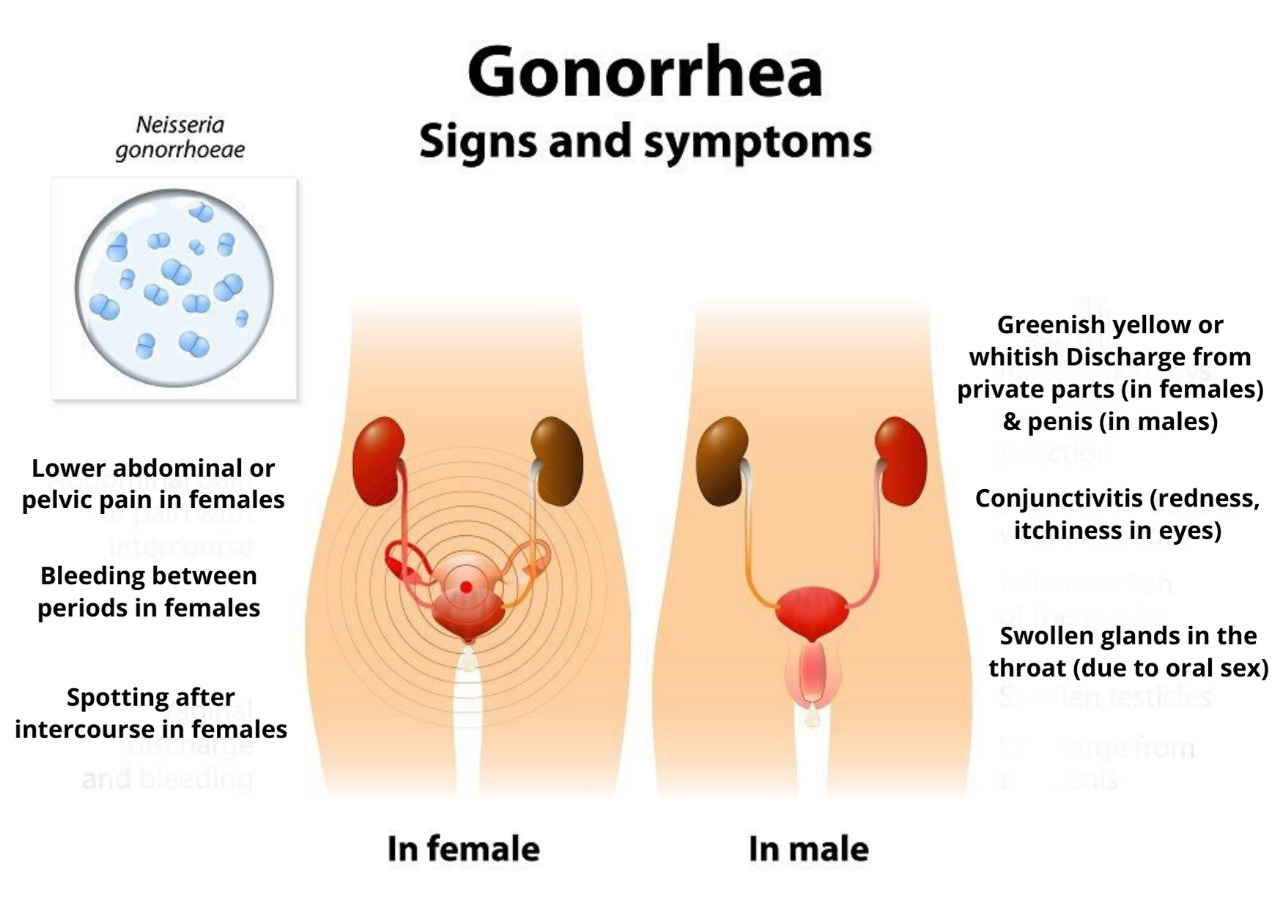
The direct answer to “what is gonorrhea caused by?” is a bacterium named Neisseria gonorrhoeae. This gram-negative diplococcus, meaning it’s a spherical bacterium that appears in pairs and stains pink with the Gram stain method, is the sole cause of the infection. Neisseria gonorrhoeae is a particularly adept pathogen, capable of infecting various mucous membranes in the body, primarily the genitals, rectum, and throat. It can also infect the eyes, particularly in newborns who contract it during birth.
The bacterium thrives in warm, moist environments, making these mucosal surfaces ideal for its growth and replication. Once introduced to a new host through sexual contact, it adheres to the epithelial cells lining these areas. It then triggers an inflammatory response, which is the body’s attempt to fight off the infection, but this inflammation also contributes to many of the symptoms associated with gonorrhea.
How Neisseria gonorrhoeae Spreads: The Mechanism of Transmission
Understanding how Neisseria gonorrhoeae spreads is crucial for effective prevention. The primary mode of transmission is through sexual contact, including vaginal, anal, and oral sex. The bacteria are present in the semen of infected men and in the vaginal fluids of infected women. When these fluids come into contact with the mucous membranes of another person during sexual activity, the bacteria can transfer and establish an infection.
It’s important to note that transmission can occur even when ejaculation does not happen. In fact, a person can transmit and contract gonorrhea even if they have no symptoms. This asymptomatic transmission is a significant factor in the spread of STIs, as individuals may unknowingly pass the infection to their partners.
Anal and Oral Transmission: Beyond Genital Contact
While often associated with genital contact, gonorrhea can also be transmitted through anal and oral sex.
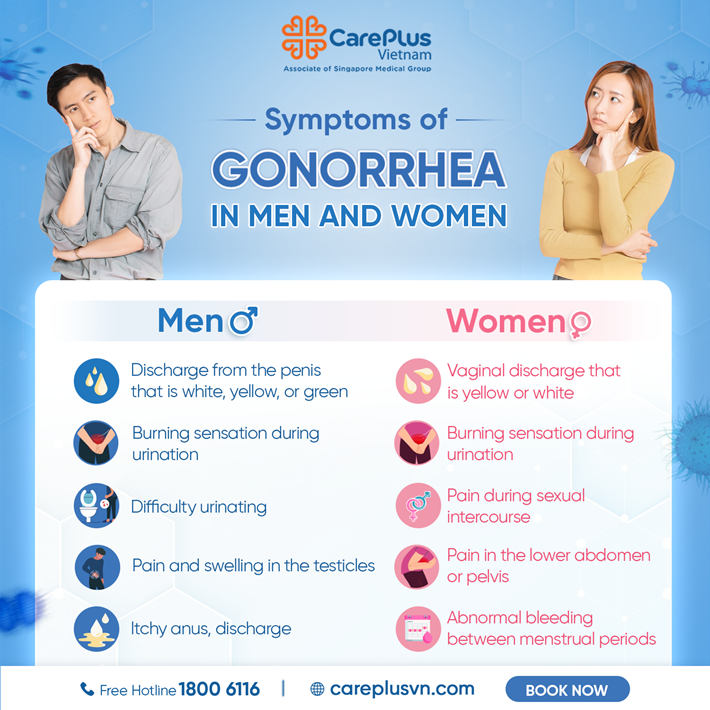
- Anal Sex: Bacteria from an infected individual’s genitals can be transferred to the rectum during anal intercourse, leading to rectal gonorrhea. Conversely, bacteria present in the rectum can be transmitted to the genitals or throat. Symptoms of rectal gonorrhea can include discharge, itching, soreness, bleeding, and pain during bowel movements, though many individuals remain asymptomatic.
- Oral Sex: Oral sex, whether performed on the genitals or anus, can also lead to gonorrhea. Bacteria from the genitals or anus can infect the throat, causing pharyngeal gonorrhea. This often goes unnoticed as symptoms can be mild or absent, appearing as a sore throat that doesn’t resolve. However, if left untreated, it can still cause complications and be transmitted to others.
The Impact of Antibiotic Resistance: A Growing Concern
A significant and increasingly worrying aspect of Neisseria gonorrhoeae is its remarkable ability to develop antibiotic resistance. This means that the bacteria can evolve and become resistant to the drugs that were once effective in treating the infection. This is not unique to gonorrhea; antibiotic resistance is a global health crisis impacting various bacterial infections.

Historically, gonorrhea was treated with penicillin. However, the bacteria quickly developed resistance, leading to the use of other antibiotics. Today, multidrug-resistant strains of Neisseria gonorrhoeae are a major concern. Public health organizations, like the World Health Organization (WHO) and the Centers for Disease Control and Prevention (CDC), are closely monitoring these resistant strains and recommending treatment regimens that often involve a combination of antibiotics to combat the evolving threat. The ongoing “arms race” between bacteria and medicine highlights the need for continued research and development of new treatments.
Beyond the Biology: The Digital and Brand Landscape of Health Information
While the biological cause of gonorrhea is straightforward, understanding and disseminating this information in today’s world is a complex interplay of technology, branding, and financial considerations.
Technology’s Role in Detection, Prevention, and Education
Technology plays a pivotal role in how we understand, detect, and prevent STIs like gonorrhea.
- Diagnostic Tools and Apps: Advancements in medical technology have led to more rapid and accurate diagnostic tests. From traditional lab cultures to newer molecular tests that can detect the bacteria’s genetic material, technology is speeding up diagnosis. Furthermore, health-focused apps are emerging that can provide information about STIs, locate testing centers, and even offer anonymous consultations. These digital tools democratize access to health information and support.
- Data Analytics and Public Health Surveillance: Tracking the incidence and spread of gonorrhea relies heavily on technology. Public health agencies use sophisticated data analytics to monitor infection rates, identify hotspots, and understand transmission patterns. This information is crucial for developing targeted prevention campaigns and allocating resources effectively. AI tools are increasingly being explored to predict outbreaks and identify at-risk populations.
- Educational Platforms and Digital Security: The internet has become a primary source of health information for many. Websites, educational videos, and social media campaigns are vital for raising awareness about gonorrhea, its causes, symptoms, and prevention. However, this also brings challenges related to digital security and the spread of misinformation. It’s crucial for individuals to rely on credible sources and for platforms to implement measures to combat false health claims. Technology can also enable secure and private channels for individuals to seek advice or information without fear of judgment.
Branding Health Messages: Trust, Reputation, and Awareness
The way health information, especially concerning sensitive topics like STIs, is branded significantly impacts its reach and effectiveness.
- Building Trust in Health Communication: Public health organizations and healthcare providers need to build a strong brand of trustworthiness. When a message about gonorrhea prevention comes from a reputable source, it’s more likely to be believed and acted upon. This involves consistent, accurate, and empathetic communication. A brand that is perceived as caring and knowledgeable will resonate more effectively than one that appears clinical or judgmental.
- Personal Branding and Health Advocacy: Individuals can leverage their personal branding to become health advocates, sharing accurate information about STIs within their communities. This can involve creating content on social media, writing blog posts, or participating in public discussions. The key is to establish credibility and present information in an accessible and non-stigmatizing way.
- Corporate Identity and Social Responsibility: Even non-health-related companies can play a role. Their corporate identity can be enhanced by supporting public health initiatives or creating content that promotes sexual health awareness. This demonstrates social responsibility and can positively influence their reputation. Marketing campaigns designed to educate about STIs need to be carefully crafted to avoid alienating audiences while still conveying the seriousness of the issue.
Financial Implications: The Cost of Untreated Gonorrhea and Health Access
The financial implications surrounding gonorrhea are multifaceted, impacting individuals, healthcare systems, and the economy.
- Personal Finance and Healthcare Costs: Untreated gonorrhea can lead to serious health complications, including pelvic inflammatory disease (PID) in women, which can cause chronic pelvic pain, ectopic pregnancy, and infertility. In men, it can lead to epididymitis, which can affect fertility. These complications often require extensive and costly medical treatment, impacting personal finance. The cost of testing, treatment, and managing long-term complications can be significant.
- Investing in Prevention and Public Health: Investing in public health initiatives that focus on STI prevention, education, and accessible testing is a sound financial strategy. The cost of preventing gonorrhea and other STIs is significantly lower than the cost of treating the resulting complications. This aligns with the principles of preventative investing, where early investment yields greater returns.
- Financial Tools and Accessibility to Care: The availability of financial tools and insurance can significantly impact an individual’s ability to access timely and appropriate healthcare for gonorrhea. For those without insurance or with high deductibles, the cost of testing and treatment can be a barrier, potentially leading to delayed care and more severe health outcomes. Exploring affordable healthcare options and understanding insurance coverage for STI testing and treatment is crucial for individuals to manage their financial well-being in relation to their health.
Conclusion: A Holistic Approach to Combating Gonorrhea
In conclusion, gonorrhea is caused by the bacterium Neisseria gonorrhoeae. Understanding this fundamental biological fact is the cornerstone of combating the infection. However, in our modern world, addressing this challenge requires a more holistic approach that integrates technological advancements, strategic branding of health messages, and a clear understanding of the financial implications. By leveraging technology for education and diagnostics, building trust through effective branding, and ensuring financial accessibility to care, we can collectively work towards reducing the incidence and impact of gonorrhea. The fight against this persistent STI is not just a medical one; it’s a testament to how we navigate information, build societal trust, and prioritize health as a fundamental aspect of individual and collective well-being.
aViewFromTheCave is a participant in the Amazon Services LLC Associates Program, an affiliate advertising program designed to provide a means for sites to earn advertising fees by advertising and linking to Amazon.com. Amazon, the Amazon logo, AmazonSupply, and the AmazonSupply logo are trademarks of Amazon.com, Inc. or its affiliates. As an Amazon Associate we earn affiliate commissions from qualifying purchases.