
In the vast landscape of human health and wellness, certain compounds consistently emerge as crucial players, and glutathione stands out as a prime example. Often dubbed the “master antioxidant,” this remarkable molecule plays a pivotal role in maintaining cellular integrity, detoxification, and immune function. While its name might sound complex, understanding what glutathione is and how it impacts our well-being can unlock insights into optimizing our health, potentially even influencing our approach to productivity and personal care.
The Science Behind the Master Antioxidant: Decoding Glutathione’s Structure and Function
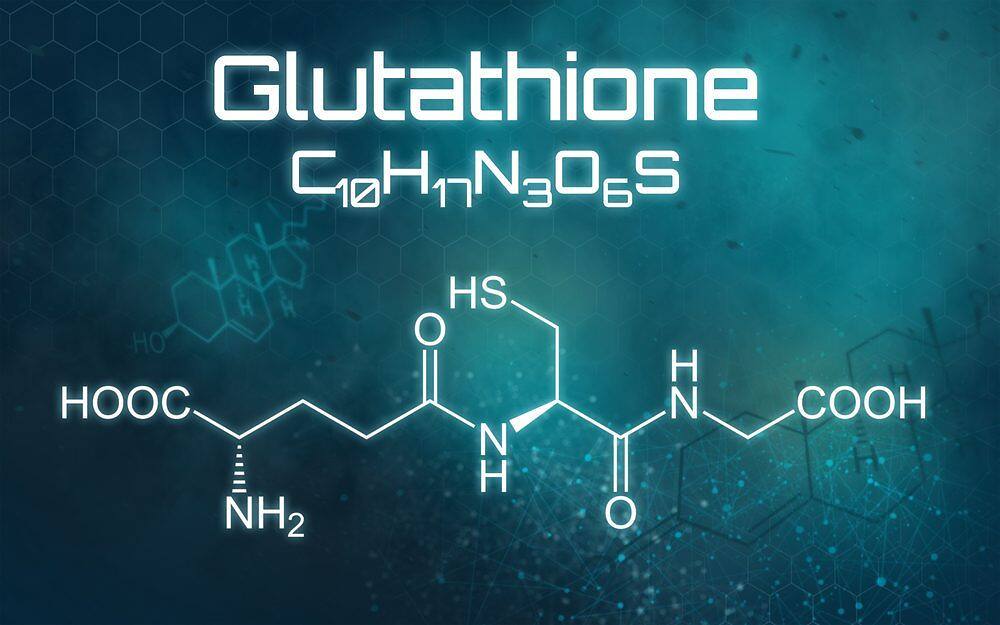
At its core, glutathione is a tripeptide, meaning it’s a small protein composed of three amino acids: cysteine, glutamic acid, and glycine. This seemingly simple structure belies its profound importance within our cells. Glutathione is produced naturally by our bodies, with its synthesis primarily occurring in the liver. However, its influence extends far beyond this single organ, permeating virtually every cell in our body, including those in the brain, lungs, and immune system.
Glutathione’s Role as a Cellular Guardian: The Antioxidant Powerhouse
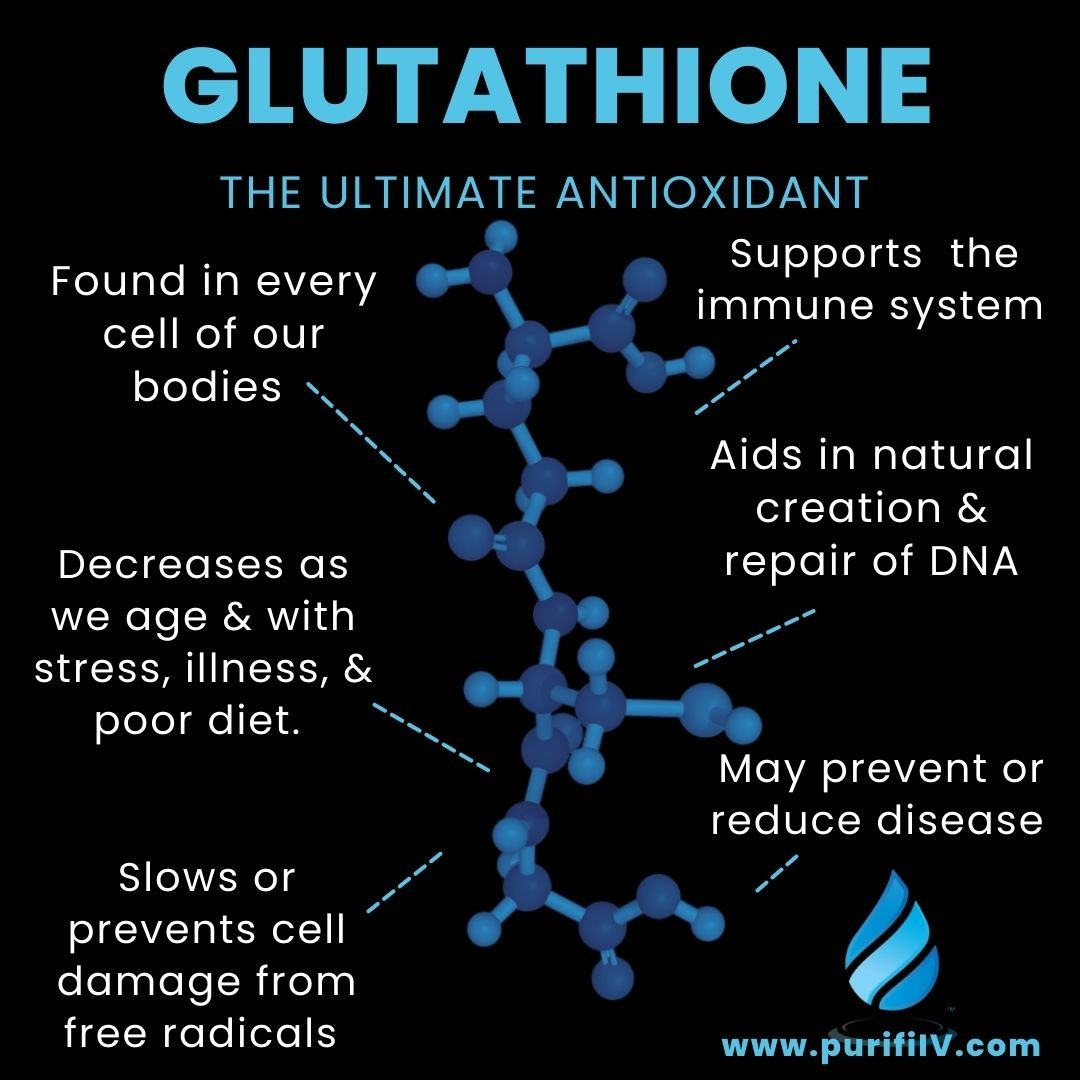
The term “antioxidant” is frequently used in health and wellness circles, but its significance cannot be overstated. Our bodies are constantly engaged in a battle against oxidative stress, a process caused by unstable molecules called free radicals. These free radicals can damage cells, leading to inflammation, aging, and an increased risk of chronic diseases. This is where glutathione shines.
Glutathione’s primary function is to neutralize these harmful free radicals. It acts as a direct scavenger, donating an electron to stabilize them and prevent them from causing cellular damage. But its antioxidant prowess doesn’t stop there. Glutathione also plays a crucial role in regenerating other antioxidants, such as vitamin C and vitamin E, amplifying their protective effects. Think of it as the ultimate conductor of the antioxidant orchestra, ensuring all its members are working in harmony to protect our cells. This continuous cellular protection is fundamental for maintaining optimal bodily functions, impacting everything from our energy levels to our cognitive abilities.
Detoxification: The Body’s Built-in Purification System
Beyond its antioxidant capabilities, glutathione is a cornerstone of our body’s detoxification processes. It’s a key player in the liver’s ability to neutralize and eliminate toxins, both those we ingest (like pollutants and certain foods) and those produced internally as byproducts of metabolism.
Glutathione binds to these harmful substances, a process known as conjugation. This binding makes them more water-soluble, allowing them to be more easily excreted from the body through bile and urine. This detoxification pathway is vital for protecting our organs from damage and maintaining overall physiological balance. Without sufficient glutathione, our bodies would struggle to cope with the constant onslaught of toxins, leading to a build-up that can manifest in various health issues. This cleansing action is essential for maintaining a healthy internal environment, which can indirectly support aspects of our mental clarity and physical vitality.
Factors Influencing Glutathione Levels: From Lifestyle to Supplementation
While our bodies naturally produce glutathione, its levels can be influenced by a multitude of factors. Understanding these influences can help us make informed choices to support optimal glutathione production and utilization.
Lifestyle Choices: The Pillars of Glutathione Support
Several aspects of our daily lives significantly impact our glutathione levels:
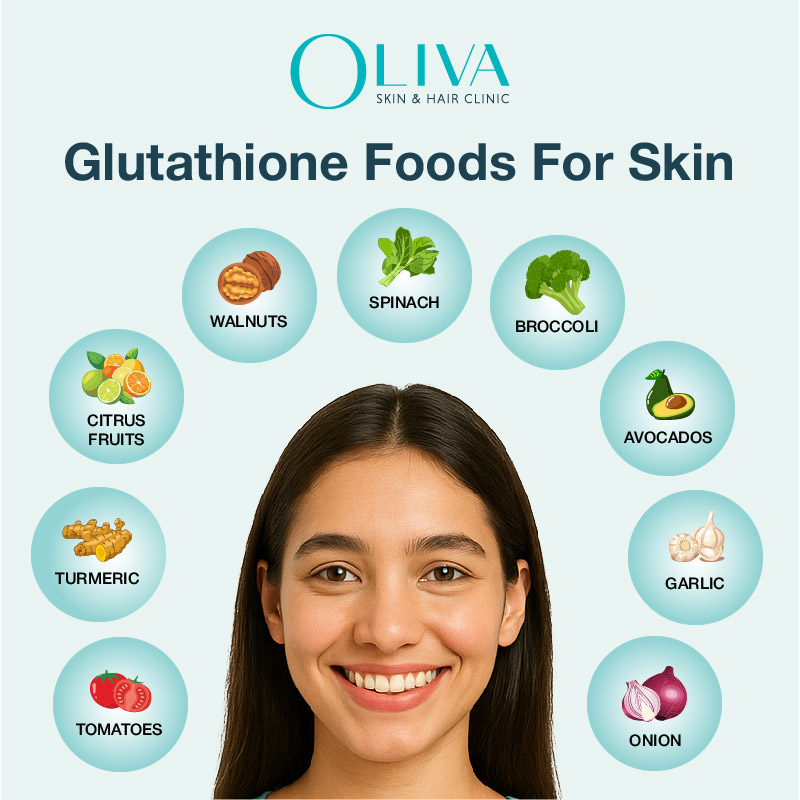
- Diet: A diet rich in sulfur-containing amino acids is crucial for glutathione synthesis. Foods like cruciferous vegetables (broccoli, cauliflower, Brussels sprouts), garlic, onions, and eggs are excellent sources of these building blocks. Additionally, consuming foods rich in selenium, another essential cofactor for glutathione production, such as Brazil nuts, fish, and lean meats, is highly recommended. Vitamins C and E also play a role in supporting glutathione’s function and regeneration.
- Sleep: Adequate and quality sleep is fundamental for cellular repair and regeneration, including the processes involved in glutathione synthesis. Chronic sleep deprivation can disrupt these processes and lead to lower glutathione levels. Prioritizing consistent, restful sleep is therefore an often-overlooked yet critical component of maintaining this vital compound.
- Stress Management: Chronic stress can deplete glutathione levels. The body’s stress response can increase oxidative stress, consuming glutathione at a faster rate. Implementing stress-reducing techniques such as meditation, yoga, deep breathing exercises, or engaging in hobbies can help mitigate this depletion.
- Exercise: Regular moderate exercise has been shown to boost glutathione levels. However, excessive or overly intense exercise without adequate recovery can have the opposite effect, leading to increased oxidative stress and depletion. Finding a balance is key to harnessing the benefits of physical activity for glutathione support.
- Environmental Factors: Exposure to environmental toxins, such as air pollution, pesticides, and heavy metals, can increase the body’s demand for glutathione as it works to detoxify these substances. Minimizing exposure to these environmental stressors can help conserve glutathione.
The Role of Aging and Health Conditions
As we age, our body’s natural ability to produce glutathione can decline. This age-related decrease is a common factor contributing to the increased susceptibility to oxidative stress and disease that often accompanies aging.
Furthermore, certain chronic health conditions can also impact glutathione levels. Diseases like liver disease, cardiovascular disease, and neurodegenerative disorders have been associated with lower glutathione levels, suggesting a potential link between compromised glutathione status and disease progression. In some cases, the inflammation associated with these conditions can further deplete glutathione reserves.
Exploring Glutathione Supplementation: Possibilities and Considerations
Given its critical roles, it’s understandable why many individuals explore glutathione supplementation. However, the efficacy of oral glutathione supplements is a subject of ongoing research and debate.
When taken orally, glutathione is broken down into its constituent amino acids during digestion. This means that the absorbed amino acids can then be used by the body to synthesize glutathione, but the direct absorption of intact glutathione molecules into the bloodstream is less efficient.
Various forms of glutathione supplements are available, including reduced glutathione, N-acetylcysteine (NAC, a precursor to glutathione), and liposomal glutathione. NAC is a popular choice as it directly provides cysteine, a rate-limiting amino acid for glutathione synthesis. Liposomal glutathione aims to improve absorption by encapsulating the glutathione within lipid spheres.
The effectiveness of these supplements can vary depending on individual factors, the specific product, and dosage. Consulting with a healthcare professional is crucial before starting any new supplement regimen, especially when dealing with pre-existing health conditions or taking other medications. They can provide personalized advice based on your specific needs and health profile.
Glutathione’s Broader Impact: Beyond Cellular Health
The significance of glutathione extends beyond its direct cellular protective mechanisms. Its influence can be felt across various aspects of our well-being, touching upon areas relevant to personal branding, productivity, and even financial health.
Glutathione and Cognitive Function: Fueling a Sharp Mind
The brain is particularly vulnerable to oxidative stress due to its high metabolic rate and lipid content. Glutathione’s role in protecting brain cells from damage is therefore paramount for maintaining optimal cognitive function. Studies suggest that adequate glutathione levels are associated with improved memory, focus, and overall brain health. Conversely, depleted glutathione has been linked to cognitive decline and an increased risk of neurodegenerative diseases. By supporting a healthy brain, glutathione can indirectly contribute to enhanced productivity and better decision-making, crucial elements in both personal and professional pursuits.
The Immune System Connection: A Strong Defense Mechanism
Glutathione is indispensable for a robust immune system. It plays a vital role in the development and function of immune cells, such as lymphocytes. Furthermore, it helps protect immune cells from damage caused by pathogens and inflammation. By supporting immune function, glutathione helps the body effectively fight off infections and maintain overall health, reducing the likelihood of illness-related downtime which can have significant implications for productivity and financial stability.
Glutathione’s Potential in Skin Health and Aging
The skin, our largest organ, is constantly exposed to environmental stressors that can lead to premature aging. Oxidative damage contributes to the formation of wrinkles, loss of elasticity, and age spots. Glutathione’s antioxidant and detoxifying properties can help protect skin cells from this damage, potentially contributing to a more youthful and radiant complexion. This aspect of glutathione’s impact can be of interest to individuals focused on personal branding and maintaining a positive outward appearance.
Conclusion: Embracing a Holistic Approach to Glutathione and Well-being
In summary, glutathione is far more than just another supplement; it is a foundational molecule essential for cellular health, detoxification, and immune function. Its profound impact on our bodies underscores the importance of supporting its natural production and optimal levels.
While the allure of direct supplementation is understandable, a holistic approach that prioritizes a nutrient-rich diet, adequate sleep, stress management, and mindful exercise is paramount. By understanding the intricate workings of glutathione and its influence on our overall well-being, we can make more informed decisions to support our health, enhance our productivity, and potentially even contribute to our long-term financial security by maintaining a resilient and healthy body. Further research continues to uncover the full spectrum of glutathione’s benefits, solidifying its position as a critical component of human health.
aViewFromTheCave is a participant in the Amazon Services LLC Associates Program, an affiliate advertising program designed to provide a means for sites to earn advertising fees by advertising and linking to Amazon.com. Amazon, the Amazon logo, AmazonSupply, and the AmazonSupply logo are trademarks of Amazon.com, Inc. or its affiliates. As an Amazon Associate we earn affiliate commissions from qualifying purchases.