
The phrase “Lou Gehrig’s disease” often conjures images of a legendary baseball player and the devastating illness that ultimately claimed his life. While the moniker has become widely recognized, its formal medical name is Amyotrophic Lateral Sclerosis, or ALS. This progressive neurodegenerative disease affects nerve cells in the brain and spinal cord, leading to a gradual loss of muscle control. Understanding ALS is crucial, not only for those directly impacted by it and their families but also for fostering broader awareness and driving progress in research and treatment.
While ALS itself doesn’t directly fall into the categories of Tech, Brand, or Money, its impact on individuals, families, and society touches upon all these areas in significant ways. From the technological advancements that aid in diagnosis and patient care, to the branding of awareness campaigns and the financial burdens of treatment, ALS is a complex challenge that benefits from a multi-faceted approach to understanding and addressing it.

Understanding the Neurological Basis of ALS
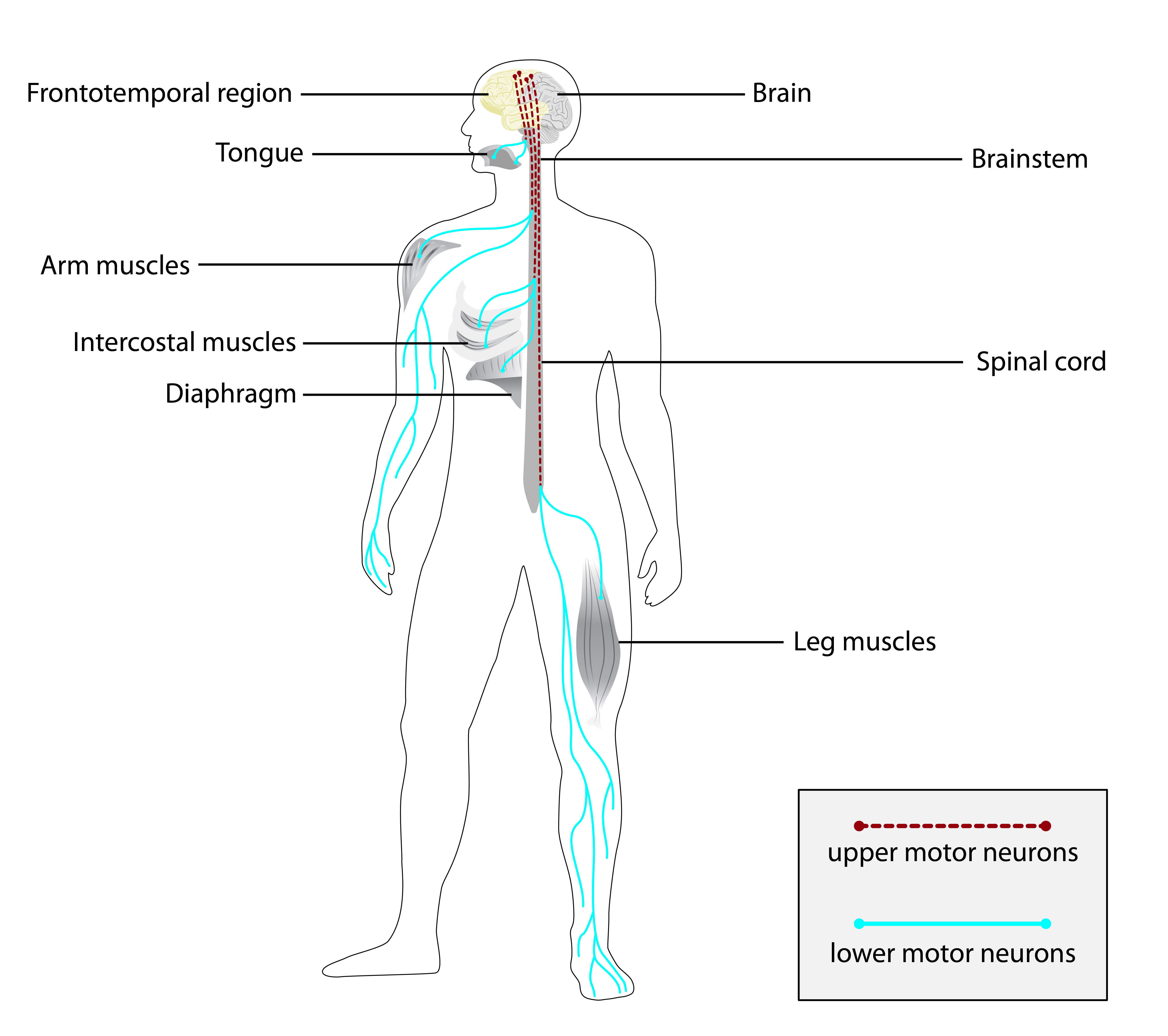
At its core, ALS is a disease of the motor neurons. These are specialized nerve cells responsible for transmitting signals from the brain and spinal cord to the muscles, enabling voluntary movement. In individuals with ALS, these motor neurons degenerate and eventually die. This interruption in communication between the brain and the muscles leads to progressive weakness, paralysis, and ultimately, the inability to perform essential bodily functions.
The Degeneration of Motor Neurons
The primary hallmark of ALS is the degeneration of both upper and lower motor neurons. Upper motor neurons originate in the brain and descend to the spinal cord, controlling voluntary movements. Lower motor neurons reside in the spinal cord and brainstem, and their axons extend to the muscles, directly controlling their contraction.
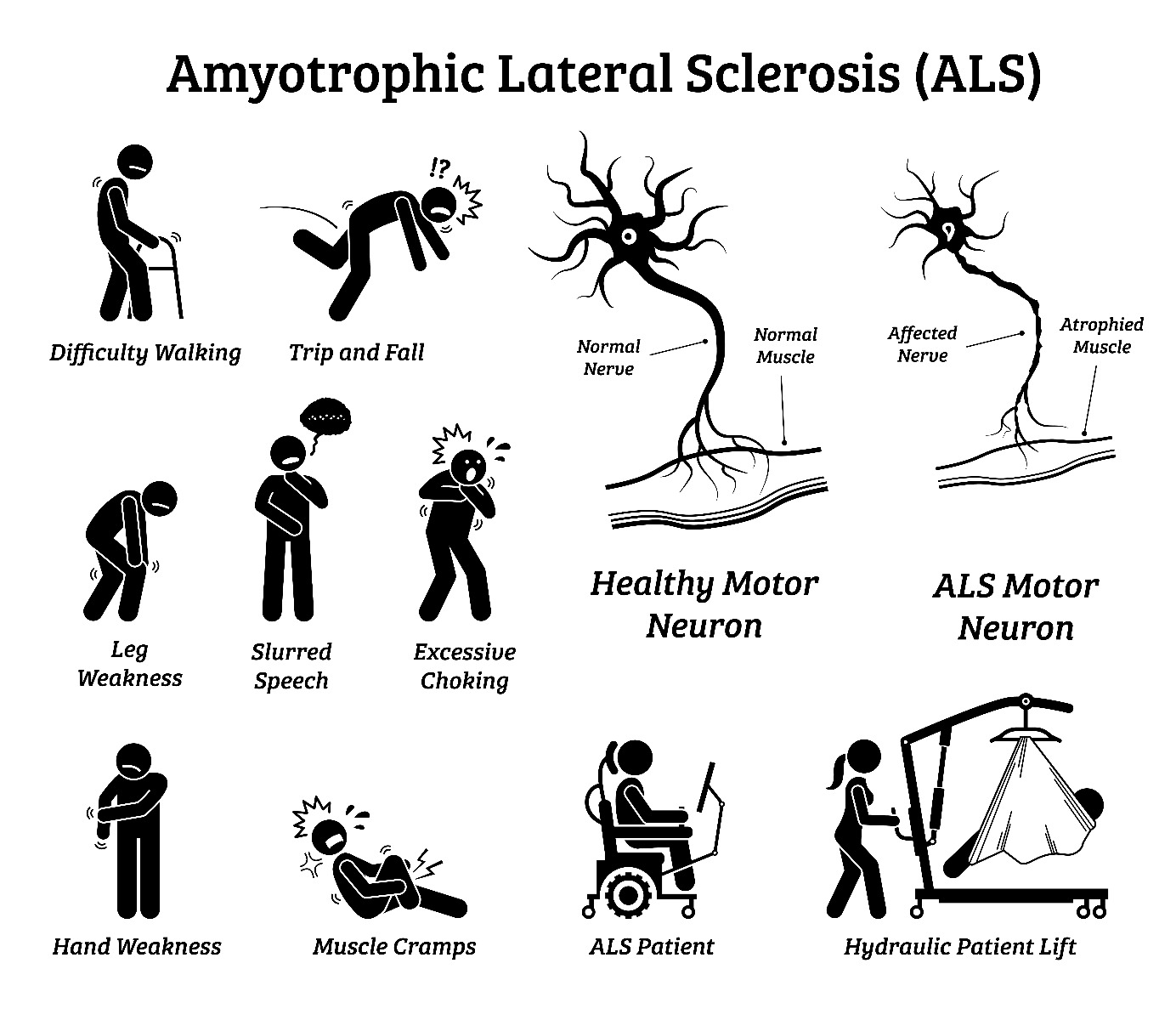
When these neurons are damaged, the signals that tell muscles to move become disrupted. This results in a cascade of symptoms. Initially, individuals might experience muscle twitches (fasciculations) and cramps. As the disease progresses, this weakness becomes more pronounced, leading to difficulty with tasks such as walking, swallowing, speaking, and breathing. Unlike some other neurological conditions, ALS typically does not affect a person’s intellect, memory, or personality. The cognitive functions remain intact, adding to the profound emotional and psychological toll of witnessing one’s physical capabilities diminish.
Types of Motor Neuron Diseases and ALS
ALS is the most common form of motor neuron disease (MND). However, it’s important to understand that MND is a broader category. Other forms of MND include progressive muscular atrophy (PMA), primary lateral sclerosis (PLS), and progressive bulbar palsy (PBP). While these conditions share some similarities with ALS, they often affect different subsets of motor neurons or present with distinct symptom patterns. ALS is characterized by the involvement of both upper and lower motor neurons, making it a more widespread and aggressive form of the disease.
The distinction between these forms is crucial for diagnosis and management, as treatment strategies and prognoses can vary. Medical professionals rely on a thorough clinical examination, electrodiagnostic tests (like EMG), and sometimes advanced imaging to differentiate between these conditions.
The Multifaceted Impact of ALS: Beyond the Biological
The journey with ALS is not solely a biological one; it profoundly impacts an individual’s life, their family, and their community, resonating with aspects of technology, branding, and finance.
Technological Advancements in Diagnosis and Care
The fight against ALS is increasingly leveraging technological innovation.
Diagnostic Tools and Research
While there is currently no single definitive diagnostic test for ALS, technology plays a vital role in the diagnostic process. Techniques like Electromyography (EMG) and Nerve Conduction Studies (NCS) help assess the health of muscles and nerves, providing crucial evidence of motor neuron damage. Advanced neuroimaging techniques, such as Magnetic Resonance Imaging (MRI), can help rule out other conditions that may mimic ALS symptoms, such as tumors or spinal cord compression.
Furthermore, in the realm of research, cutting-edge technologies are accelerating our understanding of ALS. High-throughput genomic sequencing is identifying genetic mutations associated with familial ALS, paving the way for personalized medicine approaches. Artificial intelligence (AI) is being employed to analyze vast datasets from clinical trials and patient records, potentially uncovering new biomarkers or predicting disease progression. Machine learning algorithms are also being developed to aid in early diagnosis by identifying subtle patterns in neurological data that might be missed by the human eye.
Assistive Technologies for Daily Living
For individuals living with ALS, technology is a lifeline, empowering them to maintain a degree of independence and improve their quality of life. Communication devices, such as eye-gaze technology and speech-generating devices (SGDs), are transformative, allowing those who lose the ability to speak to communicate their thoughts, needs, and emotions. This is particularly critical for maintaining social connections and personal autonomy.
Mobility aids, including powered wheelchairs and assistive robots, help individuals navigate their environment. Environmental control units (ECUs) allow for the management of lights, thermostats, and entertainment systems through voice commands or alternative input methods, providing comfort and convenience. Even simple apps designed for reminders or medication management can significantly enhance a patient’s ability to manage their daily routines. The ongoing development of new assistive technologies promises even greater independence and improved well-being for those affected by ALS.
The Power of Branding in Raising Awareness and Driving Support
The fight against ALS has been significantly amplified by effective branding and awareness campaigns.
Creating a Unified Voice for Advocacy
The term “Lou Gehrig’s disease” itself can be seen as an early form of branding, lending a relatable human face to a complex illness. Over the years, various organizations dedicated to ALS research and patient support have developed strong brand identities. These brands serve to unify the advocacy efforts, create a recognizable presence, and build trust with donors, researchers, and the public.
Icons like the Ice Bucket Challenge, which became a global phenomenon, utilized social media branding and viral marketing to create an unprecedented surge in awareness and fundraising. The challenge’s simple yet impactful concept – dumping a bucket of ice water over one’s head and nominating others – was highly shareable and visually engaging, making it a perfect vehicle for branding a cause. This demonstrated the power of innovative branding to capture public attention and translate it into tangible support.
Building a Reputation for Hope and Progress
Beyond immediate fundraising, effective branding aims to build a reputation for hope and progress in the fight against ALS. This involves showcasing the dedication of researchers, highlighting patient stories of resilience, and communicating milestones in scientific discovery and treatment development. A strong brand can inspire confidence in the future and encourage continued investment in research and care. This is particularly important for diseases with historically limited treatment options, where maintaining a sense of optimism is paramount for patients and their families.
The Financial Landscape of ALS: Costs and Support Systems
The economic implications of ALS are substantial, affecting individuals, families, and healthcare systems.
The Economic Burden of Care and Treatment
The cost of living with ALS can be astronomically high. Beyond the direct medical expenses, which can include specialized equipment, therapies, and medications, there are significant indirect costs. These often involve home modifications to accommodate mobility challenges, the need for professional caregivers or in-home assistance, and the loss of income for family members who may need to reduce their working hours or stop working altogether to provide care.
The specialized equipment, from advanced ventilators to communication devices, represents a significant upfront investment. Ongoing therapies, such as physical therapy, occupational therapy, and speech therapy, are crucial for managing symptoms and maintaining function, but these can also accrue substantial costs over time. The development of new drugs and potential treatments, while promising, also often comes with a high price tag, creating accessibility challenges for some.
Navigating Insurance, Financial Aid, and Fundraising
For families facing ALS, navigating the complex world of insurance, financial aid programs, and fundraising is a critical undertaking. Understanding what medical expenses are covered by insurance, applying for government assistance programs, and seeking out non-profit organizations that offer financial support are all essential steps.
Personal fundraising efforts, often driven by the desire to cover costs not met by insurance or to support research, have become increasingly common. This can range from local community events to online crowdfunding campaigns. The emotional and physical toll of ALS is immense, and the added stress of financial concerns can be overwhelming. Therefore, robust financial support systems and accessible information on financial aid are vital components of comprehensive care for individuals and families affected by this disease.
The Future of ALS: Research, Hope, and Technology’s Role
The future of the fight against ALS is inextricably linked to ongoing research, the cultivation of hope, and the ever-evolving role of technology.
Advancements in Research and Potential Treatments
The scientific community is making significant strides in understanding the complex mechanisms behind ALS. Researchers are investigating various avenues, including gene therapy, stem cell research, and the development of new pharmacological agents aimed at slowing disease progression or even repairing damaged neurons. The identification of specific genetic mutations has opened doors to targeted therapies for certain forms of familial ALS.
While a cure for ALS remains elusive, progress in understanding its underlying biology offers tangible hope. Clinical trials are continuously underway, testing novel treatment approaches. The global collaborative effort among researchers, driven by shared knowledge and technological innovation, is accelerating the pace of discovery.
The Importance of a Holistic Approach
Effectively combating ALS requires a holistic approach that integrates scientific advancements with technological innovation, robust awareness campaigns, and comprehensive financial and emotional support systems.
The ongoing development of AI-powered diagnostic tools, advanced assistive technologies, and innovative communication devices will continue to empower individuals living with ALS, enhancing their autonomy and quality of life. Simultaneously, effective branding and marketing efforts will be crucial for sustained public engagement, advocacy, and fundraising, ensuring that the cause remains at the forefront of public consciousness. Finally, addressing the significant financial burdens associated with ALS care through improved insurance coverage, accessible financial aid, and community support will be paramount in ensuring that all individuals affected by this disease can receive the care they need.
Ultimately, the journey from understanding “what is Lou Gehrig’s disease” to finding a cure and ensuring comprehensive support for those living with ALS is a shared responsibility. It requires the collective efforts of scientists, technologists, healthcare professionals, policymakers, donors, and the wider community, all working together to bring about a future where ALS is no longer a devastating diagnosis.
aViewFromTheCave is a participant in the Amazon Services LLC Associates Program, an affiliate advertising program designed to provide a means for sites to earn advertising fees by advertising and linking to Amazon.com. Amazon, the Amazon logo, AmazonSupply, and the AmazonSupply logo are trademarks of Amazon.com, Inc. or its affiliates. As an Amazon Associate we earn affiliate commissions from qualifying purchases.