
In the ever-evolving landscape of healthcare, staying abreast of the latest advancements is crucial, not just for medical professionals but also for informed patients. While the title “What is an Endoscopist?” might seem straightforward, understanding the role and significance of this medical specialist delves into a fascinating intersection of technology, precision, and patient well-being. This exploration will unpack the world of endoscopists, weaving in insights from the broader domains of technology, branding in healthcare, and even the financial implications of specialized medical practice, all within the context of a forward-thinking digital platform.
The Core of Endoscopic Practice: Precision, Technology, and Diagnosis
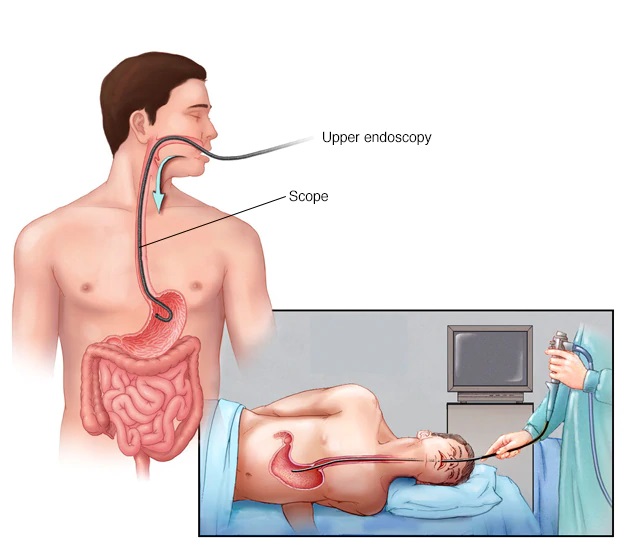
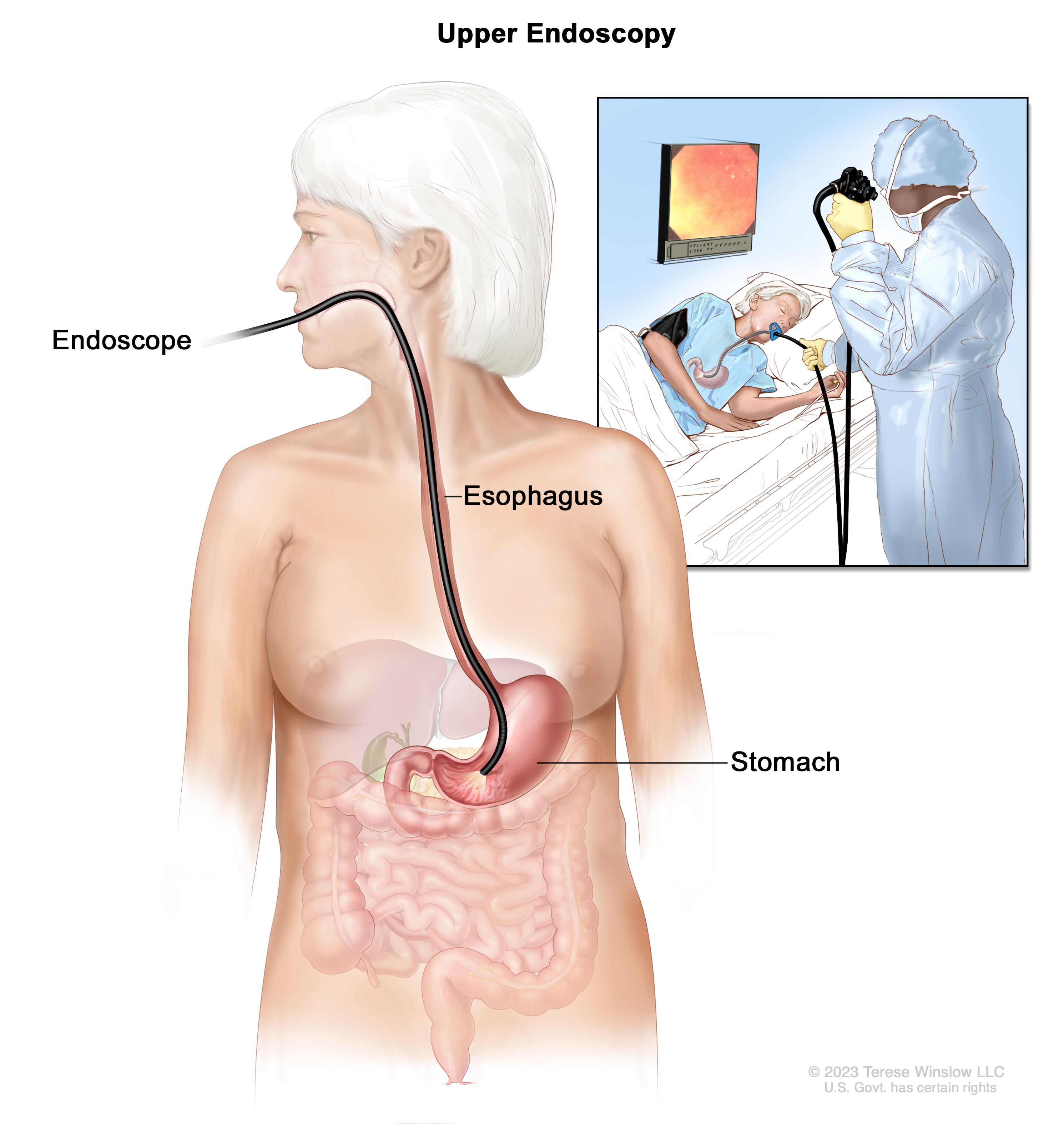
At its heart, an endoscopist is a physician who performs endoscopic procedures. This means they utilize specialized instruments called endoscopes – flexible or rigid tubes with a light and a camera attached – to visualize the interior of the body. The primary goal is diagnostic, allowing them to identify abnormalities, take biopsies, and sometimes even perform therapeutic interventions.
The “what” of an endoscopist directly relates to their ability to see what the naked eye cannot. This necessitates a deep understanding of human anatomy, pathology, and the intricate workings of the digestive, respiratory, and urinary systems, among others. However, the “how” they achieve this visualization is where the technological aspect truly shines.
The Technological Backbone of Endoscopy
The evolution of endoscopy is inextricably linked to technological innovation. From early, rigid instruments to the sophisticated, high-definition, and even robotic systems of today, technology has revolutionized what an endoscopist can achieve.
Advancements in Endoscopic Imaging and Tools
Modern endoscopes are marvels of engineering. They offer:
- High-Definition (HD) and Ultra-High-Definition (UHD) Imaging: Providing incredibly detailed views, allowing for the detection of subtle changes that might otherwise be missed.
- Narrow Band Imaging (NBI) and other Chromoendoscopy Techniques: These technologies enhance the visualization of blood vessels and mucosal patterns, helping to differentiate between benign and potentially cancerous lesions.
- Confocal Laser Endomicroscopy (CLE): This advanced technique allows for real-time, in-vivo microscopy, providing cellular-level detail without the need for tissue removal. This bridges the gap between macroscopic visualization and traditional histology.
- Endoscopic Ultrasound (EUS): Combining endoscopy with ultrasound technology, EUS provides detailed cross-sectional images of organs and tissues adjacent to the gastrointestinal tract, crucial for staging cancers and evaluating pancreatic and biliary diseases.
- AI-Powered Image Analysis: The integration of Artificial Intelligence (AI) is a game-changer. AI algorithms can analyze endoscopic images in real-time, flagging suspicious areas, assisting in polyp detection and classification, and even predicting the risk of malignancy. This represents a significant leap in diagnostic accuracy and efficiency, aligning perfectly with the “AI Tools” topic on a tech-focused website.
- Robotic Endoscopy: While still an emerging field, robotic systems offer enhanced dexterity and control for certain complex procedures, potentially expanding the reach of minimally invasive interventions.
The endoscopist’s skill set is therefore not just about medical knowledge but also about mastery of these sophisticated tools. They need to be comfortable with the technology, interpret the complex data it generates, and integrate it into their clinical decision-making. This continuous learning and adaptation to new technologies are a hallmark of professionals in any cutting-edge field.
Beyond Visualization: Therapeutic Endoscopy
While diagnosis is primary, endoscopists are increasingly performing therapeutic interventions during endoscopic procedures. This transforms the endoscope from a purely observational tool into a surgical instrument. Examples include:
- Polypectomy: Removal of precancerous polyps, directly preventing cancer development.
- Hemostasis: Stopping bleeding in the gastrointestinal tract using various techniques like clipping, cautery, or injection therapy.
- Stent Placement: Opening up blocked passages in the esophagus, stomach, or bile ducts.
- Endoscopic Mucosal Resection (EMR) and Endoscopic Submucosal Dissection (ESD): Advanced techniques for removing larger or flat lesions that would traditionally require surgery.
These therapeutic capabilities underscore the dynamic nature of endoscopy and the expanded role of the endoscopist as a proceduralist, capable of both diagnosing and treating.
Branding and Reputation in Specialized Medical Fields
The field of medicine, like any other industry, benefits from strong branding and reputation. For endoscopists and the institutions they represent, this is particularly true given the sensitive nature of medical procedures and the trust patients place in their physicians.
Building Trust and Expertise: The Brand of an Endoscopist
When a patient needs an endoscopic procedure, their choice of physician is often influenced by factors beyond mere clinical necessity. Reputation, perceived expertise, and the overall patient experience play a significant role.
The Personal Brand of a Medical Specialist
An endoscopist’s personal brand is built on a foundation of:

- Clinical Excellence: Consistent, accurate diagnoses and successful therapeutic outcomes.
- Patient-Centric Care: Clear communication, empathy, and a focus on patient comfort and safety.
- Innovation and Education: Staying at the forefront of their field, participating in research, and educating peers and patients.
- Professionalism: Upholding the highest ethical standards and demonstrating dedication to their specialty.
This personal brand can be amplified through various channels, including professional websites, participation in medical conferences, and contributions to medical literature – all elements that a website focusing on “Brand” would explore in detail. The objective is to cultivate an image of reliability, skill, and trustworthiness.
Corporate Identity and Hospital Branding
For hospitals and clinics offering endoscopic services, their corporate identity is paramount. This encompasses:
- State-of-the-Art Facilities: Highlighting advanced technology and modern equipment.
- Expert Medical Teams: Showcasing the qualifications and experience of their endoscopists and support staff.
- Patient Safety Protocols: Emphasizing rigorous safety measures and accreditation.
- Patient Experience: Focusing on a seamless and comfortable journey for patients undergoing procedures.
Case studies detailing successful outcomes and patient testimonials can be powerful tools in building this corporate brand. A strong brand in the healthcare sector translates directly into patient confidence and loyalty.
Financial Considerations: The Business of Specialized Medical Practice
The specialization of an endoscopist also involves significant financial considerations, from the investment in technology to the revenue generated by their services. Understanding these aspects provides a more comprehensive picture of this medical role within a broader economic context.
Investment, Revenue, and Economic Impact
The practice of endoscopy is not only a medical discipline but also a business that requires substantial investment and generates significant revenue.
Investment in Technology and Training
As discussed earlier, the technological advancements in endoscopy are continuous. This means endoscopists and their practices must make significant investments in:
- High-Cost Endoscopic Equipment: The latest endoscopes, imaging systems, and therapeutic tools are expensive.
- Maintenance and Upgrades: Regular servicing and upgrades are essential to ensure equipment reliability and access to the latest features.
- Continuing Medical Education (CME): Physicians need to invest time and resources in staying updated on new techniques, technologies, and best practices.
This initial and ongoing investment is a critical component of the financial model for an endoscopic practice. A website focused on “Money” would delve into how these investments are financed, the return on investment (ROI) of new technologies, and strategies for efficient practice management.
Revenue Generation and Financial Planning
Endoscopic procedures are a significant source of revenue for healthcare providers. The billing and reimbursement for these services are complex, often involving negotiations with insurance companies.
- Reimbursement Models: Understanding coding, billing, and payment structures for various endoscopic procedures is crucial for financial sustainability.
- Efficiency and Throughput: Optimizing scheduling, patient flow, and procedure times can directly impact the revenue generated by an endoscopy unit.
- Expansion of Services: Offering a wider range of endoscopic procedures, including advanced therapeutic interventions, can increase revenue streams.
- Financial Tools: Healthcare providers utilize various financial tools for budgeting, forecasting, and managing operational costs, aligning with the “Financial Tools” topic on a money-focused platform.
The financial success of an endoscopic practice is a testament to its operational efficiency, its ability to attract patients through a strong brand, and its adeptness at navigating the economic landscape of healthcare.
Conclusion: The Endoscopist – A Pillar of Modern Medicine
In essence, an endoscopist is far more than just a doctor who looks inside the body. They are highly skilled medical professionals who leverage cutting-edge technology to provide invaluable diagnostic and therapeutic services. Their role is deeply intertwined with technological innovation, requiring continuous learning and adaptation. The trust and confidence they inspire are built through effective personal and institutional branding. Furthermore, their practice operates within a complex financial framework, demanding strategic investment and sound financial management.
As technology continues to advance, and as our understanding of diseases deepens, the role of the endoscopist will undoubtedly evolve further. They will remain at the forefront of minimally invasive medicine, a crucial bridge between complex internal conditions and accessible, life-saving interventions. For anyone seeking to understand the intricate workings of modern healthcare, appreciating the multifaceted expertise of an endoscopist offers a profound insight into the present and future of medical diagnostics and treatment.
aViewFromTheCave is a participant in the Amazon Services LLC Associates Program, an affiliate advertising program designed to provide a means for sites to earn advertising fees by advertising and linking to Amazon.com. Amazon, the Amazon logo, AmazonSupply, and the AmazonSupply logo are trademarks of Amazon.com, Inc. or its affiliates. As an Amazon Associate we earn affiliate commissions from qualifying purchases.